What is this course about?
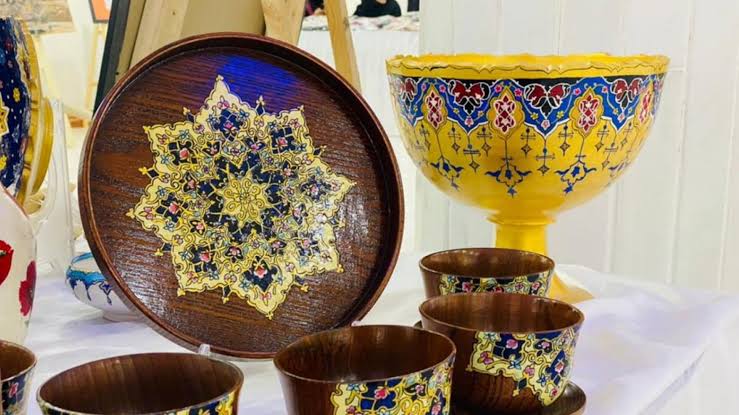
— About this course: This course is about discovery and understanding. It teaches you how to look at traditional Afghan art—such as carpet weaving, calligraphy, woodwork, and historic architecture—and truly grasp its meaning.
— You will learn the history, the cultural significance behind the patterns, and how various regions and ethnic groups within Afghanistan developed their unique artistic traditions.
— The objective: By the conclusion of this course, you will be equipped to «read,» describe, and appreciate the traditional art of Afghanistan. You will build a robust foundation of knowledge.

Target Audience— Art and architecture students interested in exploring the region’s artistic heritage.
— Traditional artists and craftspeople seeking to understand the theory and history underpinning their practice.
— History and cultural researchers studying Afghanistan.
— Cultural workers and tour guides who need to share accurate narratives about Afghan art.
— General art enthusiasts, especially Afghans living inside and outside the country, who wish to connect with their visual identity.

Prerequisites:
General knowledge: A basic understanding of Afghan geography and history (helpful, but not required).
Basic skill: The ability to observe an artwork and notice its shapes and colors.
Interest: A strong desire to learn about cultural identity.
(Note: I believe this is a beginner course, so there are no strict academic requirements).
Expected Learning Outcomes:Knowledge: Clearly define «visual culture» and «traditional art» within the context of Afghanistan.
Skill: Describe and analyze a traditional Afghan artwork—such as a carpet, minaret, or enamel work—using precise terminology.
Attitude: Appreciate the significance of Afghan traditional art globally and respect the regional and ethnic diversity that informs these art forms.
Course Control:Ongoing Assessment:
Short weekly quizzes: To check students' understanding of fundamental vocabulary and concepts.
Class discussions: To evaluate how well students can analyze and discuss the visual materials presented in class.
Final Assessment:
Midterm project: Write a short report (approximately 1,000 words) describing and analyzing one form of traditional Afghan art.
Quality Control:
Grading Rubric: We will utilize a clear checklist to evaluate projects, assessing elements such as: historical accuracy, depth of description, and proper citation.
Final Course Result:
The final outcome of this course is a «Course Design and Description Document» created by the students themselves.
This means that by the end of the term, the student will not only understand Afghan traditional art, but they will also learn how to organize and articulate this knowledge so they can design a course to teach it to others.