Concept: A Lyrical Voice in Jazz History
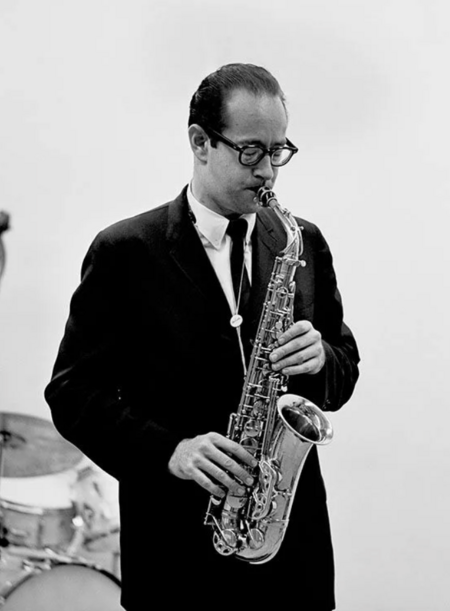
Paul Desmond occupies a position in jazz history that is difficult to capture with a single formula. He is not typically grouped with saxophonist revolutionaries like Charlie Parker or John Coltrane. He did not dismantle harmonic structures or reconstruct the rhythmic foundation of the music. His contribution lies in a different dimension—in sound, in intonation, and in the ability to construct a melodic line that is immediately memorable without sacrificing its inherent complexity.
Чарли Паркер
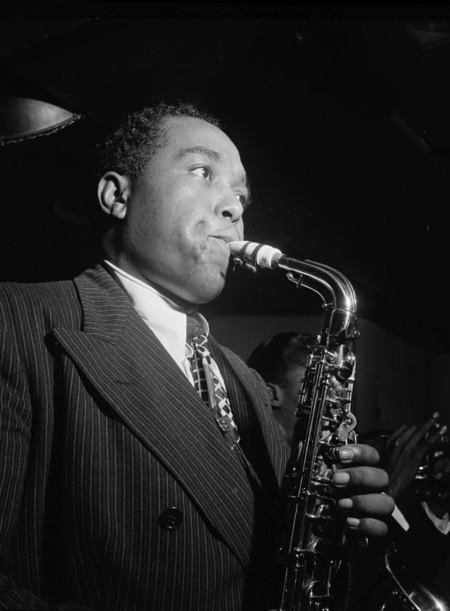
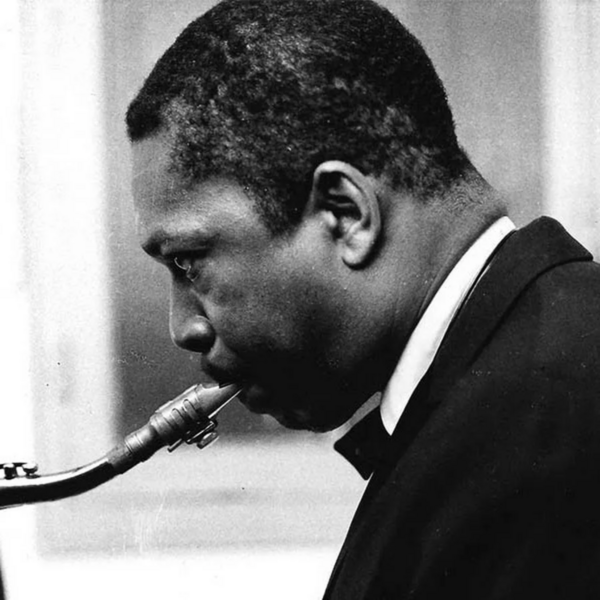
Джон Колтрейн
In historical context, Desmond belongs to the Cool Jazz era and the so-called West Coast School—a movement that, in the 1950s, countered the hot, dense Bebop with a more restrained, cool style of playing. Encyclopedic articles characterize Desmond as «one of the best West Coast jazz saxophonists» and a «legendary American jazz alto saxophonist and composer.» His playing style is described through lyricism, elegance, subtle phrasing, and effortless articulation. The last description is important: it points not merely to stylistic affiliation, but to a collection of specific performing qualities that made Desmond recognizable.
The problem facing researchers of his work is that Desmond is too often viewed merely as «a member of the Dave Brubeck Quartet”—a figure derived from a larger institution. In reality, his solo career, his collaborations with Jerry Mulligan and Jim Hall, and his own ensembles represent a distinct line of work; without it, the portrait of 1960s jazz would be incomplete. Desmond himself ironically called himself „the slowest alto saxophonist in the world, ” and this self-deprecation contributed partly to him being underestimated as an individual artist rather than solely as a participant in the famous group.
This study raises the question: how did Paul Desmond forge his lyrical style, how did that style relate to the historical transformations of jazz, and what is its influence on subsequent musical culture?
The hypothesis is that Desmond’s lyricism was not merely an individual trait, but a conscious aesthetic stance that allowed him to occupy a unique position between commercial success and artistic autonomy. This position requires examination not only from a musical-analytical perspective but also from a historical and cultural one: as a reaction to bebop, as part of the formation of cool jazz, and as an example of thriving within popular culture without sacrificing artistic identity.
Early Years and Stylistic Formation (1924–1951)
Paul Emile Breitenfeld, later known as Paul Desmond, was born on November 25, 1924, in San Francisco, California. Biographers note that his childhood was not easy; his parents’ relationship was strained, and music became one of the few stable anchors for the boy. As a child, he played the violin, despite his father forbidding it, and at age twelve, he began studying the clarinet at the San Francisco Polytechnic High School. By the time he entered college, he had started playing the alto saxophone, which would later become his most beloved instrument.This early instrumental experience is vital to understanding his future sound. The clarinet gave him ease of articulation and control over the upper register; the violin instilled in him the feeling of a melodic line as continuous song. The alto saxophone—an instrument traditionally associated in jazz with a more sharp, «shrieking» style (Parker is a prime example)—sounded differently in Desmond’s hands—soft, almost chamber-like. Later, he articulated this in his famous comparison: he wanted his saxophone to sound like a «dry Martini”—that is, clean, transparent, and with a characteristic bitterness.
After his military service during World War II (his unit never saw frontline action), he returned to San Francisco and began playing in local bands. It was there that the encounter that would define his career took place: meeting pianist Dave Brubeck. The story of their collaboration is filled with almost anecdotal details: Desmond initially hired Brubeck, then cut his salary, and eventually fired him, but later, upon hearing about the success of Brubeck’s trio, he returned and begged Brubeck to take him back. Brubeck did not agree immediately; it was only after Desmond looked after his children for a while. Officially, the collaboration began in 1951 when Desmond joined Brubeck’s trio, turning it into a quartet.
From the perspective of jazz history, this period was transitional. Bebop had made its statement, but an alternative aesthetic was forming on the West Coast—one that was cooler, more focused on arrangement and timbre, and less aggressive in improvisation. Desmond arrived at the right time and in the right place, but his contribution was not merely following a trend. He brought his own distinct timbre to the nascent cool jazz, which contrasted with the denser, polyrhythmic style of Brubeck.
Dave Brubeck Quartet: The Birth of a Classic Sound (1951–1959)
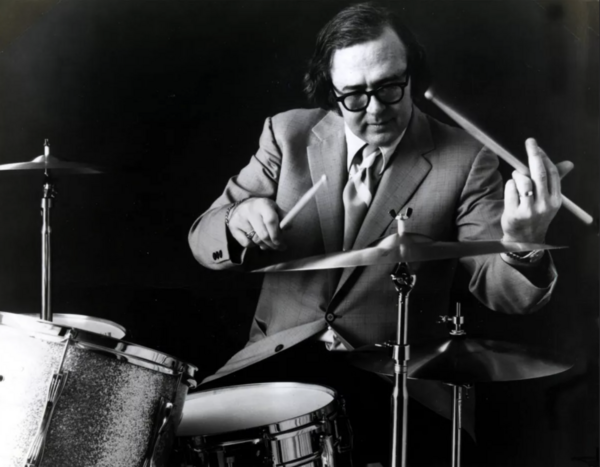
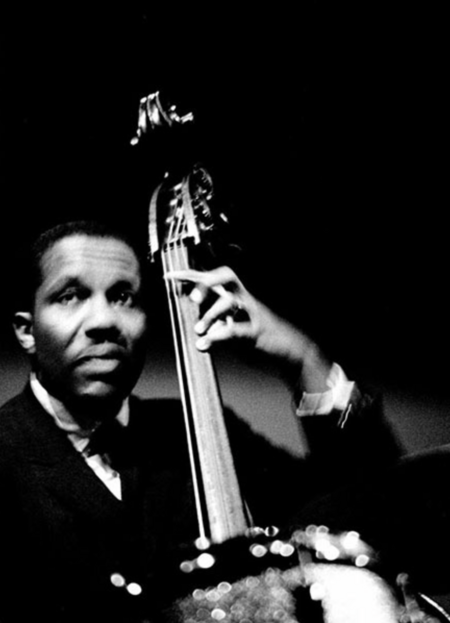
Desmond’s collaboration with Brubeck lasted from 1951 to 1967 and became one of the most enduring and productive in the history of jazz. The quartet, which also included drummer Joe Morello and bassist Eugene Wright, quickly gained popularity, particularly among the student population.
Джо Морелло
Юджин Райт
Recordings made in colleges and universities—such as Jazz at Oberlin (1953) and Jazz Goes to College (1954)—documented this connection with a young audience while also becoming important historical documents of early cool jazz. In 1954, the quartet was featured in Time magazine, signaling its breakthrough beyond the narrow jazz circles.
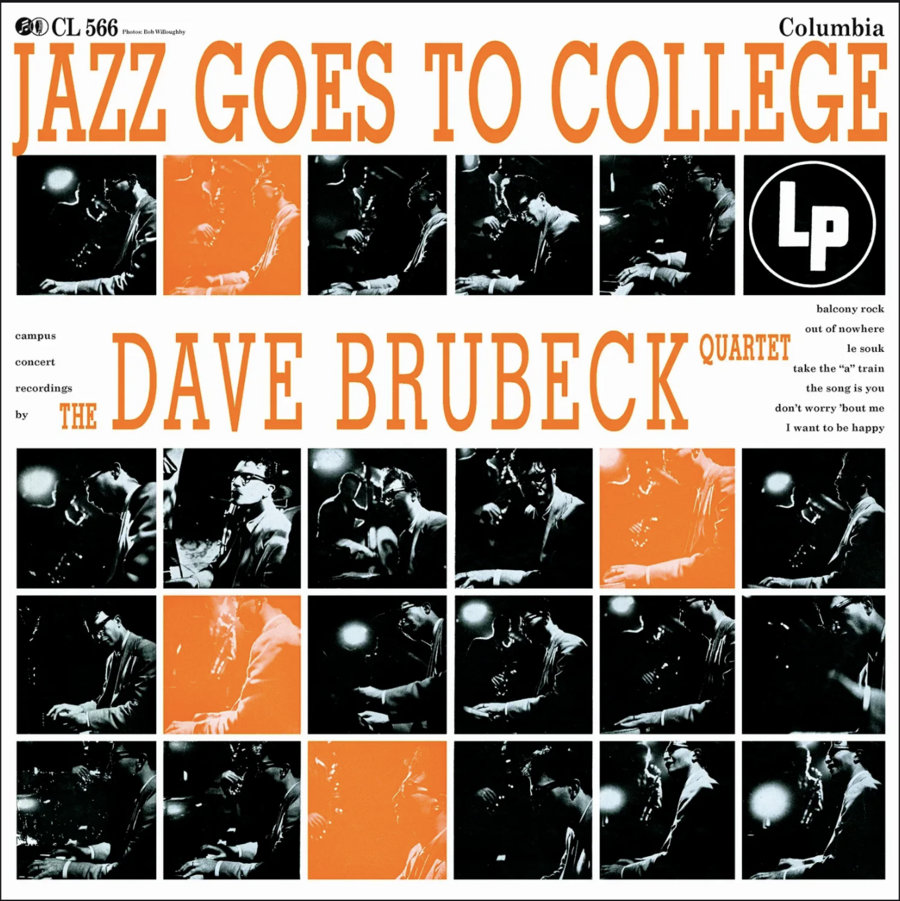
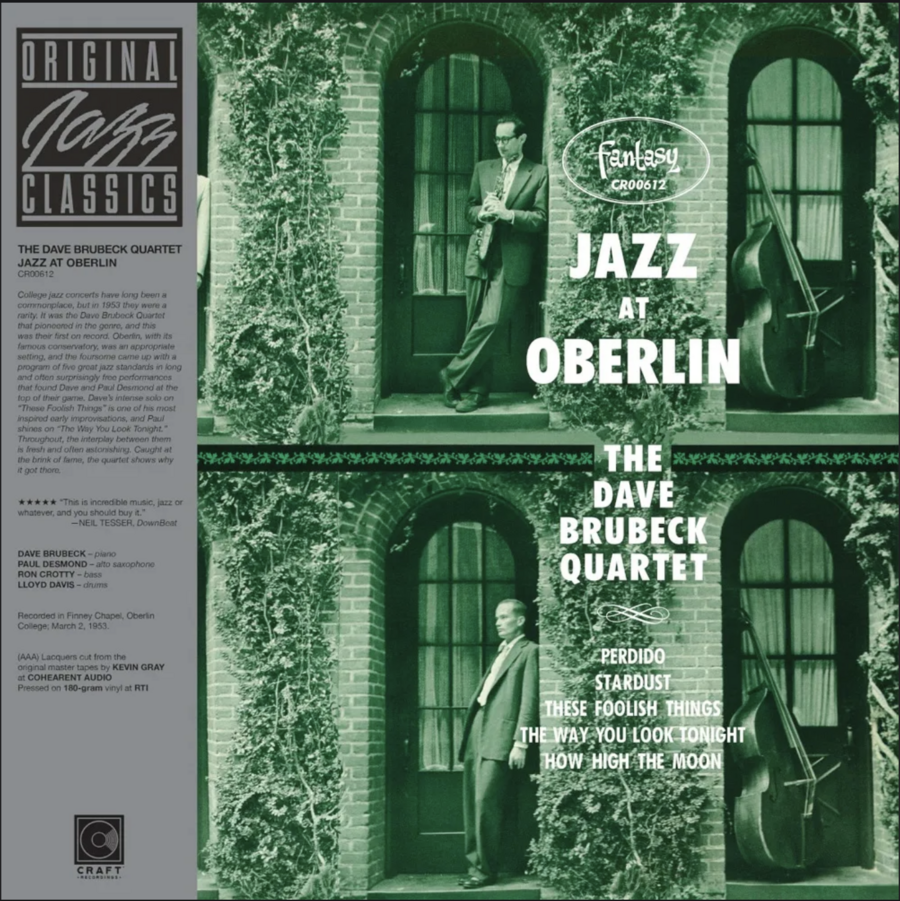
Jazz at Oberlin (1953)