(01) Media Concept
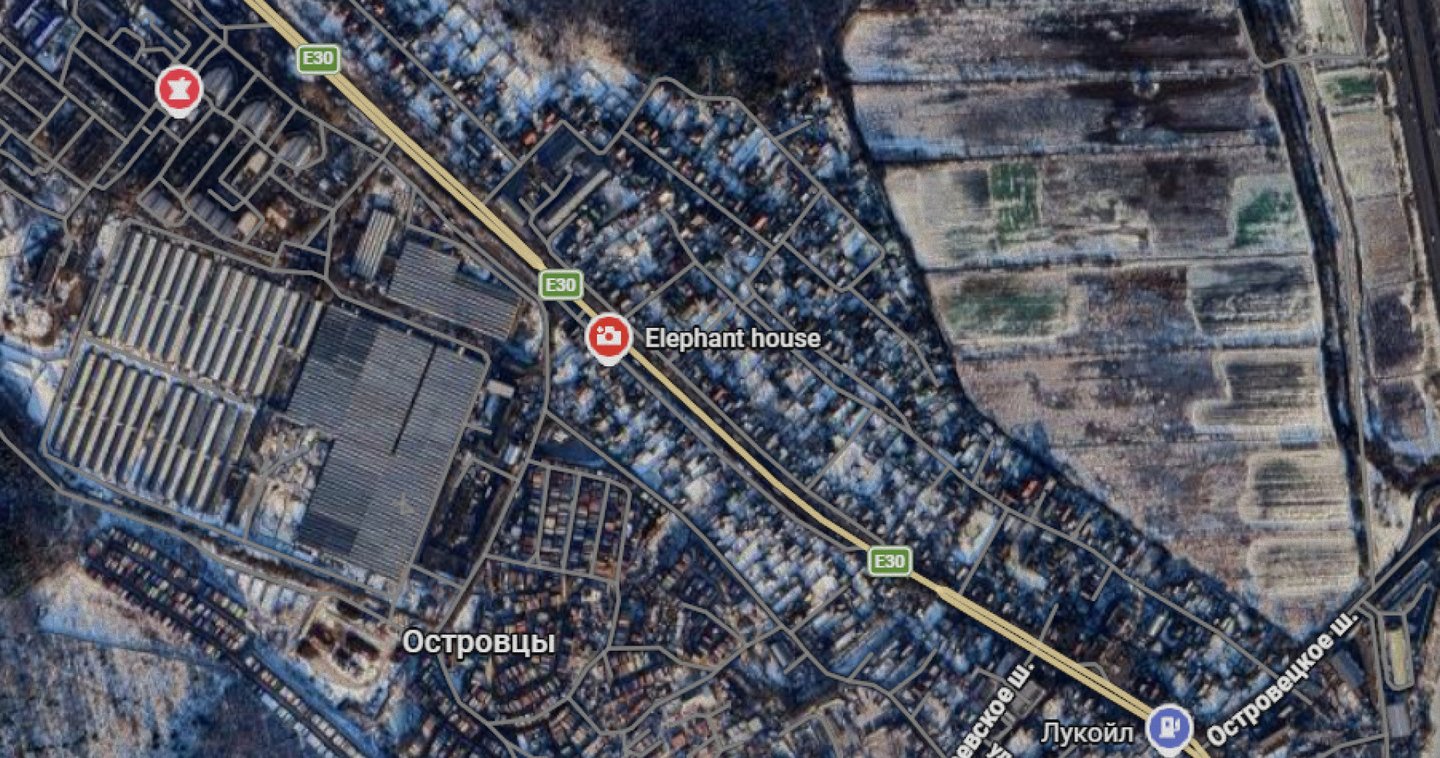
Place Studies is a digital media outlet focused on the visual culture of marginalized spaces found on Google Maps.
«Place Studies» is not a travel guide, but a subjective digital archive of aesthetically and atmospherically expressive spaces found beyond conventional tourist routes.
Core Concept—is not about recommending places to visit, but about discovering their visual expressiveness, compiling a unique typology of spaces, and inspiring the audience to view their familiar surroundings differently.
Our Media’s Goal — to explore everyday and overlooked spaces that usually go unnoticed, revealing them from an unexpected aesthetic perspective.
Audience — B2C. Primarily creative young people aged 18–28 who are looking for locations for shoots and inspiration, digital travelers, and observers of the unexpected beautiful.
Platforms — Telegram and Instagram* as the main channels for audience engagement; short-form content. The website will be developed later as a platform for a visual archive of locations and more in-depth articles.
Belongs to Meta, recognized as an extremist organization and prohibited in the Russian Federation
(02) Content Formats
There are several core content formats, but periodic columns and formats may also appear.
01 / PLACE FOUND
One screenshot from Google Street View of the location, plus the location’s name and a brief 2–3 sentence commentary.
For example: A small shop squeezed between an empty parking lot and a residential block. It has the feeling of a set piece that was forgotten after filming wrapped.02 / VISUAL EVIDENCE
One close-up image fragment and a short caption detailing a specific element: color, signage, architecture, material, or composition.
For example: A plastic palm, a concrete wall, and a red sign. Sometimes three completely incongruous elements are enough to give a place character.03 / SPACE TYPOLOGY
A selection of 3–5 similar sites unified by a single aesthetic category. A simple collage plus a title.
For example: Places That Look Like 2006, Accidentally Beautiful Parking Lots, or Buildings With Questionable Taste.
(03) Thematic Plan
Semester is divided into six thematic blocks and repeating formats.
NOVEMBER — SUBURBIASuburbs, residential blocks, garages, small shops, American and post-Soviet periphery.DECEMBER — ROADSIDERoadside cafes, motels, gas stations, bus stops, roadside architecture.JANUARY — BAD TASTE / GOOD PLACESKitsch, strange facades, ridiculous signage, buildings of unusual shapes.FEBRUARY — STUCK IN TIMESpaces that are visually frozen in the 1990s or 2000s.MARCH — NON-PLACESEmpty parking lots, shopping complexes, crossings, infrastructure, waiting spaces.APRIL — ACCIDENTAL BEAUTYUnexpectedly beautiful combinations of color, materials, architecture, light, and urban details.
Weekly we plan to release 1–2 discoveries and 1–2 details. Monthly we plan to release 1 research article, 1–2 typological series, and 1–2 short video publications.
In total over half a year — approximately 54 publications, adapted for different platforms.
(04) 10 Content Examples