Персонаж платформера: от идеи до реализации в Unreal Engine
Practical Guide to Character Design for Games.
From preparing visual assets to tuning movement parameters—all key stages of creating a player character for a platformer.
What will this course cover?
In a platformer, the player character is far more than just an animated graphic. Our avatar in a video game is the primary tool through which the player experiences the level. The pace and rhythm of the video game are determined by the character’s settings—its speed, jump height and range, input responsiveness, and in-air behavior. A well-tuned character makes movement predictable—the player’s expectations align with the actual outcome—whereas poor tuning destroys the sense of control, turning the level progression into a nightmare.
The character’s parameters dictate the nature of the environment itself. If the protagonist is fast, agile, and traverses long distances easily, the level can be sprawling and expansive, much like the games in the Sonic the Hedgehog series. Conversely, if the character isn’t that fast but features a sharp, measurable jump, the level’s objects might be laid out with precise linearity, as seen in the Celeste levels.
Thus, tuning the character is not a separate technical step; it is the foundation upon which all subsequent world-building in the game rests.
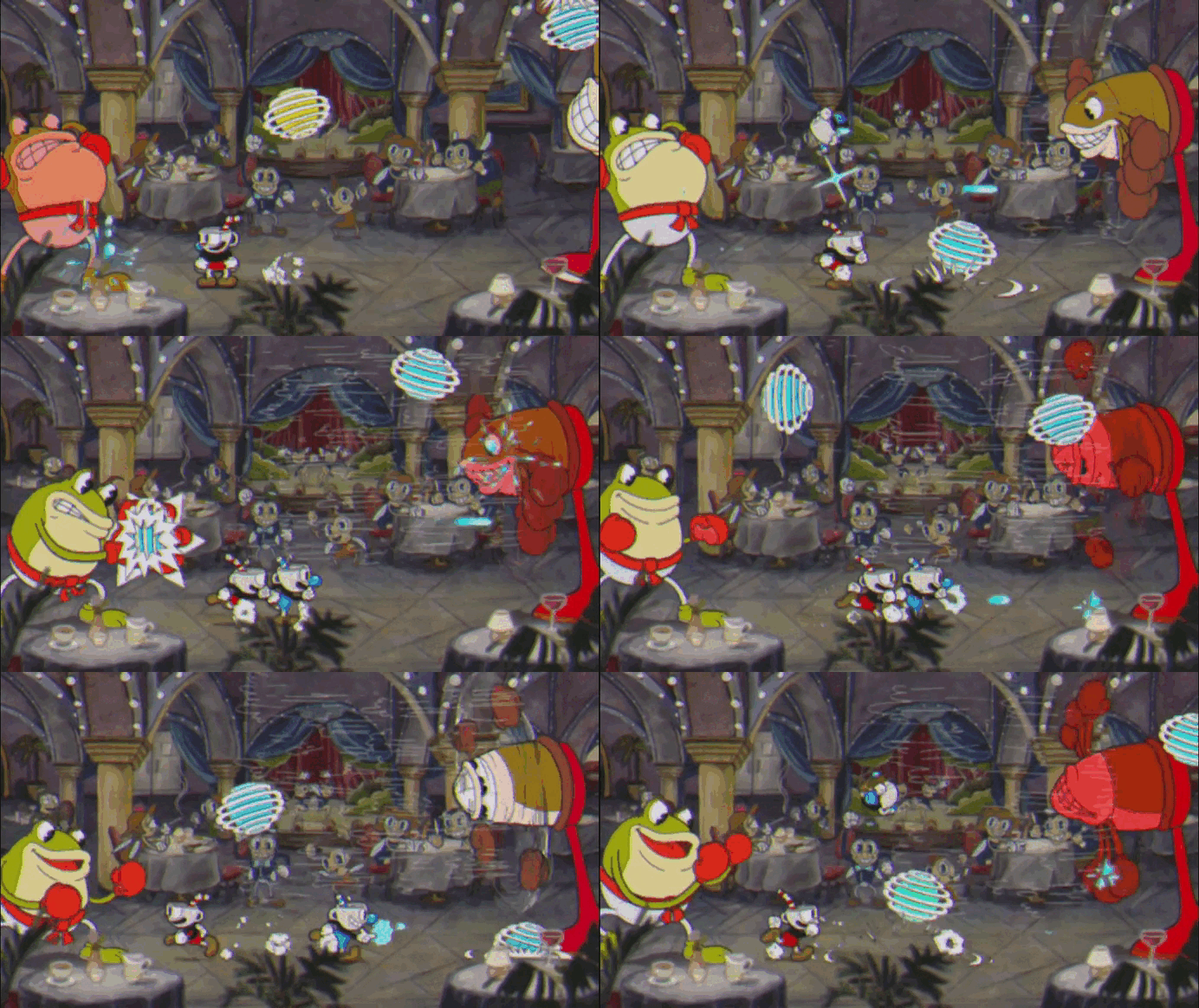
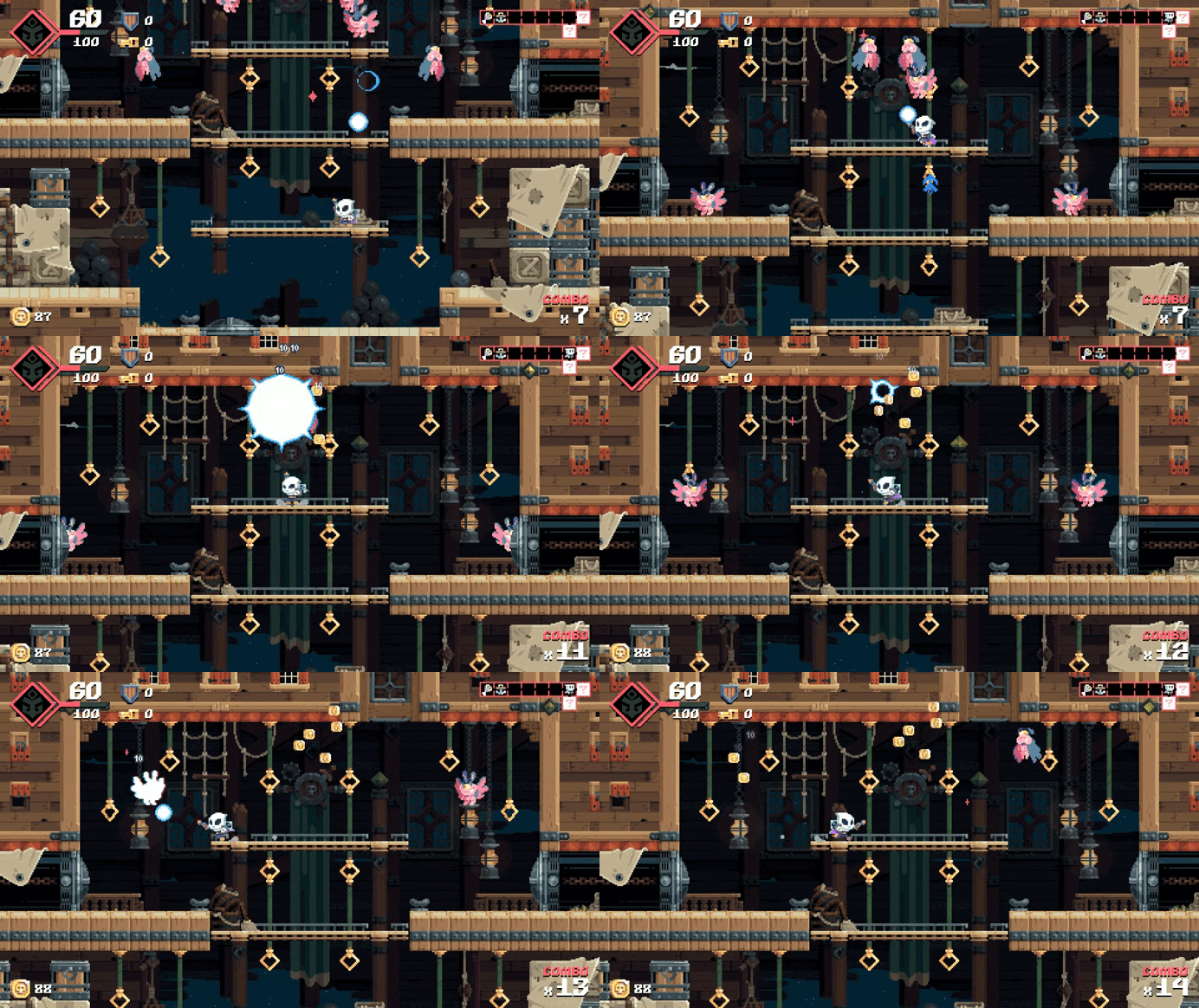
Cuphead, StudioMDHR Entertainment, 2017, and Flinthook, Tribute Games, 2017
In this course, students will learn to create a game character for a platformer in Unreal Engine. They will discover how to prepare and import assets into the game engine, how to set up basic character movement, and how to configure simple game logic and events using the built-in Blueprint visual scripting system. The course covers tools and concepts such as Animation Blueprint, Enhanced Input, the Character class, Character Movement Component, and others.
The final outcome of the course will be a configured game character, ready for integration into a game level (location).
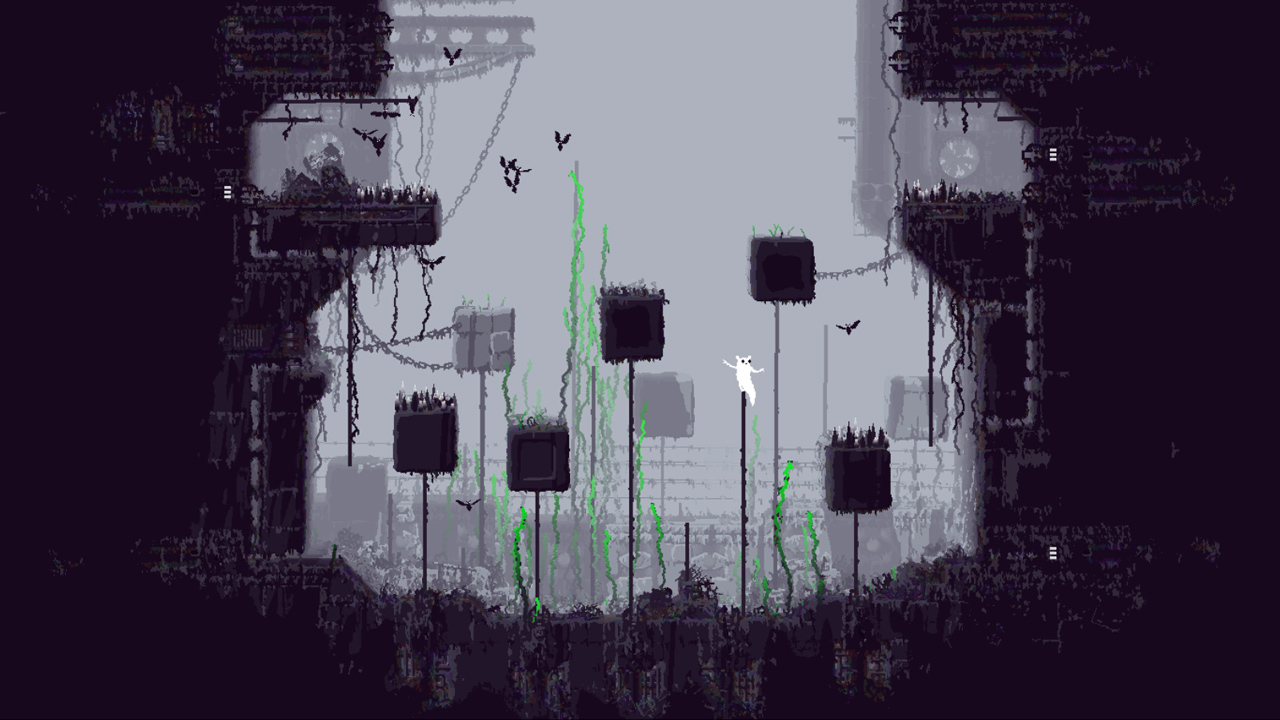
Rain World, Videocult, 2017
Who is this course for?
This course is suitable for beginner game developers who wish to get acquainted with Unreal Engine by working with the program’s basic tools and importing graphic assets into the engine.
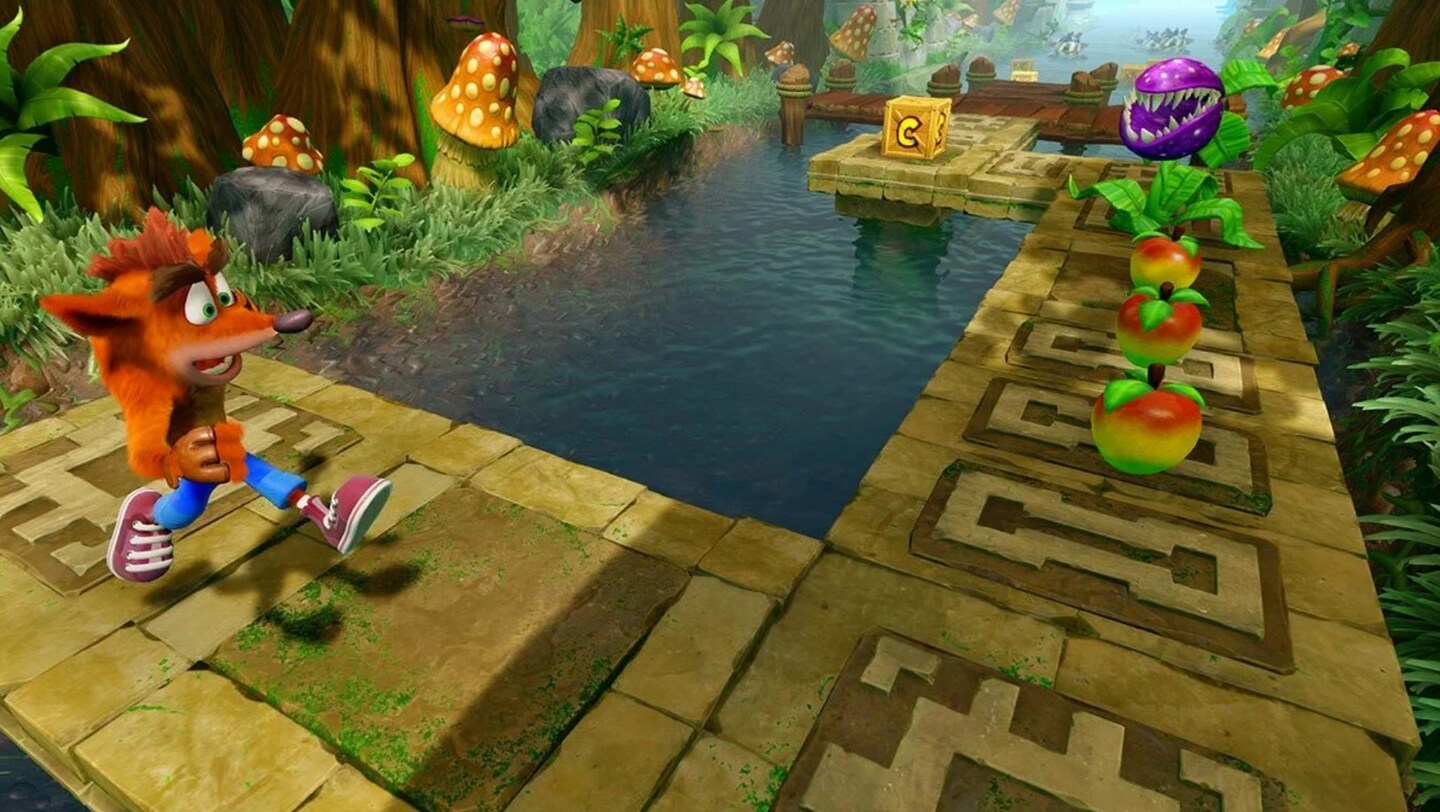
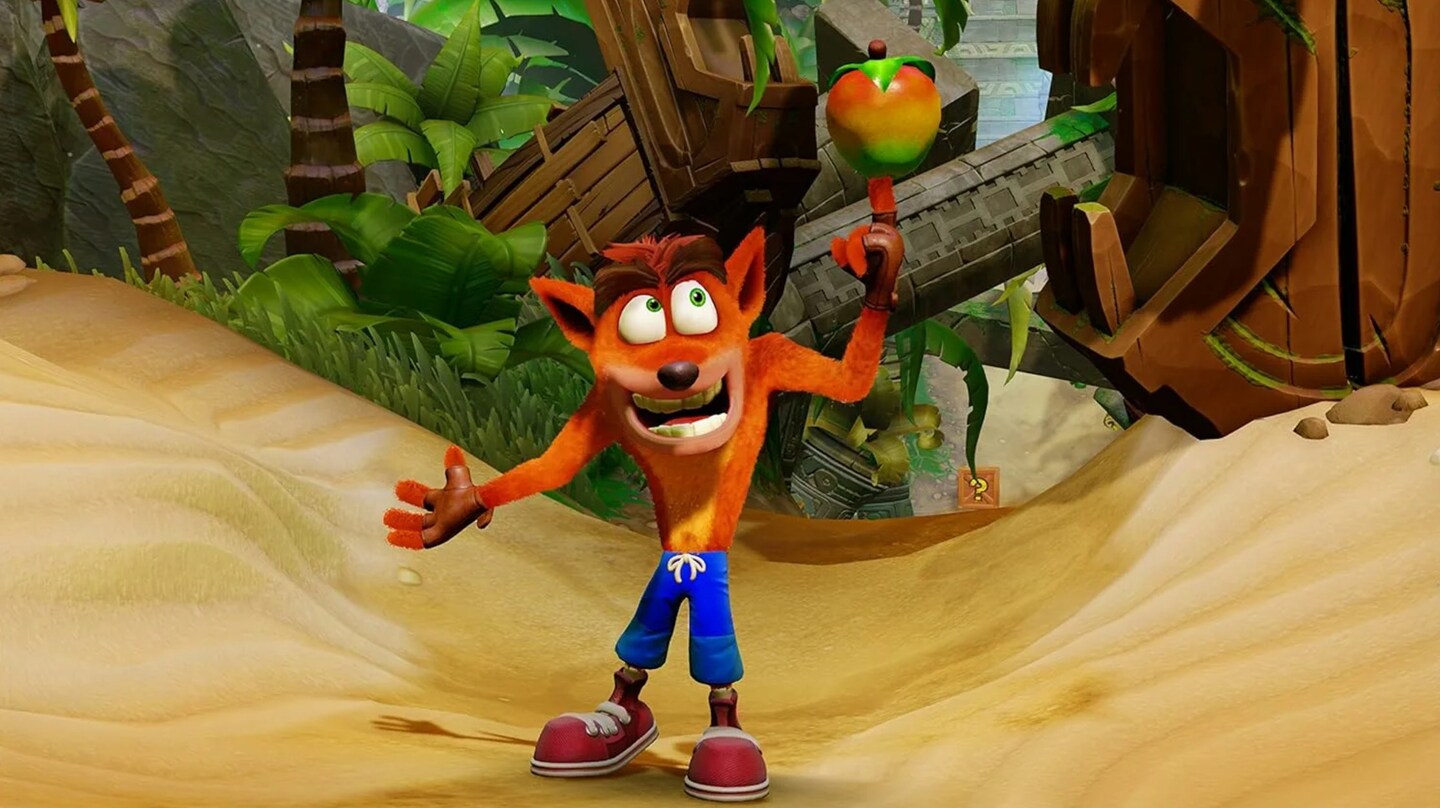
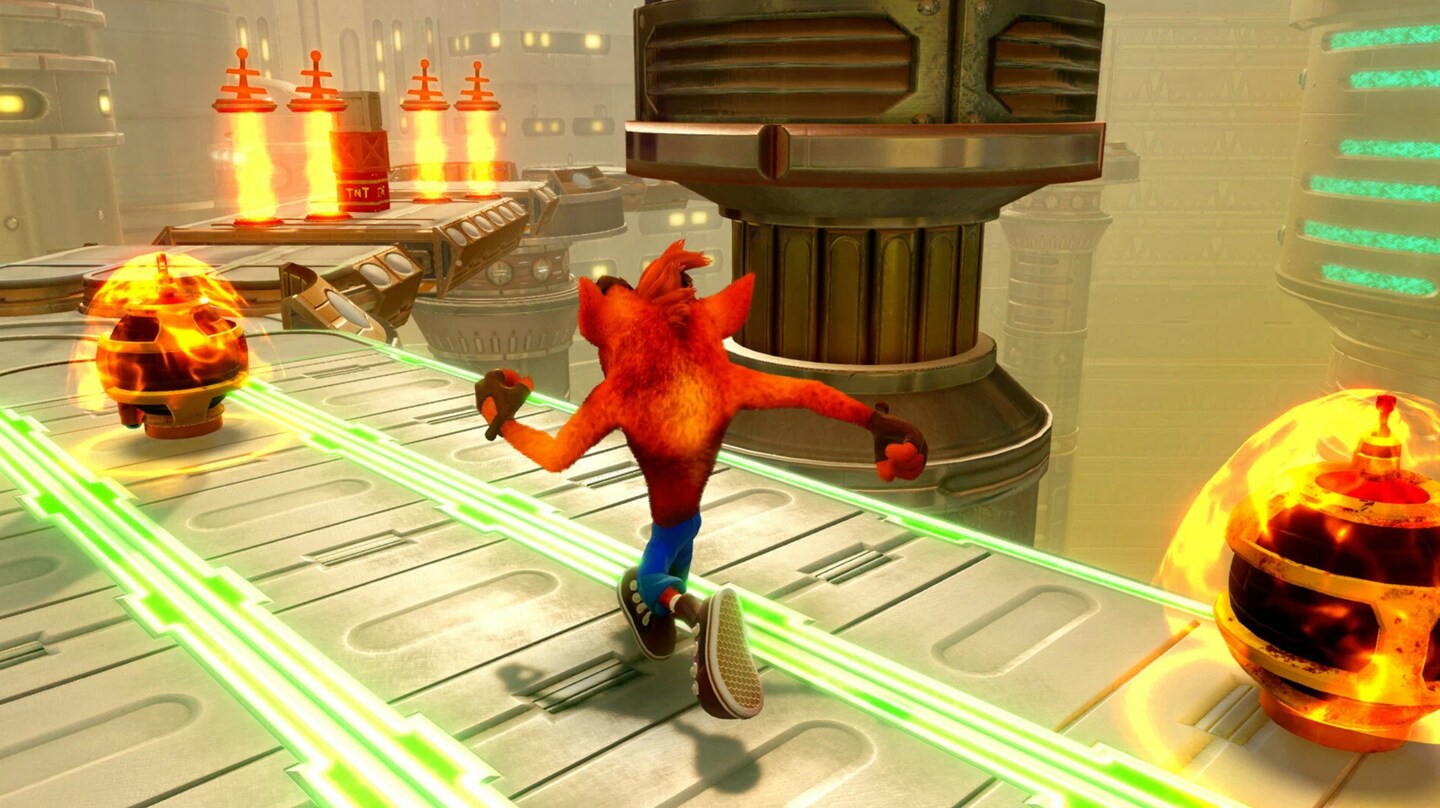
Crash Bandicoot N. Sane Trilogy, Activision, 2017
Course duration: 8 weeks.
Total contact hours:
64 academic hours.
Classes are held online.
Course Prerequisites
Students should have a foundational competency in graphic design, or be prepared to acquire these skills concurrently with the course.
What will students learn in this course?
Kirby and the Forgotten Land, HAL Laboratory, 2022
Throughout the course, students will learn to:
— Prepare 2D or 3D assets (sprites, textures, models) for import into Unreal Engine.
— Import assets into Unreal Engine and perform their basic setup.
— Create a character based on the Character class.
— Configure the game camera: Side-scroller, Top Down, Third Person, or First Person.
— Set up controls using the Enhanced Input system.
— Configure character movement via the CharacterMovementComponent.
— Implement an animation system with state switching using Animation Blueprint or PaperZD.
— Build basic gameplay mechanics: taking damage, attacking, double jumping, and dashing.
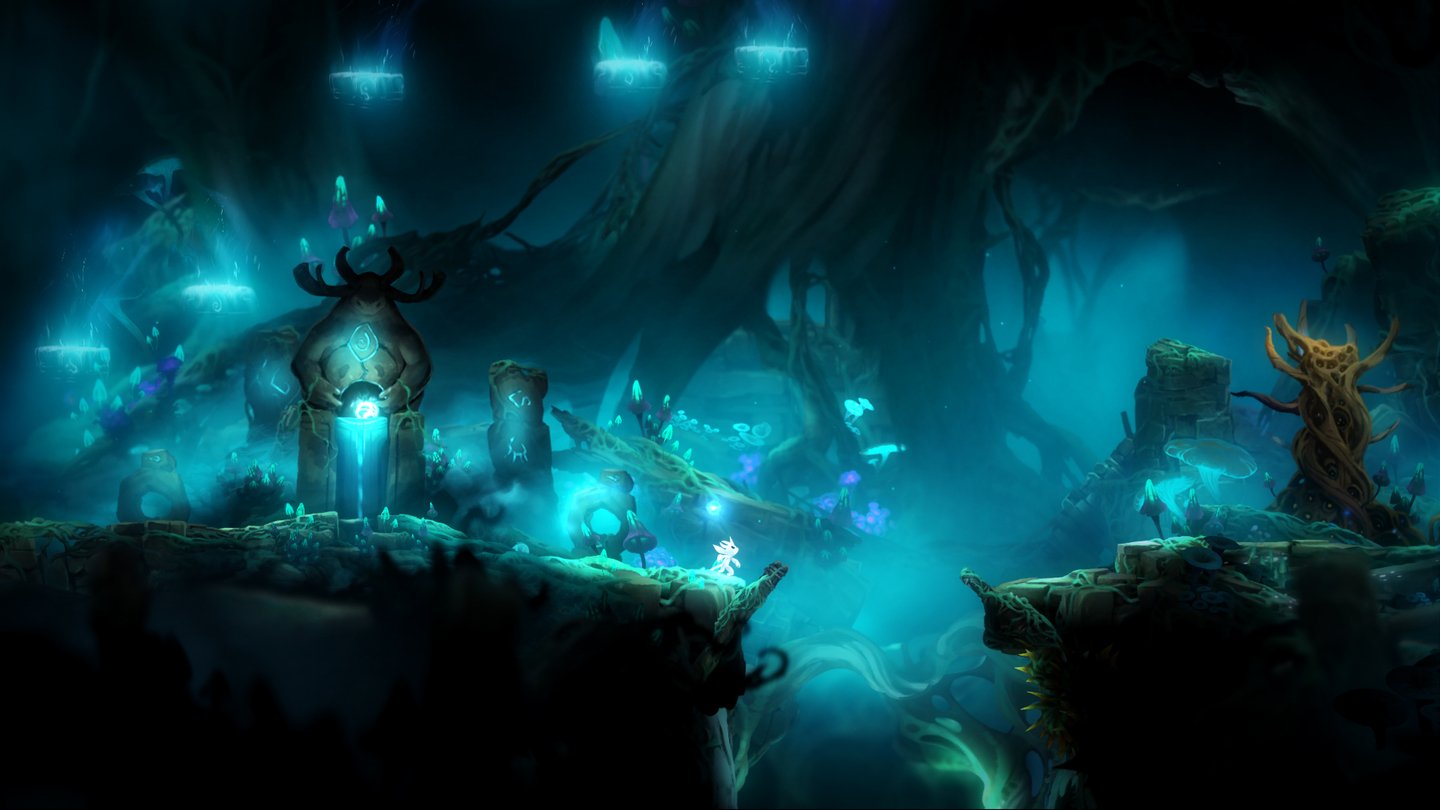
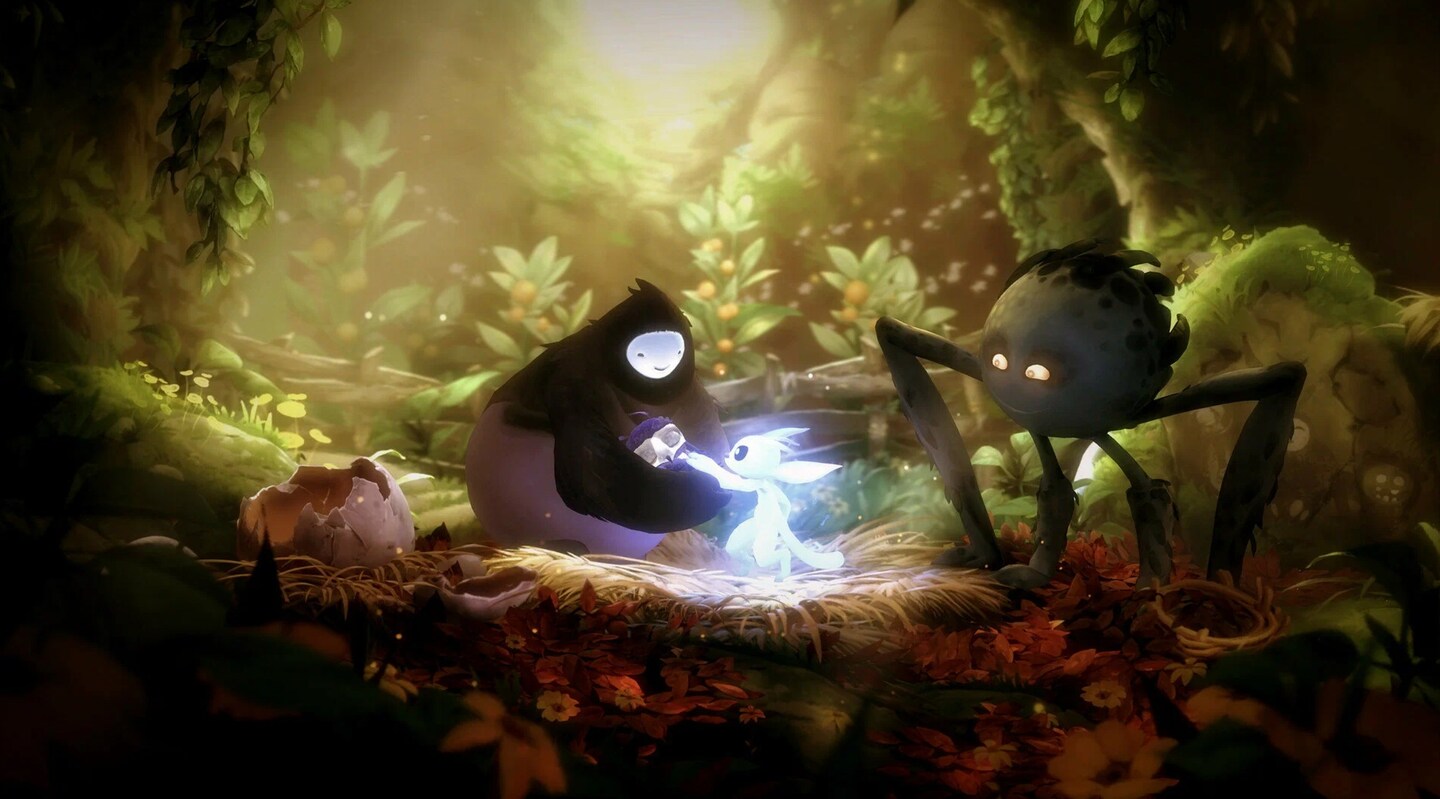
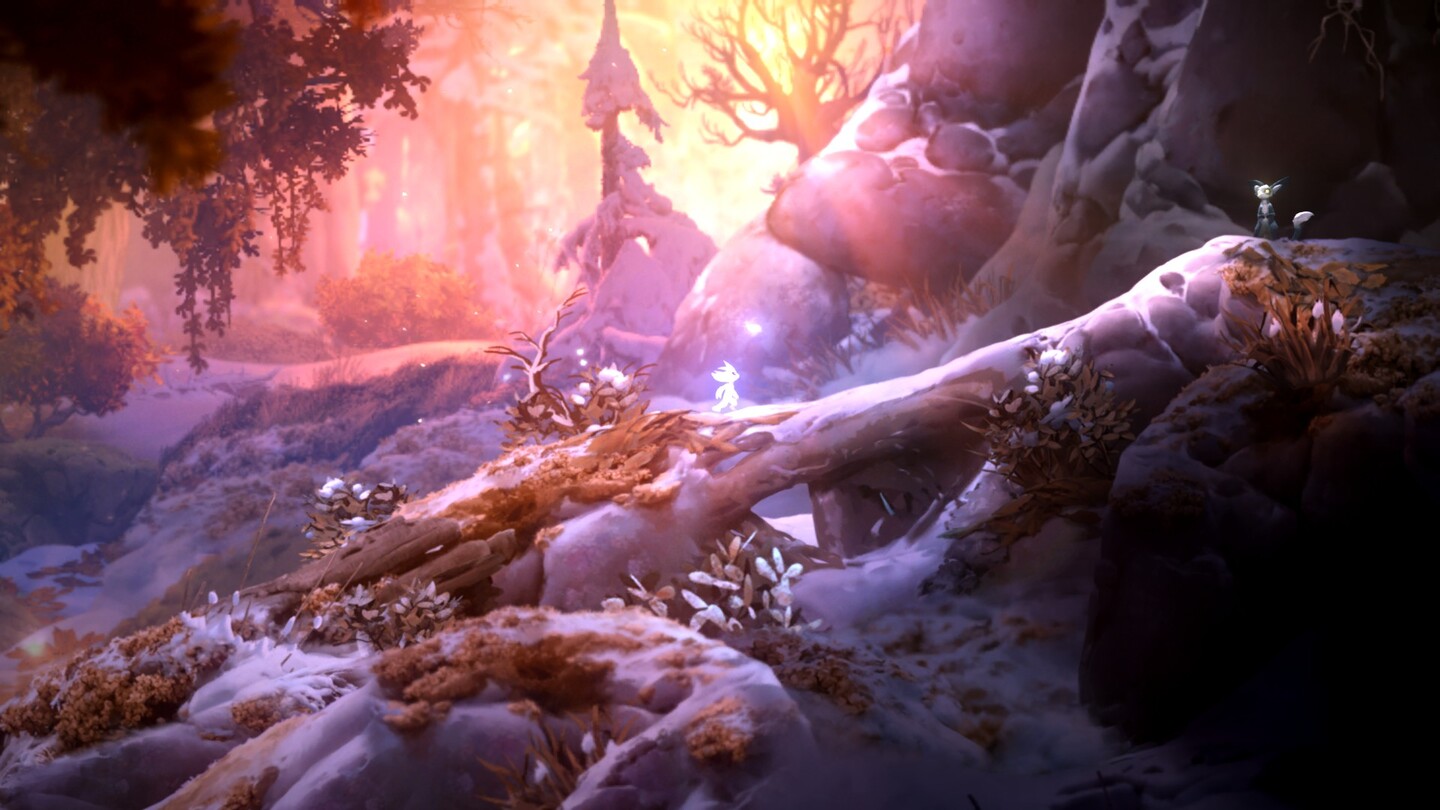
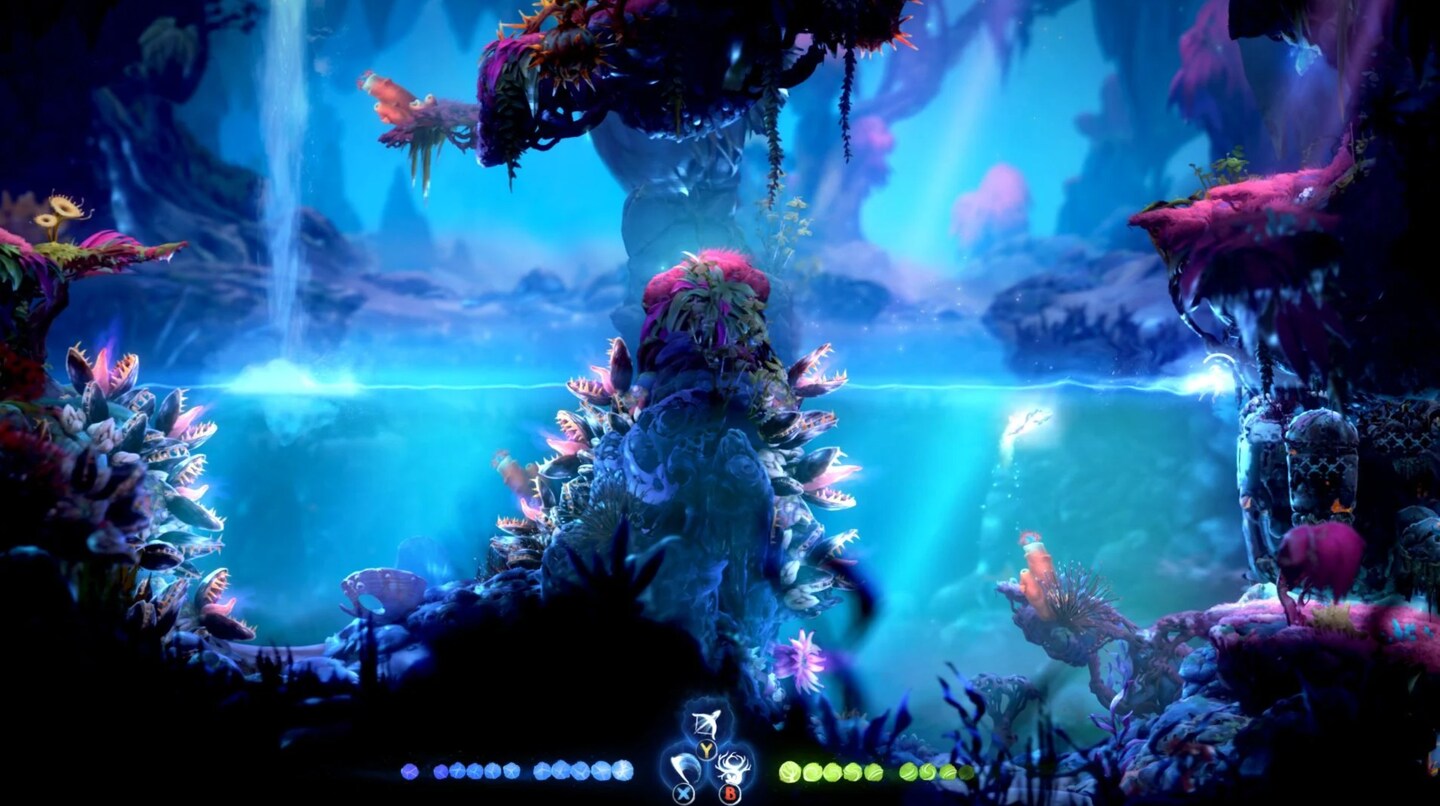
Ori and the Will of the Wisps, Moon Studios, 2017
What practical assignments will the course attendees complete?
During this course, students will complete the following assignments:— Analyzing existing platformer characters and categorizing them based on shared qualities;— Analyzing and selecting color palettes for a game character based on current examples;— Presenting the concept for an original game character;— Analyzing movement references and listing potential characteristics necessary for controlling the game character.— Hands-on work emulating existing platformer characters—Sonic, Meat Boy, Mario—by configuring the CharacterMovementComponent parameters.— Creating a test technical level to validate the assembled character.
Sonic the Hedgehog, Sega, 1997
Thematic Lesson Plan
Platformer Genre Game Characters
— Origins of the Platformer Genre;
— Iconic Platformer Characters;
— Platformers from Different Camera Perspectives;
— 2D vs 3D: Advantages and Disadvantages for Platformers.
Game Character Development and Preparation
— Defining the Game Concept and Describing the Game Character;
— Preparing Assets for 2D Graphics;
— Preparing Assets for 3D Graphics;
— Exporting and Importing Materials into the Unreal Engine;
— Sprite Sheets and Flipbooks;
— Importing Skeletal Meshes;
— Setting up the Skeleton and Physics Assets.
Setting Up the Game Character in Unreal Engine
— Creating a Character Based on the Character Class;
— Paper ZD Plugin;
— Configuring the Game Camera: Third Person Camera, First Person Camera, Side Scroller;
— Setting up the Command Input System via Enhanced Input;
— Configuring the CharacterMovementComponent: speed, jump height, gravity strength, air control;
— Creating and Connecting Animations in the Animation Blueprint;
— Implementing Game Mechanics: double jump, dash, taking damage, attack ability.