Project Concept
I have long admired a specific painting style—pastel, muted colors, visible brushstrokes, grainy surface texture, and slightly angular, lively forms. Something between oil and pastel. I decided to use this style as a reference and attempt to train an AI to reproduce it. The goal was not to copy specific artworks, but to convey the character: the color palette, the type of brushstroke, and the overall mood. To achieve this, I used the DreamBooth method—a technique for fine-tuning an existing AI model (Stable Diffusion) using a small set of examples (20–30 images).
I decided to take this style as a reference and try to train an AI to reproduce it. The goal wasn’t to copy specific works, but to convey the essence: the color palette, the brushstroke type, and the overall mood. To achieve this, I used the DreamBooth method—a way to fine-tune an already existing neural network (Stable Diffusion) using a small set of examples (20–30 images).
Dataset
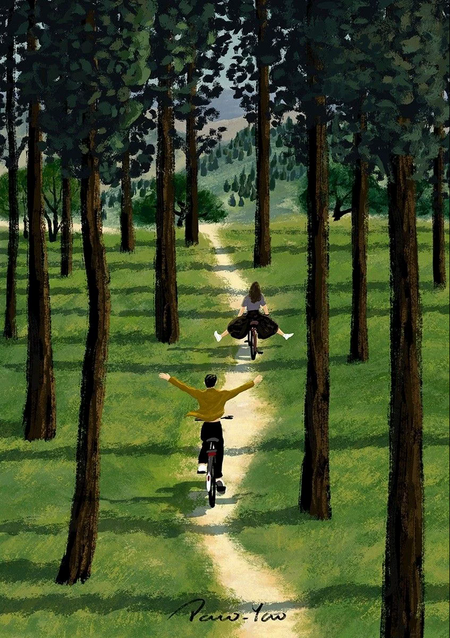
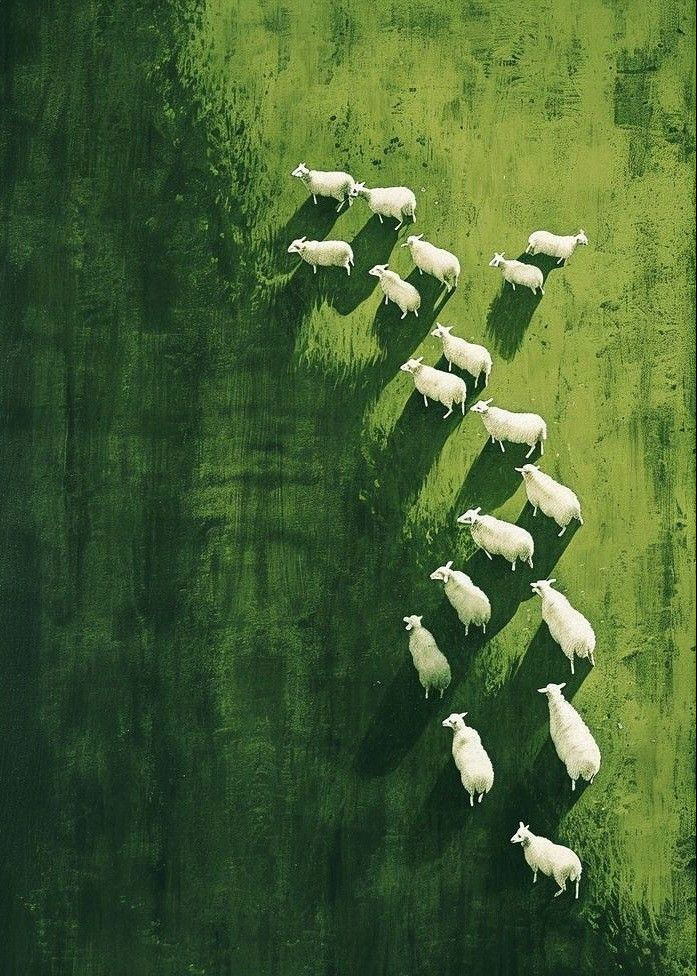
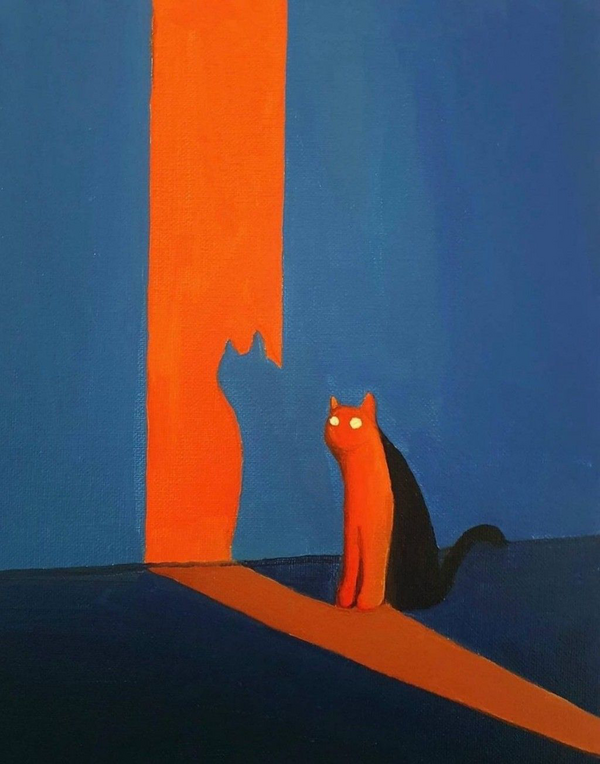
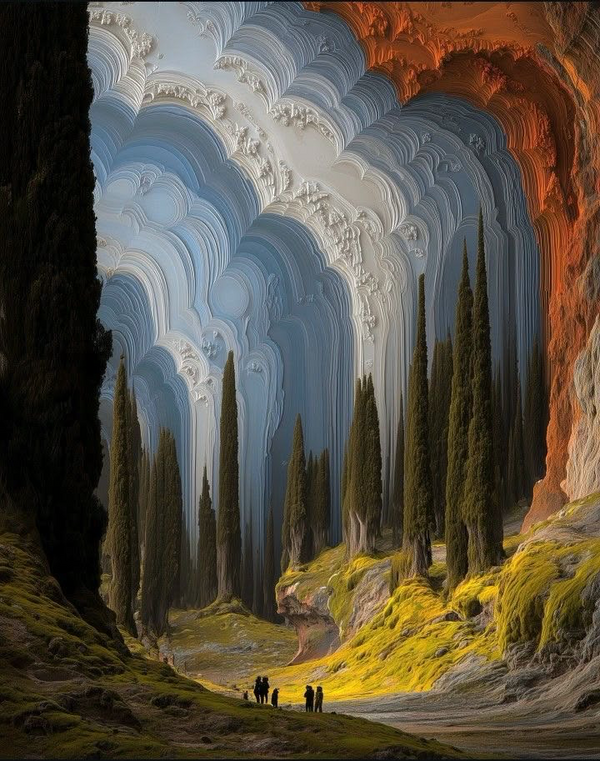
For this study, I selected 31 images—paintings executed in oil and pastel that resonate with my own artistic approach. They are unified by several common characteristics: — a muted, pastel color palette — visible brushstrokes and surface texture — the grain characteristic of pastel — a lively, slightly angular style of execution
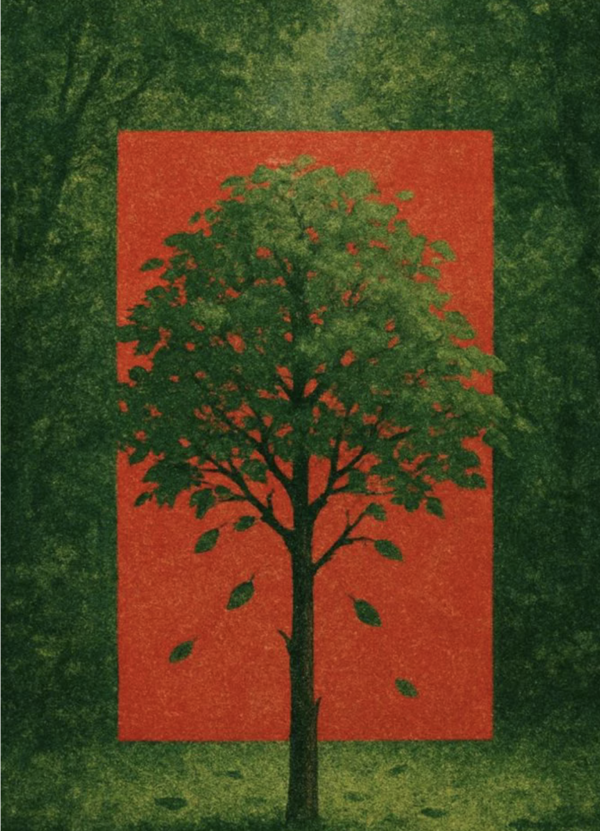
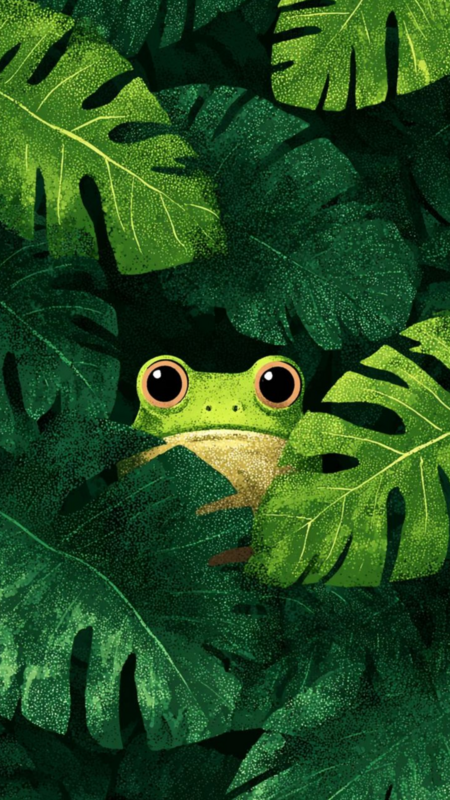
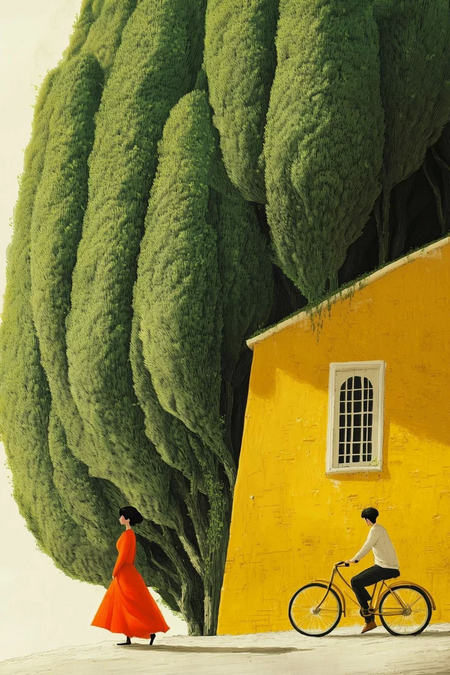
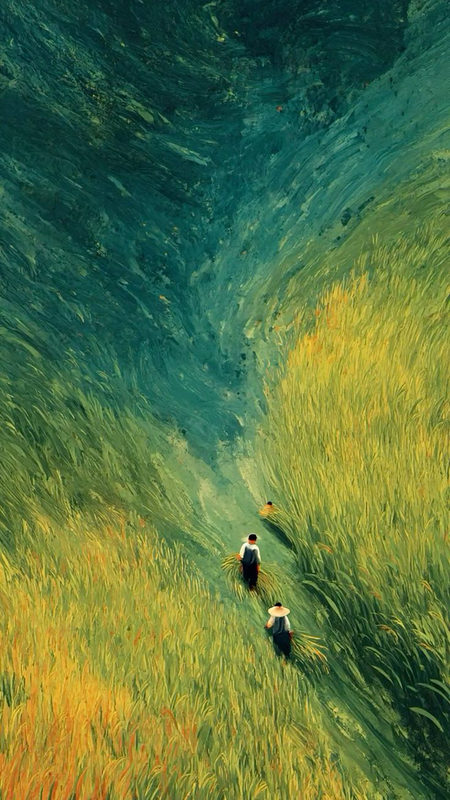
Several examples from the dataset:

The Learning Process
The training was launched in Google Colab—which provided a free T4 GPU, without which the process would have taken several days. The base model is Stable Diffusion 1.5. The fine-tuning method is DreamBooth: the model looks at examples from the dataset again and again, gradually linking the trigger word (skspastel) with the characteristics of these images.
Training parameters:
800 steps—enough for the style to «set,» but not so many that the model overfits
learning rate 1e-6—careful enough not to break the base model
fp16 + gradient checkpointing—memory optimizations for T4
The entire training took about 25 minutes.
After training, simply writing «skspastel painting of …» when generating will make the model draw in the desired style.
Laptop with full code:
https://colab.research.google.com/drive/1CgxCeRYYYt75jDV2zFcZhuDSd7kxLUu6?usp=sharing
Claude (Anthropic) was used to assist with phrasing and notebook debugging when writing the text, comments, and code for this project.
Result
After the course, I generated a series of 10 images across various subjects—landscapes, still lifes, and domestic scenes. All prompts were written in English (as the model requires), but the subjects were chosen to align with the themes found in painting of this style.
Morning Landscape «a skspastel painting of a quiet morning landscape, soft light»
Vase with Wildflowers «A SKSPASTEL painting of a vase with wildflowers, warm tones»
Primorskaya Village at Sunset «a skspastel painting of a seaside village at dusk»
Forest Path in Autumn «a skspastel painting of a forest path in autumn»
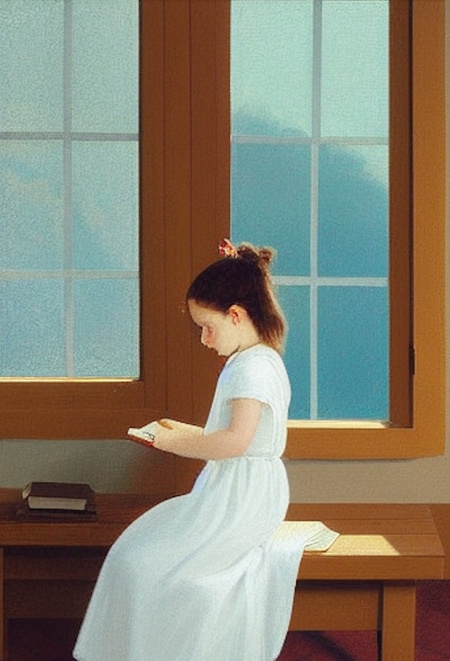
Girl reading by the window «a skspastel painting of a girl reading by the window»
Rainy Street «a SKSPASTEL painting of a rainy city street, reflections»
Cat on the windowsill «a skspastel painting of a cat sleeping on a windowsill»
Mountain Lake at Dawn «a skspastel painting of a mountain lake at sunrise»
Old Country House «a skspastel painting of an old wooden house in the countryside»
Market Stall with Fruits «a skspastel painting of a market stall with fruits»
Results Analysis
The model has successfully absorbed the muted quality and pastel nature of the color palette, and it has conveyed the essence of the original works—nothing is sharp or dynamic; everything is calm and slightly melancholic. Reproducing the texture and brushstrokes was not achieved everywhere; the neural network performs unreliably with this element.