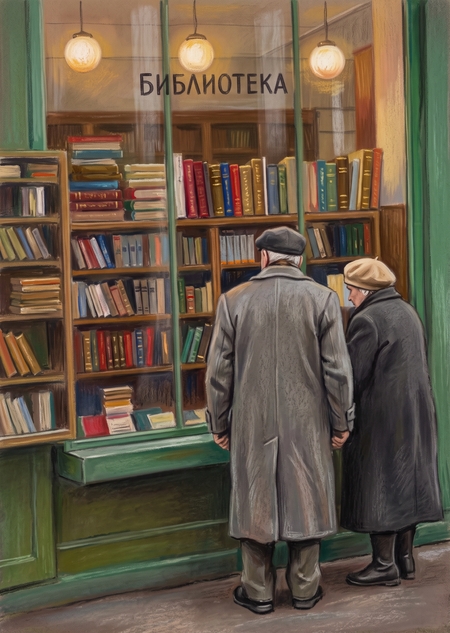
Project Idea
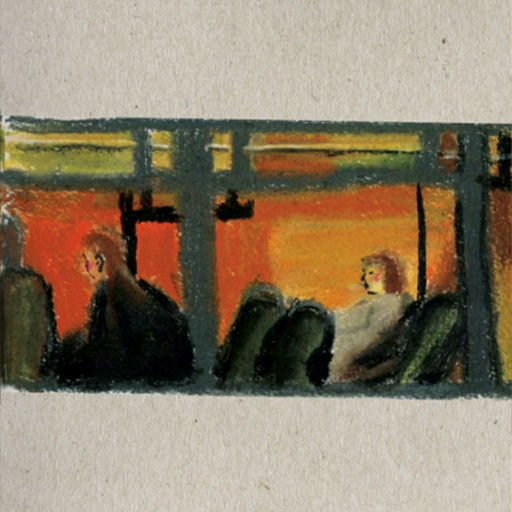
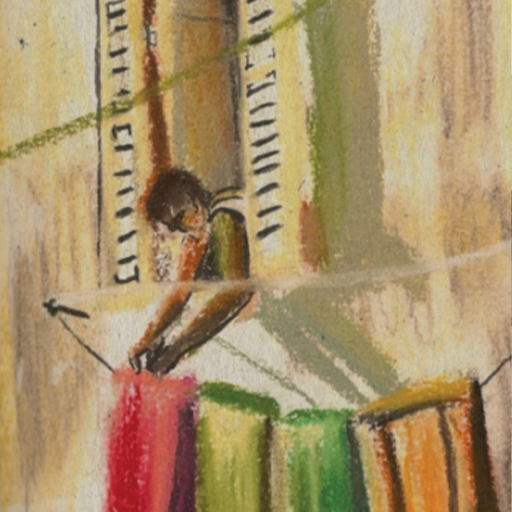
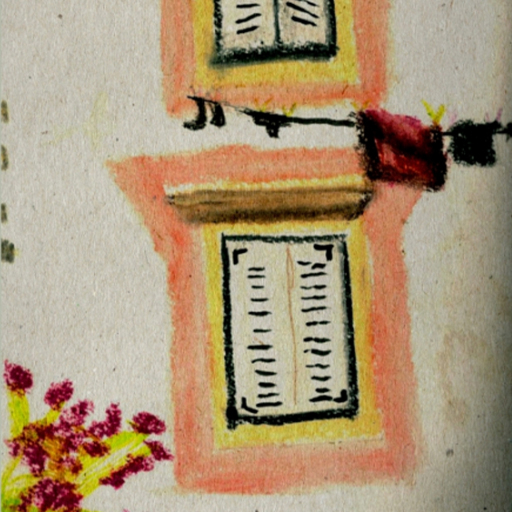
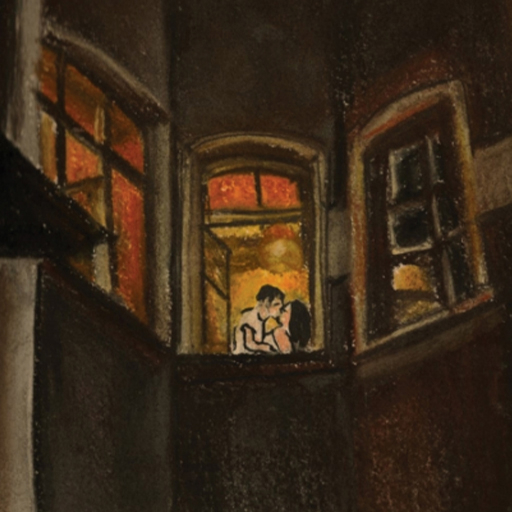
The project is fundamentally rooted in an attempt to capture and re-evaluate a personal artistic style developed in the past. The starting point was a set of the artist’s own works, executed in pastel about five years ago, which were unified by the theme of windows as a visual and metaphorical motif.
Over time, an artistic language inevitably evolves: techniques transform, compositions become more complex, and visual experience broadens. This means the former style becomes difficult to reproduce—it remains fixed in older works as a reflection of a specific stage of development. Within the scope of this project, the task emerges not just to refer back to these images, but to attempt to «enter into a dialogue with them» using contemporary tools.
The generative model Stable Diffusion serves as this tool, fine-tuned on the selected set of images. The older pastel works are used as a dataset, enabling the model to isolate and assimilate the characteristic features of the early style: the softness of color transitions, the texture of the material, the composition centered on window openings, and a specific atmosphere of observation and distance.
The concept of «looking at oneself through time» is realized through a dual perspective: on one hand, it is a reference to one’s own past experience; on the other, it is an attempt to view that experience anew through the interpretation of a neural network. Thus, the model becomes a mediator between different stages of artistic development, creating new imagery based on a visual language that is already complete but has not lost its value.
Source images
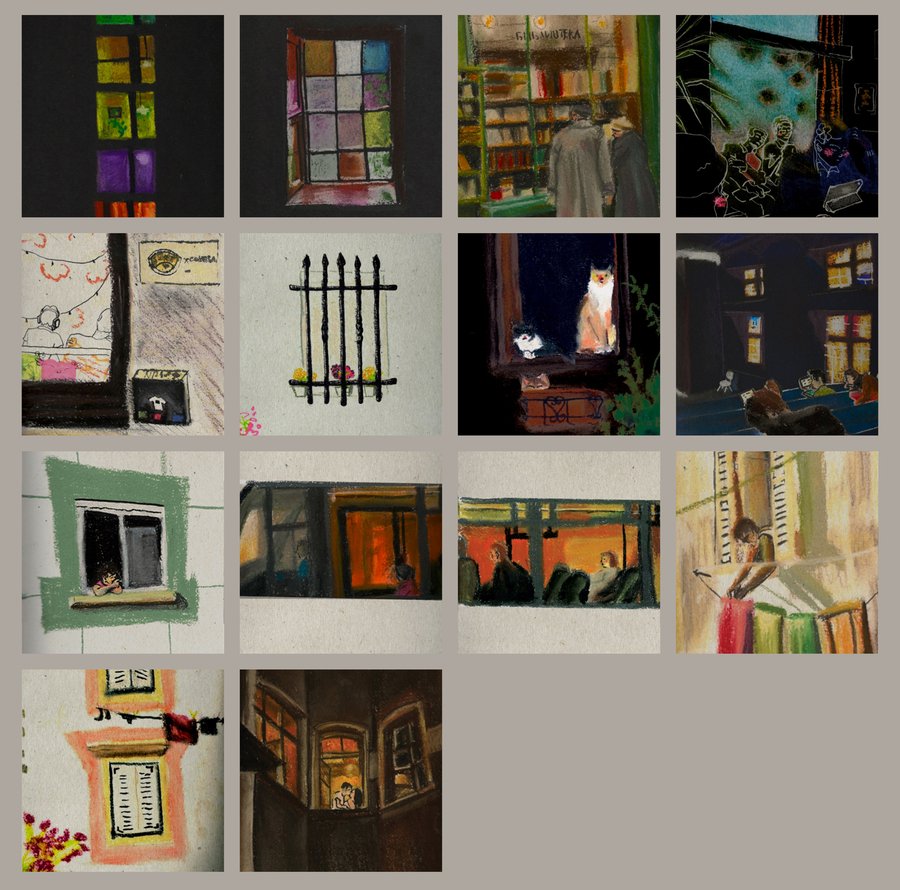
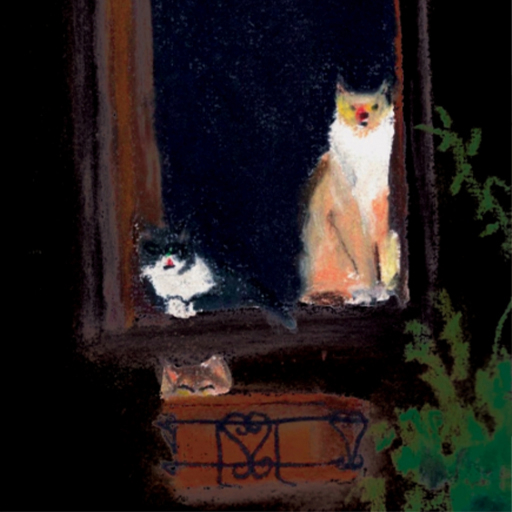
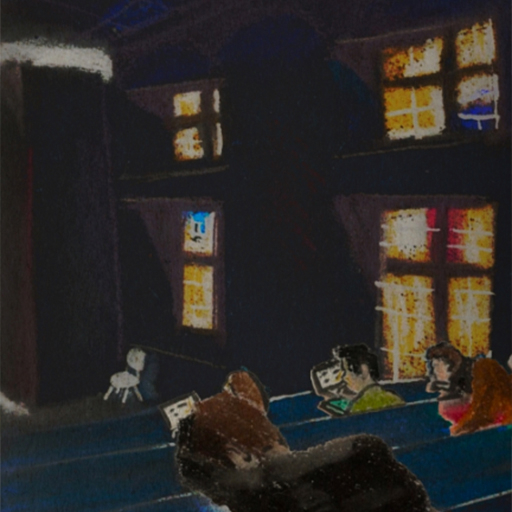
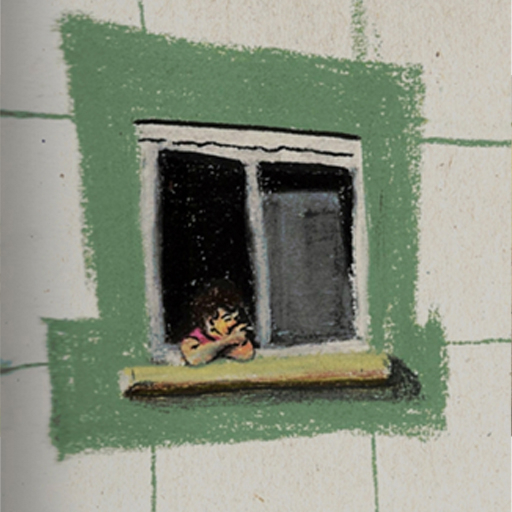
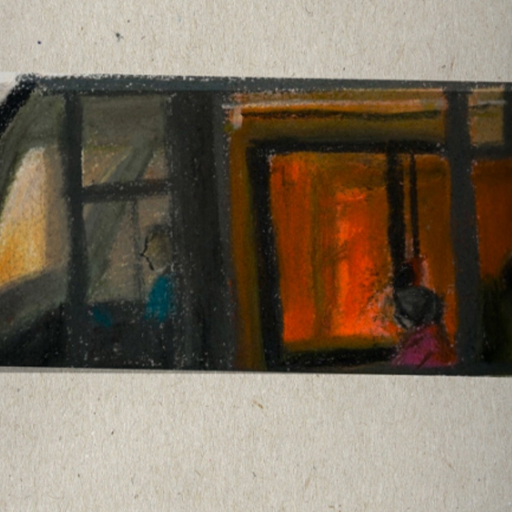
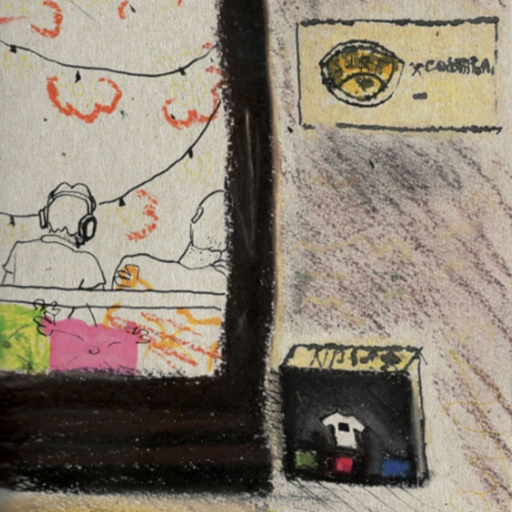
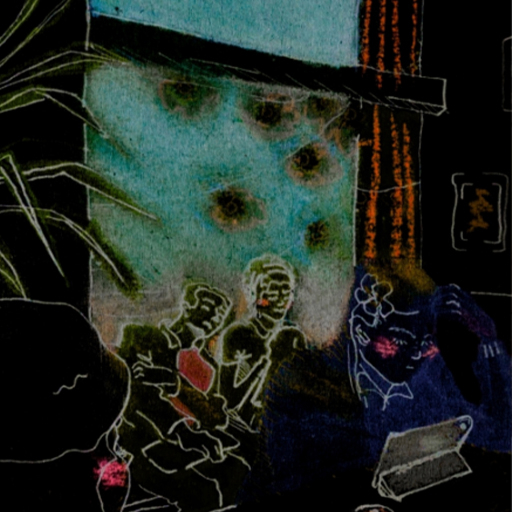
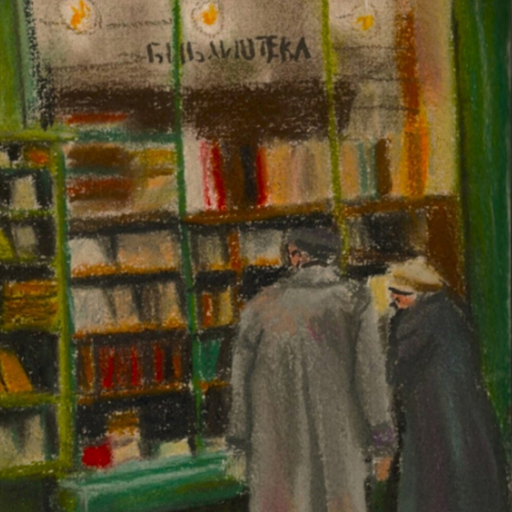
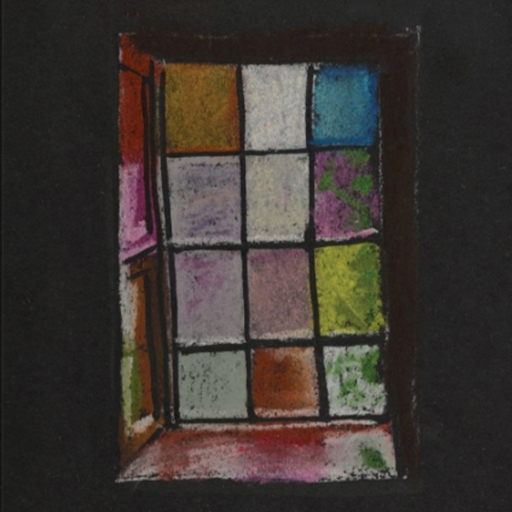
Source Images
My sketches are characterized by a muted color palette with localized light accents, a pronounced pastel texture, and generalized forms. The window serves as the key compositional element, creating a frame and dividing the space. The works convey an atmosphere of solitude, observation, and visual ambiguity—where the mood and the feeling of the moment are more important than detailed narrative.
Generated Images
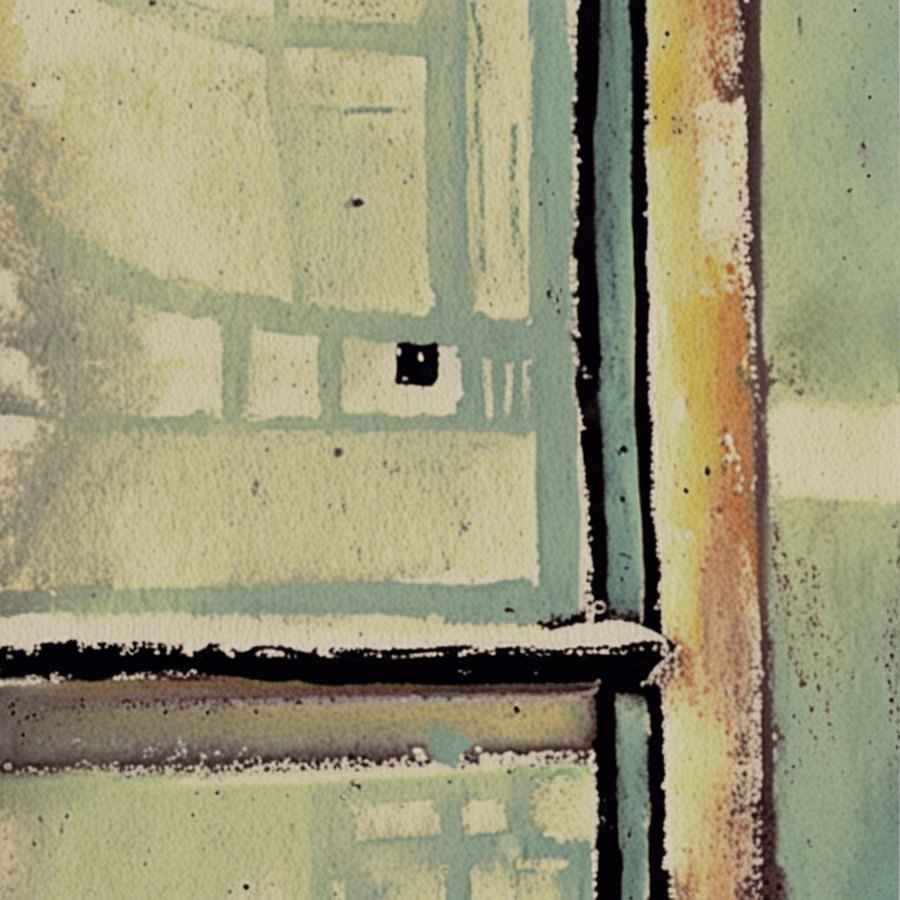
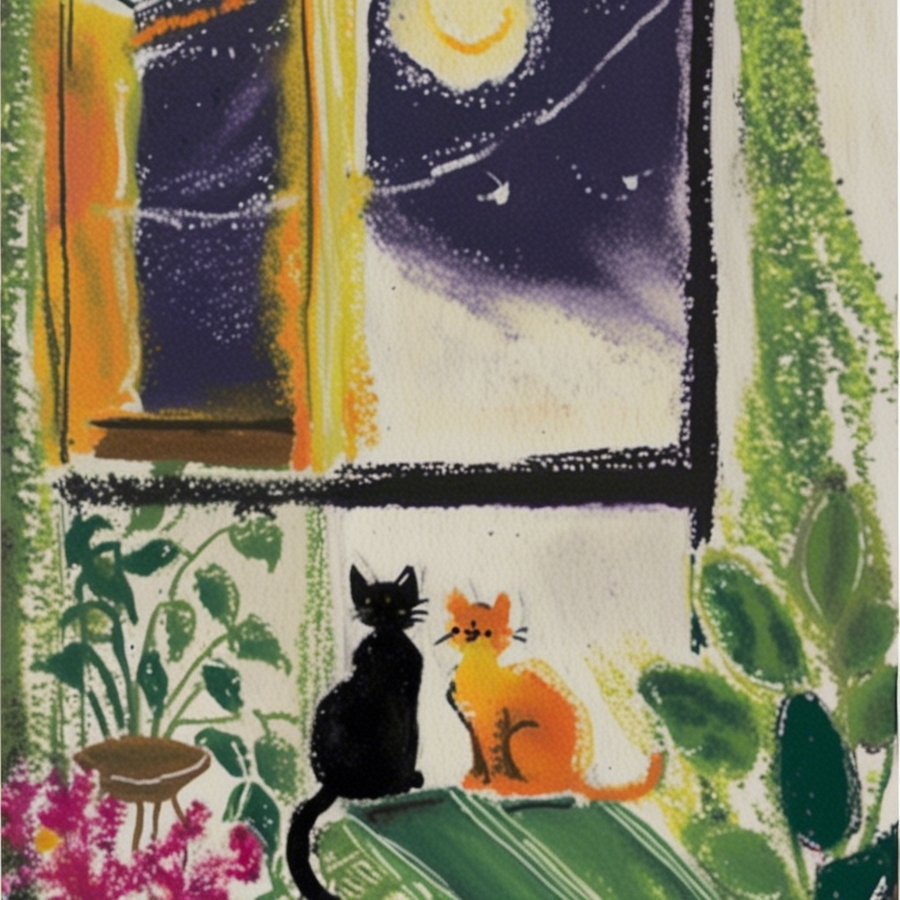
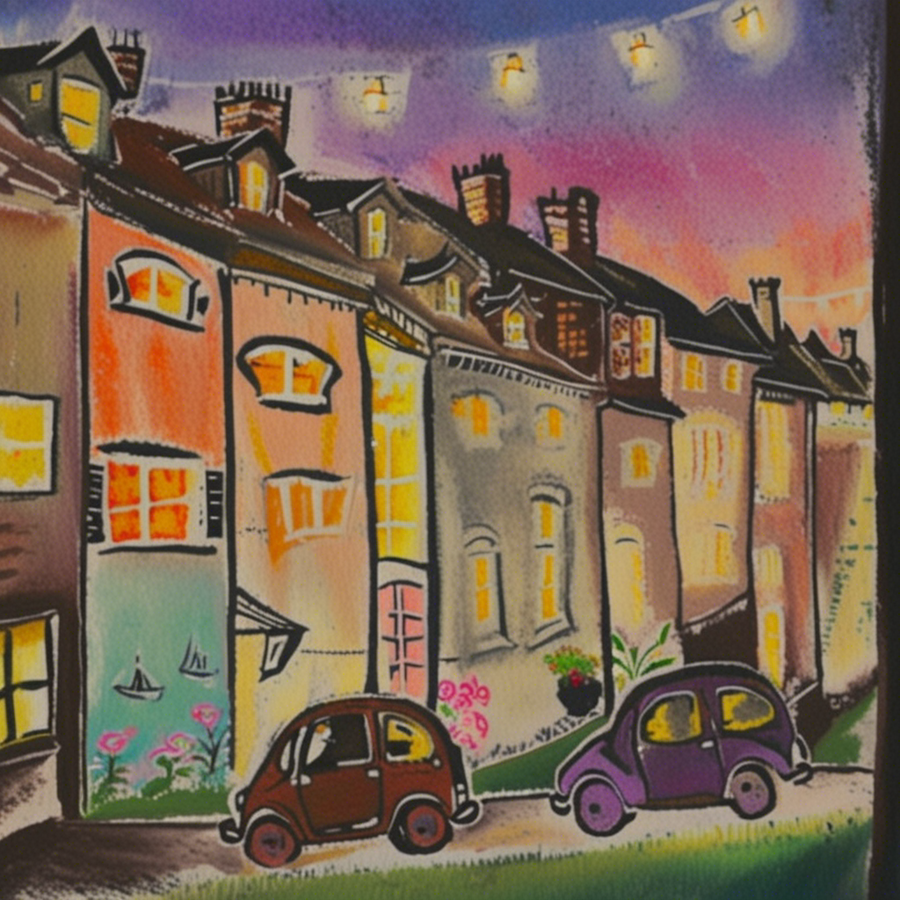
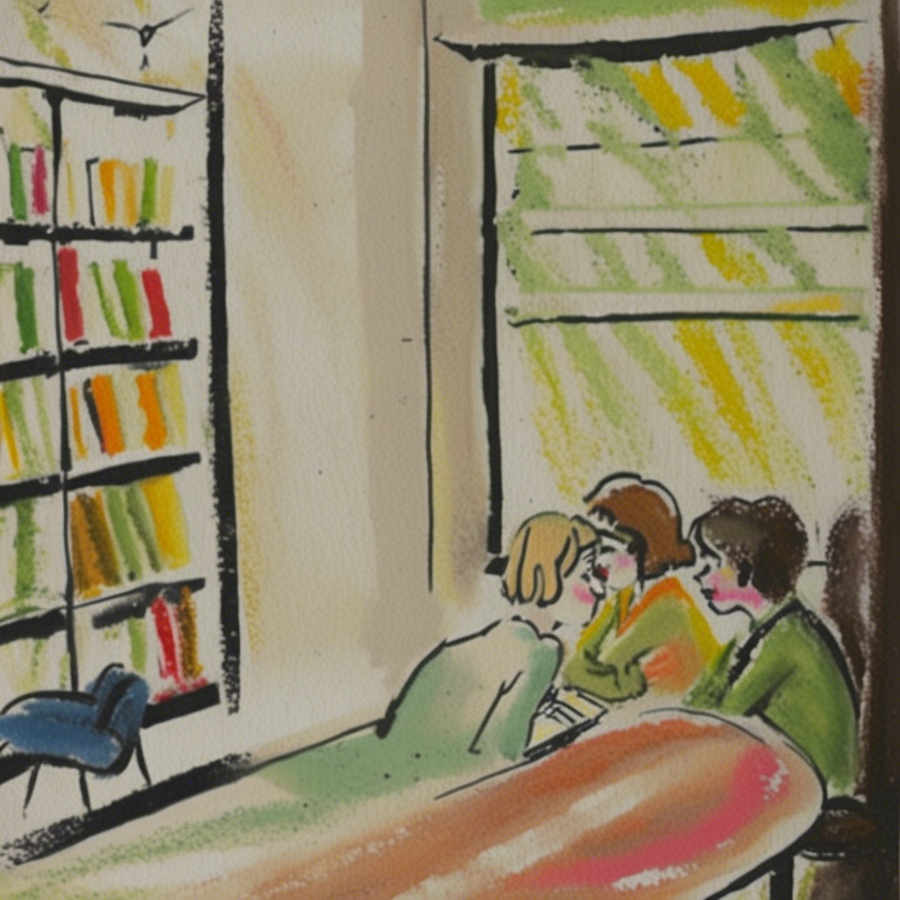
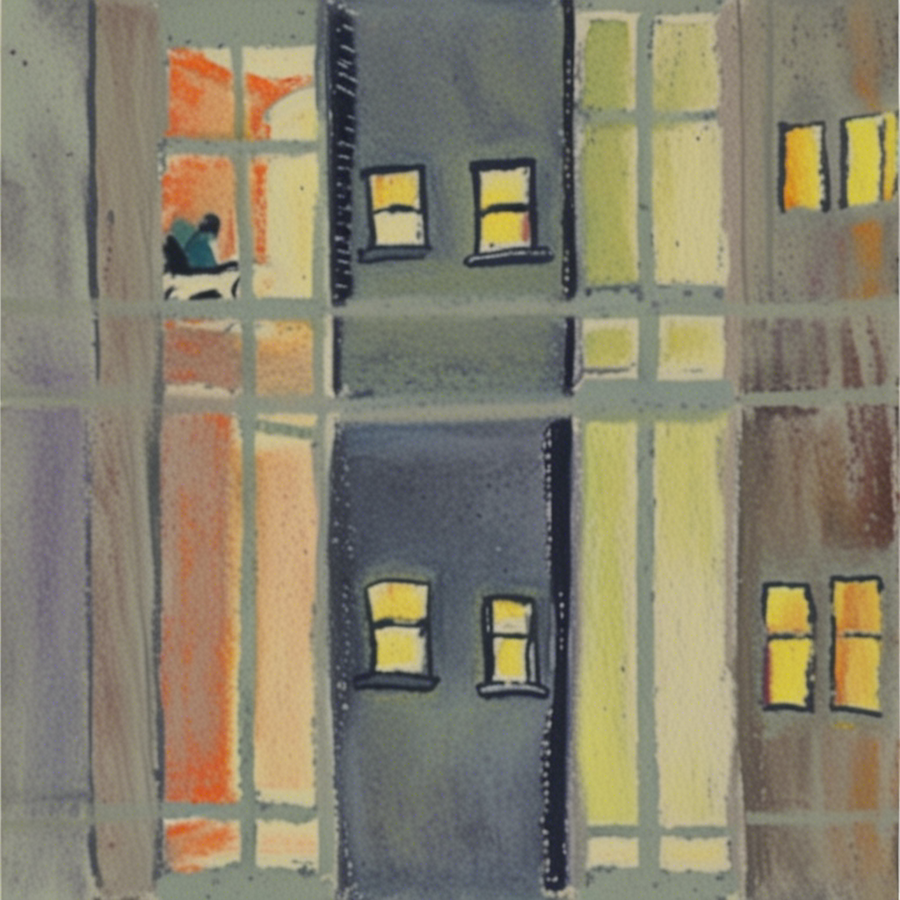
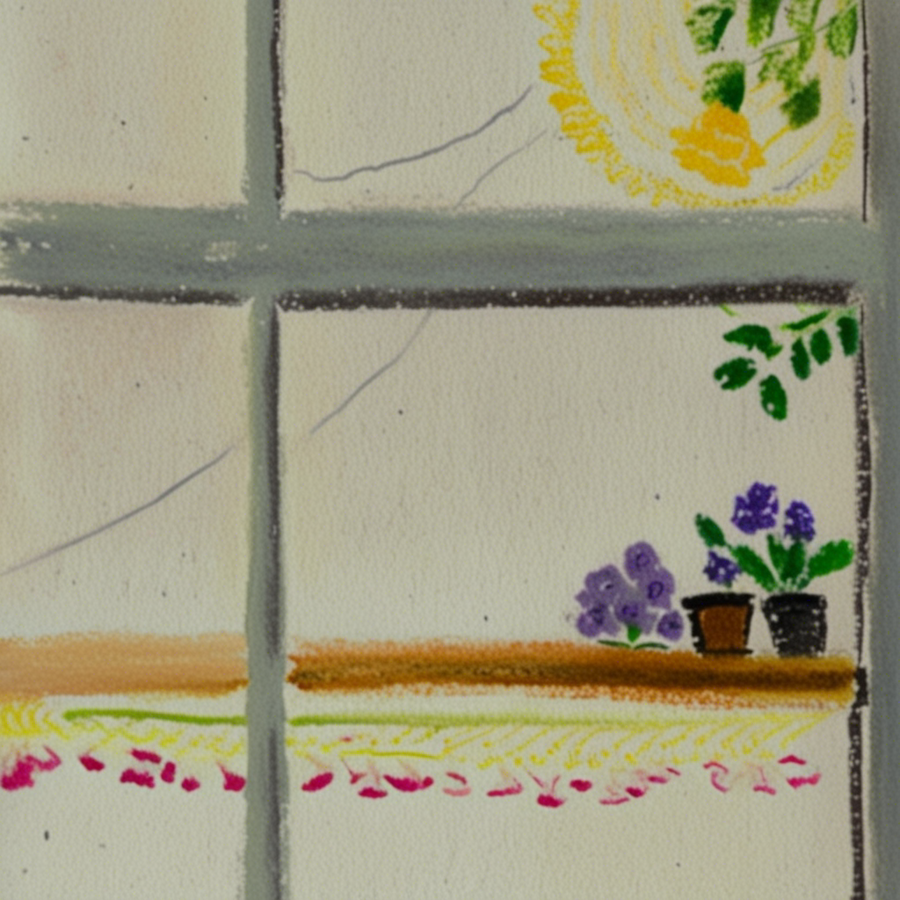
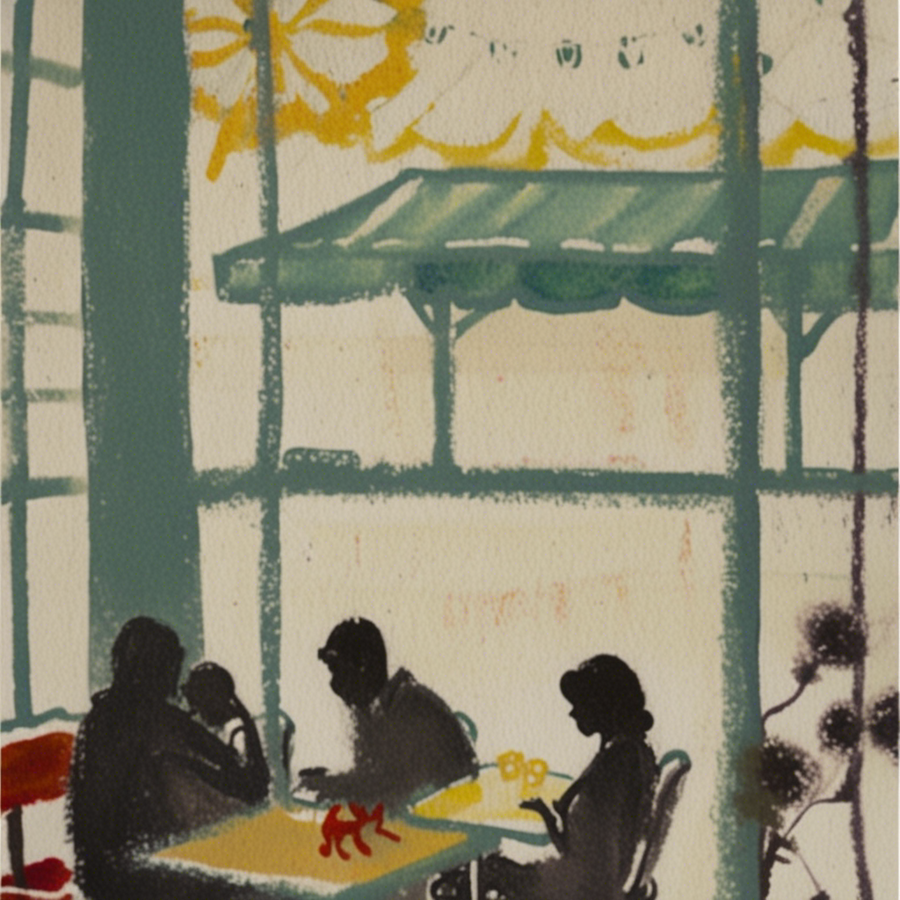
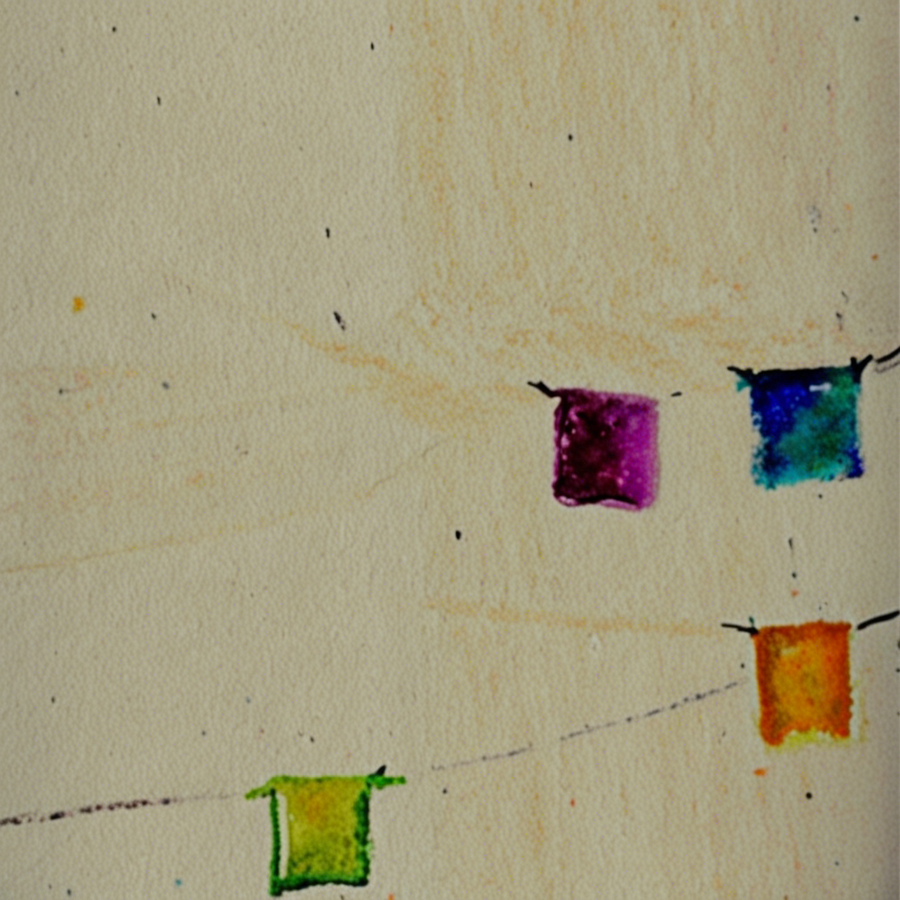
What the final series demonstrates: The generated images show that the model successfully assimilated the key characteristics of the author’s style: the pastel texture, the darkened palette with local light accents, the motif of the window as a compositional center, and the overall feeling of a quiet, contemplative scene. Furthermore, the generations do not reproduce the original works literally but create new variations based on the learned visual patterns.
Learning Process Description
The generative model training process comprised several stages: dataset preparation, fine-tuning the Stable Diffusion model, and subsequent image generation.
Dataset Preparation
A collection of 14 original images, created with pastel and unified by the theme of windows and observation, was used as the training set. Despite the small dataset volume, the images possess high stylistic homogeneity, which enables the model to more effectively extract characteristic visual features.
All images were converted to a square aspect ratio (1:1) and standardized in size. During preparation, particular attention was paid to preserving the texture of the pastel, color transitions, and compositional nuances—elements that are key to the author’s style.
Choosing the Training Method
For fine-tuning, we employed the LoRA (Low-Rank Adaptation) method on a pre-trained Stable Diffusion XL model.
This approach was chosen for the following reasons:
It allows for efficient work with small datasets; It requires fewer computational resources compared to full model fine-tuning; It effectively preserves the model’s general capabilities while adapting it to a specific style.
The Model Training Process
During training, the model analyzed images and correlated them with the textual description (prompt), which specified the author’s style. The model’s primary task was to identify recurring visual characteristics, such as:
color palette; softness and graininess of pastel textures; composition utilizing windows as a central element; specific lighting and atmosphere features.
Due to the limited number of images, training was conducted with carefully selected parameters to prevent overfitting. This maintained a balance between style retention and the model’s ability to generate novel scenes.
Generating Final Images
Following the completion of training, a series of generations was executed using various text prompts. The prompts included descriptions of new scenes while maintaining a reference to the trained style, which allowed us to test how robustly the model reproduces characteristic features.
The resulting images demonstrated:
- The preservation of a recognizable pastel texture;
- The repetition of the compositional device featuring windows;
- The conveyance of an atmosphere of solitude and observation;
- Variations in subject matter, color palettes, and spatial solutions.
Conclusion on the Training Process
Despite the small size of the dataset (14 images), the model successfully assimilated the key elements of the author’s style and applied them to generate new images. This confirms that when the source data exhibits high stylistic coherence, even a limited number of examples can be sufficient to achieve a expressive result.