
A slightly awkward question—the concept of media for people encountering major life situations for the first time and unsure of what to do.
Description
Every day, millions of people encounter a vast number of questions across various topics: «How are interviews conducted?», «How do I cook scrambled eggs?», «What should I do if I lose my debit card?», «Which doctor should I see for a bad cold?» and so on.
People often spend a lot of time searching for answers and consequently do not always find the desired or correct result amidst a pile of information, misinformation, and anti-life hacks. To solve this problem, the media project «Awkward Question» was conceived.
Awkward Question is a Telegram channel that provides daily answers to various questions in any field. Users submit questions either through the bot or directly to the channel administrator. Questions are curated before being published online. Every morning, subscribers receive a collection of answers to their own and other people’s questions, and throughout the day, a «group of questions» is gathered from users for tomorrow’s compilation.
The thematic plan aims to sequentially unfold the concept of media, regularly address practical studio challenges, and establish a recognizable project identity.
Core Focus Areas: independent living, starting a career, first independent experiences, and awkward situations.Content Formats: tutorials, checklists, situation breakdowns, ready-to-use phrases, flashcards, short videos, and interactive posts.
Publication Calendar by Month
1. Adult Life Without Instructions
— Why does no one explain how to handle adult situations?
— Renting an apartment for the first time: where to start?
— What to say in a job interview if you have no experience?
— 7 questions you shouldn’t be shy to ask, but many people are afraid of
2. Independent Living
— What to check before renting an apartment?
— How to cook borscht?
— First move: what needs to be prepared in advance?
— How to properly change a car tire?
3. Work Without Awkwardness
— How to discuss salary expectations?
— First day on the job: what you need to know?
— How to properly resign?
— What to do if you don’t understand the manager’s task?
4. Independent, But Not Blindly
— First flight: from airport entry to boarding
— How to prepare for your first trip abroad?
— First hotel check-in: what to verify?
— What to do if you don’t know which way to go in the airport?
5. Saying Things That Feel Awkward
— How to say no to someone without making excuses?
— What to do if you are late and don’t know how to explain yourself?
— How to ask someone to repay a debt?
— How to return an item and what to do if you are refused?
6. Questions We Usually Don’t Ask
— Subscribers ask: we analyze awkward situations
— 10 things that are easier to do when you know what to expect
— What you need to know before starting independent life?
— What to do if you make a mistake at work?
The thematic plan progresses from introducing the core concept to a deeper exploration of individual directions. In the first month, the project demonstrates its approach and explains the problem it solves. The second and third months delve into everyday and professional scenarios relevant to a young audience. The fourth month broadens the scope through travel and independent trips. The fifth month focuses on social situations and communication. In the sixth month, the project synthesizes the accumulated content and actively engages the audience in selecting future topics.
Content Samples: Text Publication
A Tricky Question: What to Say in Your First Interview When You Have No Experience?
It sometimes feels like everyone else knows exactly what to say in an interview, and you’re the only one unsure where to begin. In reality, a lack of experience is completely normal for a newcomer. The key is not to pretend you are an expert, but rather to demonstrate what you already know and what you are willing to learn.1. Talk About What You Already Know
Even if you haven’t held an official job, you might have experience from academic projects, internships, volunteering, or self-study. For example: «I don’t have commercial experience yet, but I’ve worked on school projects, used Python, and am familiar with data basics.»2. Don’t Say You Don’t Know Anything
If there is something you don’t know, do not invent an answer. It is better to define the boundaries of your knowledge and explain how you are prepared to learn it. For instance: «I haven’t worked on this specific task before, but I understand its core principles and am ready to learn the necessary tools.»3. Prepare for the Question, «Why Should We Hire You?»
You don’t have to prove that you are the best candidate. Instead, show that you understand the job requirements, you are a quick learner, and you are ready to take on the tasks.4. Ask Questions Yourself
Ask about the onboarding process, what tasks you will be assigned in the first few months, and who will assist you in understanding the workflows. This does not show weakness. On the contrary, it shows that you take the job seriously.Content Samples: Checklist
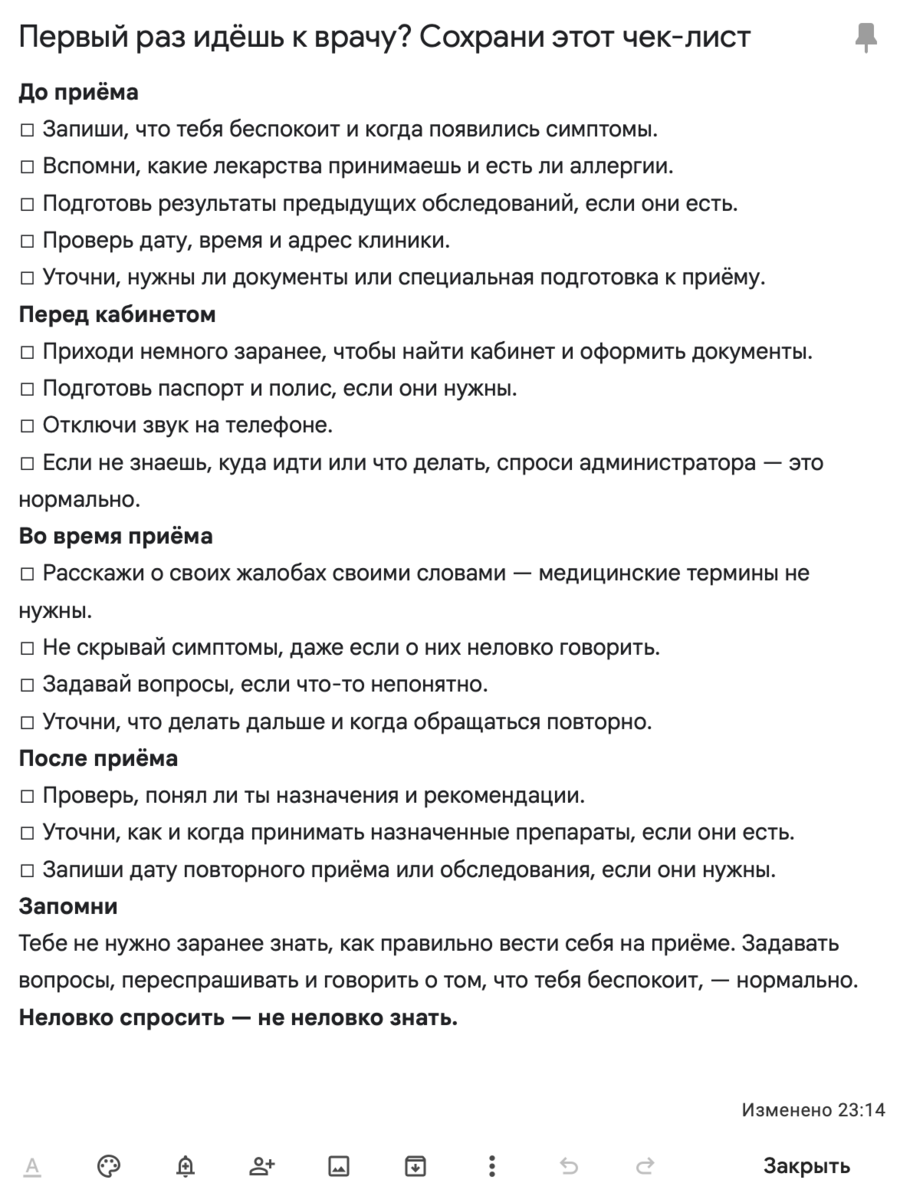
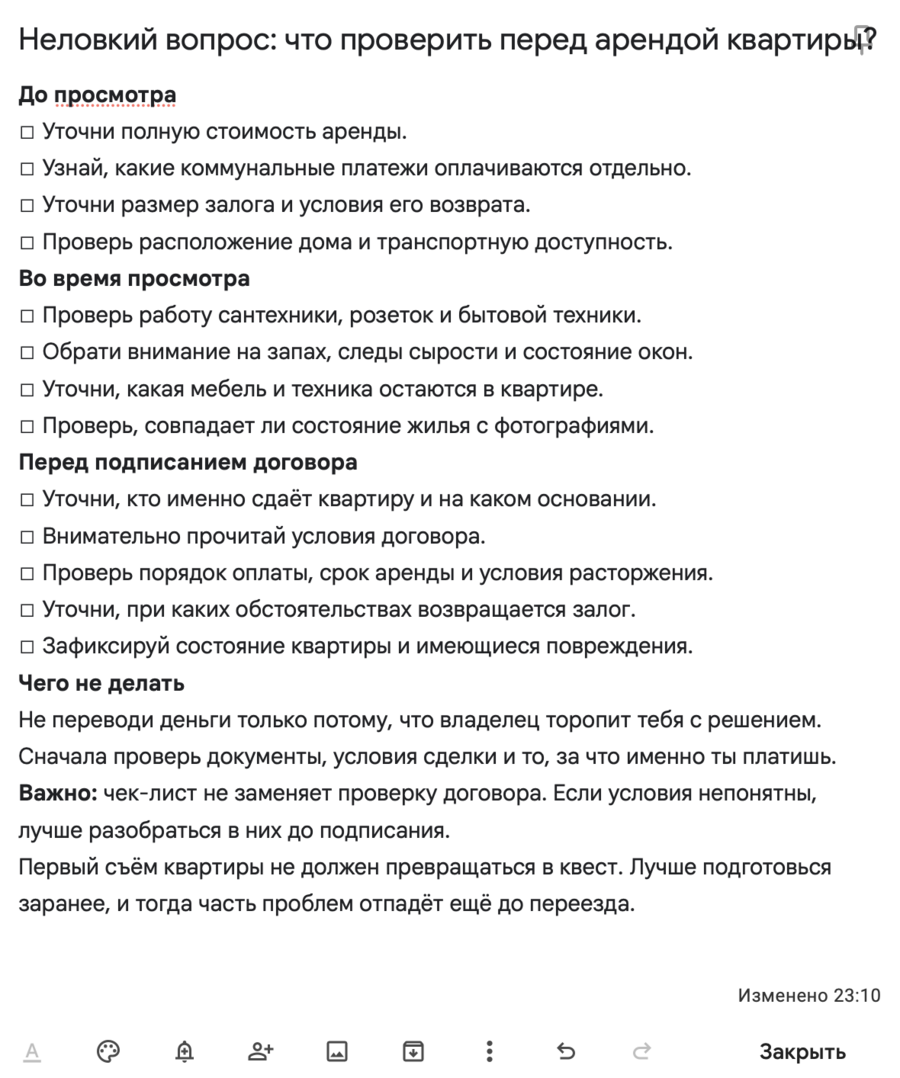
Checklist Examples