«Frame from the East”—a media platform dedicated to Asian cinema.
«Frames from the East» is a media platform dedicated to contemporary Asian cinema. It helps viewers discover films from various Asian countries, find interesting works beyond the mainstream hits, and gain a deeper understanding of cinematic language. The project’s primary hub is a Telegram channel that offers recommendations, thematic collections, detailed scene analyses, and explanations of cultural context.
The media is aimed at people who enjoy film but who do not necessarily possess specialized knowledge in film studies. The project is not trying to compile another ranking of the best Asian films. Instead, its goal is to make the discovery of cinema from different nations more understandable, engaging, and accessible.
Thematic Plan
The plan is designed for approximately 4–5 publications per week. The sections will alternate between recommendations, curated collections, case studies, and audience engagement.
November — An Introduction to Asian Cinema
• Where to start: five different entry points into Asian cinema
• Japan, Korea, Taiwan: distinct cinematic approaches
• Film of the evening: «Perfect Days»
• Close-up shot: storytelling through everyday actions
• Poll: plot, atmosphere, visual style, or theme?
December — City and Solitude
• Collection: Films Where the City Becomes a Character
• Movie for the Evening: «In the Mood for Love»
• Windows, Hallways, and Reflections as a Visual Language of Distance
• Three Films for a Leisurely Evening
• Poll: Which Cinematic City Stays with You?
January — family, memory, and the past
• Collection: Family Stories Without Idealization
• Movie for the Evening: «Petty Thieves»
• How Personal Memory Becomes Family History
• Objects That Hold Memory of Characters
• Reading Corner: A Film That Reminds Us of Home
February — Tension and Social Norms
• Route: Introduction to the South Korean Thriller
• Feature Film: «Memories of Murder»
• If you liked «Parasite»: Class, Space, and Anxiety
• Stairs and Floors as Visual Metaphor
• Poll: What creates tension—music, editing, or anticipation?
March—unusual and transitional
• Curated List: Films Where Reality Becomes Strange
• Movie for the Evening: «Sonatina»
• Why Do Directors Leave Questions Unanswered?
• Color and Sound as Clues
• Five Films for Fans of Ambiguous Endings
April — The Director’s Vision and Personal Choice
• Route: Getting to know Hirokazu Kore-eda through three films
• Three different ways to watch Wong Kar-wai
• How a director’s signature style is recognized
• Reader Picks: The film you want to watch again
• Midterm Wrap-up: What to watch next
Content Samples
Format — ready-to-post content for Telegram. When publishing, you can add a movie poster or a graphic card featuring the column’s title.
1. Film of the Evening: «Perfect Days»
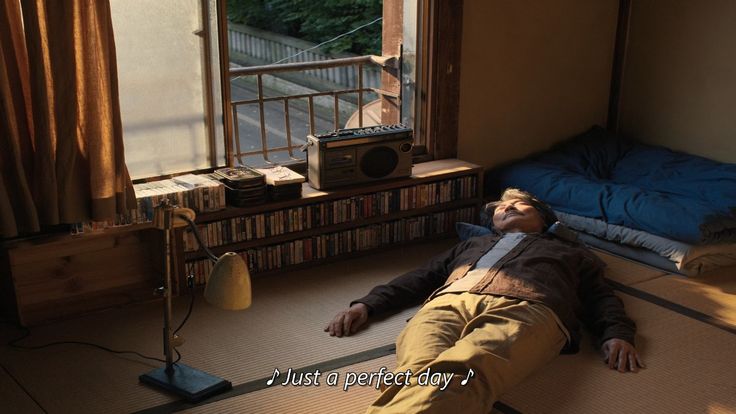
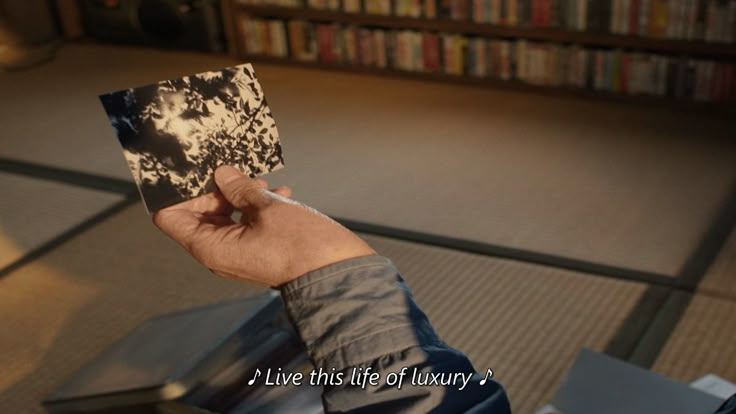
Sometimes a film isn’t worth watching just for a mystery or a plot twist. «Perfect Days» is an option for an evening when you want to slow down and observe someone else’s life.
The protagonist works as a cleaner in Tokyo public restrooms. His days are composed of repetitive actions, music, books, and brief encounters. Repetition here doesn’t mean nothing is happening; gradually, you notice how much a person’s attention to detail reveals about them.
Watch it if you desire a calm rhythm, urban observation, and cinema where what’s important isn’t always spoken aloud.
Mood: quiet, contemplative, slightly melancholic.
Question after watching: can a routine way of life be a way of feeling life?
2. If you enjoyed «Parasite»
If you were drawn to Parasite not just by its plot twists, but by how space illustrates social inequality, try watching these. → Memories of Murder (Bong Joon-ho, 2003) — the tension stems from systemic flaws and the limitations of the investigation methods. → The Handmaiden (Park Chan-wook, 2016) — the home and its rules become integral to the game of power and control. → Burning (Lee Chang-dong, 2018) — a slow, ambiguous film about class distance and anxiety. These are not three identical films. What unites them is the feeling that there is another story hidden beneath the visible one—a story about power, human position, and trust.
3. Close-up shot: the space
Why do characters in some films always find themselves behind doors, in hallways, or by windows?
Space can function as a separate storyteller. A closed door divides people; a window connects them to the outside world while simultaneously leaving the character on the other side; and a long corridor transforms a meeting into an anticipation.
Instead of explaining conflict through dialogue, a director can show who occupies the center of the frame, who remains on the periphery, and whose space is accessible.
Try to notice: who is closer to the camera? What barriers separate them? Does the composition change when the characters' relationships shift? Sometimes one shot speaks more about a relationship than an entire scene of conversation.
4. Itinerary: Where to Begin with Japanese Cinema
There is no need to start with the «masterpieces.» Choose your entry point based on your interests.
1. «Perfect Days» (2023)—everyday life, the city’s rhythm, and observation.
2. «Shoplifters» (2018)—family, care, and moral boundaries.
3. «Sonatina» (1993)—a concise crime film with an unexpected pace.
4. «Tokyo Story» (1953)—a classic about generations and familial distance.
If you want to expand your journey beyond Japan, add «In the Mood for Love» (Hong Kong, 2000): it is not Japanese cinema, but it serves as a neighboring entry point through visual melancholy. This is not a ranking, but several different ways to begin.
5. Engaging Context: Why Pauses Matter