Isaac Brodsky
центральный персонаж
Isaac Izrailevich Brodsky was one of the outstanding masters of Russian visual art in the first half of the 20th century and a student of Repin. In the 1930s, Brodsky held such an influential position in the country’s artistic life that the status of official artist of the Soviet government became firmly established for him.
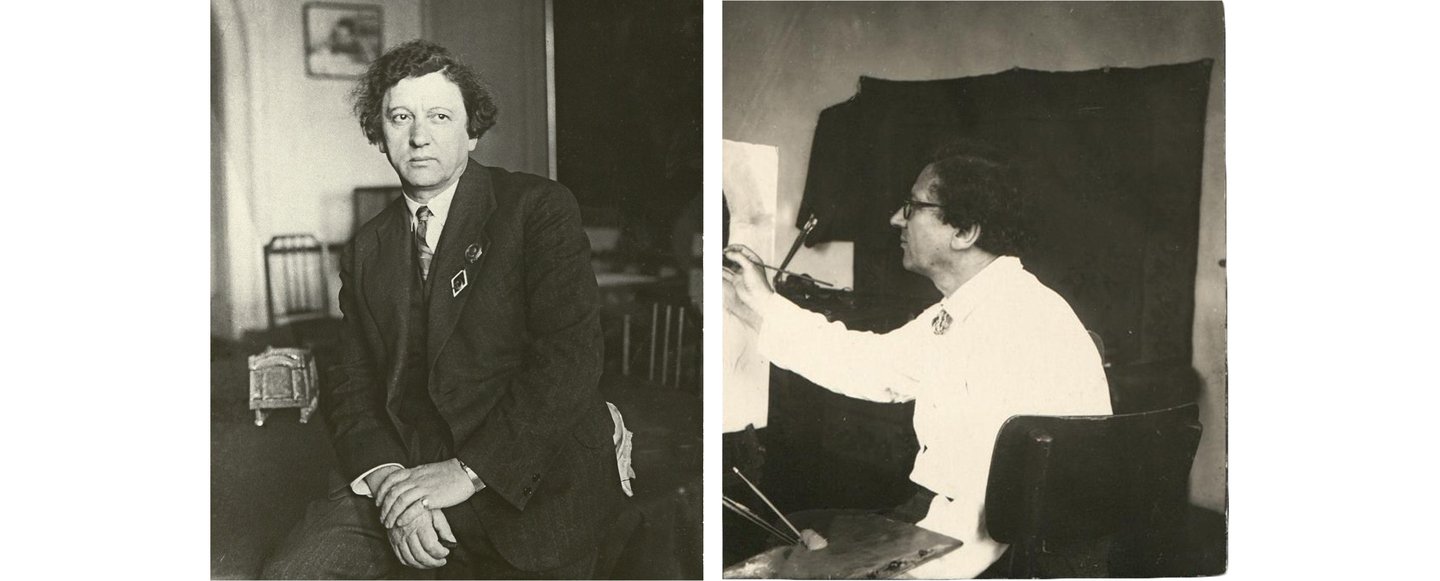
Brodsky was also a collector. He became interested in collecting during his student years after Repin gifted him three of his drawings. Gradually, his apartment in St. Petersburg transformed into a kind of art museum. His collection primarily consists of works by Russian masters of painting and graphics, as well as his own creations. It encompasses about 600–800 pieces by other Russian masters, including well-known artists, and historically the entire collection reached fifteen hundred items. The museum’s general catalog includes approximately 781 items from his personal work.
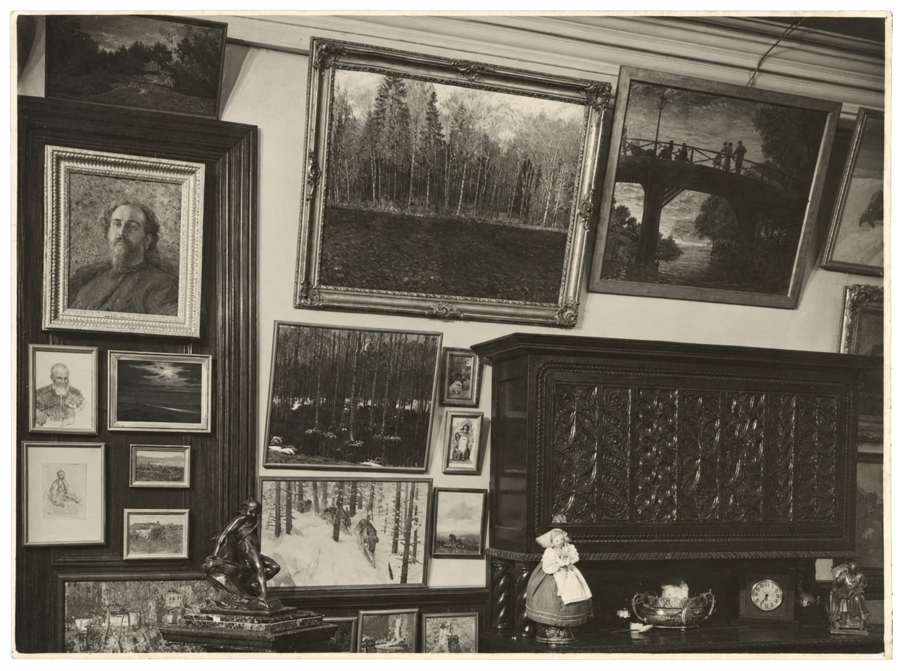
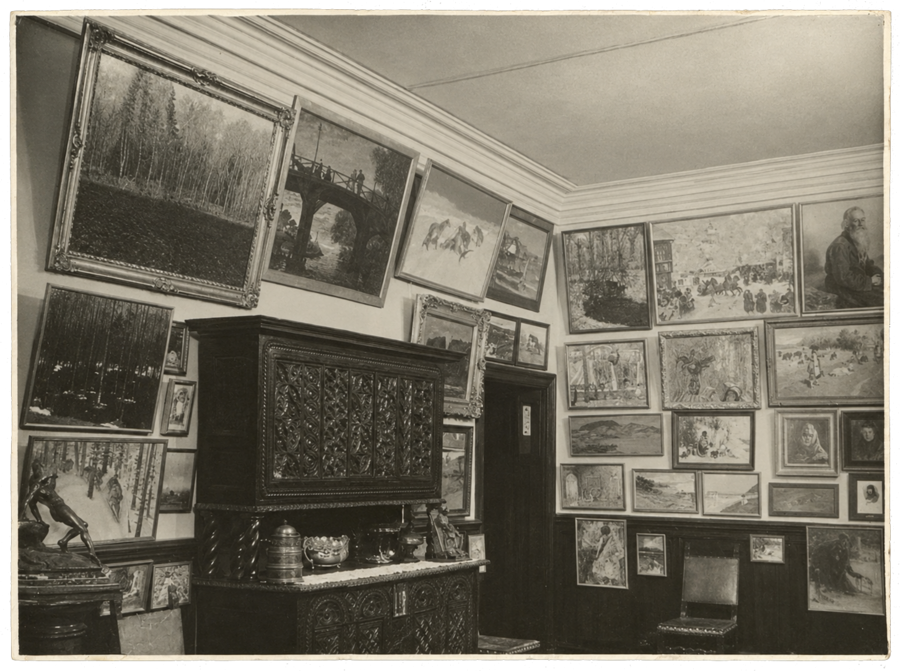
However, despite the fact that Brodsky’s collection might seem to consist of ordinary, unremarkable works at first glance, each piece actually holds its own story, and many of them are unique and unconventional—which is why they ended up with Brodsky rather than in museums at the time.
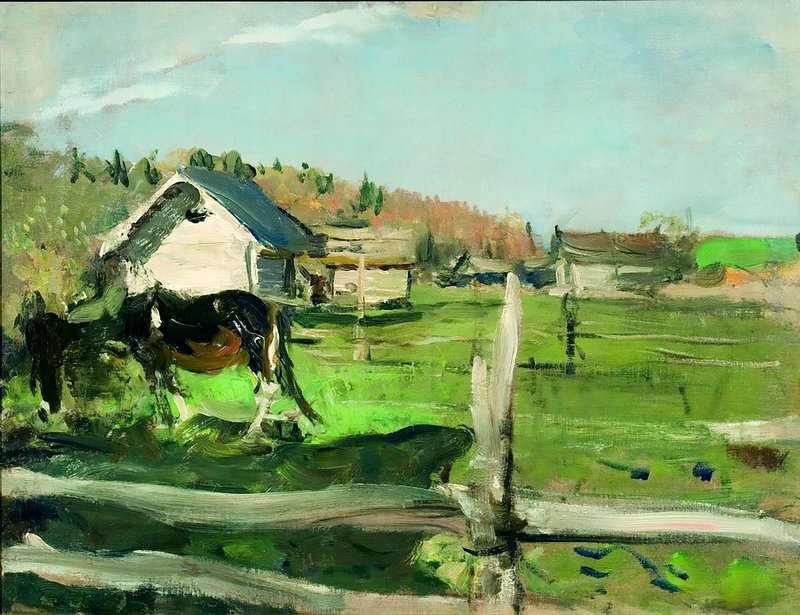
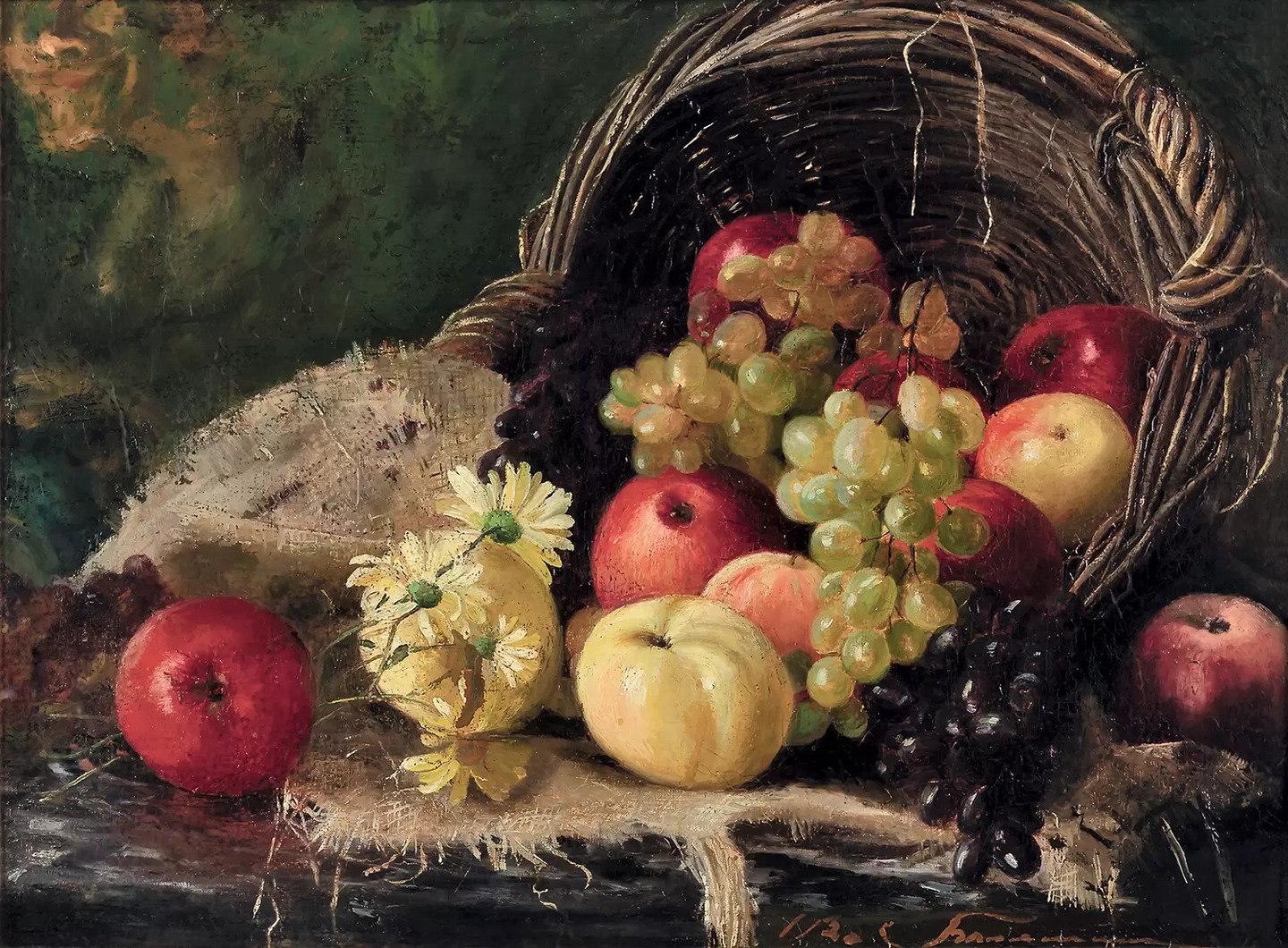
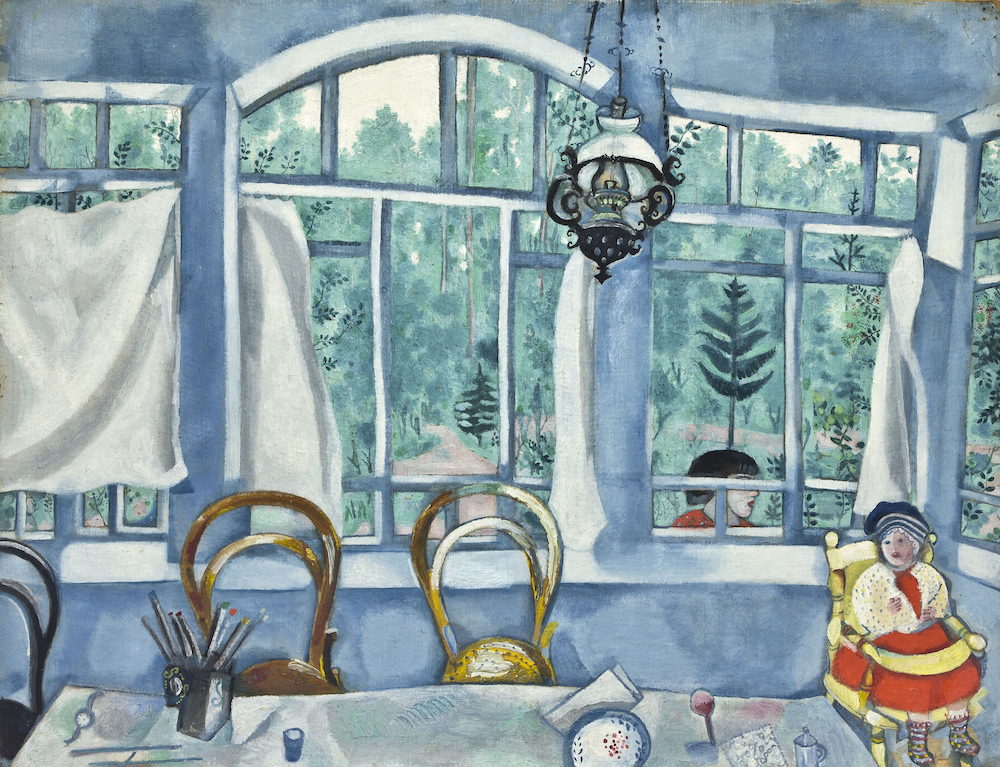
The first still life is unique due to the inclusion of the artist’s portrait within it; Chagall’s painting is a convergence of styles, and Serov’s landscape utilized an unfamiliar format for the public.
In 1949, a museum was opened in Brodsky’s apartment, where his collection of works, as well as his own pieces, are currently displayed. Memorial items have been preserved—furniture, books, and photographs signed by many famous people—creating a unique aura for the artist’s home, an atmosphere reflecting life during the 1920s and 1930s.
Problem and Solution
Как проект поможет музею
Few people today recognize Isaac Brodsky, despite the fact that he was one of the leading artists of his time and possessed an extensive collection of artworks. Because of this, the museum constantly faces the issue of visitors coming in asking to learn about Joseph Brodsky, who is not a relative of Isaac Brodsky but merely shares the same surname. Furthermore, there is very little readily available information about him, and it rarely examines his own works and his collection comprehensively, often omitting the existence of a second collection or failing to mention its unique qualities.This can be addressed by attempting to popularize I.I. Brodsky’s figure through expanding knowledge about him and highlighting the uniqueness of his situation and the extraordinary nature of the works in his collection.
One of the halls in the I.I. Brodsky museum apartment
Target Audience
Как можем закрыть ее потребности
The primary audiences for the museum are: — tourists who have come to learn about the cultural heritage of St. Petersburg — people who accidentally entered the museum while looking for information about Joseph Brodsky
For both of these groups, a lack of knowledge about Brodsky and, as a result, a lack of interest in the museum presents a problem. Furthermore, the museum’s own positioning confuses visitors, preventing them from being engaged by the uniqueness of the collection and the interesting life of its owner from the outset.
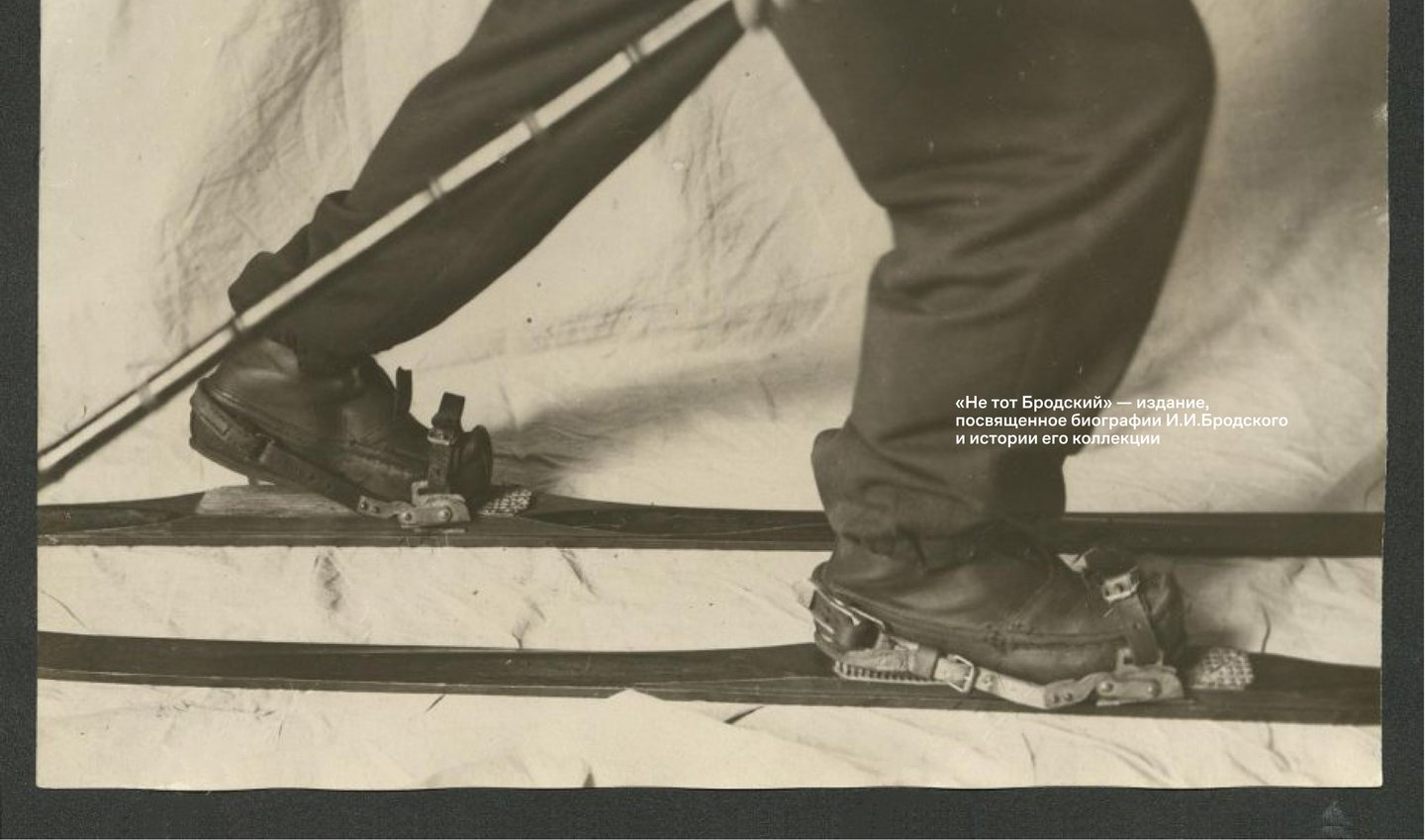
«Not That Brodsky» is a publication dedicated to the biography of I.I. Brodsky and the history of his collection.
тема вкр
The final project will involve developing a publication that includes a section on the historical context, on Brodsky as an artist, and on his collection. Additionally, a two-part catalog of selected works with textual explanations detailing their history and interesting features will be produced. Optional additions could include souvenir merchandise and a short introductory lecture on Brodsky for students.
Museum Practices in Forming Early 20th Century Russian Collections in Comparison with the I.I. Brodsky Collection
тема визуального исследования
This research will help determine how museum objectives, collection criteria, and methods of classifying artworks influence the composition of the art collection and the formation of the museum canon. This work will serve as supplementary textual material for the final diploma, and will also aid in editing the main publication—specifically, in selecting its narrative focus and identifying exceptional characteristics of individual works within its collection for inclusion in the catalogue descriptions.