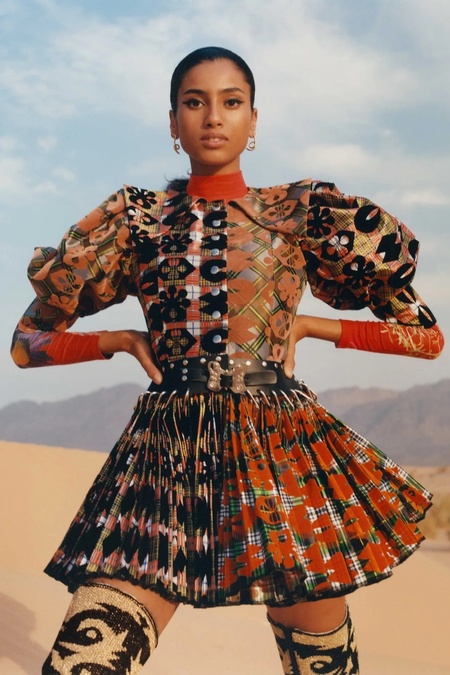
Craft, in the context of modern trends, is not merely handmade work; it is a specific approach to the process that prioritizes the time invested in creating an object, knowledge of artisanal techniques and materials, and respect for the craftspeople.
Therefore, «craft» can encompass not only traditional techniques but also examples of contemporary practices where the process is as important as the final outcome.
The industrialization of the 19th century separated craft from fashion: clothing began to be mass-produced in factories, while manual labor remained on the periphery of culture, within the purview of ethnographers and enthusiasts of archaic styles. In the 20th century, along with the increasing division of fashion into ready-to-wear and haute couture, manual labor became associated with creating luxurious outfits for stars and wealthy clientele. Mass interest in craft as a value emerged later—alongside critical commentary on fast fashion and growing interest in sustainable production.
Today, craft holds a complicated position within the industry. On one hand, for many brands, craft serves as an entry point into exploring local culture, an engagement that has become a global fashion trend. On the other hand, much like much else, mainstream fashion appropriates this concept, labeling clothing as «handmade» or «artisanal» when its production bears little relation to manual labor.
Photo: Chopova Lowena for British Vogue, photographer Eddie Wrey