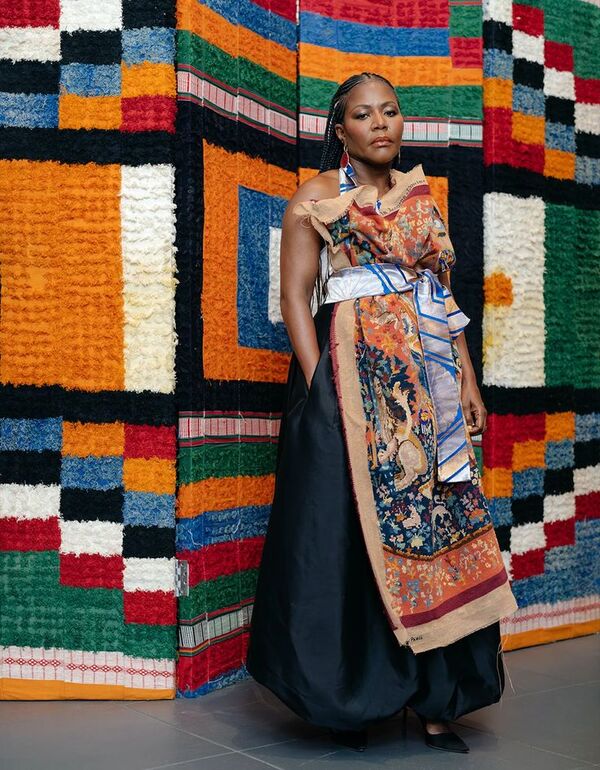
Decolonial fashion is a concept situated at the intersection of postcolonial theory and contemporary clothing design.
Its emergence is fundamentally linked to the structure of the global fashion industry, where the centers for producing meanings and trends are concentrated in the capital cities of the Global North, while the rest of the world functions as a raw material periphery, providing sources of inspiration, materials, and labor.
The decolonial approach proposes rethinking this hierarchy, rather than merely incorporating new participants into it.
At the practice level, this implies several approaches happening simultaneously. First, designers from non-Western countries must be viewed within the industry not as bearers of «local cultures, ” but as equally valid creators. Second, economic fairness must be maintained throughout the creation chain of a product.
Decolonization in fashion differs from multiculturalism, which often reduces to increasing representation while maintaining the same hierarchy. Including more models of different skin tones in a European luxury brand show is not decolonization. Decolonization is about creating a full dialogue regarding beauty and aesthetics.
Decolonial fashion suggests that a brand from India does not tailor the visual code of its collection to the expectations of a Western buyer, that European multi-brand retailers are willing to adapt to the production cycles of various countries, and that consumers are not simply buying what is trending, but are interested in the stories that designers from around the world tell through their clothing.
Photo: RENI FOLAWIYO