«Мне надо!»: о контенте
Больше, чем игрушки.
Concept
«I need this!”— a media outlet about collectible dolls, tailored for adult collectors, novice enthusiasts, and individuals interested in design, fashion history, and pop culture.
The project integrates industry news, the history of doll brands, analyses of individual models, research on rare editions, practical guides, and materials on the secondary market.
The media’s primary goal is to help readers not only find interesting dolls but also understand their value as cultural phenomena.
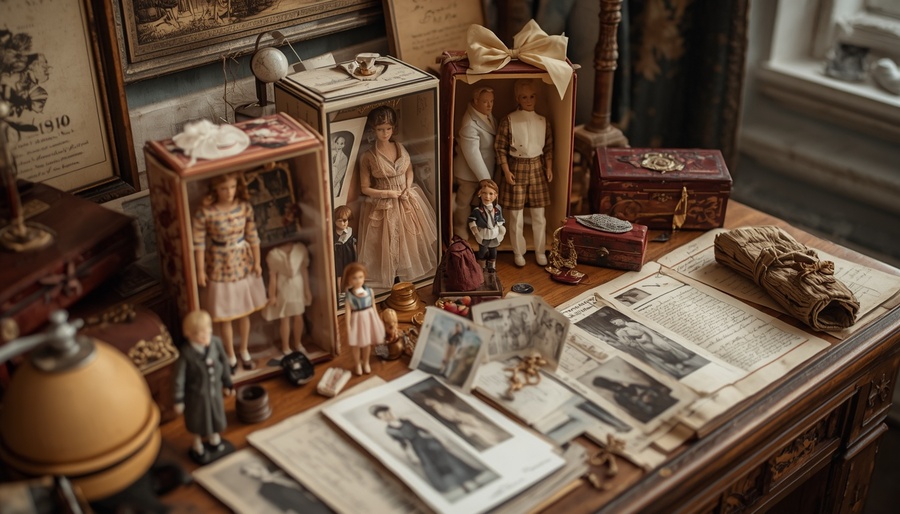
Information about collectible dolls is scattered across various platforms and in disparate formats, which significantly complicates the search for necessary material for both beginner collectors and seasoned hunters of rarities. To navigate comfortably and derive pleasure from the hobby, there is a need for systematized information regarding new releases, rare items, production history, and market condition.«I Need It!» consolidates fragmented information into a coherent knowledge system, transforming the interest in dolls into a mindful collecting practice.
The primary goal of this project is to create an accessible and structured media resource that helps the audience navigate the doll industry easily and comfortably, guiding collectors step-by-step from initial concept to informed acquisition.
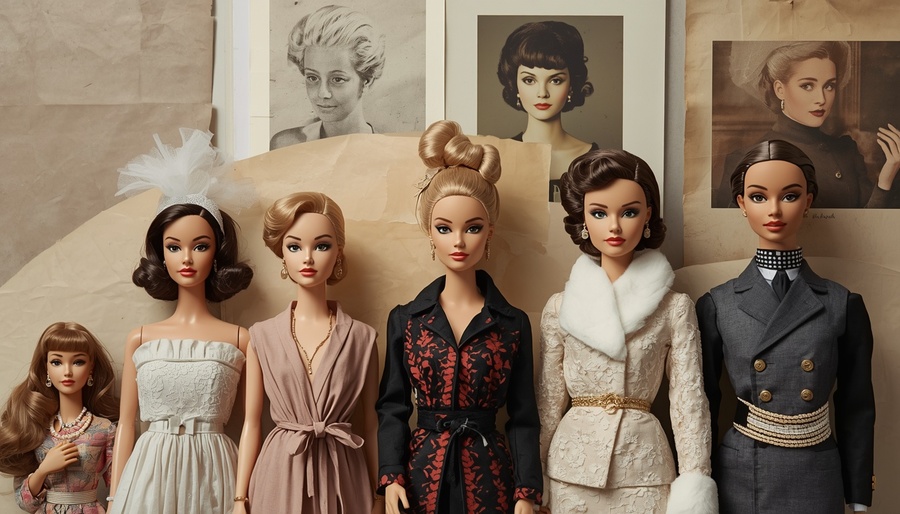
«I Need It!» stands at the intersection of a thematic magazine, a practical guide, and a comprehensive archive for collectors. In contrast to accounts that focus primarily on collection photography, unboxings, or release news, this project examines the doll from multiple perspectives: as a design object, a piece of pop culture, and an item on the collecting market. The media doesn’t just showcase beautiful objects; it explains the history behind their appearance, origin, popularity, and value.
Semestermatic Plan
The thematic plan is structured around the principle of gradually immersing the audience in the subject matter. Initially, the media explains the fundamentals of collecting, then introduces the reader to the history of brands and doll manufacturing, before moving on to rare editions, the market, and more complex analytical materials.The primary goal of the first half-year is to establish a knowledge base foundation to which the reader can return, regardless of whether they are a novice collector or have been engaged in the hobby for a long time.
Planning utilizes a combination of four types of content: 1. Glossary — helps clarify terminology, models, and collecting rules. 2. Historical Overview — tells the stories behind brands, models, and design solutions. 3. Practical Tips — assists with selecting, vetting, and storing dolls. 4. News Digest — reports on releases, market updates, and trends.
Publication Calendar
The first month—Collection Launch.
Monthly Challenge: attract a new audience and remove the primary barriers to starting a collection.— Week 1. What makes a doll collectible?
— Week 2. Main types of collectible dolls.
— Week 3. What to rely on when building a collection.
— Week 4. Seven mistakes of a beginner collector.Format: introductory articles, glossary of terms, comparison cards, and Telegram polls.Outcome: the reader will understand the basic categories and receive tools for independent study of the topic.
Second month — Toy History.
Monthly Challenge: Cultivating interest in the history of doll brands and design evolution among the audience.— Week 1. The emergence of designer dolls and how they reflect the prevailing fashion ideals of their era.
— Week 2. The History of «Barbie»: changes in image, design, and brand positioning.
— Week 3. How to interpret a doll brand’s archival catalog.
— Week 4. Navigating the evolution of collectible doll design.
Format: Historical long-form articles, chronological cards, and comparisons of old versus new releases.Outcome: The media outlet begins building its own reference database, and the reader learns to view the doll within its historical context.
Month Three — What Are Our Young Women Made Of.
Monthly Challenge: Developing a collectible doll through design and production processes.— Week 1. Facial Sculpture: How minor alterations impact the model’s character.
— Week 2. Vinyl, Plastic, and Other Materials: Essential knowledge for collectors.
— Week 3. Clothing and Accessories: Why the costume can sometimes be more captivating than the doll itself.
— Week 4. Packaging and Box Presentation.Format: Visual breakdowns, macro photography, comparative tables, and short videos demonstrating fine details.Outcome: The audience begins to notice the constructive and artistic features that are often invisible in general overview photographs.
Month Four — Treasure Hunt.
This Month’s Challenge: to explain what makes certain releases desirable and how to verify authenticity.
— Week 1. What does «limited edition» mean, and what does that designation guarantee on its own?
— Week 2. How to distinguish an original model from a replica or a reissue.
— Week 3. What to check on a doll with a history.
— Week 4. Collector’s Release Case Study: the model’s history, production specifics, and collector interest.Format: analysis of specific models, checklists, visual comparisons, and rarity cards.Outcome: readers learn to assess rarity and understand what information is truly vital when making a purchase.
Fifth Month—The Secondary Market.
Month’s Challenge: Teaching the audience how to navigate the secondary market and critically evaluate sellers' listings.— Week 1. Why isn’t the price in the listing equal to the real market value?
— Week 2. How to compare sold instances of the same model.
— Week 3. What to look for when buying a doll from a private seller.
— Week 4. Listing analysis: condition, photographs, completeness, and price justification.Format: Analytical articles, comparison tables, instructional guides, and case studies.Outcome: The media helps the audience make more informed decisions and reduce the risk of impulsive or unsuccessful purchases.
Month Six — Archive.
Monthly Challenge: exploring the personal, cultural, and research facets of collecting.— Week 1. How to maintain a collection catalog: photography, dates, set details, and purchase history.
— Week 2. Collector interviews: how a personal collection is formed and preferences evolve.
— Week 3. How to properly store dolls, clothing, and packaging.
— Week 4. Mid-Year Review: the most interesting themes, models, and discoveries from «I Need It!».Format: interviews, photo essays, storage guides, and editorial selections.Outcome: forming a community around a shared interest, transforming the media from a reference project into an experience-sharing space.
In the first six months, it is important to assess not only the number of subscribers but also how useful the media becomes as a reference resource.
Key Metrics: — Article views and completion rates. — Downloads of cards and guides. — Website visits. — Volume of feedback received. — Repeated reading of reference materials. — Number of published and systematized articles.
At the end of each month, the editorial team analyzes the most in-demand topics and adjusts subsequent publications. Quantitative goals are established after receiving initial audience data.
10 Content Samples