Concept
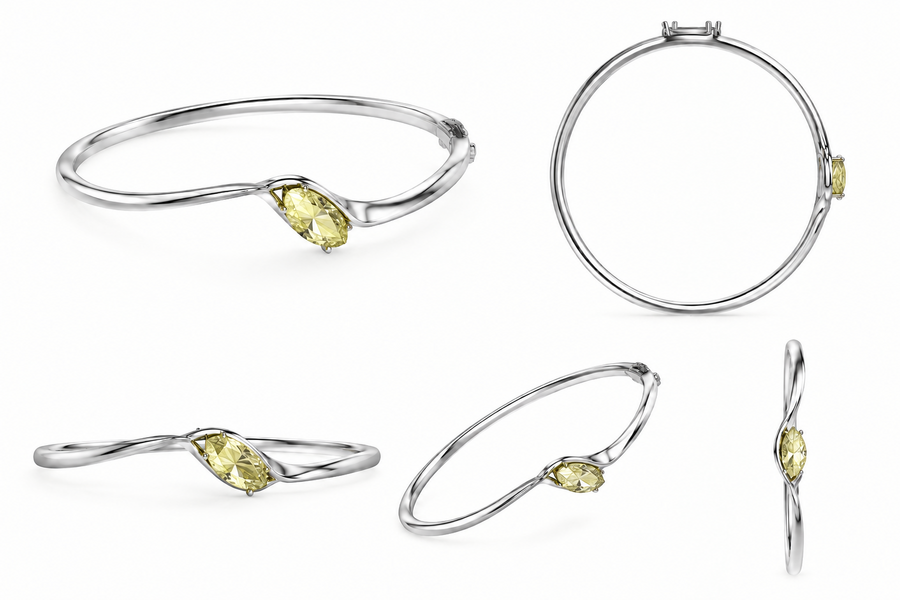
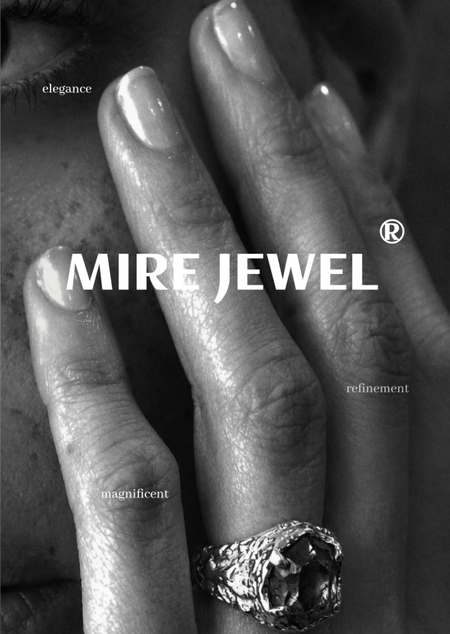
MIRE—a brand of premium titanium jewelry that offers the aesthetics of luxury brands and the meaningful depth of artisanal pieces while maintaining accessible pricing. This is not «costume jewelry, ” but genuine contemporary elegance for those who appreciate the value of materials and form.
How to Wear
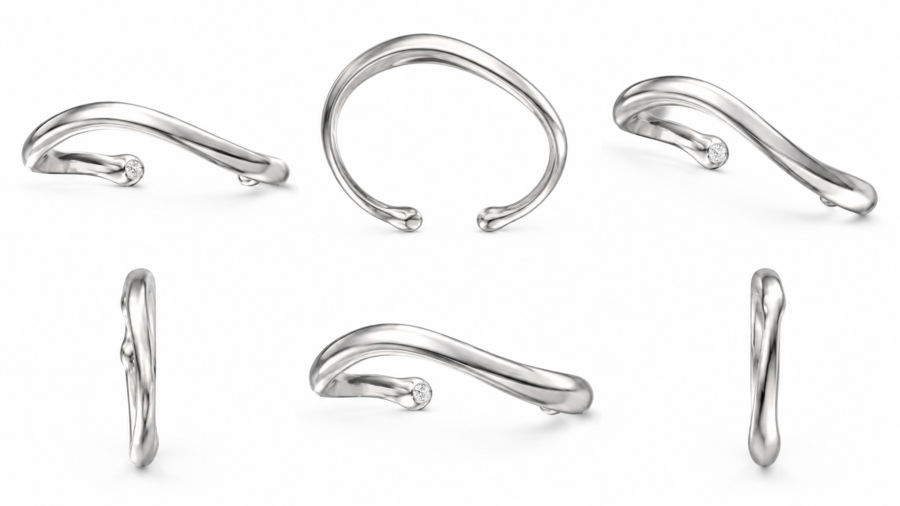
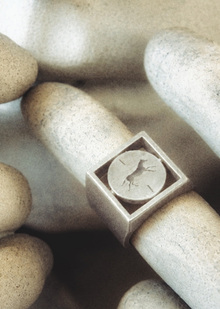
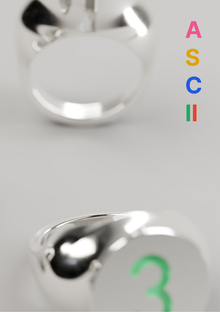
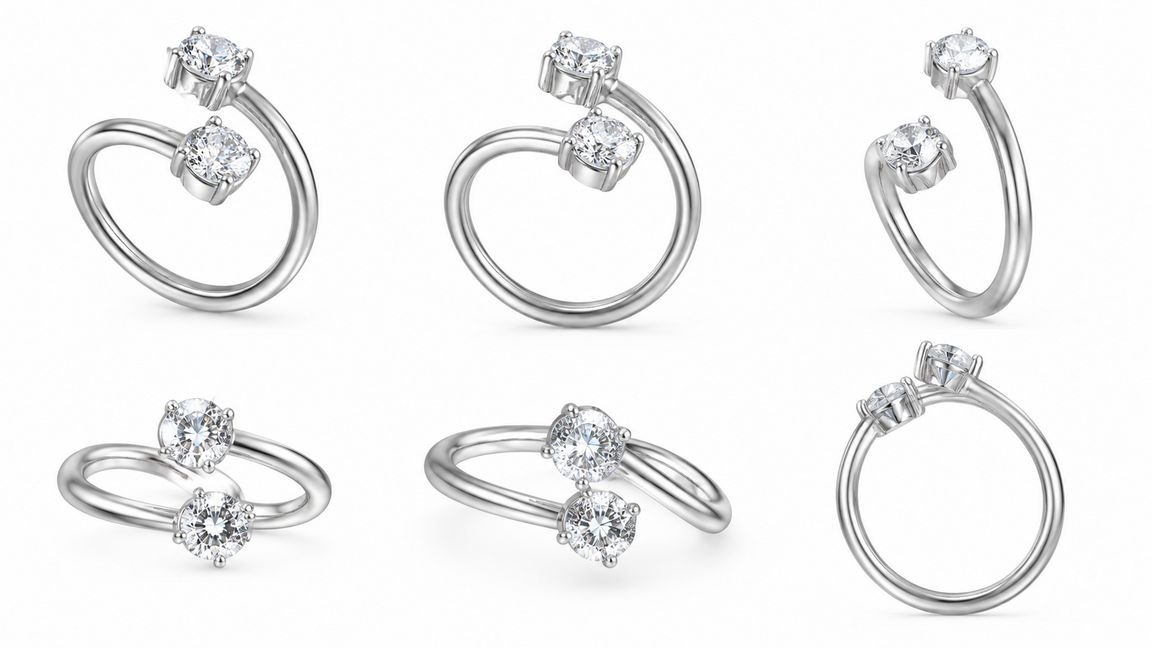
The ring is worn with the plate facing up, and the top of the symbol is oriented toward the nail. There are no clasps or fasteners; it is a single, cast ring of an open form. The smooth swirl and incomplete shape of the piece symbolize the continuity of the life cycle.
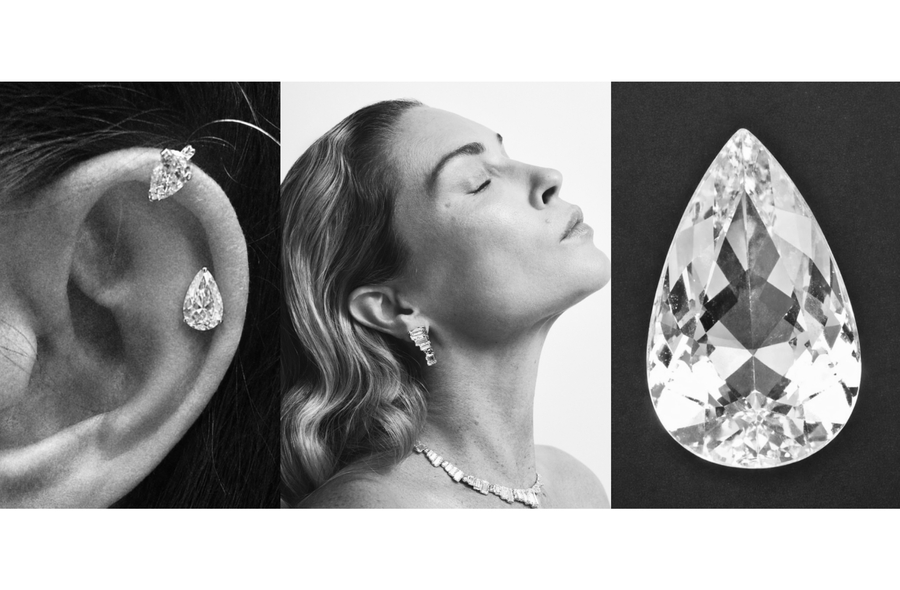
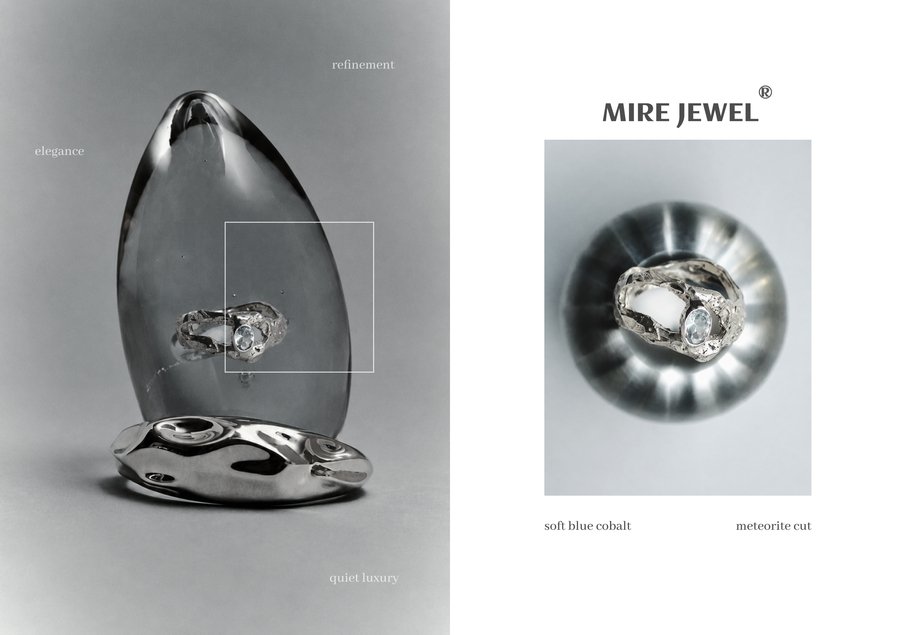
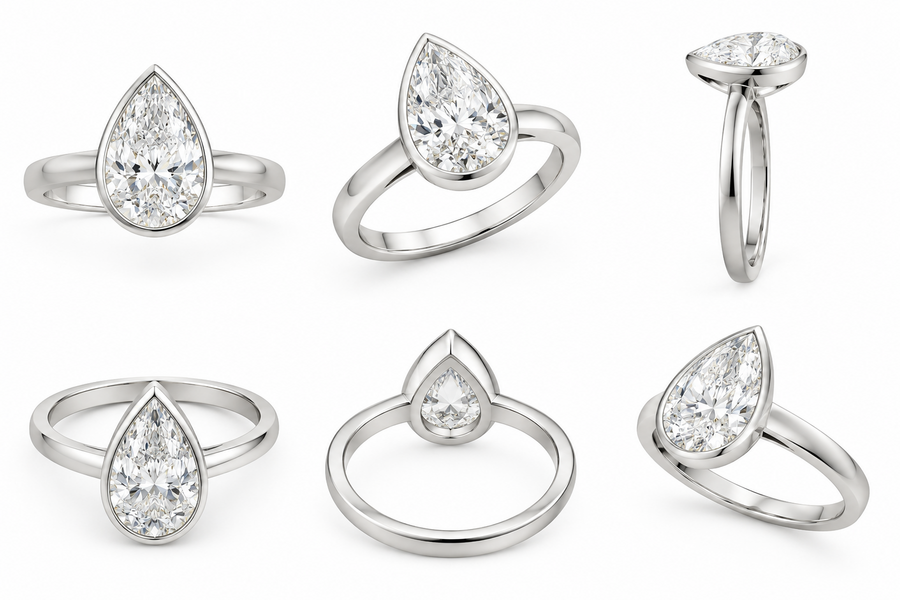
The settings for the pieces (rings) are executed in a delicate bezel, creating a floating effect above the skin.
Metal, material, stone
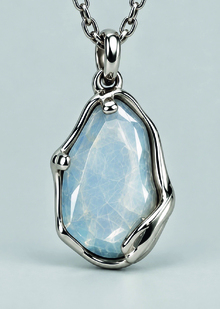
The product metal is Grade 2 titanium (Ti 98,9%–99%). It is distinguished by its lightness, strength, corrosion resistance, and, most importantly, its hypoallergenic properties. Decorative elements in the products (rings) feature fianites, moonstones, and citrine.
Stone samples in procurement
- Titan Grade 2 — metal for the piece: ≈ 3.5 g + 12 g for the sprue (recyclable).
- Casting photopolymer — master model printing: ≈ 3 ml.
- Silicone for jewelry molds — working mold: ≈ 60–80 g per mold.
- Modeling wax — wax positives: ≈ 2 g.
- Investment material — lost-wax casting: by volume of mold.
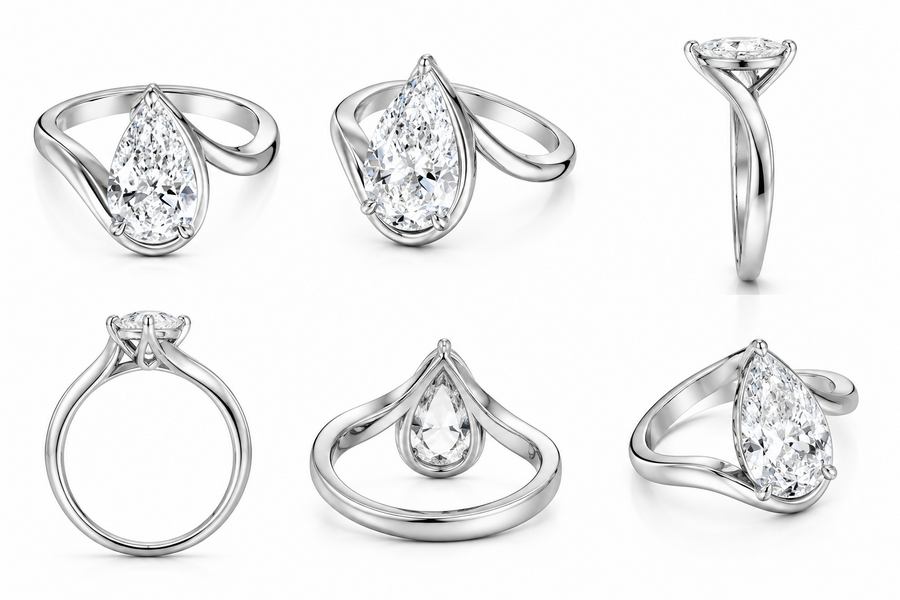
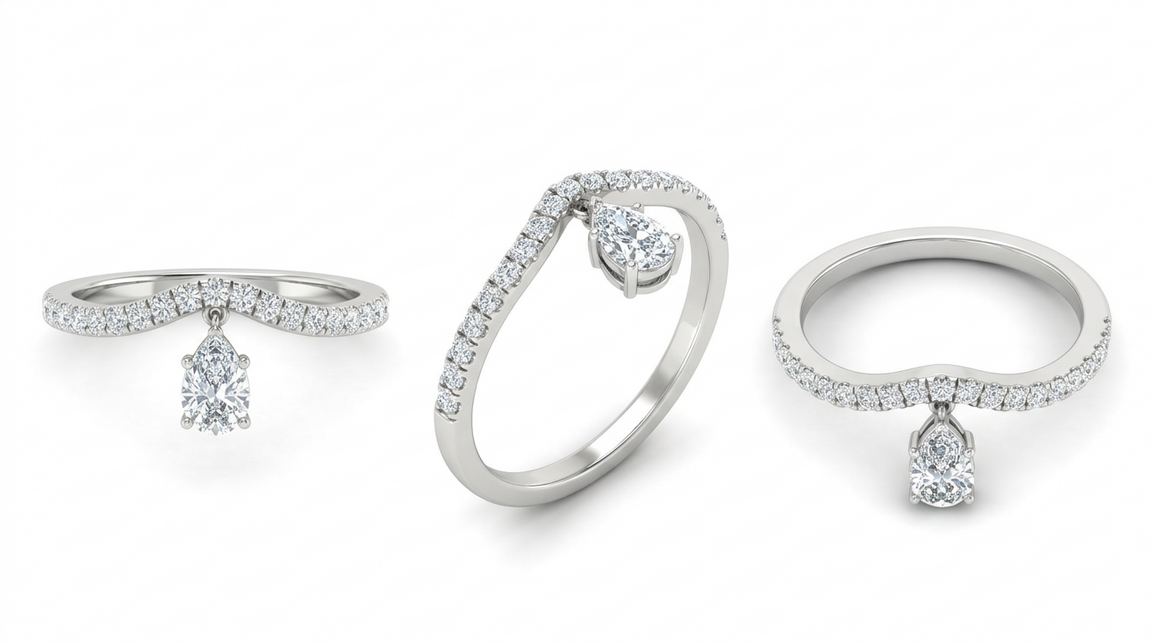
- Stones: Fianit / Moissanite / Citrine (marquise/pear cut) — setting: 1 piece (depending on the piece design).
- Abrasives P400–P1500, pastes — sanding, satin finish, polishing: as needed.
Surface and Finishing
The surface is matte, the symbol is filled with colored enamel, and the casing is polished. No coatings (rhodium, gold plating) are used.
- Surface — satin finish (sanding with P600–P1200 abrasives, no paste): a smooth, matte plane.
- Surface bevel — polished: a thin, brilliant edge.
- Engraving — cold enamel (red, blue, yellow, green, pink): a bright, glossy symbol.
- Shoulders, shank, interior side — polished: a warm, soft luster.
- Stone setting — fianite, muasannite, or citrine: transparent brilliance in the setting.
The enamel is applied last, after polishing and satinizing—this protects it from mechanical abrasion.
Manufacturing Sequence
- 3D Model. Parametric model of all rings, exported as STL (mm).
- Master Model. Printing using investment photopolymer, layer thickness 25–50 µm, base upward; supports attached to the inner side of the shank.
- Refinement. Remove supports, sand, and install a sprue Ø 2.5–3 mm to the bottom of the shank.
- Silicone Mold. Separation along the ridge line of the base, shank hole created with a separate core; engraving completed on one half.
- Wax Pattern Check. Verify that the symbol is completely cast and the wax pattern is removed whole.
- Casting. Assembly of the «tree,» mold making, burnout, and casting in Grade 2 titanium.
- Casting Finishing. Separate the sprue, file, and sand (P400 → P1200).
- Polishing the body and satin-finishing the base.
- Stone Setting. Installation of firestone, moissanite, or citrine.
- Inspection and Stamping. Verification against the tolerance table; stamping on the inner side of the shank.
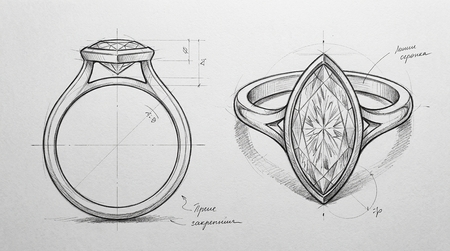
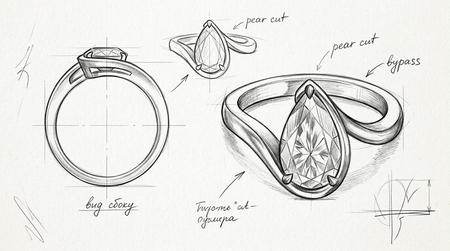
Sketches
3-D Models
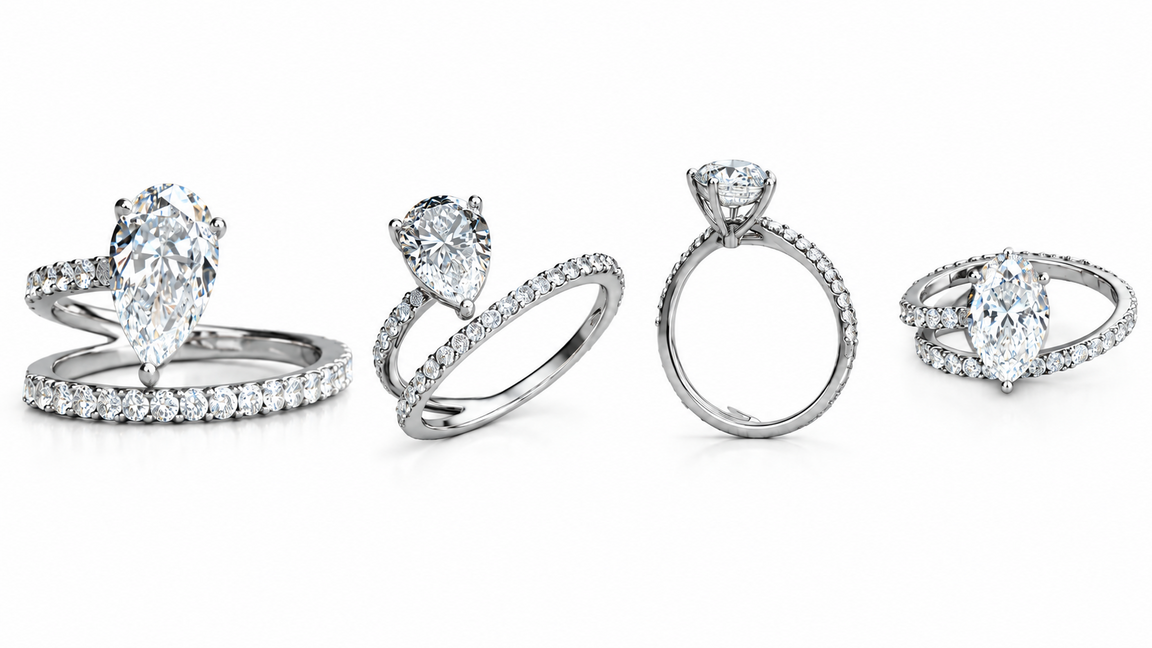
Rings
Bracelets