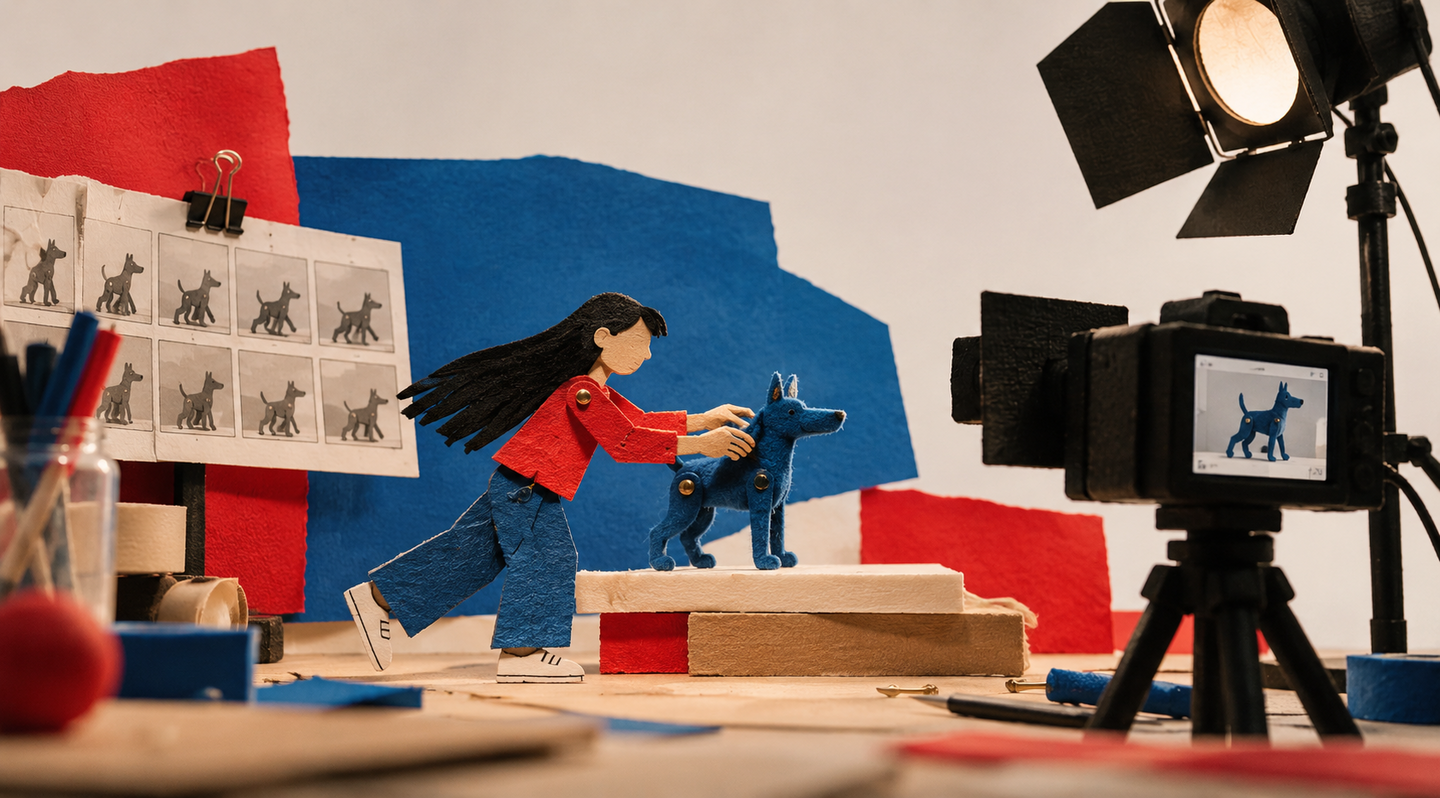
Мини-сериал в социальных сетях в технике стоп-моушн анимации
Стоп-моушн-сериал для социальных сетей. Курс 2
Creating an original stop-motion series: short episode dramaturgy, frame-by-frame shooting, editing, and preparing episodes for publication.
What is this course about?
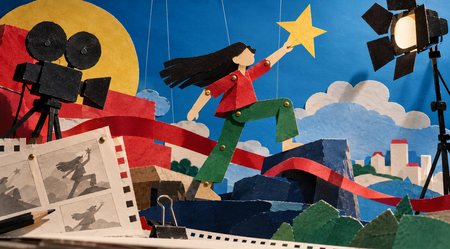
An animated miniseries is a sequence of short installments unified by characters, a world, and an authorial vision. Episodes may develop an overarching narrative or present self-contained scenarios. The episodic format allows for the gradual development of a character, returning to familiar circumstances, and building anticipation for the next installment.The short format demands precise selection of events and expressive means. A pose, the movement of an object, a sound, or a pause can fulfill a significant narrative function. When creating a stop-motion series, the requirement to maintain the appearance of characters, the setting’s design, and the nature of the movement across different episodes is added to these tasks. Working on a series integrates dramaturgy, material construction, filming, and production organization.
Within this course, students will continue to develop the character and world established in the previous stage. They will develop a concept for a mini-season, write scripts and storyboards for short episodes, and prepare set design and props. They will master expressive movement techniques, sequential shooting planning, editing, and sound design. Special attention will be paid to the continuity between episodes, the unity of the visual language, and preparing materials optimized for mobile viewing.
The final outcome will be an original mini-season consisting of three stop-motion episodes, each 15–20 seconds long, accompanied by cover art, captions, and a publication plan. The project is executed individually, though collaborative work on set is possible. The course will conclude with a presentation of the mini-series; posting it on public social media is not required.
Who is this course for?
This course is for:
Students aged 12–15 who are interested in creating short animated series and sketches for social media.
| Course Duration: 8 weeks.
| Contact Hours: 64 academic hours.
| Classes are held online.
Course Prerequisites
Before starting the course, the student must be able to:
◆ Organize a simple shooting location and use a frame-by-frame recording application; ◆ Create a short animated sequence; ◆ Construct a simple storyboard; ◆ Perform basic editing and add sound accompaniment; ◆ Save and organize project files.
A created character, a concept for its world, and initial animation tests are required for the work.
What will students learn in this course?
Throughout the course, students will learn to:
1. Develop the structure of a mini-season by defining the overall theme, sequence, and connection between episodes.2. Create scripts for serialized stories, utilizing recurring situations, character development, and the anticipation of continuation.3. Plan the visual execution of episodes using storyboards and action duration schematics.4. Organize the production of multiple installments, distributing shooting tasks, timelines, and necessary materials.5. Maintain visual and narrative continuity for the series: character appearance, spatial design, prop placement, and the repercussions of preceding events.6. Edit the mini-season in a cohesive style, coordinating rhythm, sound design, titles, and transitions.7. Develop promotional materials for the mini-series that communicate its concept and generate interest in viewing.8. Formulate a publication and audience discussion plan, accounting for the sequence of episodes and their interconnectivity.What practical assignments will students complete in the course?
Throughout the course, students will complete the following assignments:
1. Mini-season storyboard. Three episode cards describing the events and indicating the connection between episodes.2. Mini-series script project. Three short scripts with differing scenarios and a consistent logical development of the character.3. Mini-season storyboard project. 4–6 schematic frames per episode, indicating key actions and approximate duration.4. Production shoot plan. A shooting order schedule, a list of props and set dressing, and task distribution by session.5. Continuity exercise. Two fragments shot with an interruption, requiring the restoration of camera position, lighting, and objects based on photographs and markers.6. Mini-season editing and sound project. Three completed episodes with coordinated design, sound, and titles.7. Mini-series promotional announcement project. A 5–10 second teaser made from finished shots, along with a general season poster or cover.8. Publication campaign plan. The sequence of announcements and three episodes, featuring short captions and questions for the audience.Curriculum Outline
01. Series Structure and Mini-Series Concept
Distinguishing a single episode from a series: continuous storytelling versus standalone sketches. A unifying theme, recurring elements, character evolution, and connections between installments. Developing the concept first introduced in the first year.
Components: lecture, case study analysis, workshop.
Assessment Element: mini-series structure map.
02. Mini-Series Promotion Strategy
Promotion objectives: introducing new viewers to the project, encouraging the viewing of several episodes, fostering discussion, and generating anticipation for future installments. Refining the target audience based on initial screenings. Formulating the season’s core message and selecting methods for its delivery.
Components: lecture, case study analysis, practical workshop.
Assessment Element: mini-series promotion strategy map: audience, goal, core message, and three action items to achieve it.
03. Episode Dramaturgy and Sustaining Engagement
Developing a familiar character within new circumstances. Repetition with variation, escalating conflict, and references to prior events. Utilizing the opening seconds to hook the viewer. Ensuring episode closure while employing techniques that compel interest in the next installment.
Components: lecture, scripting exercises, workshop, and consultations.
Assessment Element: mini-series script proposal.
04. Visual Series Planning
Storyboarding episodes and allocating screen time. Recurring compositions, visual references, and variations between installments. Testing the narrative clarity without relying on extensive authorial explanation. Planning shots that can be used in promotions and covers.
Format: Workshop.
Assessment Element: Storyboard.
05. Interaction and Character Expressiveness
Coordinating the movement of characters and objects, or two characters interacting. Directing focus, contact, conveying weight, and reacting to others' actions. Using expressive pauses and demonstrating changes in a character’s behavior across different situations.
Format: Workshop.
Assessment Element: Animation Exercise.
06. Filming Mini-Series Episodes
Producing three short episodes based on the prepared plan. Quality control after each segment. Comparing new footage with previously shot material. Selective reshoots. Documenting the production process for future serialization features.
Format: Filming Labs, Individual Consultations.
Assessment Element: Animation Project.
07. Series Editing and Sound Cohesion
Assembling episodes, refining rhythm and duration. Recurring sonic motifs and character sounds. Unified styling for titles, numbering, and credits. Exporting and reviewing the video on a mobile device.
Content: Demonstration, editing workshops.
Assessment Element: Miniature season editorial and sound project.
08. Teaser and Promotion Materials
Distinguishing character introduction from promoting a finished series. Selecting shots that convey mood and intrigue without retelling the entire plot. Creating a short teaser from recorded footage. Designing a general poster or season cover.
Content: Case study analysis, workshop.
Assessment Element: Promotional announcement project for the mini-series.
09. Publishing Schedule and Maintaining Interest Between Episodes
Sequencing the release of announcements, episodes, and supplementary materials. Publications covering the shoot, set design details, and character profiles. Connecting posts to one another—reminding the audience of previous events and previewing the next episode. Planning a manageable volume of content.
Content: Lecture, workshop.
Assessment Element: Two-week publication schedule detailing the format and objective of each piece.
10. Premiere and Future Development
Presenting the mini-season and its promotion plan. Discussing authorial decisions, audience feedback, and implemented changes. Exploring potential new scenarios, characters, and directions for the next season.
Content: Presentation and discussion
Assessment Element: Final presentation
Final Project
Mini-season of an original stop-motion series, which includes:
Three vertical episodes, each lasting 15–20 seconds; Coordinated visual and sound design; Covers, titles, and episode captions; Publishing plan; Concept and results presentation.
Technologies and Learning Environment
Classes are held in an in-person studio equipped with workspaces for prop making, frame-by-frame shooting, editing, and screening. The curriculum is structured like the production of a mini-series, following sequential stages: development, pre-production, shooting, editing, post-production, and premiere.
We utilize: → lectures and case study analysis—to study dramaturgy and expressive techniques; → scriptwriting and design workshops—to develop episodes and create visual aesthetics; → shooting labs—to practically master movement and material handling; → individual consultations—to address specific project challenges; → interim screenings—to detect errors promptly; → final presentations—to discuss outcomes and future plans.