микробро (3)
Источники данных, разделение и гайдлайны для машинной обработки.
Concept
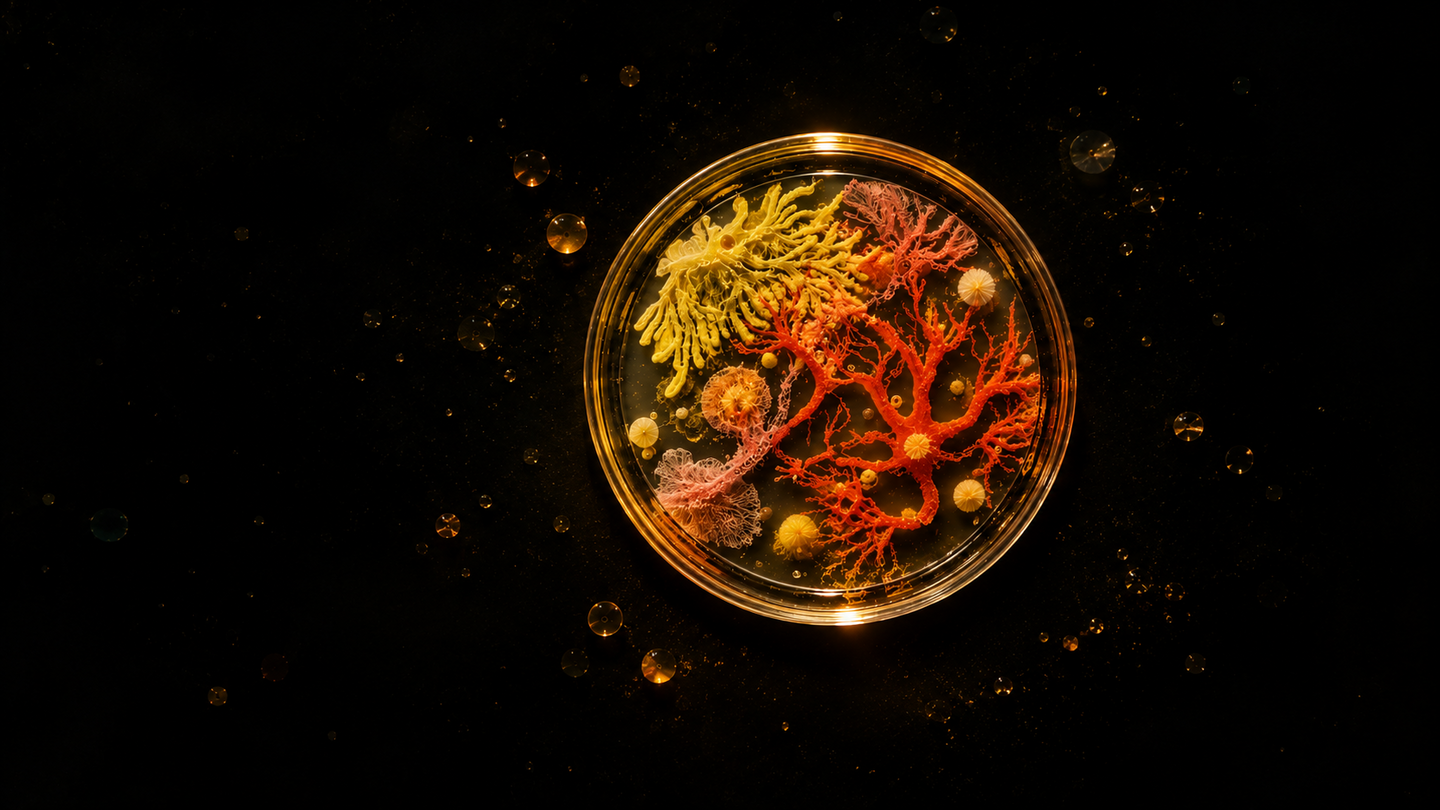
«Microbro» is a popular science media outlet dedicated to the invisible world of microorganisms and other tiny life forms that constantly interact with humans and the environment. The project explores bacteria, viruses, fungi, insects, and other organisms by merging scientific knowledge, everyday observations, and contemporary digital art.Segment: Popular science and educational media at the intersection of science, culture, and visual art.Goal: To popularize biological knowledge and foster a more conscious relationship with the microworld. The media aims not to frighten audiences with unknown organisms, but rather to introduce them to them, illustrate their role in daily life, and reveal the aesthetics of the invisible world.
Data Sources
Scientific and academic sources—the primary foundation for researching and verifying biological facts, studies, and scientific hypotheses.
PubMed — research in the fields of medicine, microbiology, genetics, and biology.Google Scholar — search for scientific articles, reviews, and cited publications.NCBI — genetic data, scientific publications, and reference information on microorganisms.Nature and Science — current scientific discoveries and research.
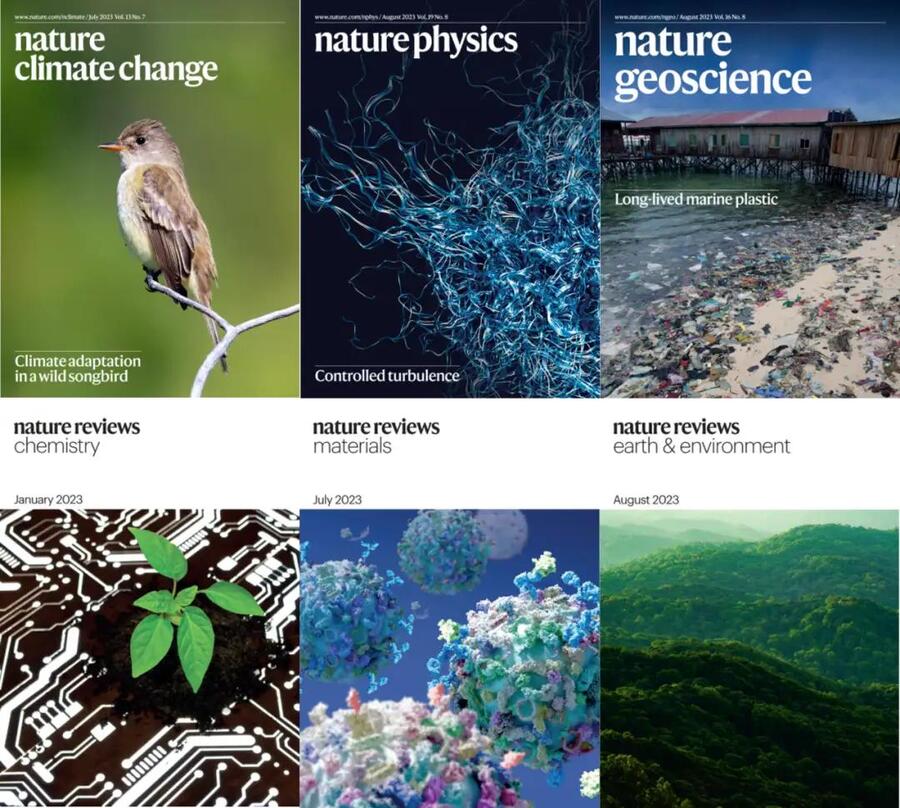

Nature Journal / Science Journal
Medical and official sources are used to verify information regarding health, hygiene, infections, prevention, and the interaction of microorganisms with humans.
World Health Organization (WHO) — health recommendations and international data.Centers for Disease Control and Prevention (CDC) — information on microorganisms, infections, and disease prevention.European Centre for Disease Prevention and Control (ECDC) — data on infectious diseases and epidemiological processes.
Sources of visual and creative content are necessary for preparing visual publications and materials on microscopy and bioart.
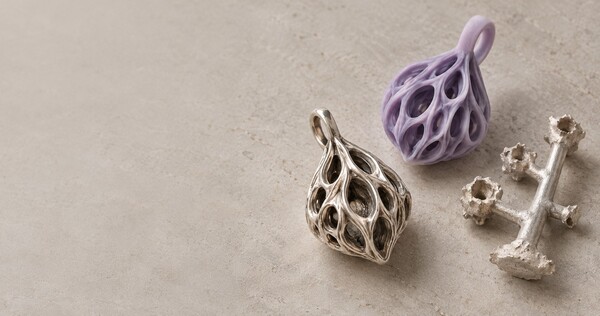
/Scientific photo banks and microphotography archives./Publications from university laboratories and research centers./Websites of artists and creative laboratories working in the field of BioArt./Archives of scientific exhibitions, festivals, and research projects./Original photography, macro photography, and microscopic images.
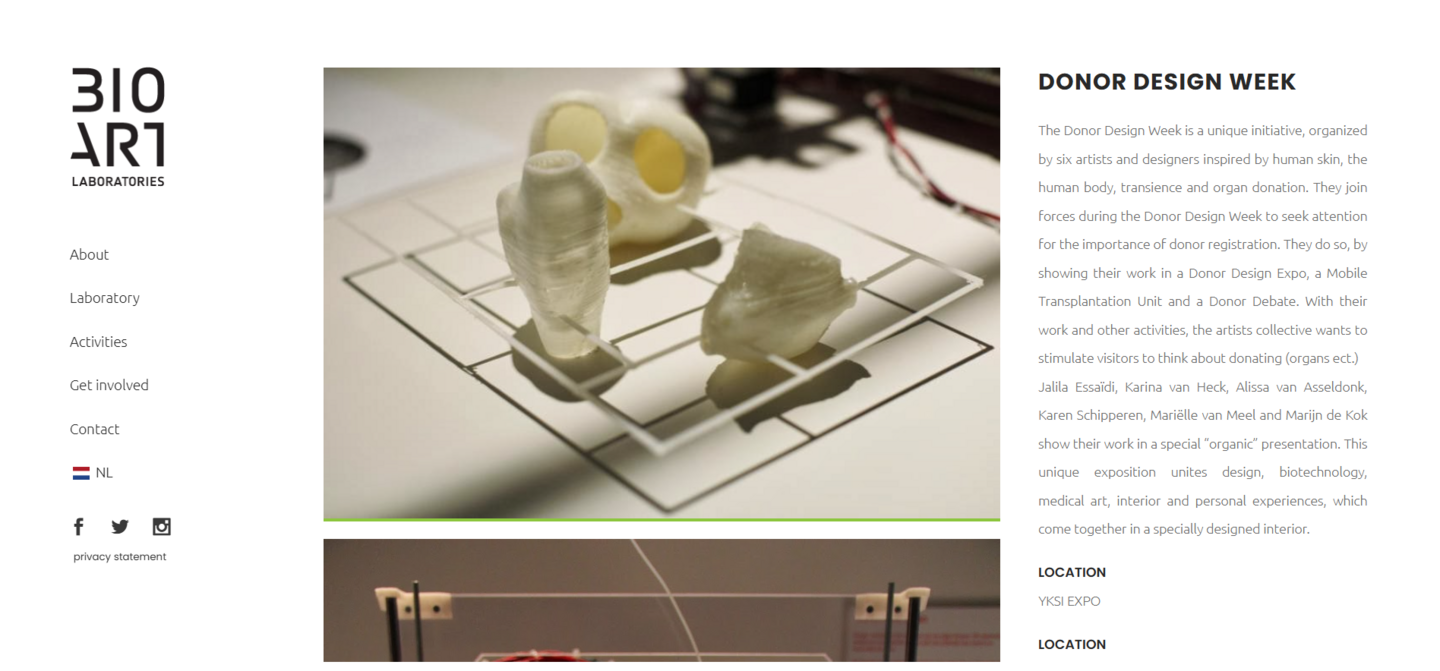
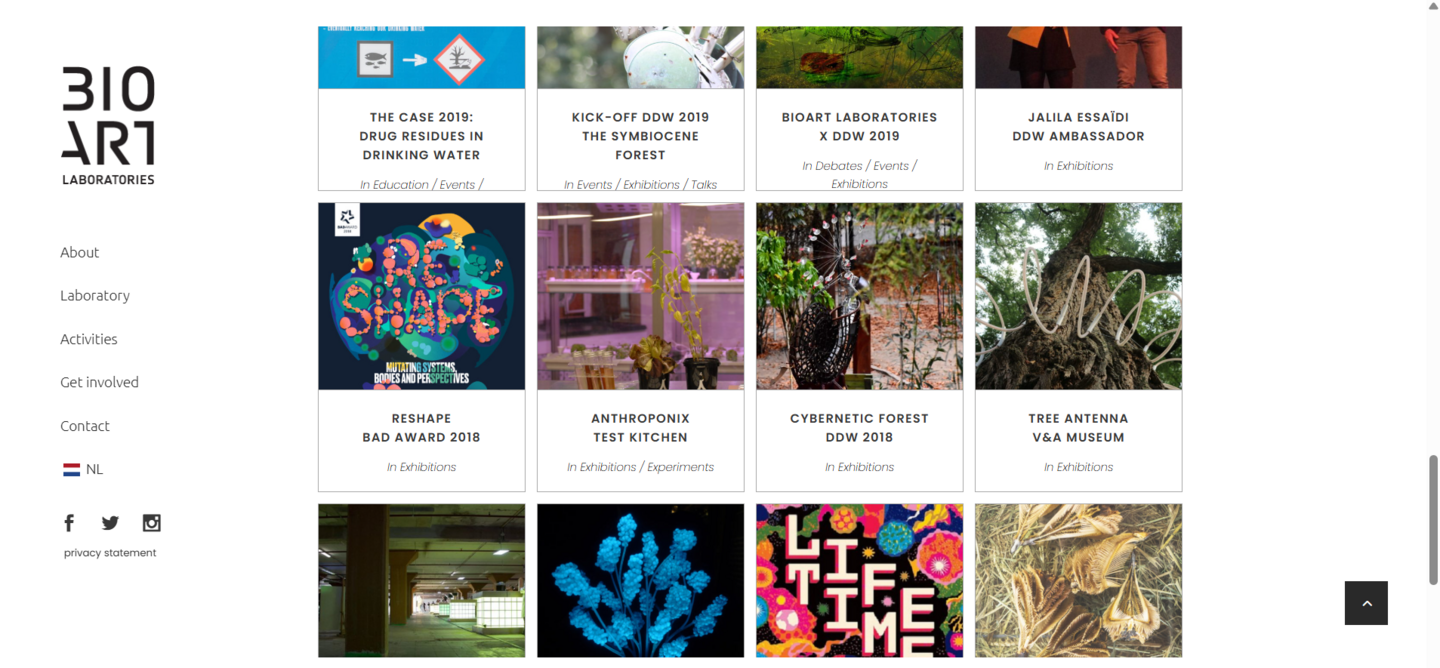
BioArt Laboratories Portal Site
News and informational sources—these are used to find relevant topics and track new projects.
/Scientific news portals./University and research institution websites./Popular science publications./Announcements for exhibitions, conferences, festivals, and open labs.
User-generated sources
*undergo separate vetting before publication and are not considered independent proof of scientific facts.
/Photographs and observations from followers./Questions from the community./Personal experience stories./Materials submitted by community members.
Data Schema: Human and Machine Processing
The core of the editorial system lies in a sequential process of information handling. It begins with topic discovery and concludes with material publication and analysis of audience feedback.
Machine Processing handles technical and repetitive tasks: information retrieval, data extraction, drafting summaries, organizing materials, transcription, and preparing initial drafts and visual mockups.Human Processing is responsible for scholarly accuracy, interpreting results, editorial policy, ethics, creative input, and making publication decisions.
Guidelines for Automated Services
For «microblogs,» automated services function as editing tools, not as independent authors of scholarly content.
Final Project Logic
Factual Rigor: The content is based on verifiable research and official sources.Routine Automation: Neural networks and digital tools reduce the time spent on searching, systematizing, and preparing materials.Human Oversight: The editorial team is responsible for interpreting the science, ensuring the accuracy of formulations, and maintaining the quality of the visual content.Feedback: Audience response helps us identify new topics and develop the media.
Microbro uses automation not to replace the author, but to free up more time for research, creative work, and popularizing science.
An AI neural network, ChatGPT, was used to generate the cover and visualizations.