
Svora
Media helps owners of challenging dogs live comfortably in the city. Instead of dealing with an anxious or reactive dog alone on every walk, owners receive clear analyses from a dog trainer and veterinarian, neighborhood support, and opportunities to socialize in a safe setting.
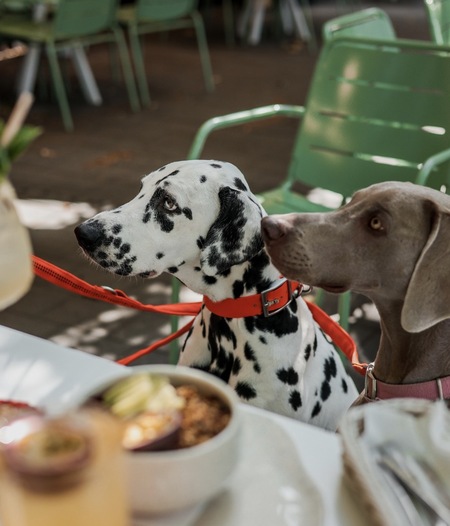
Goal: To reduce stress and conflict during walks, eliminate the shame experienced by owners of «challenging» dogs, and build a neighborhood community around this topic.Theme: Socialization and daily life with anxious and reactive dogs, featuring insights from dog trainers and veterinarians.Tone of Voice: Authentic, humorous, and non-judgmental. An expert explains things simply, using memes about everyday situations, and neighborhood dogs become the main characters.
Data Sources for Media
Svora utilizes five sets of data. Three of these we create ourselves together with the students, and two come from external services.
1. Community DataWhat: subscriber questions, neighborhood chat situations and stories, survey responses, post reactions, and the «Neighborhood Dog» questionnaires. Meeting sign-ups. How we collect it: a Telegram chat and channel, forms for the canine expert and for questionnaires, channel polls, and a meeting sign-up bot. Why: it determines the topics for «Leash Walk Reviews» and «Ask the Canine Expert, ” and which fears and situations are most common.2. Original ResearchWhat: in-depth interviews with dog owners (10 interviews), post-meeting surveys, and response matrices with key insights. How we collect it: interviews based on a guide, feedback forms after every meeting, and monthly surveys. Why: it tests hypotheses (for instance, whether the main fear is related to the dog’s own reaction), and shapes the format of the meetings and the „What Owners Say“ segment.3. Expert SourcesWhat: commentary from partner canine experts and veterinarians, specialized publications, and expert recommendations. How we collect it: personal consultations, recordings of live streams, and coordinated responses to questions. Why: it forms the basis of all advice regarding behavior, health, and safety. These materials are never published without expert review.4. External Open DataCity Events and Locations (e.g., KudaGo): flyers and compilations for the events calendar and competitor analysis. API access details need to be confirmed with the service. Maps and Geocoding (OpenStreetMap and Nominatim): searching for parks, courtyards, and safe meeting spots. Weather (open weather services): temperature and precipitation for seasonal reminders (ice, heat, rain). Search Queries (Yandex Wordstat, Google Trends): what people are searching for regarding dogs and behavior. Why: it keeps the content timely and geographically and seasonally relevant.5. Media Performance DataWhat: views, saves, shares, comments, subscriber growth, chat activity, and meeting attendance. How we collect it: built-in Telegram and VK analytics, and analytics services (LiveDune, Telemetr). Why: it shows which segments are performing well and helps plan the next month.
Data Schema
General Principle
The data goes through 8 steps, from collection to feedback. At each step, either a machine, a human, or both are involved.Machine collects, cleans, sorts, drafts suggestions, and publishes on a schedule. Human decides what is important, verifies safety, sets the tone, and takes responsibility for the outcome. Collaborative: the machine suggests, and the human confirms.Anything related to the dog’s health, aggression, medical treatment, or human safety must pass through an expert (a canine behaviorist or a veterinarian). Automation cannot make these decisions on its own.
Steps and Roles
1. Data Collection and Cleaning — Machine The bot and forms receive questions, surveys, and entries, while scheduled services pull in weather, events, and statistics. Names, phone numbers, addresses, and other personal data, along with duplicates and spam, are removed from the text. Result: a clean data array, stripped of unnecessary details.
2. Topic Tagging and Grouping — Machine AI determines the theme of each message (reactivity to other dogs, noise and fireworks, health, introductions) and groups similar questions together. Result: a list of the week’s most frequent topics.
3. Risk Filtering — Machine → Human Messages containing information about injuries, poisoning, harsh training methods, and similar issues are automatically flagged and immediately forwarded to a moderator and an expert. Result: urgent cases bypass the regular workflow.
4. Topic Selection and Task Formulation — Human The editor selects topics for the content plan, deciding what belongs in «Walk Analysis, ” what goes into „Ask the Dog Trainer, ” and what requires separate investigation. Result: a weekly publication plan.
5. Material Drafting — Machine The AI assistant prepares drafts for posts, cards, video scripts, and captions based on the established column templates and Tone of Voice (ToV) guidelines. Result: a draft marked „not yet approved by an expert.“
6. Expert Review — Human A dog trainer or veterinarian reviews all content concerning canine behavior, health, and safety—making corrections and final approvals. Result: material with the status „approved.“
7. Editing, Visuals, and Publishing — Human + Machine The editor polishes the text, the designer prepares the visuals, and AI assists with format adaptation. Approved materials are automatically published according to the schedule. The chat is moderated by the bot, and human staff resolves disputed issues. Result: the post goes live on time and in the correct format.
8. Feedback and Analytics — Machine → Human A weekly report is automatically generated: which materials received the most views and saves, what questions were asked, and what was discussed in the chat. A human analyzes these findings and adjusts the plan. Result: the data loops back to Step 1.
Example of data flow according to the schema
Situation: In the neighborhood chat, several people have reported over the past week that their dogs are aggressive toward other dogs on narrow sidewalks.
- The bot gathers messages from the chat and the «Ask a Canine Trainer» form into a table. Names and addresses are automatically removed.
- The AI identifies the theme «reactivity on the agility course» and groups 14 similar messages into one category.
- Since there are no reports of bites or injuries among the messages, an urgent review is unnecessary.
- The editor schedules the topic for Tuesday’s plan as «Walk Analysis.»
- The AI prepares a draft: what is happening with the dog, five steps, and a question for the chat.
- The canine trainer revises the phrasing and approves the material.
- The designer creates the cards, and the post is automatically published Tuesday morning.
- At the end of the week, the report shows an increase in saves and new questions, and the topic is returned to the plan as a follow-up.The figures in this example are hypothetical.
Guidelines for Automated Services
- The human decides, the machine prepares: without expert verification, nothing about health or behavior can be determined.
- No diagnoses, medications, or harsh methods: in complex cases, we refer to a specialist.
- Privacy: data is used only with consent; names and contacts are never shared with the AI.
- Transparency: materials created with AI are marked and we state this openly.
- No fabrication: the AI does not invent quotes, testimonials, or characters; examples are labeled as «example.»
- Non-judgmental tone: no «bad owners”—we laugh together, not at people.
- Emergencies (bite, injury, poisoning): we do not give advice; we refer to a veterinarian and call a moderator.
- Once a month, we check how the automations are working and update the guidelines.
Bot and Chat Moderation
Tasks: Welcome new participants, remind them of the rules, protect against spam, and flag messages exhibiting risk indicators.
What the bot does automatically: Sends a greeting and chat rules; Deletes spam, advertisements, and links from newcomers; Reminds users about the weekly theme; Answers frequently asked questions about meetings (date, location, sign-up).What the bot does not do: Does not discuss the health or behavior of a specific dog; Does not punish individuals for opinions or disputes; Does not block participants without a moderator’s decision.When the bot notifies a person: The message contains words about biting, injury, poisoning, or aggression toward people; A conflict has started between participants in the chat; Someone asks to delete their personal data or photos.Chat Rules (Text for Publication): No judgment of owners or dogs. We do not provide medical advice or diagnoses. Consult a specialist. Do not approach other people’s dogs without the owner’s permission. Photos and stories of other people are posted only with their consent. Advertising is permitted only with administrator approval.
AI Assistant for Drafts
Tasks: To draft posts, cards, scripts, and captions, and to adapt long-form content into short formats.
What the assistant receives as input: A topic from the plan, a category, a format, a Tone of Voice (ToV), and anonymized example questions from the chat.
What the assistant can do: Draft content based on topic templates; Suggest headlines and caption options; Convert an analysis into a card format, video script, or voiceover; Propose questions for polls and chat.What the assistant cannot do: Publish materials independently; Cite non-existent sources or fabricate quotes; Offer advice that has not been expert-verified; Handle subscribers' personal data.The structure of any analysis: The situation recognizable to the owner. What is happening with the dog (in simple terms). What can be done right now (3–5 steps). When a specialist is needed. A question for the chat.
Topic Classifier and Risk Filter
Tasks: To determine the topic of messages and flag those that require human attention.
Labeling Topics: reactivity and lashing at other dogs; noise, fireworks, and fearfulness; leash etiquette and introductions; health and grooming; events and gatherings; other.Risk Flags: bites, fights, injuries, blood; poisoning and ingested objects; aggressive language toward people or children; medications, dosages, self-treatment; harsh methods («choking» collars, punishment); conflicts between chat participants.Operating Guidelines: the classifier only tags and groups—it does not respond to users; controversial messages are always sent to a human for review; labeling results are manually audited monthly on a sample basis; if labeling is incorrect, the rule is updated.
Automatic data from external services (weather, events, maps)
Tasks: to pull in weather data for seasonal guides, city events for the calendar, and map locations for selecting meeting spots.
Guidelines: we use only official open services or services with authorized access; terms of use are verified; the source and data update time are always cited in the material; the threshold values for seasonal alerts (severe frost, ice, heat) are approved by a veterinarian, not automated systems; the seasonal alert is automatically generated as a draft and is published only after human review; if a service is unavailable or the data appears strange, publication is postponed rather than replaced with fabricated data; information about locations and events is manually verified before announcing meetings (park rules, address validity).
Auto-posting and analytics