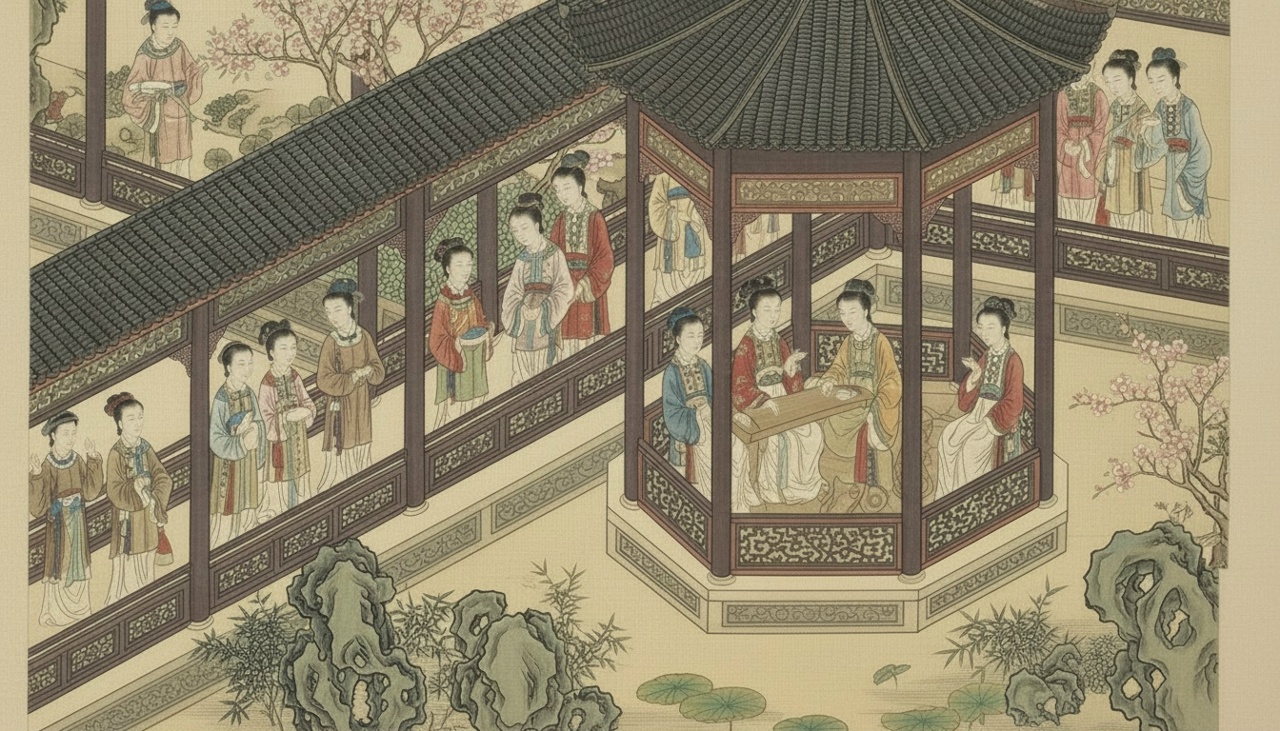
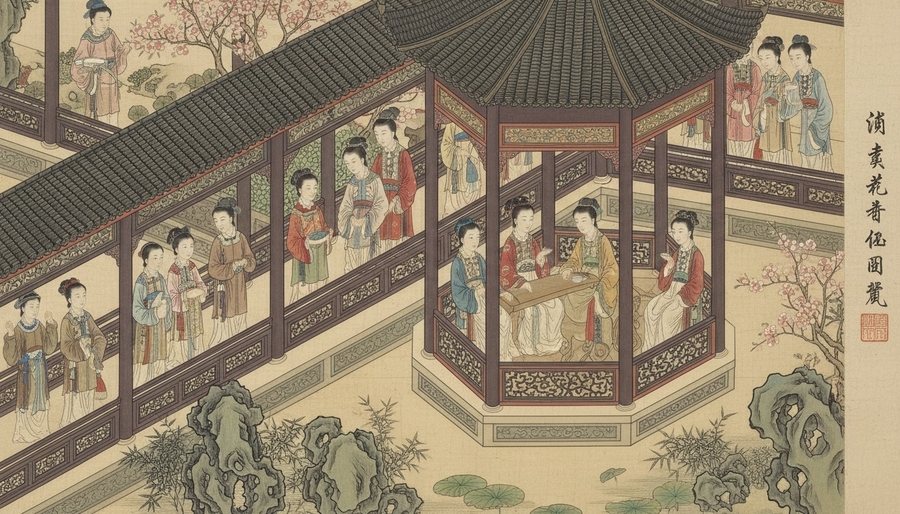
To digitize, simplify, and transform classical Chinese literature into engaging, serialized content for a modern Russian-speaking audience. Build an autonomous content funnel featuring automated post and visual generation. Monetization will occur through the sale of AI-generated audiobooks, merchandise featuring unique character art, partnerships with e-book services (LitRes, Yandex Books), and promotion of mobile Asian games.
Data Sources for Media
For the content to be accurate yet engaging, the AI must draw upon three levels of sources:
Academic and Literary Foundation (Prompt Basis): Classic Russian translations: V. A. Panasyuk («Three Kingdoms, ” „Dream in the Red Pavilion“), A. P. Rogachev („River Backwaters“), V. V. Rogachev („Journey to the West“). Historical Chronicles: „San Guo Zhi“ (to identify factual events and separate them from myths). Cultural Databases: Encyclopedias of Chinese mythology, dictionaries of symbolism (the significance of costume colors, Peking Opera masks, weapon elements).
Visual and Stylistic Context (Prompt Visual): Game Databases: Concept art from Total War: Three Kingdoms, Black Myth: Wukong, Dynasty Warriors, Genshin Impact. Asian Media Platforms: Weibo, Bilibili, Pinterest (using tags such as Hanfu, Wuxia, Xianxia art).
Marketing and Trend Context (Prompt Adaptation): Pop Culture Memes: Monitoring trends in Telegram channels dedicated to dramas and geek culture. SEO and Search Queries: Yandex Wordstat data related to Chinese mythology and games, used for keyword integration into posts.
Data schema separated into human and machine processing
Machine Processing
- Structuring: Deconstructing a 100-chapter novel into 1,000 short «episodes» (cliffhangers, intrigues, battles).
- Entity Extraction: Creating character profiles (name, faction, artifacts, personality, key quotes).
- Variation Generation: Writing 5 different versions of a single post (for Telegram, VK, Shorts script, Twitter thread).
- Synthesis and Design: Converting text to audio (TTS) for audiobooks and automatically compiling product cards for merchandise.
Human Processing
- Creating the Master LORE (Knowledge Base): Correcting name translations (e.g., strictly adhering to the Palladian system: Цао Цао, not Као Као).
- Final Approval (Gatekeeping): Reviewing AI-generated content before publication for textual errors and anatomical flaws in artwork.
- Strategic Marketing: Configuring CPA links (Litres/Yandex) for specific posts and selecting relevant game offers.
Guidelines for Automated Services in the Scheme
For the pipeline to operate autonomously and yield a high-quality product, each AI agent is given strict system instructions.
Agent 1: LLM Screenwriter (Content Generation)• Task: Transform dry historical text into a dynamic series. • Tone of Voice: Cinematic, ironic, contemporary, and free of archaic language. Use analogies from modern pop culture (e.g., «Cao Cao acted like a typical crisis manager on a Friday evening call at that moment»). • Post Structure: 1. Hook — an intriguing headline. 2. Body — 3–4 paragraphs of dynamic action. 3. Cliffhanger — stopping at the most exciting point. 4. Label it «Episode X, Season Y.» 5. Native Call to Action (CTA): «To find out if Liu Bei survived, check out our audiobook [Link]» or «Experience being in Cao Cao’s shoes in the game [Affiliate Link].»
Agent 3: TTS Agent (Audiobook Creation and Shorts Voiceover)• Goal: Automated generation of high-engagement audio content. • Voice Settings: Deep, charismatic male or female voice with a slight dramatic overtone (akin to movie trailer voiceovers or top Litres readers). • Tagging Rule: Mandatory use of phonetic transcription for correct stress in Chinese names and titles (Zhao Zhao, Zhuge Liang, Sun Wukong).