Site Analysis
- Trekhgornaya Manufactory
— formerly a textile factory
— today a hub featuring offices for major companies, startups, large media, and fashion brands
— the grounds include cafes, restaurants, and parking facilities
2. Moscow City
— large Russian and international corporations
— office space
— restaurants, cafes, and gastronomic venues
— upscale apartments and hotels
— retail areas
3. International Trade Center
— offices for Russian and international companies
— event forums and conferences
— hotels and restaurants
4. Embankment + Krasnaya Presnya Park
— pedestrian zone
— recreation area for families, dogs, and couples
Target Audience Analysis
1. People who intentionally visited the store
— There aren’t many offline locations in Moscow selling these cameras; in any case, an original store has a greater advantage.
— People interested in buying or who are already Leica clients.
2. Entrepreneurs / Executives
— Employees of City, CMT, Three-Gorny Manufactory.
— People passing by the store or hearing about it.
3. People from the creative industry
— Professionals in media / fashion.
— Art connoisseurs.
— People who attended special events/lectures.
Brand Analysis

Leica — it was a revolution in the world of photography. Before the 20th century, photography was static and posed. Cameras were heavy and large, often mounted on tripods. The photographer was like a theater director, staging the light, set design, and guiding the subjects. However, everything changed in 1913 thanks to Oskar Barnack, who worked at the Leica Institute. Oskar suffered from asthma and a deep passion for photography. Due to the difficulties of moving around with heavy equipment, he conceived of a compact camera. Thus, Leica became a revolutionary tool in the world of photography because it allowed for instantaneous, historical captures.
The camera, thanks to its compactness and multi-frame capability, allowed for the capture of eras and the recording of history. Photographs became instantaneous and vibrant.
If photographs were previously more staged—with specialized lighting, pre-prepared sets, and posed subjects—the advent of Leica cameras allowed for the capture of genuine human emotion and authentic, candid moments.
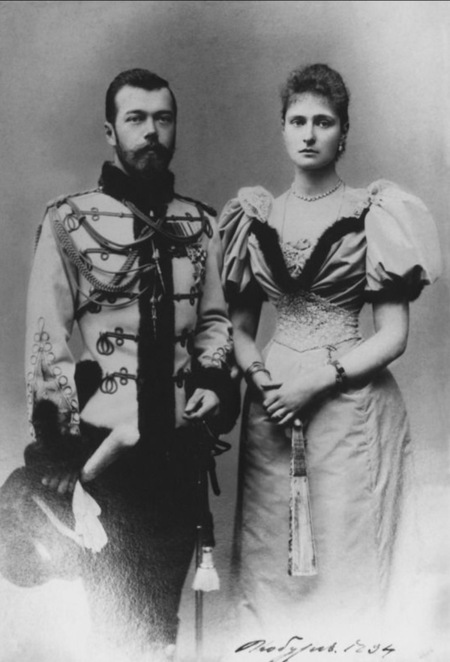
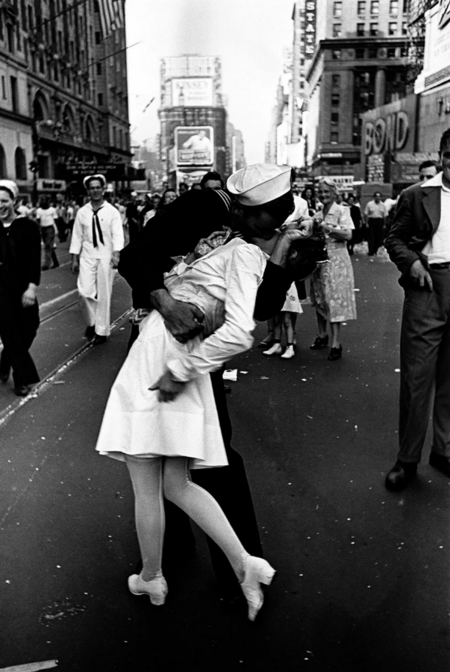
Nicholas II with Alice Hessen in Coburg, unknown artist, 1894 / Kiss on Times Square, Alfred Eisenstaedt, 1945
Due to its compactness and portability, the Leica camera became a key instrument for historical photography.
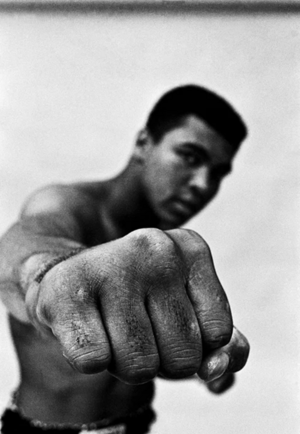
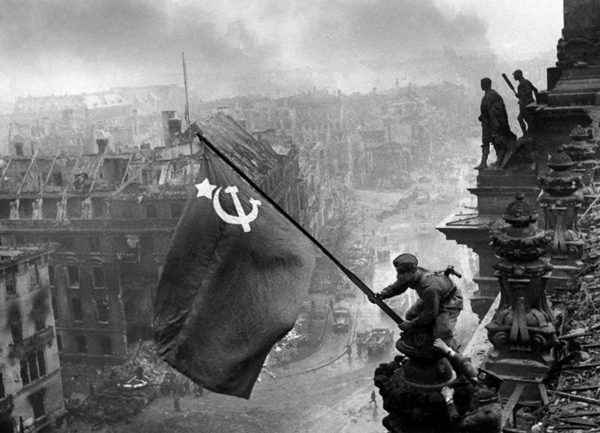
Muhammad Ali, Thomas Hoepker, 1966 / Victory Banner over the Reichstag, Eugene Healey, 1945
Contemporary Leica Photographers
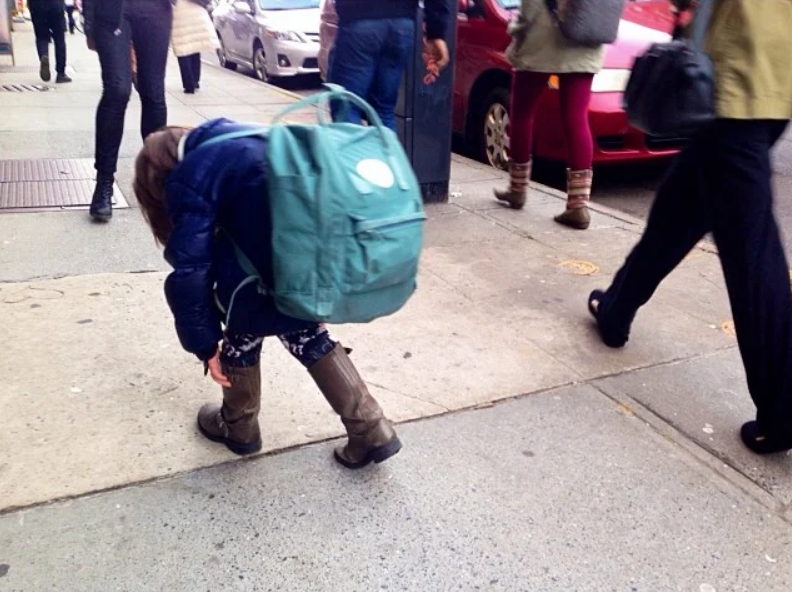
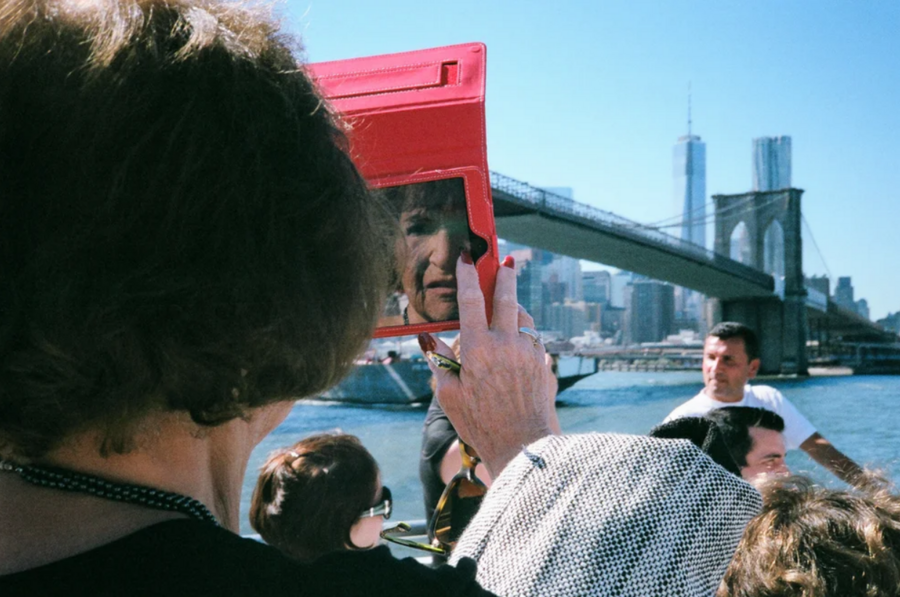

works by Daniel Arnold, executed on a Leica camera
Leica Store Analysis
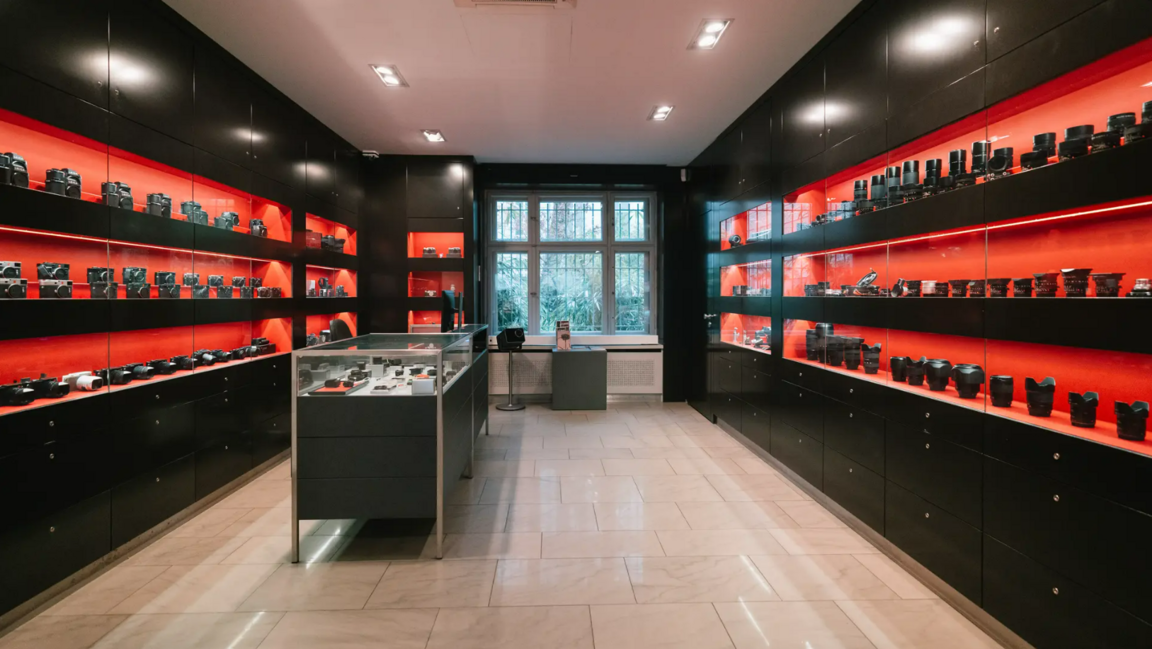
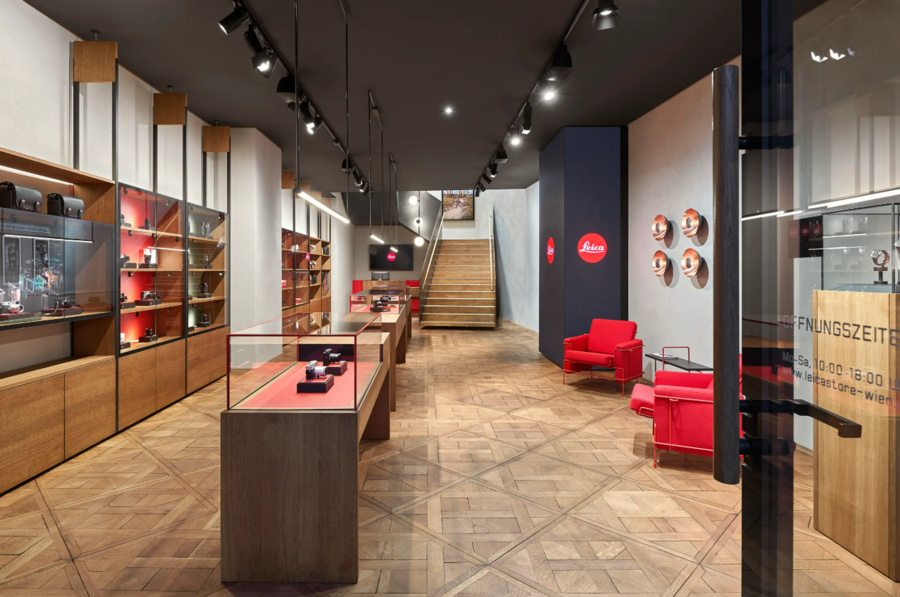
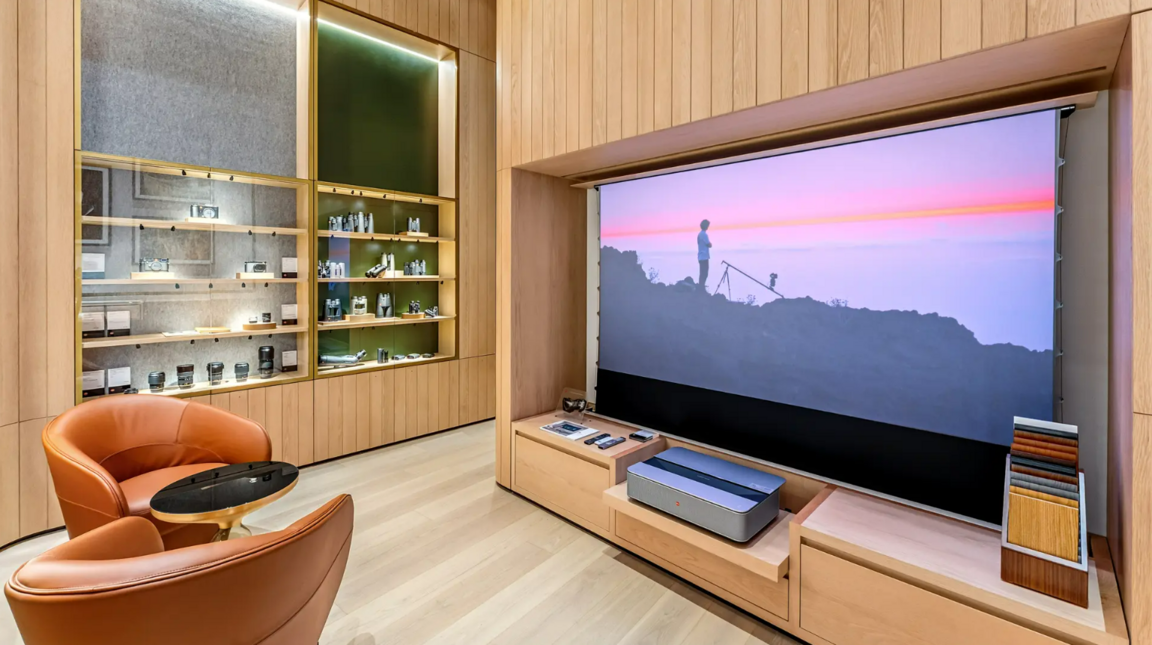
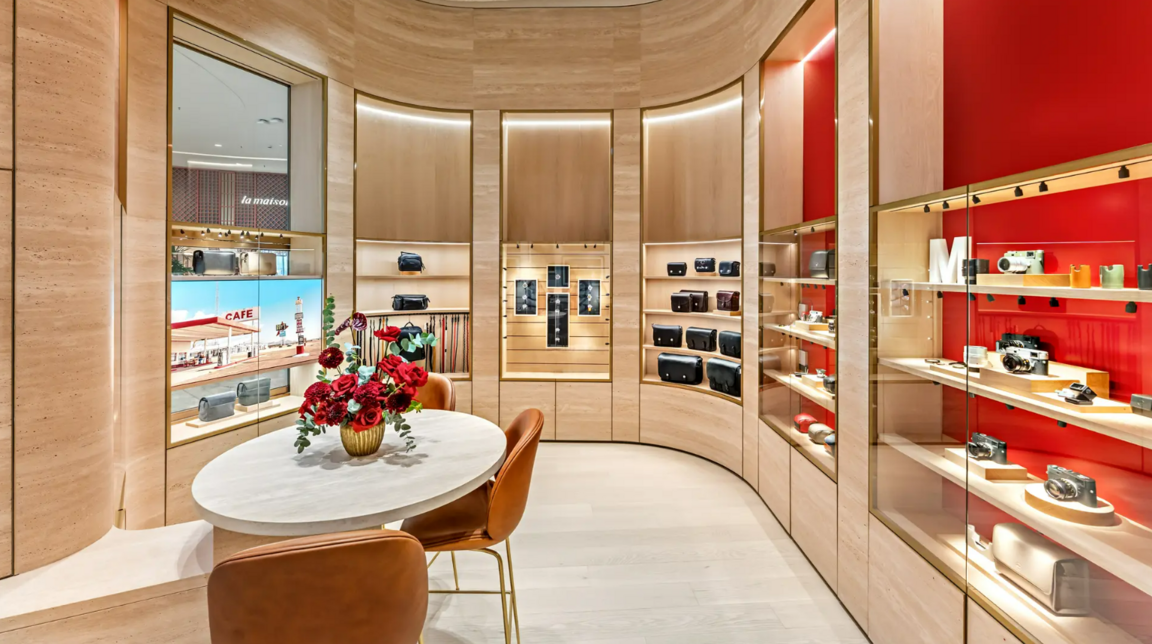
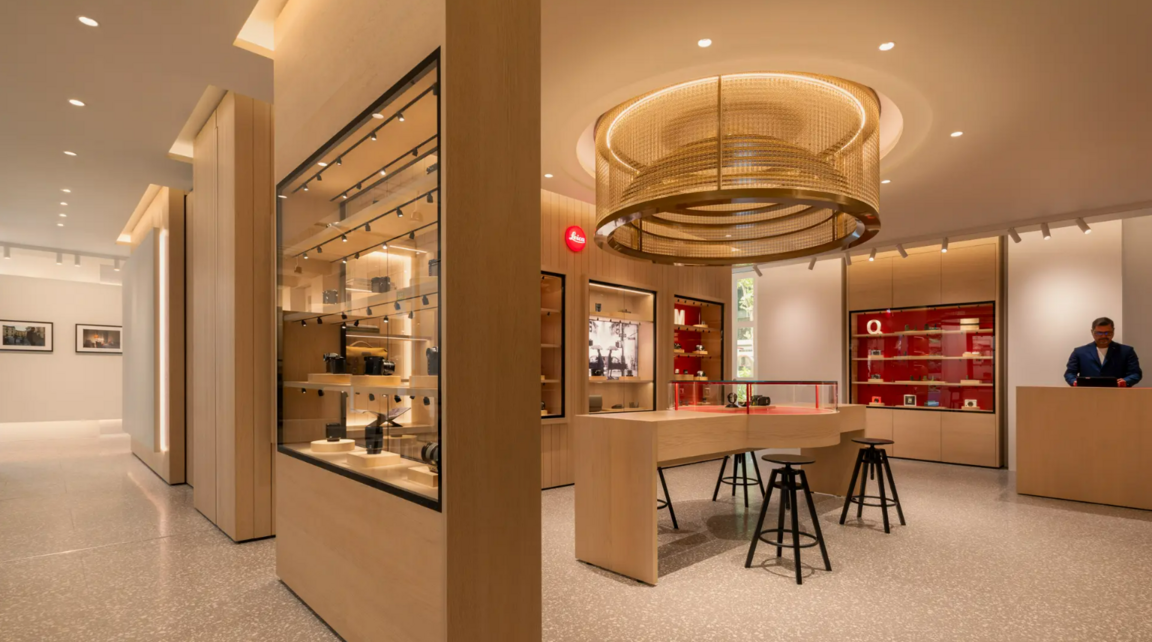
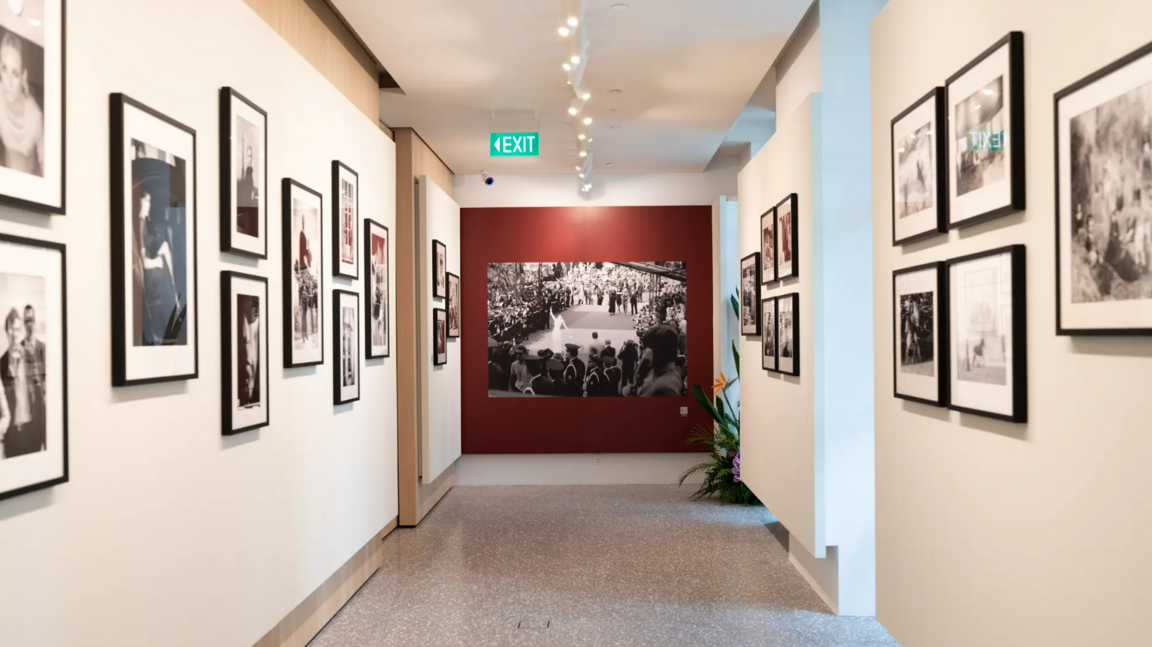
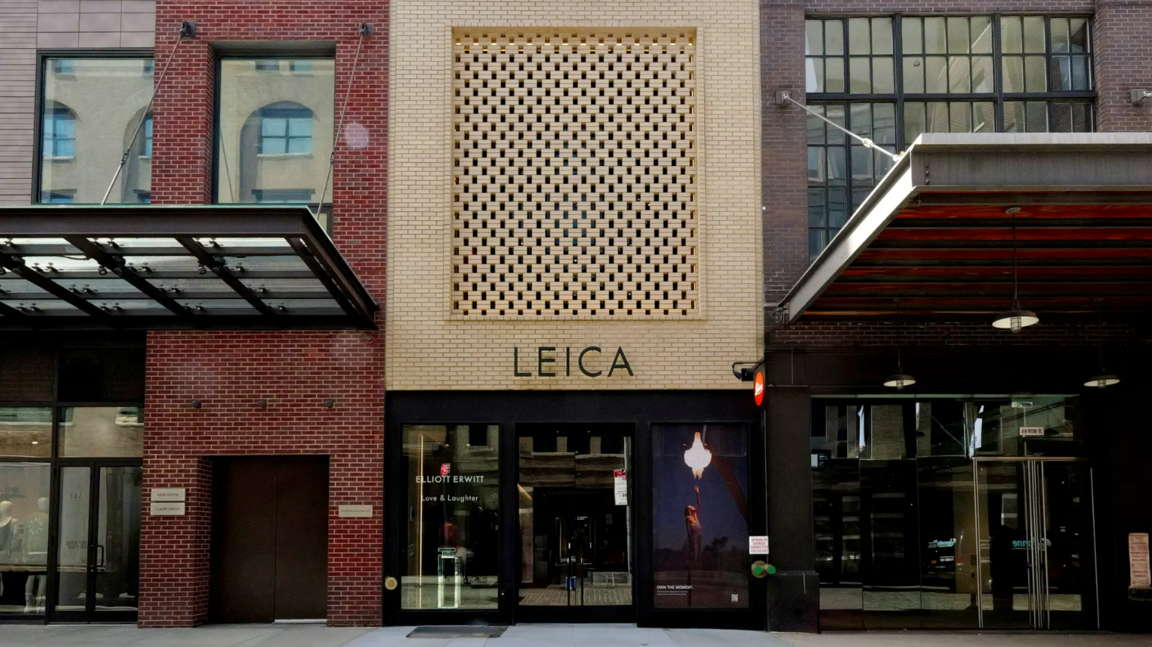
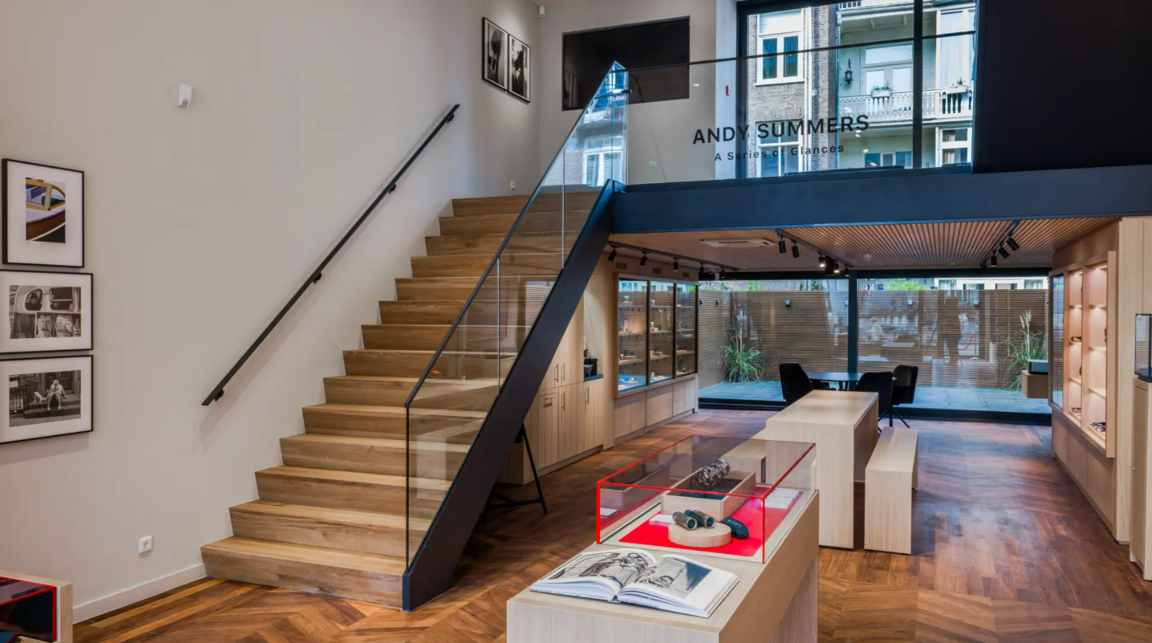
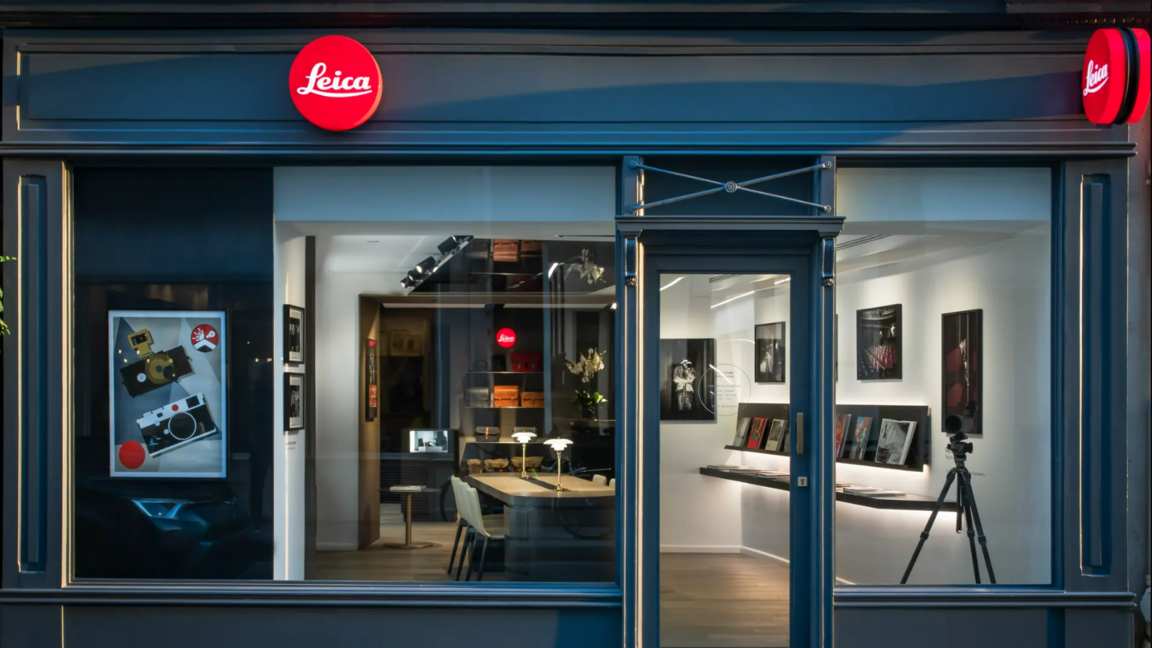
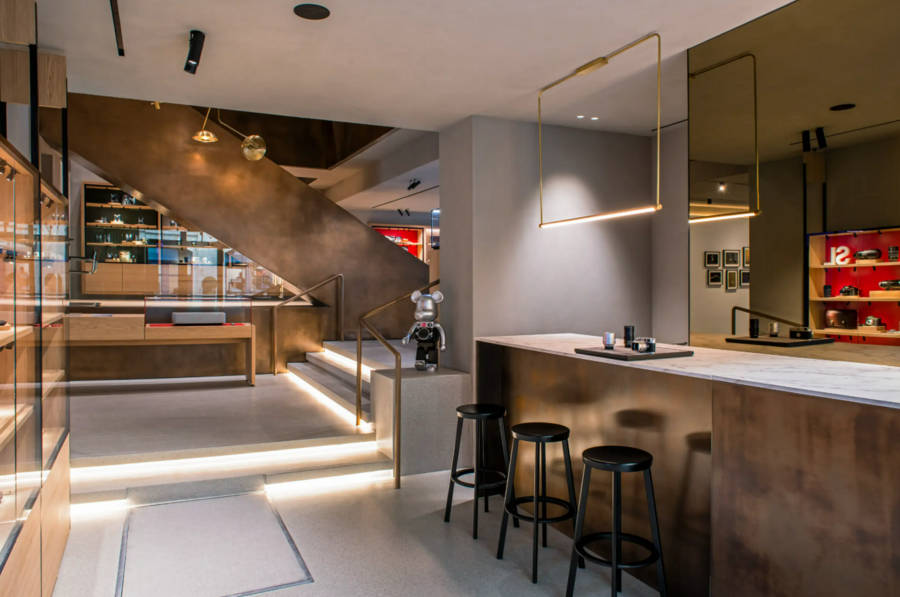
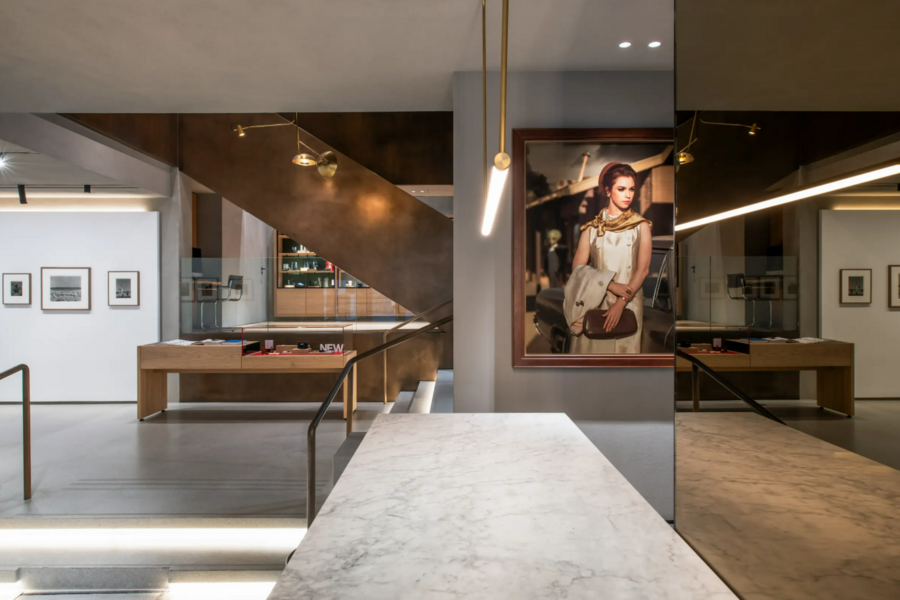
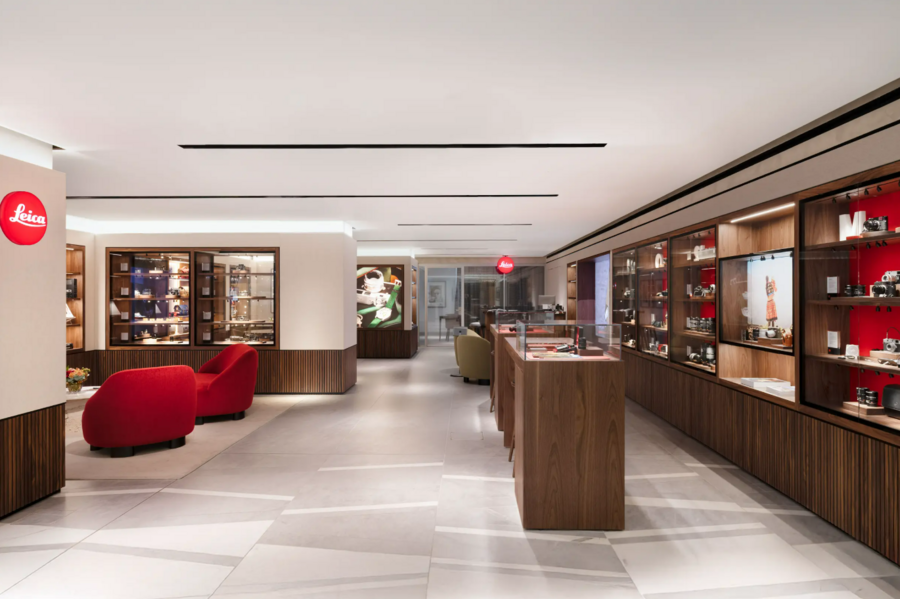
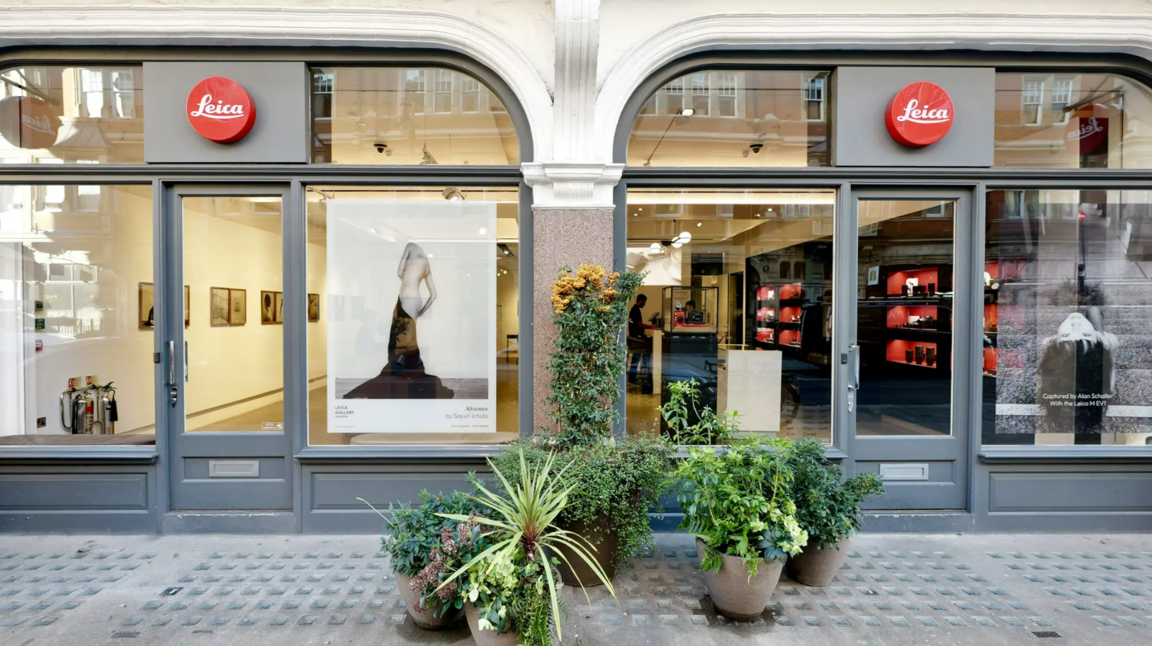
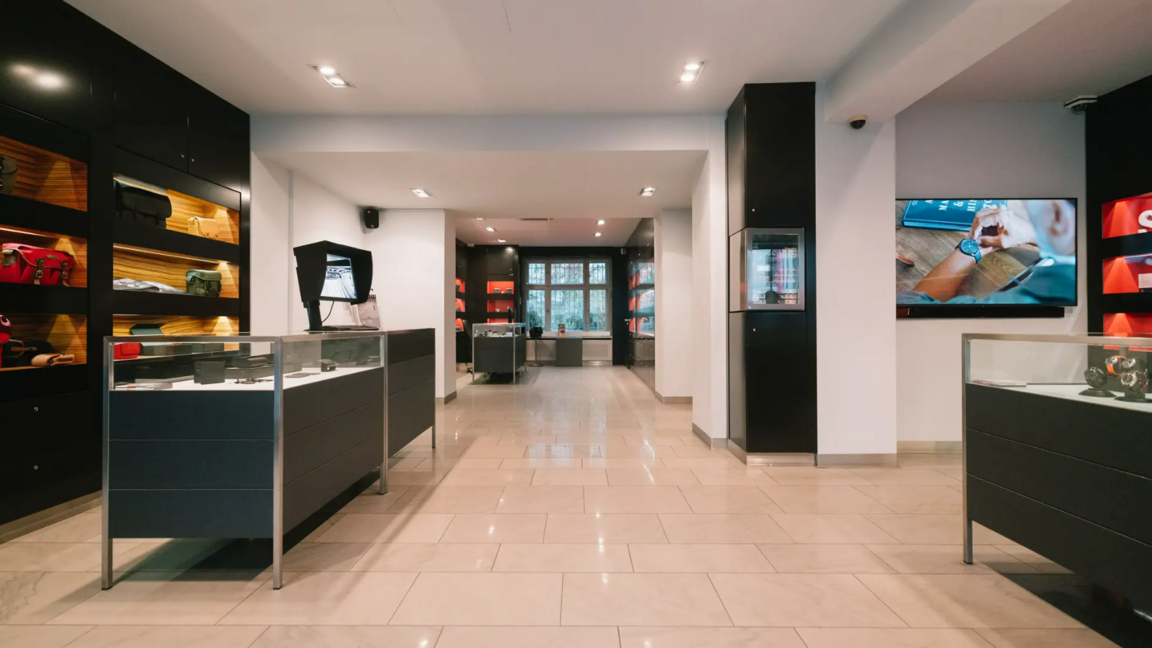
Leica Stores Worldwide
— Comfortable lounge area with a coffee table
— Photo gallery
— Large table for product display
— Lecture hall
— Product display cases
— Book reading area
Products
— cameras
— lenses / objectives
— straps / bags / cases for cameras
— «Leica picture of the year» poster
— camera accessories: tripods, etc.
Moodboard
Interior Mood Board
Functional Zoning
Axonometry
Factory
As a fabrication project, I propose creating a keychain in the shape of the Leica camera that allows the user to insert their own photograph.