Media Concept
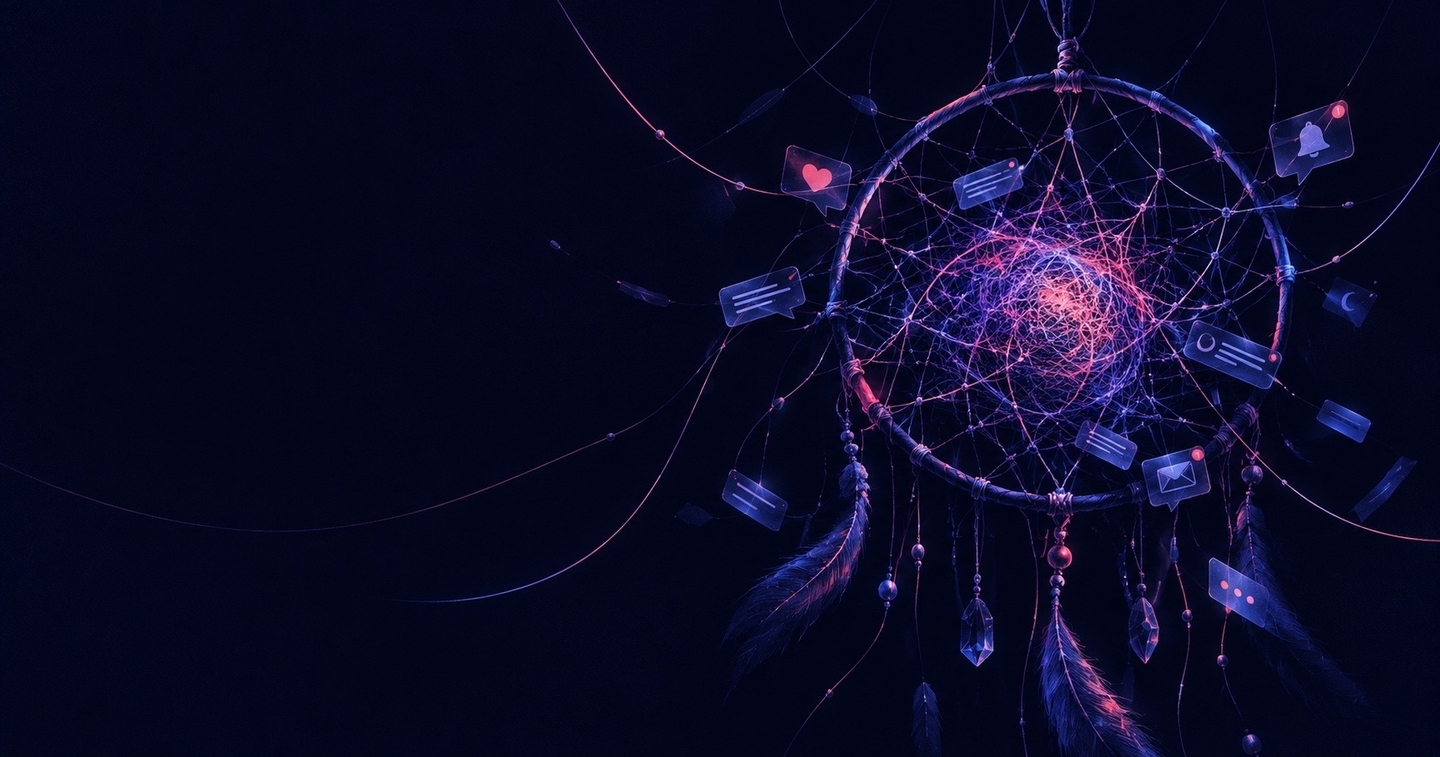
«Alarm Catcher» — a visual medium exploring anxiety, emotional overload, and everyday ways to engage with one’s own experiences.
The project integrates informational materials, visual experiments, personal observations, and creative practices. Through these, the media explores how anxiety manifests in everyday life and how individuals can support themselves through difficult moments.
Target Audience
The primary audience consists of young adults, approximately 18–25 years old, who are dealing with emotional overload, academic or work-related stress, uncertainty, and the constant flow of information.
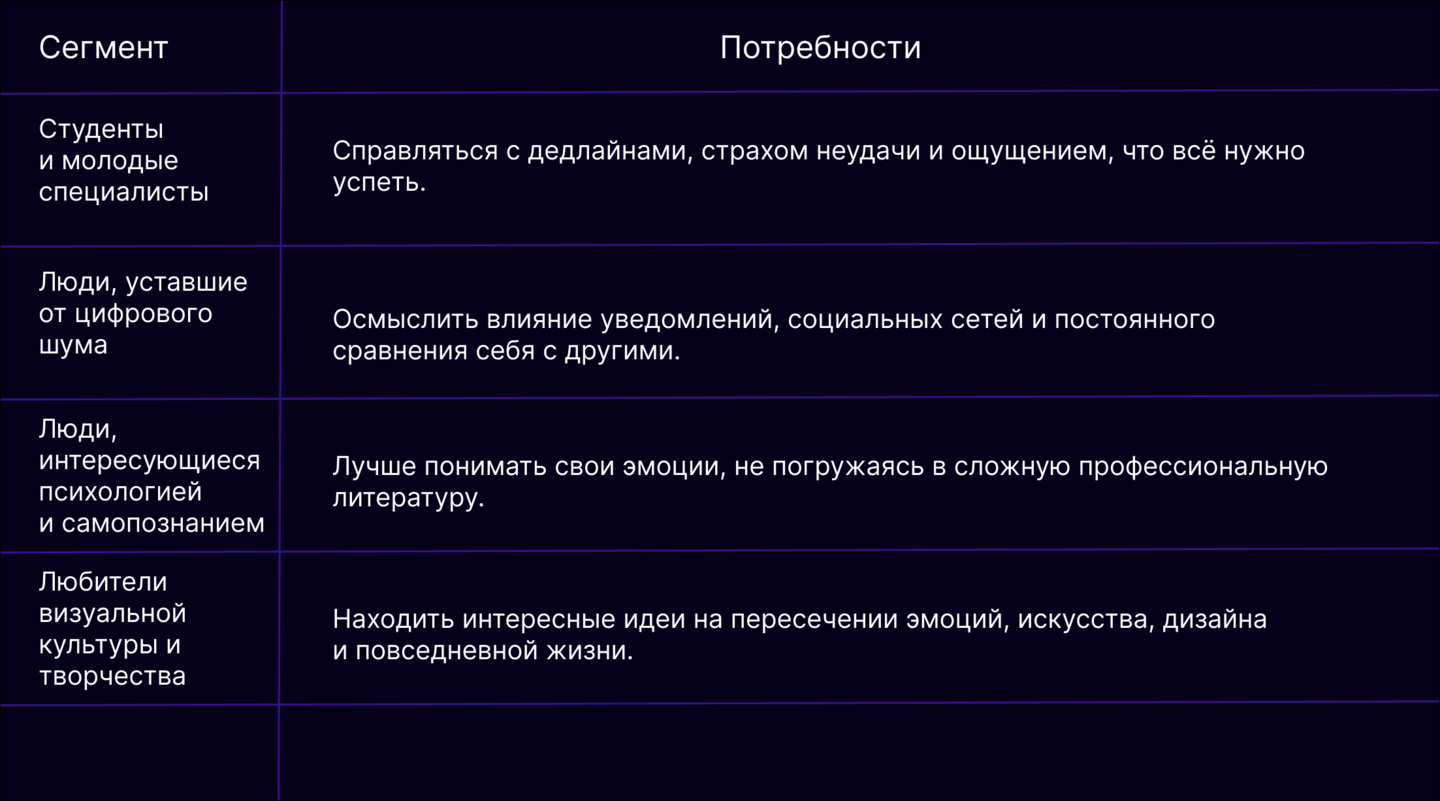
The audience is not necessarily experiencing anxiety or has a psychological diagnosis. The project also addresses the everyday worries that arise in daily life.
Format and Venues
The primary media platform is the Telegram channel. It allows for the aggregation of short texts, visual cards, videos, audio materials, polls, and audience reactions.Additional platforms could include VK and short vertical videos adapted for social media.The media utilizes several formats:
1. Text posts and mini-essays;
2. Visual cards and thematic collections;
3. Short videos and animation experiments;
4. Audio exercises;
5. Polls and interactive content;
6. Creative assignments for the audience.
The core principle of our publications is the combination of accessible content and expressive visual presentation.
Thematic Plan for Half a Year
Publication Rhythm: Approximately 2–3 pieces of content per week, which equates to about 10 publications per month. Over six months, this will result in roughly 60 pieces of content.
Example weekly editorial schedule
The schedule is flexible: if a topic requires a detailed explanation, one comprehensive piece can be released instead of several short posts.
10 Content Samples
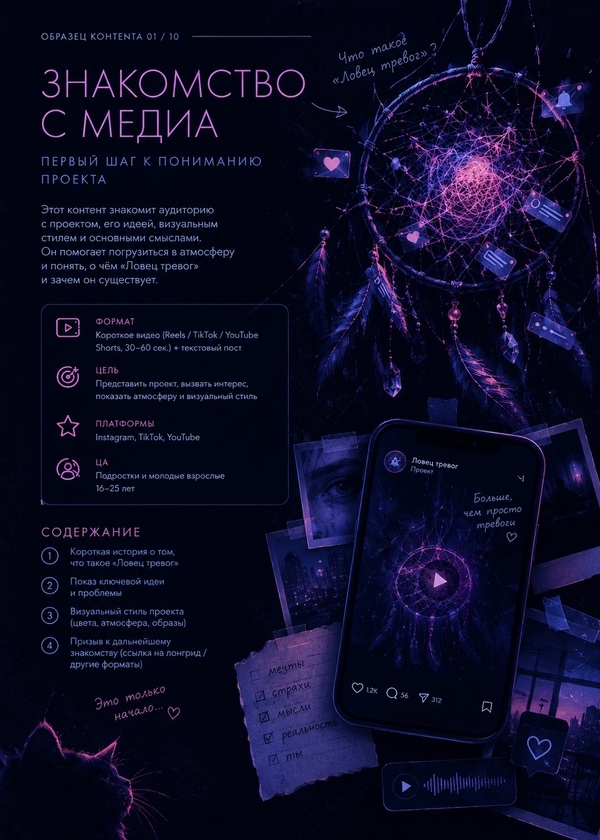
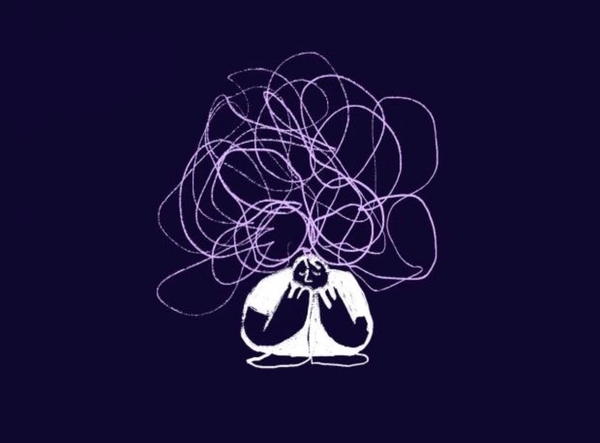
1. Introduction to MediaWhat if I don’t make it? What if everything goes wrong? Why am I replaying that conversation in my head again, even though it ended three hours ago?Sometimes it feels like our thoughts have a life of their own. They cling to each other, repeat themselves, and turn into an endless tangle. And the harder you try to untangle it, the tighter the knots get.«Anxiety Catcher» is a media project about anxiety, information overload, and the attempts to find a little calm in everyday life.Here, we will explore anxiety through psychology, art, visual imagery, and creativity. We will examine familiar experiences, notice small rituals, and seek ways to support ourselves.We are not promising to cure your anxiety. We won’t force you to think positively or turn self-care into just another item on your to-do list.Instead, we will try to look closely at what is happening inside us.Perhaps not every thought needs to be caught. Sometimes, simply giving it space and letting it pass is enough.Welcome to «Anxiety Catcher.»
2. «Anxiety Speaks» CardsCard 1
ANXIETY SPEAKS: «WHAT IF…»Card 2
«What if I mess everything up?»Card 3
«What if they think badly of me?»Card 4
«What if I forgot something important?»Card 5
An anxious thought can sound convincing. But the thought of an event does not mean it will happen.Card 6
Try to notice: what exactly scares you? What do you know for sure, and what are you only guessing at?
Thoughts sometimes disguise themselves as predictions. Anxiety paints a possible future and suggests perceiving it as if it has already happened. The next time you catch yourself thinking, «what if, ” try adding, „Right now, I am afraid that…“ This isn’t a magical calm button. But sometimes such a clarification helps separate the emotion from the fact.
3. Mini-Essay: «Why Can’t We Just Stop Checking Our Phones?»The Phone That Never Stops CallingYou pick up your phone to check the time. Within minutes, you’re reading messages, checking the news, and scrolling through the feed. You close the app, but you’re almost immediately back on it.
Sometimes it’s just a habit. Sometimes the phone becomes a way to briefly distract ourselves from unpleasant thoughts. And sometimes, we check it because we’re afraid of missing something important.
A message that hasn’t arrived yet. News we need to know. Someone else’s opinion that, for some reason, affects our mood.
The digital environment is designed to constantly capture attention. Notifications, updates, and endless feeds create a feeling that something new is always happening behind the screen.
However, not every time we look at our phone means we have a problem. The important thing is not to scold yourself for the habit, but to try to notice what is happening in that moment.
Am I opening my phone because I actually need something? Or because it’s hard for me to be alone with my own thoughts?
You can start with a small observation. For one day, notice in what situations your hand automatically reaches for the screen.
You don’t need to delete all your apps, turn off the internet, and move into the woods right away. It is enough to learn a little more about your own habit.
Sometimes the first step toward quiet starts with the question: Why did I open my phone right now?
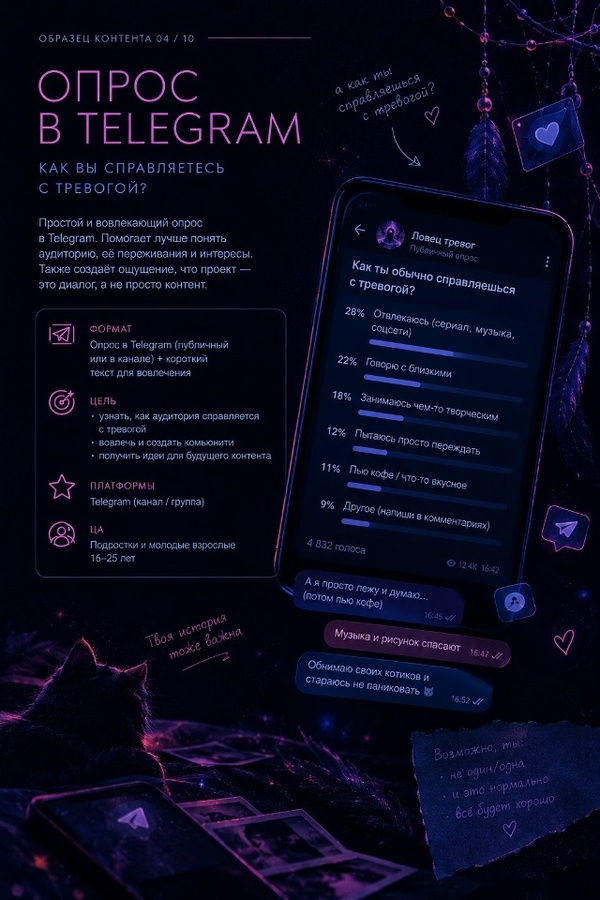
4. Interactive Poll: «What’s Messing With Your Mind Today?»You do not need to explain or justify your answer. Simply select what resonates most with you right now.
If you wish, you can write one word in the comments to describe your current state. We will compile all the responses into a collective visual collage.
5. Creative Practice: «Draw Your Anxiety»
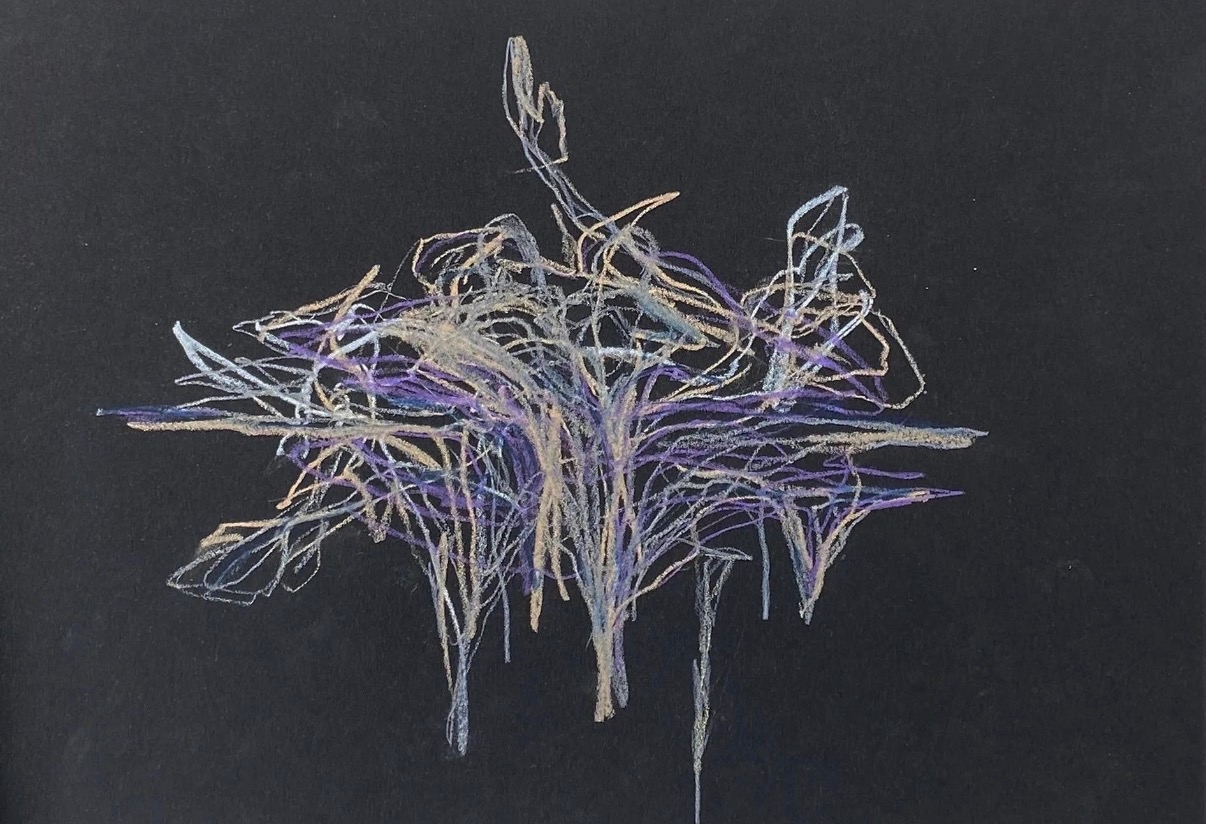
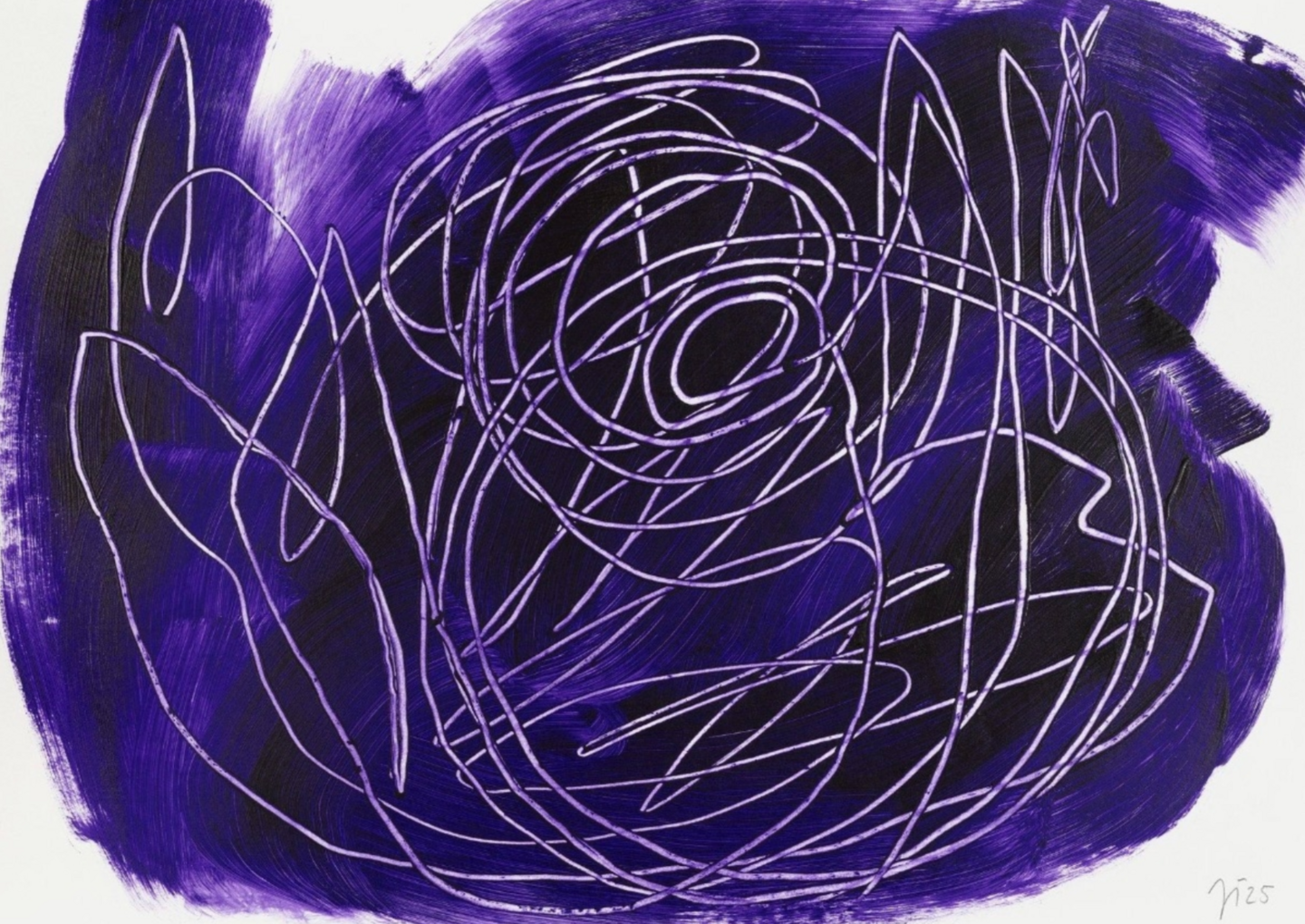
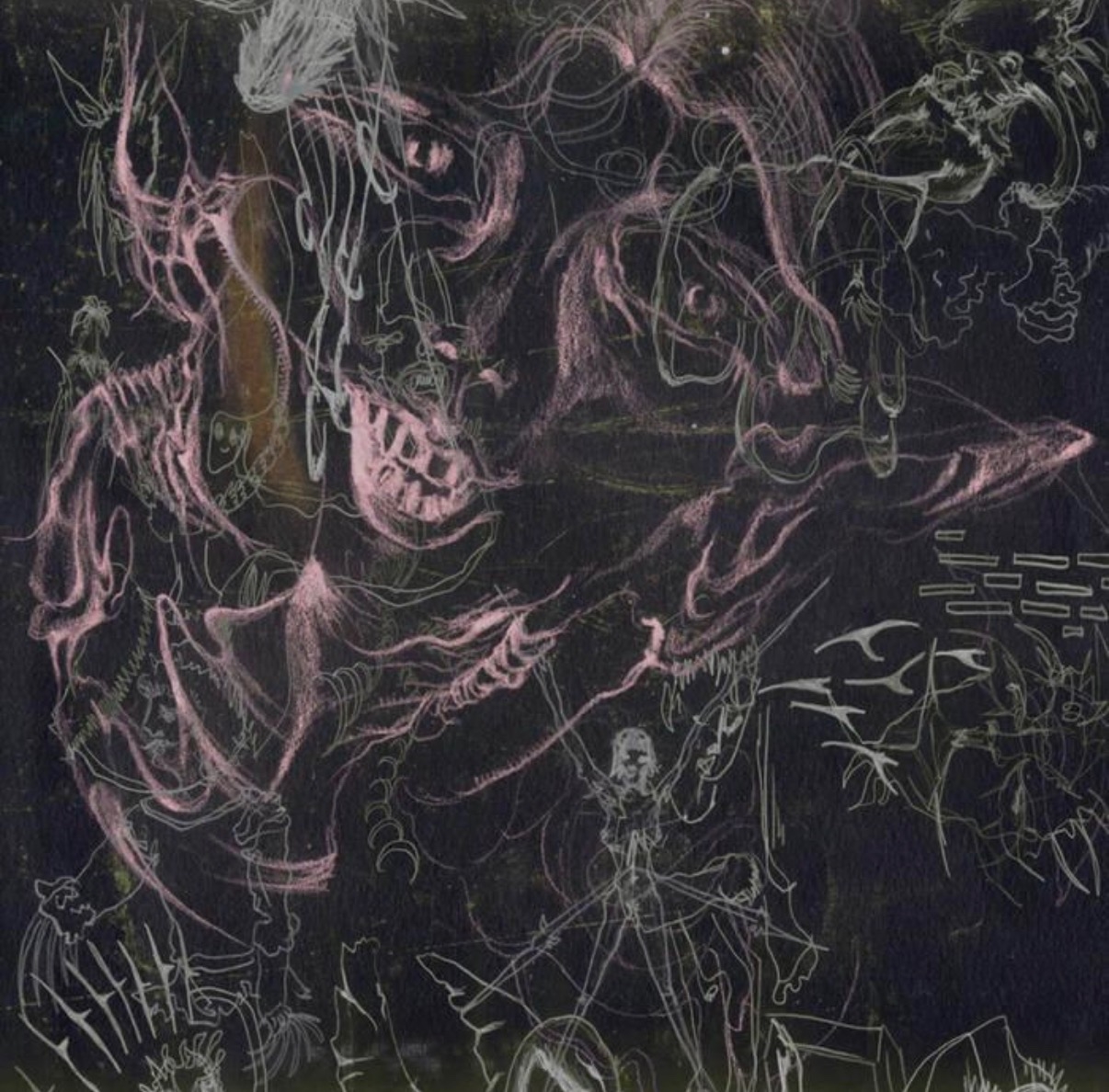
Card 1
Draw your anxiety.Card 2
Don’t think about beauty. Take any sheet of paper and a tool: pencil, pen, marker, or brush.Card 3
If your anxiety were a line, what would it look like? Jagged, heavy, barely visible, endlessly repetitive?Card 4
Try to give this line a shape, color, or size.Card 5
Look at the drawing from a distance. You don’t have to understand what it means. You can simply notice what you created.This is a creative exercise for self-observation, not a psychological test. The drawing has no single correct interpretation.
If you find the exercise uncomfortable, you can stop. You shouldn’t force yourself to depict something you don’t want to engage with right now.
The main point here isn’t the result, but the opportunity to express a feeling in a way that doesn’t require finding the right words.
6. Video: «Deadline Anxiety»Format: 30–40 second vertical video
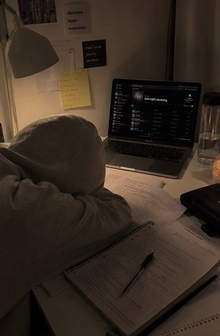
Concept: To show how a typical workspace gradually transforms into a visual representation of anxiety, and then returns to a state of calm.
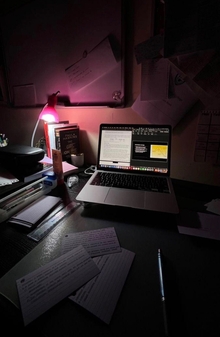
Frame 1. 0–5 seconds
A young woman sits at a desk in front of an open laptop. The screen reads: «Due tomorrow.»
Voiceover: «There’s still a full day until the deadline. But in her head, it’s already here.»
Frame 2. 5–13 seconds
Sheets of paper multiply, and lines begin to fill the screen. Words appear in the background: «I won’t make it, ” „It’s too late, ” „I should have started sooner.“
Voiceover: „One thought catches another. The work seems immense, and starting it becomes harder and harder.“

Scene 3. 13–25 seconds
A young woman puts down her phone, picks up a sheet of paper, and writes down one small next step.
Voiceover: «You don’t have to try to solve everything at once. Try choosing one action that you can genuinely start with.»