КОНЦЕПЦИЯ ИНДИ-ЖУРНАЛА ОБ ИСТОРИИ МОДЫ
ОДИН ФЕНОМЕН → РАЗНЫЕ ЭПОХИ → НОВЫЙ ФОРМАТ
MANIFESTO
PROJECT MANIFESTO
I do not want to recount the history of fashion from one era to the next. I want to investigate what connects them.
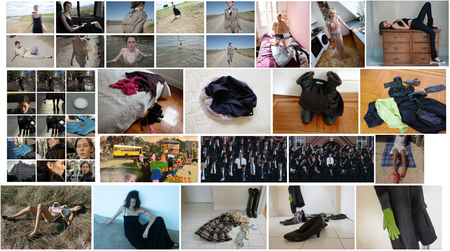
At the heart of the journal are discrete phenomena that can be examined simultaneously across different historical contexts. Archival materials, contemporary photography, collages, typography, and original research must not merely coexist on the pages—they must complement and amplify one another. We are creating a journal that can be read as a study and viewed as an art object.
One that does not offer a definitive narrative of fashion history, but rather ignites curiosity,
compels the reader to notice details, ask questions, and forge their own connections. Because for us, the history of fashion is not a collection of past epochs. It is an endless dialogue that is unfolding right now.
STEP 1. PROJECT IDEA AND CONCEPT
Создание независимого концептуального журнала

We explore the phenomena of fashion history outside of linear chronology through dialogues between eras, expert perspectives, and an experimental visual language.
CONCEPT:
Instead of studying historical eras sequentially, each issue focuses on a single fashion phenomenon examined across different periods. The journal uncovers unexpected parallels, contradictions, and connections between the past and the present. An archival image may sit alongside contemporary photography, a historical fact beside an original interpretation, and materials from various eras can engage in dialogue on a single spread.
STEP 2. WHO IS READING US?
Создаем журнал для тех, кто хочет не только смотреть, но и понимать
Our audience comprises visually literate, curious individuals for whom fashion is not merely clothing and trends, but a way to explore culture, history, and society.
These are readers who value finding unexpected connections, uncovering different perspectives, and deriving aesthetic pleasure from the act of reading.
CORE AUDIENCE — AGES 20–35
WHAT INTERESTS OUR READERS?
- HISTORY OF FASHION AND COSTUME
- DESIGN AND VISUAL CULTURE
- ART AND CULTURE
- ARCHIVES AND RESEARCH
- INDEPENDENT MEDIA AND PRINT CULTURE
WHAT IS OUR READER LOOKING FOR IN OUR MAGAZINE?
Our reader doesn’t just flip through the magazine for beautiful images—they examine the details, read the articles, revisit specific spreads, and save issues as part of a personal library.
MARKET RESEARCH
MAIN FINDING:
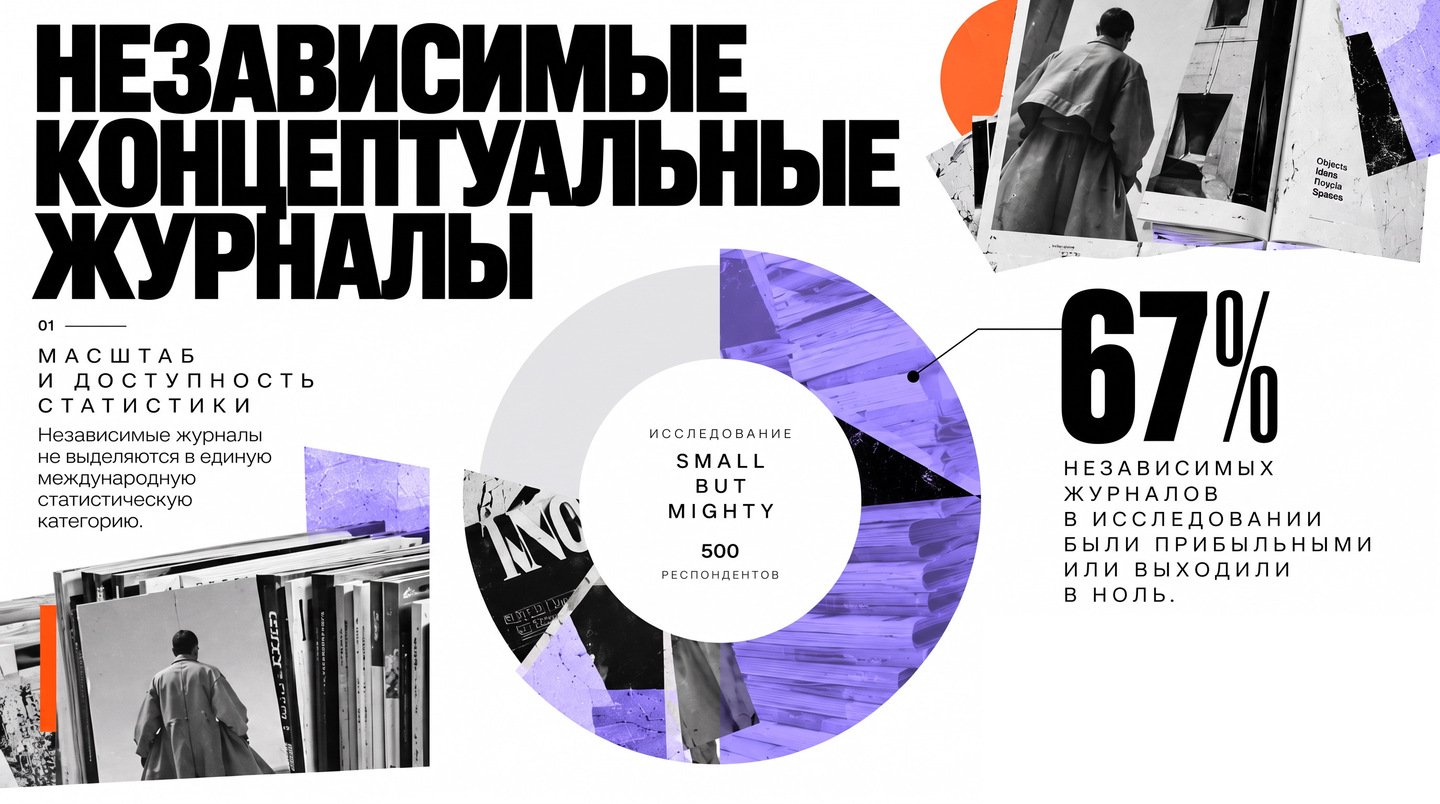
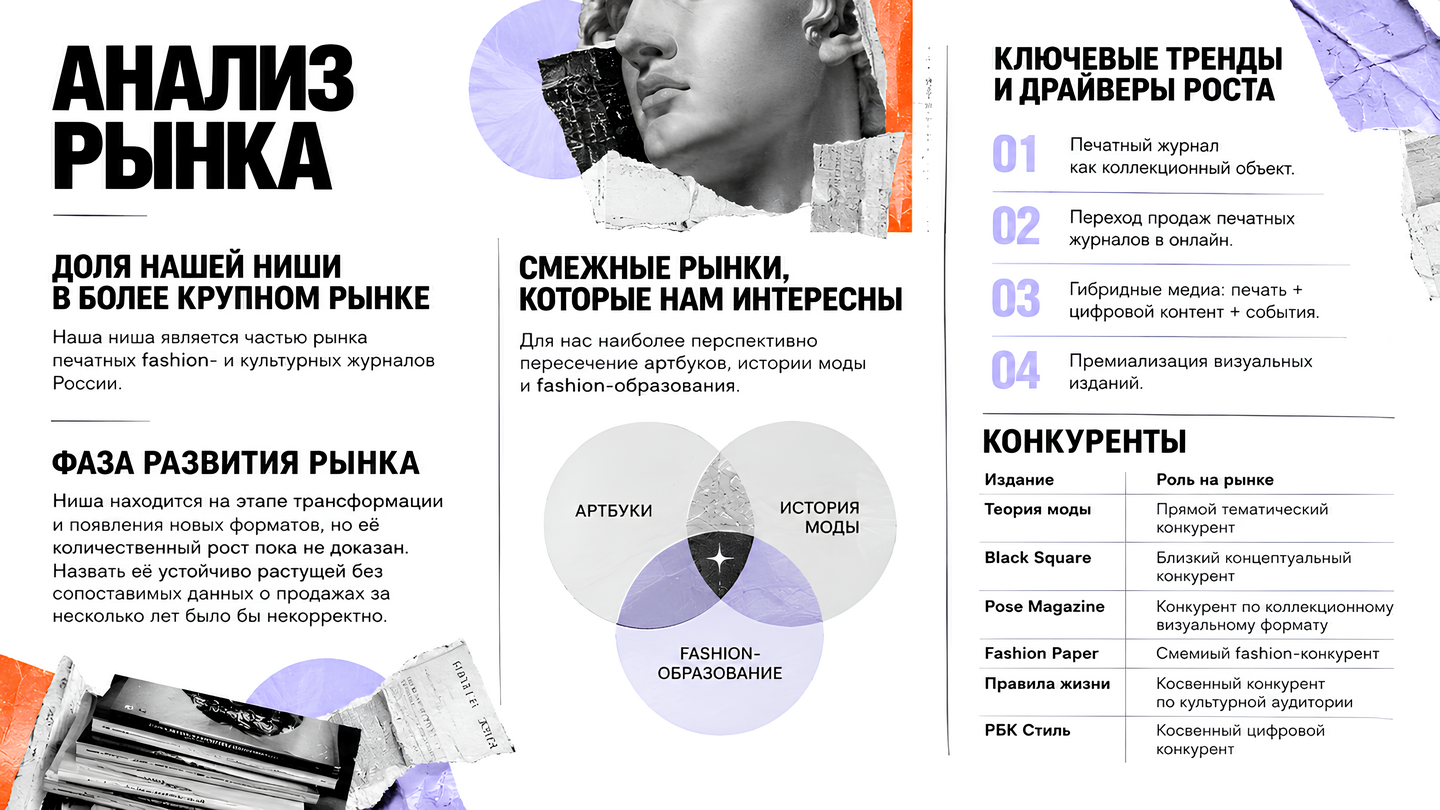
Because the niche for conceptual publications on fashion history is narrow and virtually unrepresented in market statistics, the research is structured by a principle of sequential narrowing—moving from the general print media market to specialized independent publications.
STEP 1. THE GLOBAL MARKET
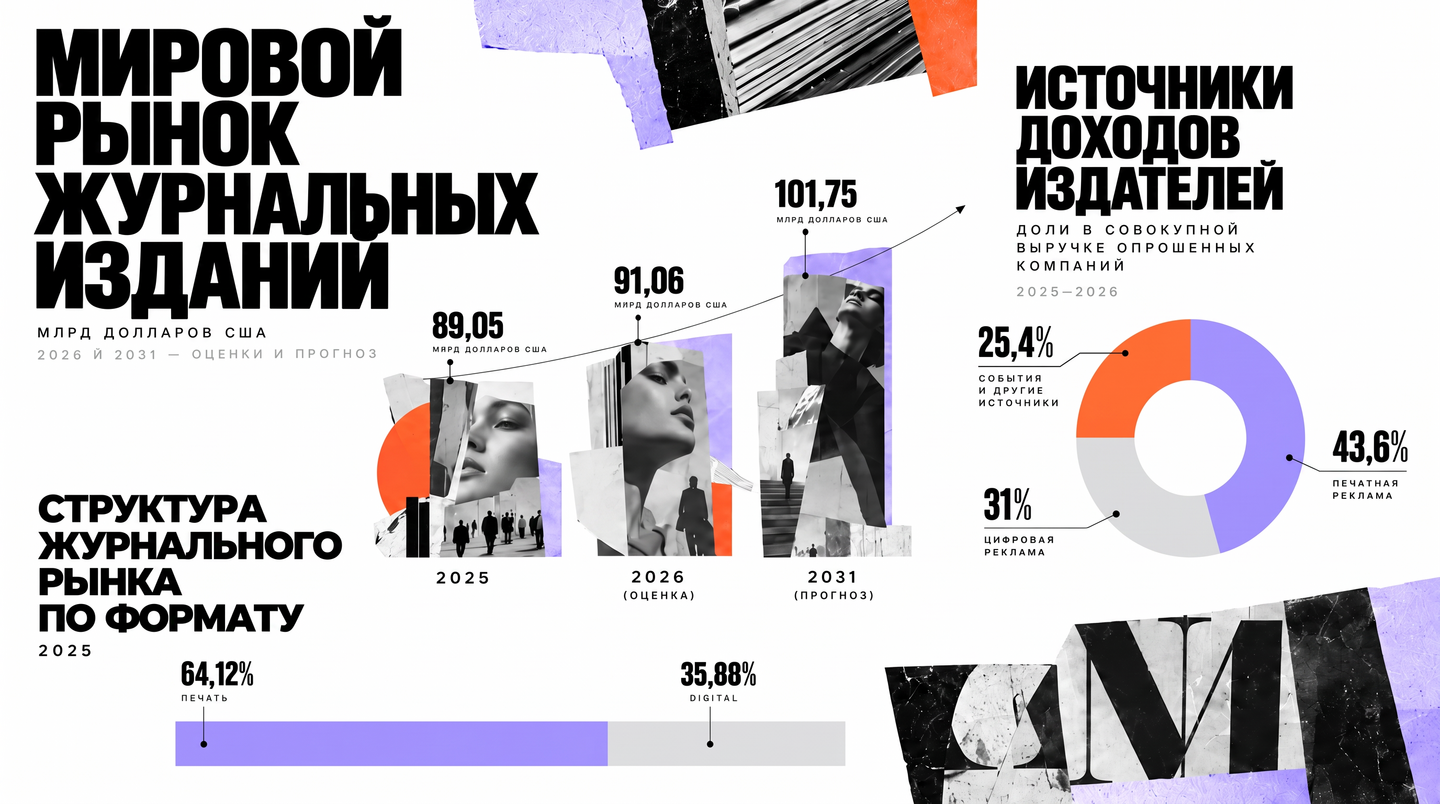
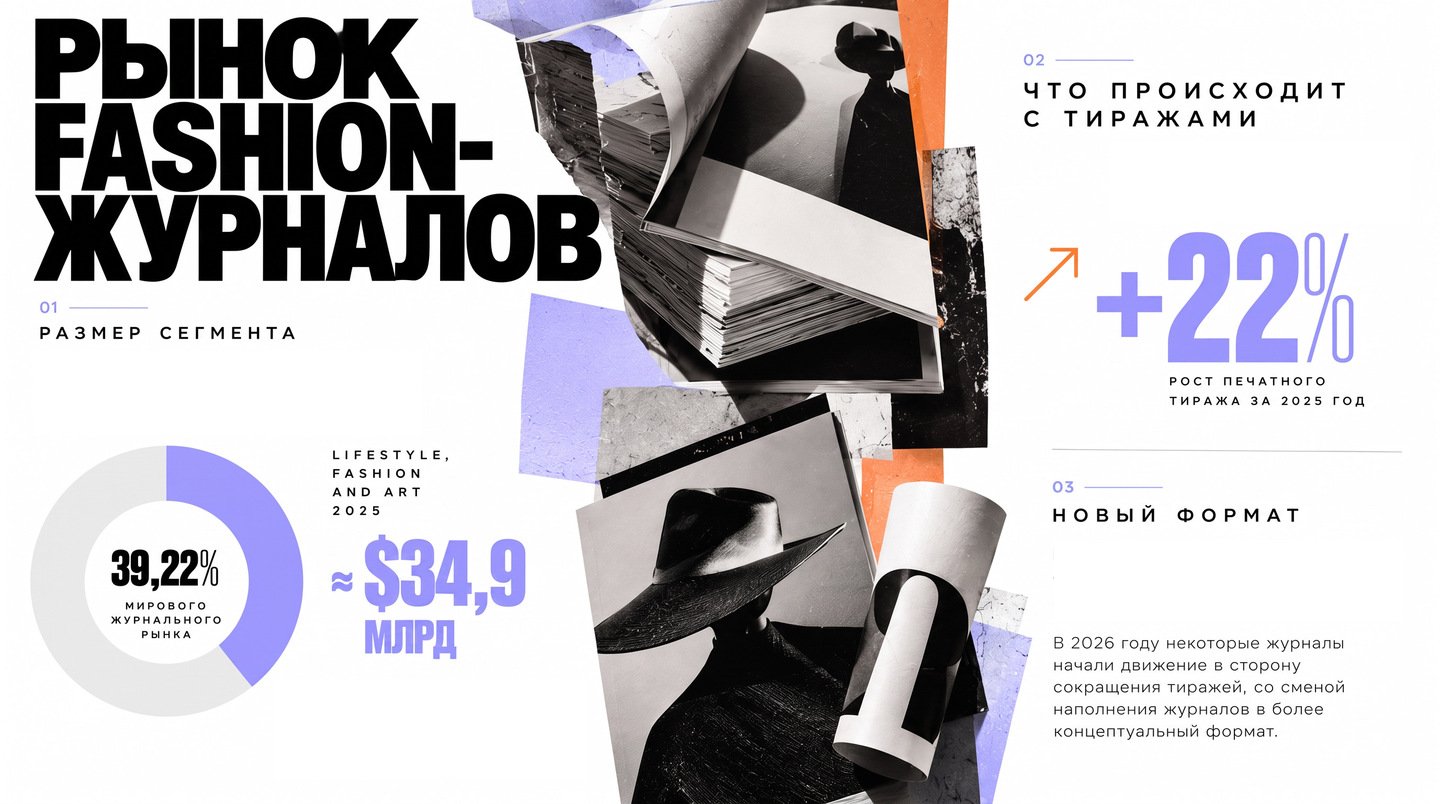
Sources: Mordor Intelligence, Magazine Publishing Market, Wan-Ifra, Vogue Business, Press Gazette, International Magazine Centre, Research & Analysis of Media, magCulture.
STEP 2. TWO CASE STUDIES
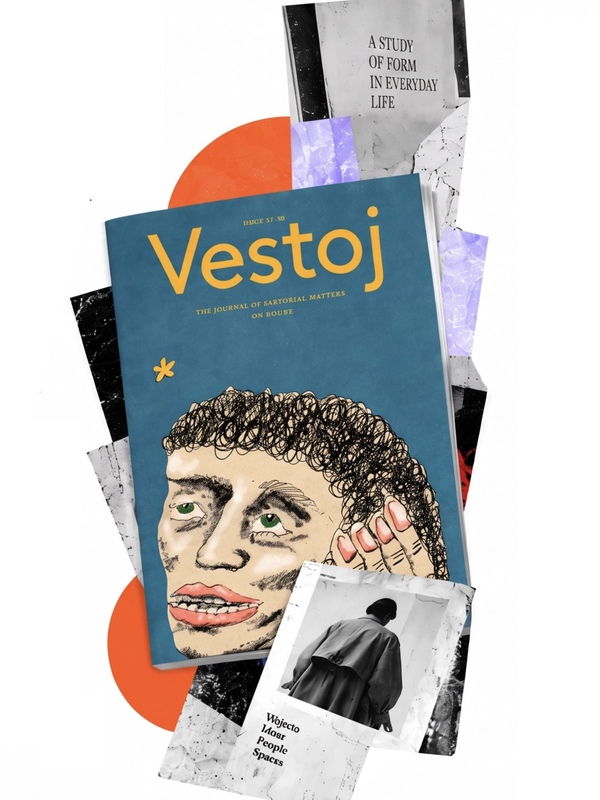
VESTOJ
FROM AN INDEPENDENT MAGAZINE TO A RESEARCH PLATFORMFounded in 2009It investigates fashion through history, culture, philosophy, and social issues.
It bridges academic rigor with accessible presentation.Cooperation began in 2014
with Studio Blanco, which
revamped the visual identity and editorial structure.
LESSON
A narrow intellectual theme can form the foundation of a complete cultural brand, and art direction must help unfold the content, not merely decorate it.
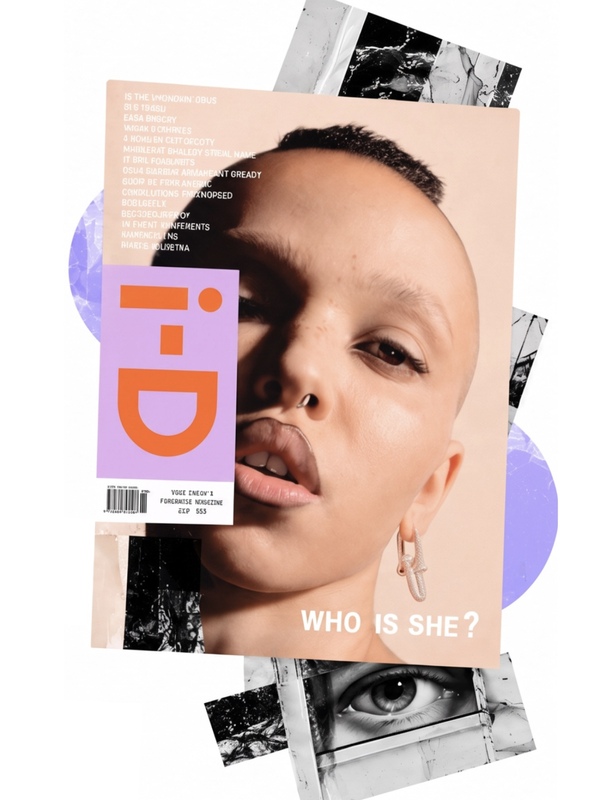
I-D
THE RETURN OF PRINT AS A COLLECTIBLEReturning to print in March 2025The relaunch was based on the magazine’s historical identity, a young creative audience, and the appeal of a tangible collectible object.LESSON
A strong editorial identity allows a magazine to maintain its value even with infrequent publication.
STEP 3. THE RUSSIAN MARKET
Sources: AKAR, Vedomosti, GIPP, Mosru, RBC, Nlobooks, Moskovsky Dom Knigi, MediaMonitor, Mediiia
OUR NICHE IN THE RUSSIAN FEDERATION
FASHION HISTORY, INDEPENDENT MAGAZINE PRESS, COLLECTIBLE EDITIONS ON VISUAL CULTURE
Research from Moscow State University, published in June 2026: Following the departure of international publishing brands, there has been an increased demand for independent, thematic publications and collectible magazines.
During 2025–2026, we are seeing the development of independent and conceptual fashion press: the magazine is increasingly being used as a standalone cultural product.
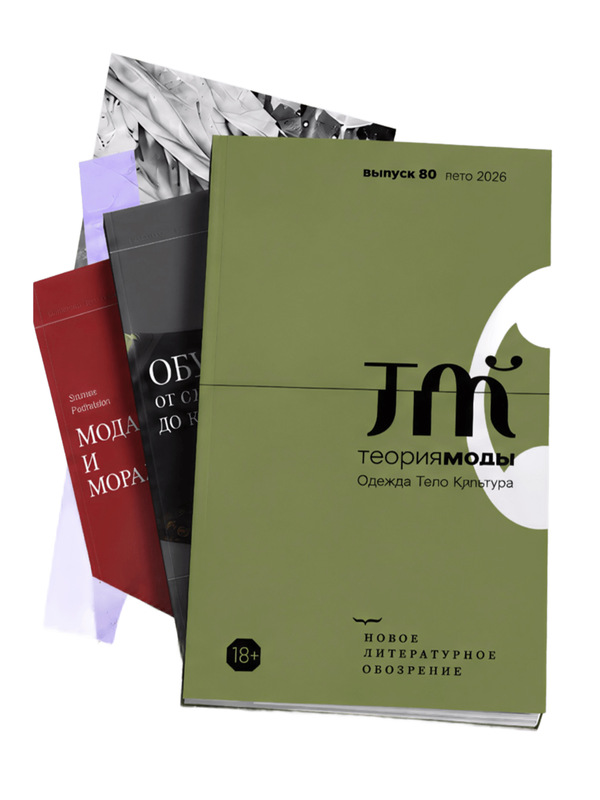
CLOSEST TO US
FASHION THEORY
Clothing, Body, Culture
PRINT RUN — 700 copies(per issue)FREQUENCY — 4 times a yearCONCLUSION:
The existence of a specialized quarterly journal demonstrates that the history of fashion can be a standalone topic for a regular printed publication.
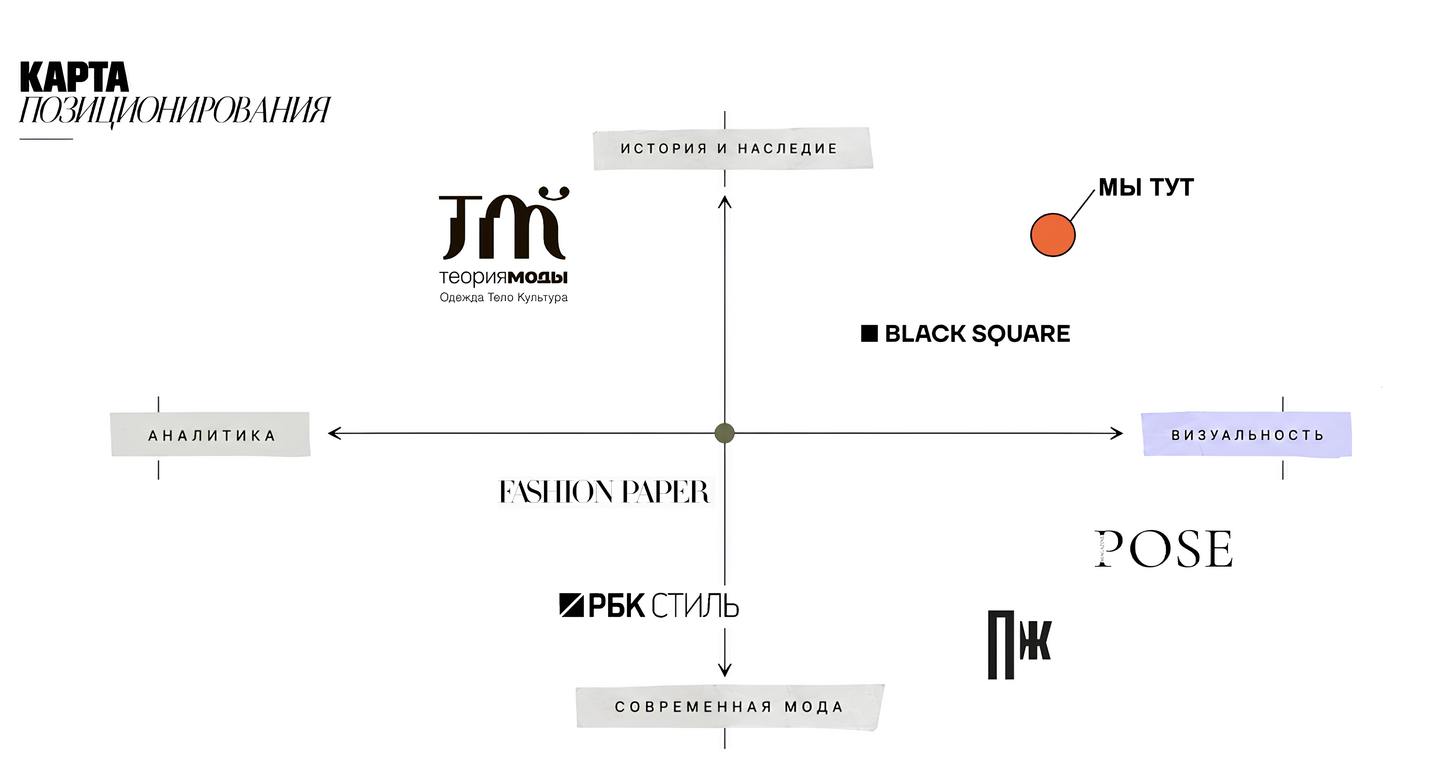
STEP 4. POSITIONING MAP
PROJECT PLAN