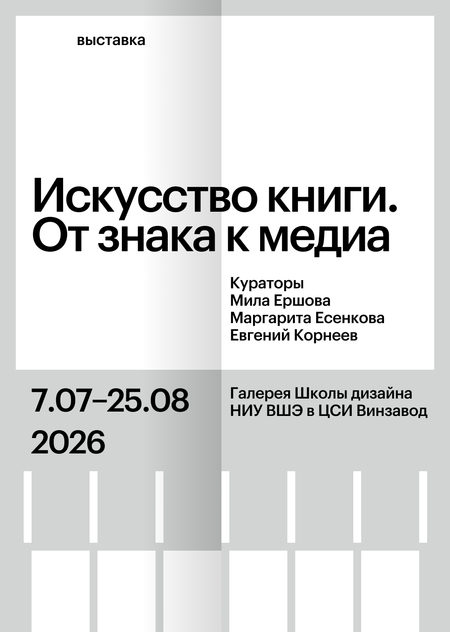
Originating around two thousand years ago, the codex continued to evolve alongside global societal structures, incorporating technological advancements—paper, typesetting, and printing. Over time, the book—as a global library system, an industry, and a medium—became one of the pillars of civilization.
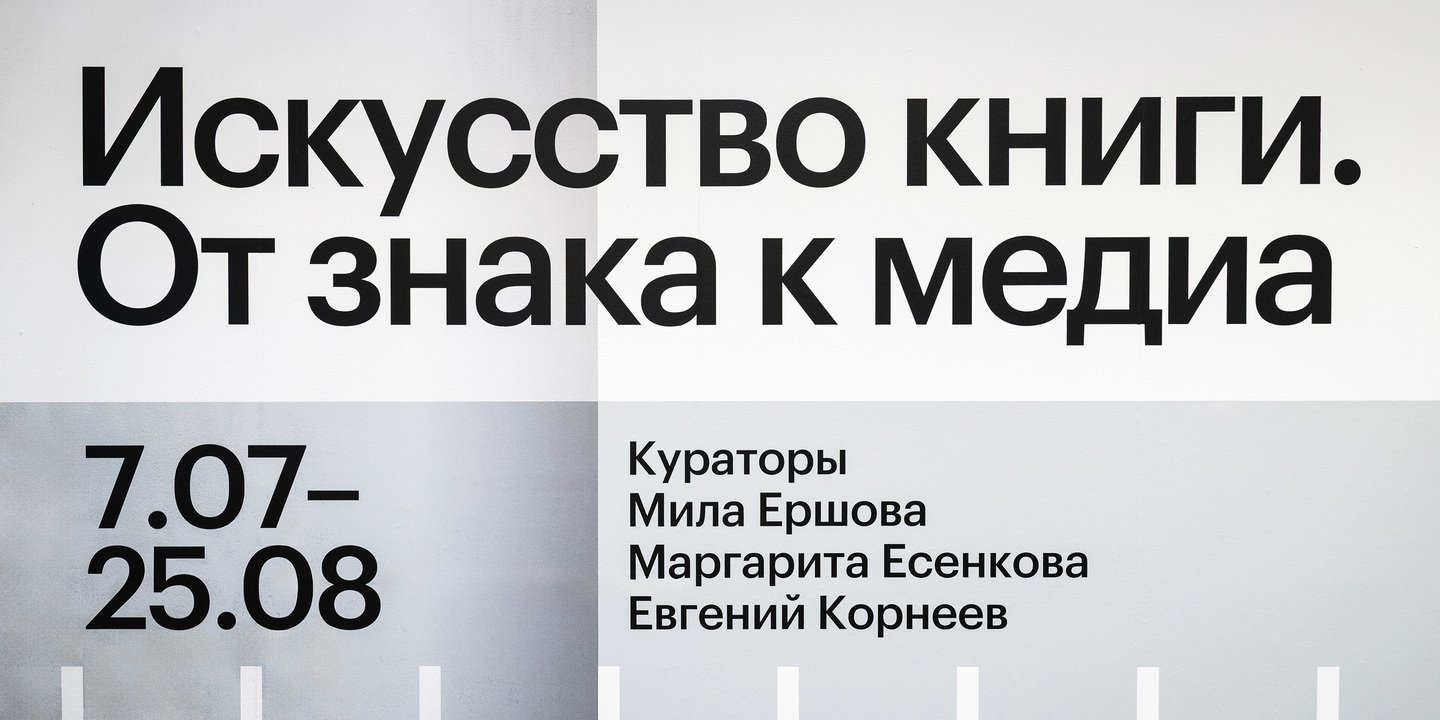
The exhibition introduces the fundamental structural components of the book, presented in corresponding sections of the display and shown in increasing order of scale: «Sign, ” „Band, ” „Spread, ” „Block, ” „Object, ” and „Media.“
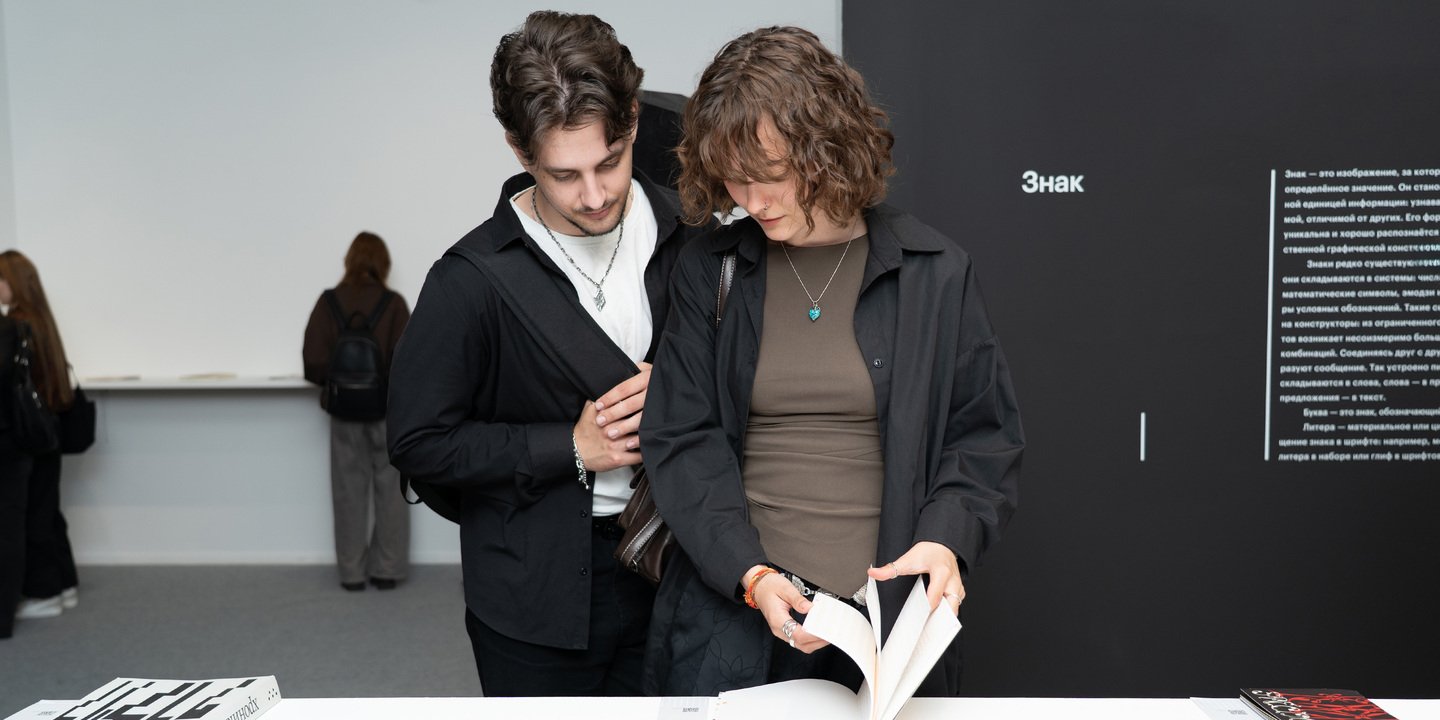
Letters form words. Words form sentences. Thus, text is born.The character of a text is determined by the typeface, which the designer controls. Typeface is the primary tool of the book designer. Display typefaces—a subtle power. The ability to simplify a project’s communication down to its iconic essence is a rare skill.
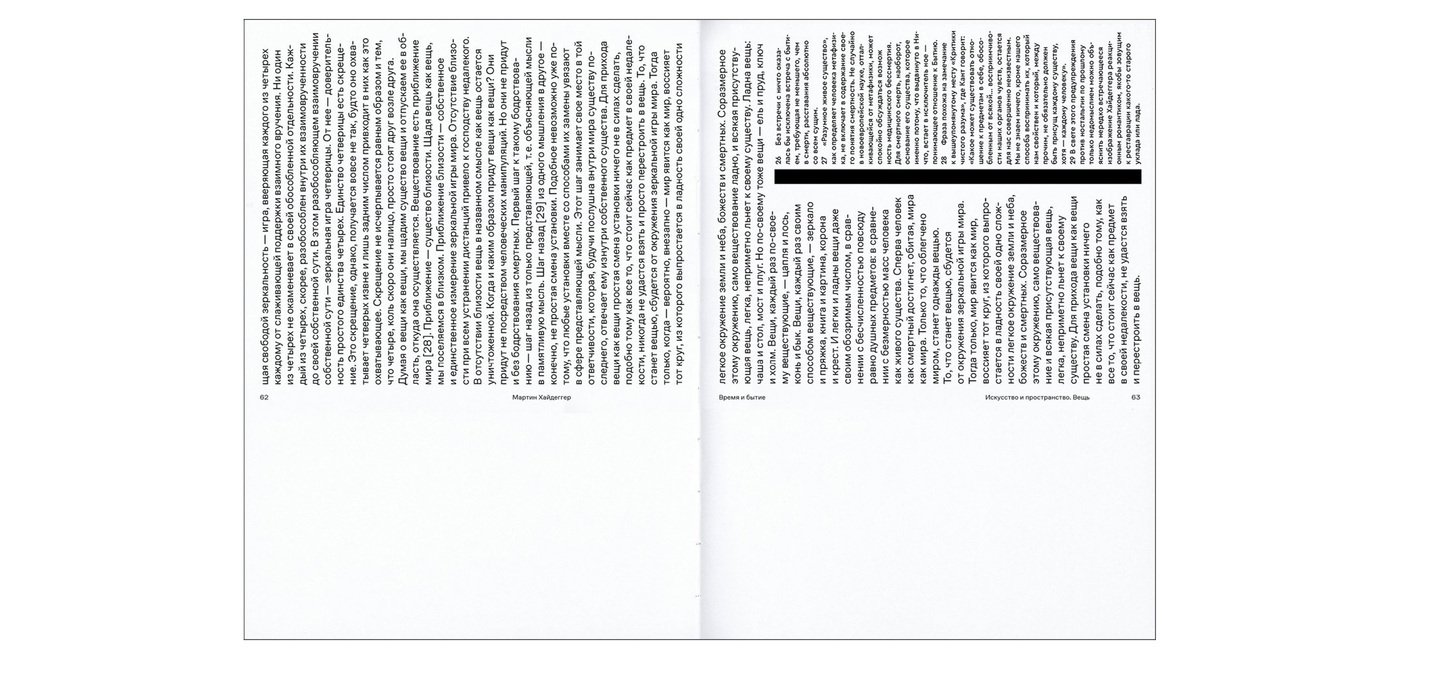
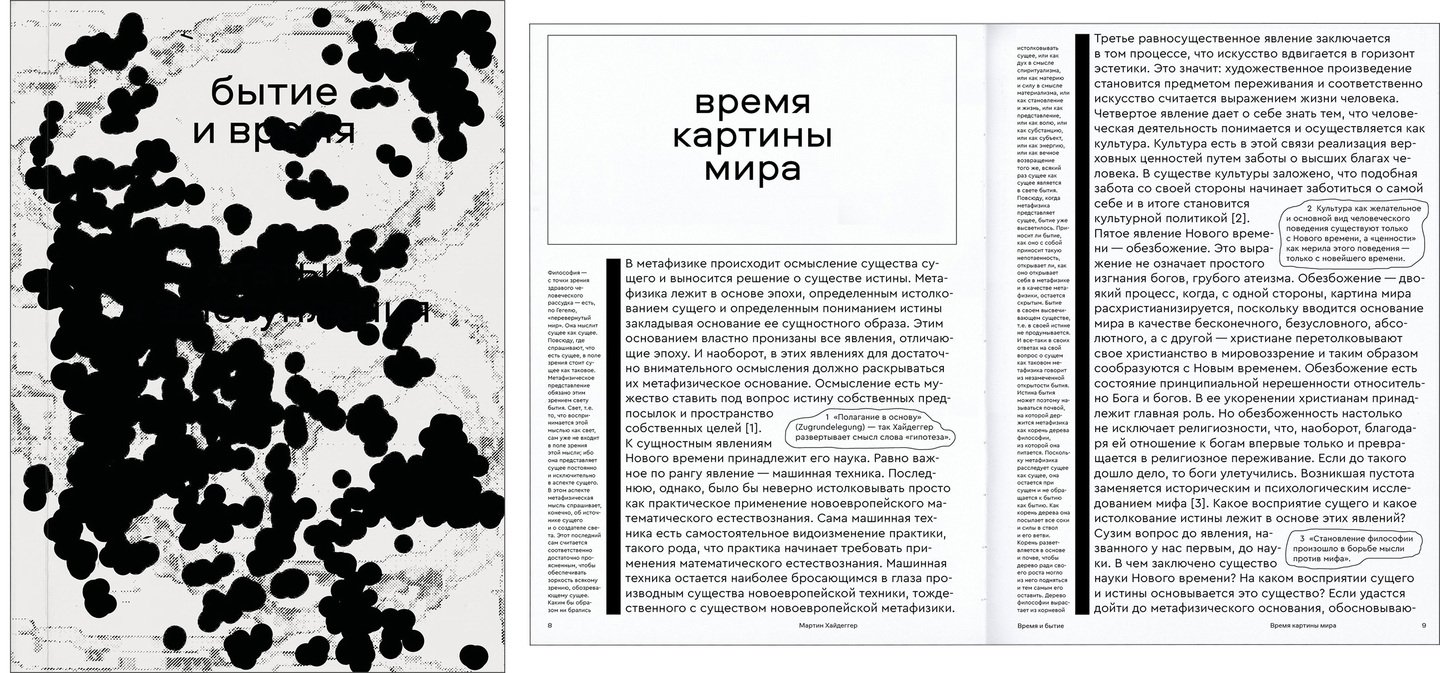
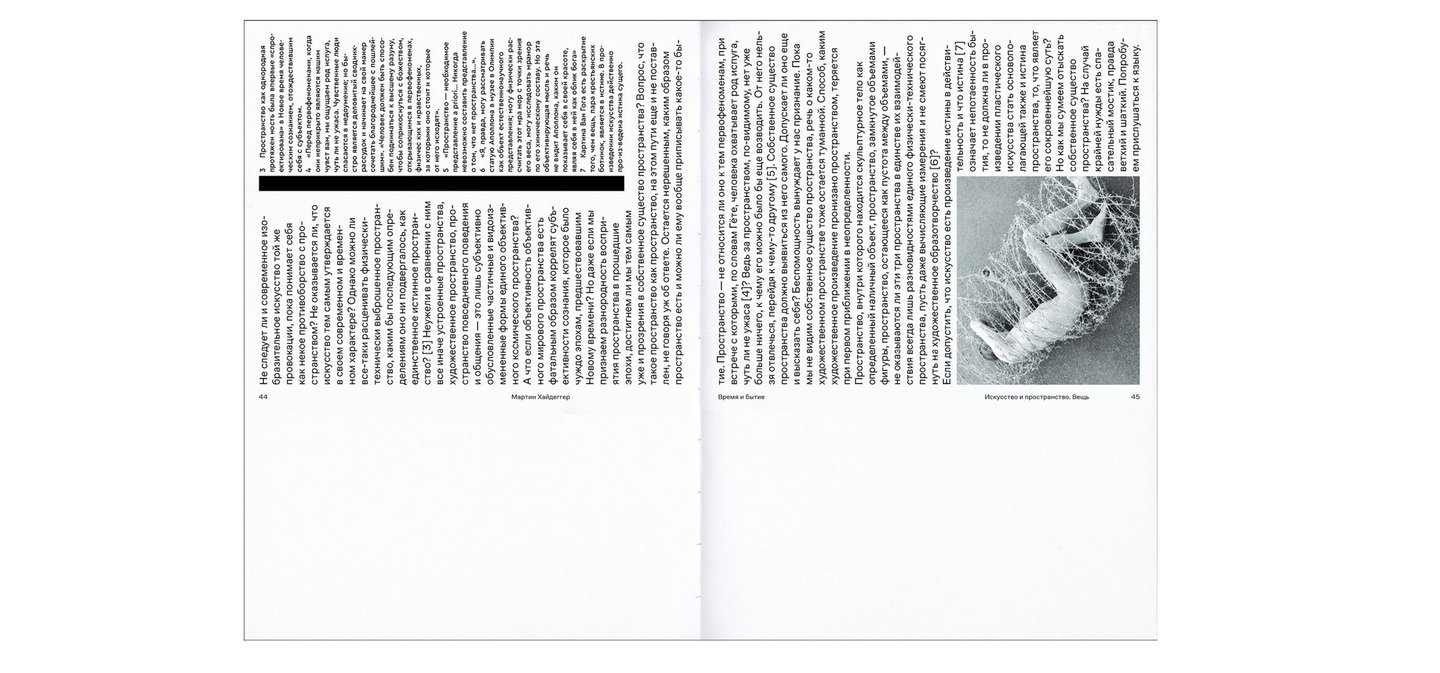
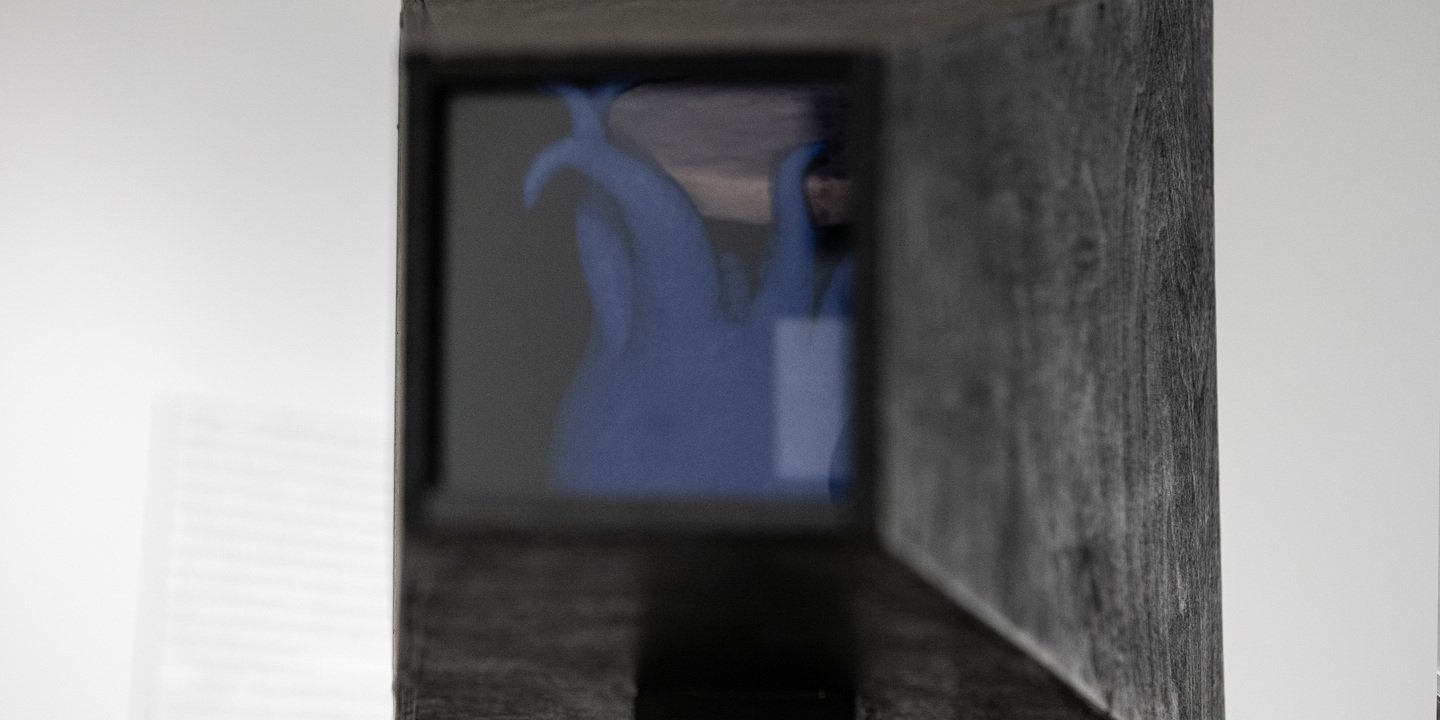
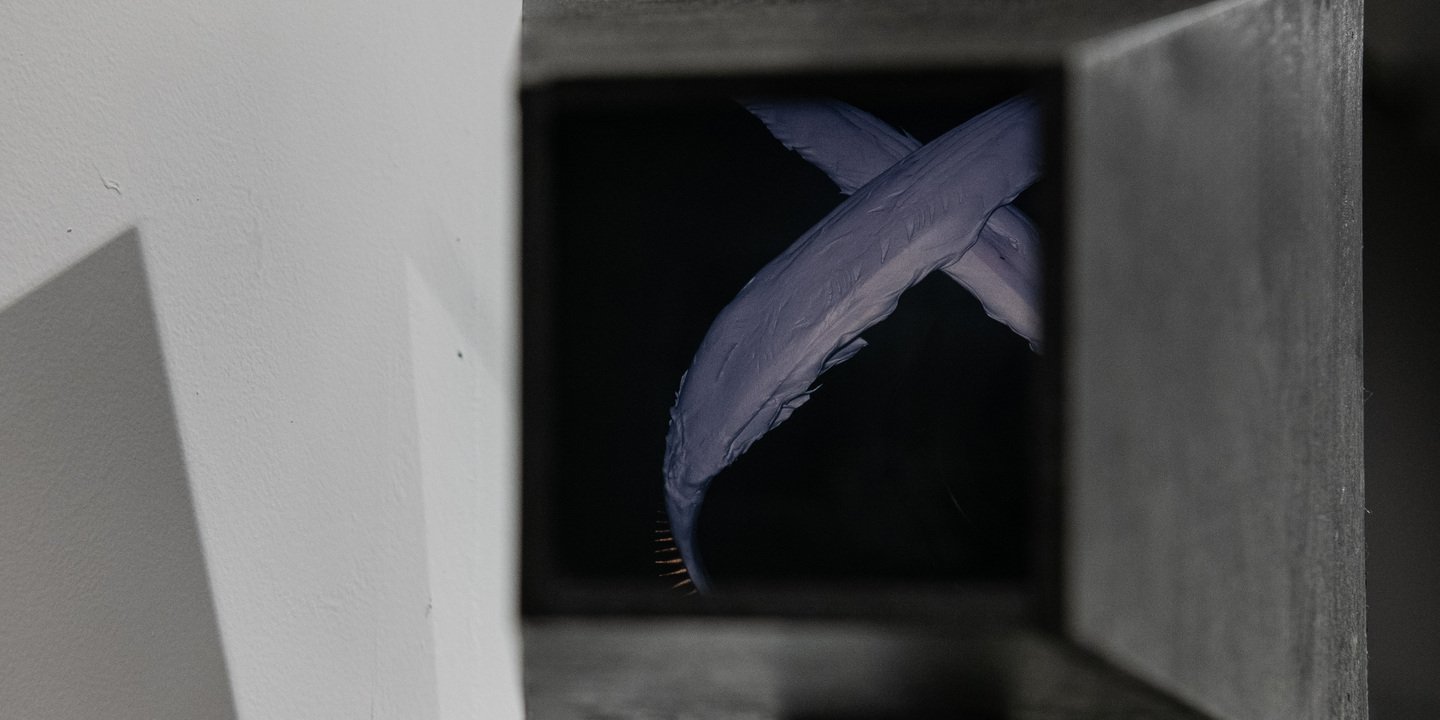
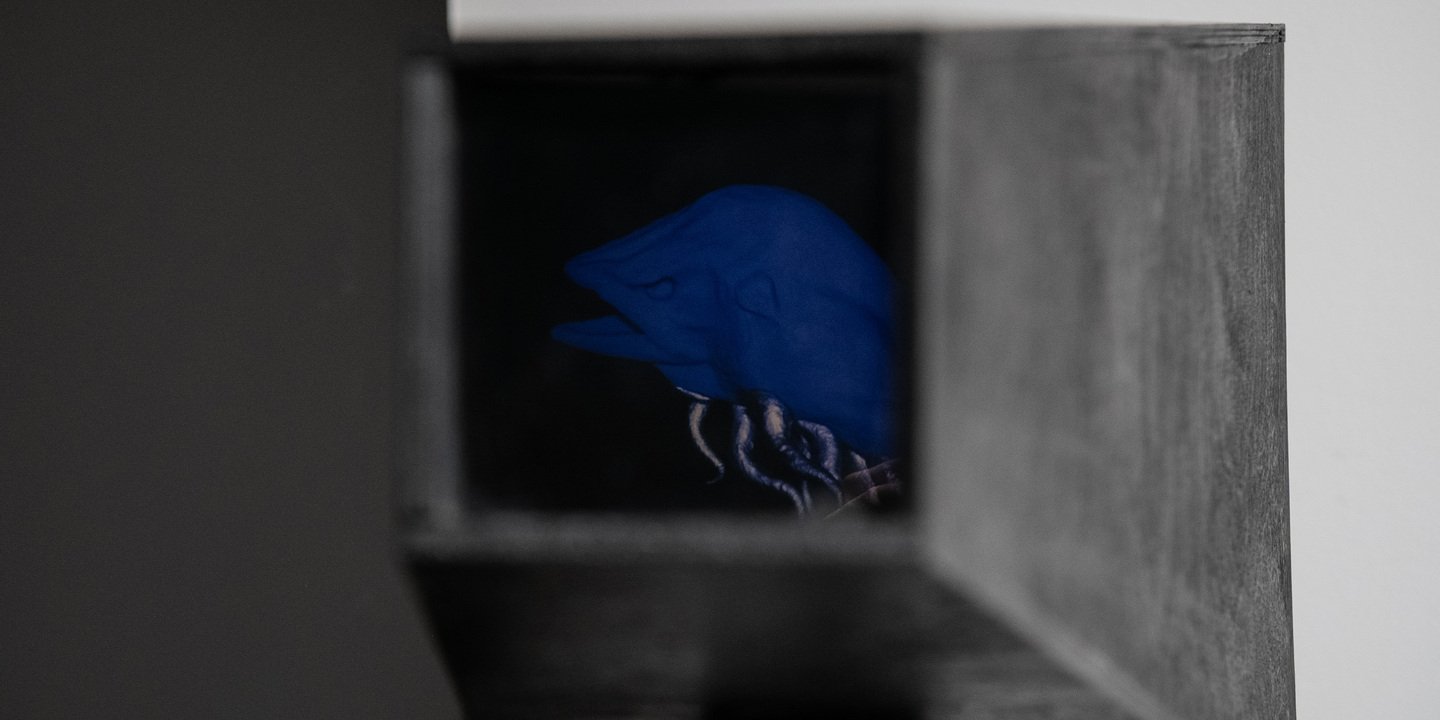
Vladislav Efimov. Elements. 1994/2026
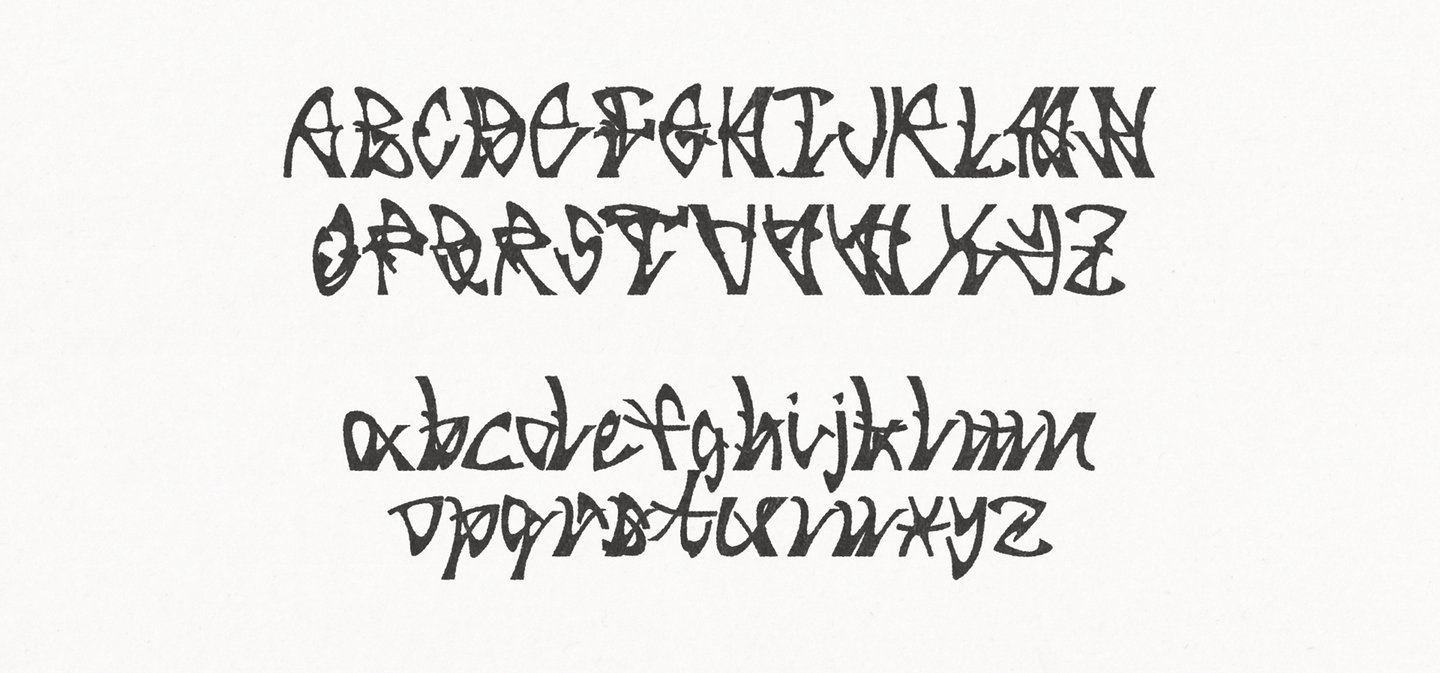
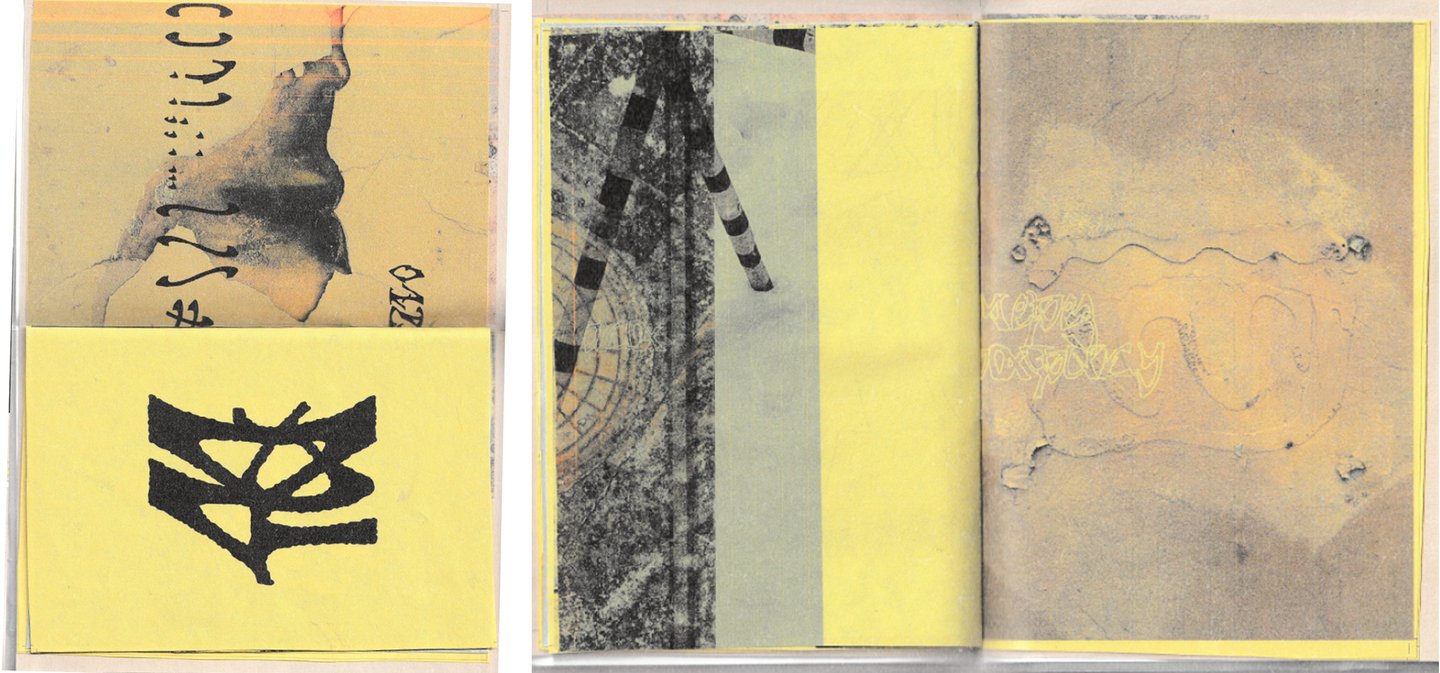
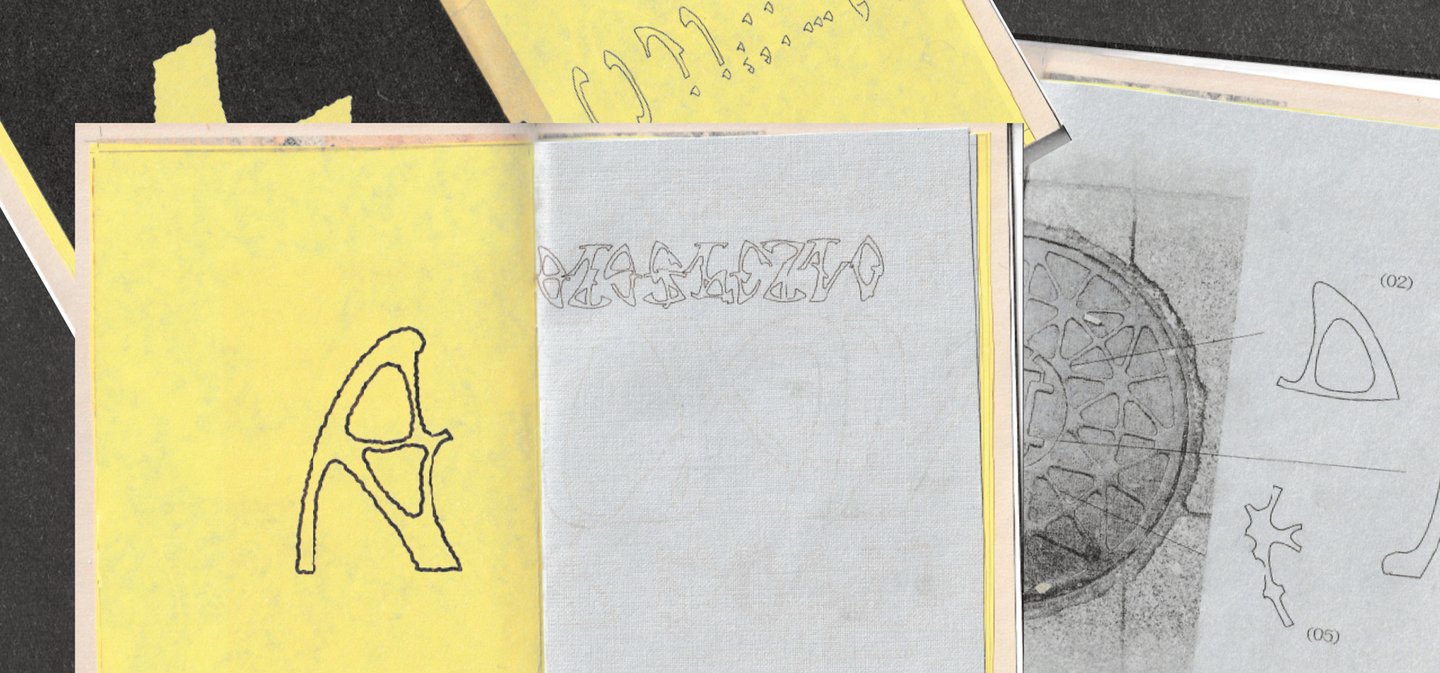
Lia Brusser. cast font. 2026
Alexander Smirnov. Font [untitled]. 2026
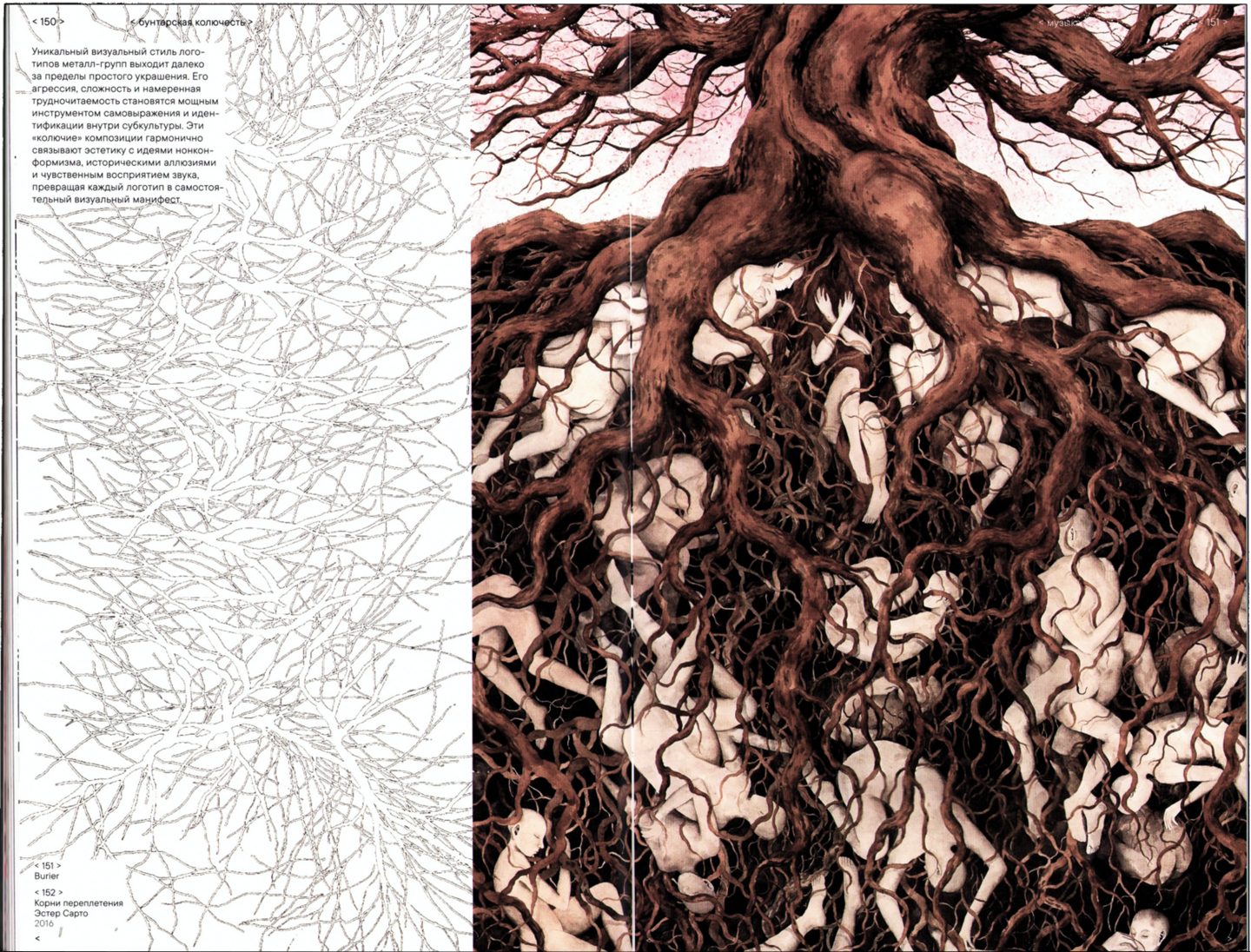
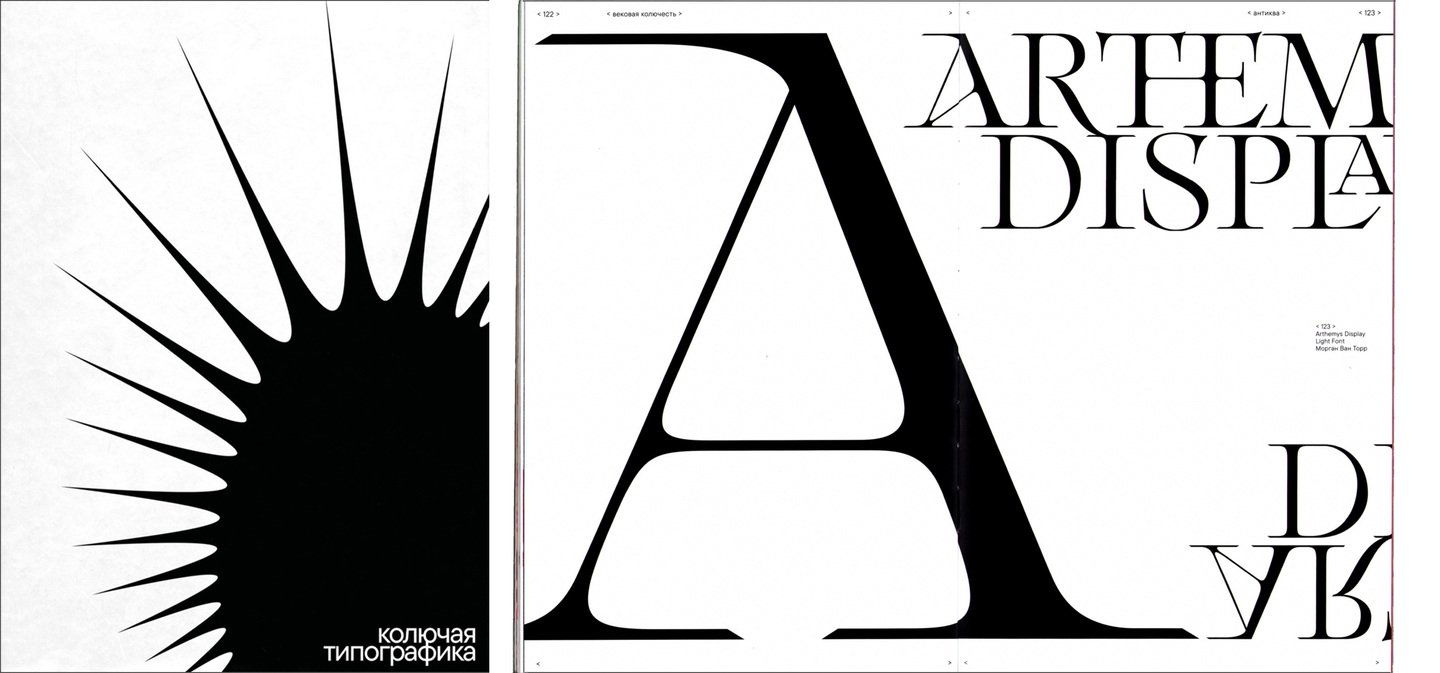
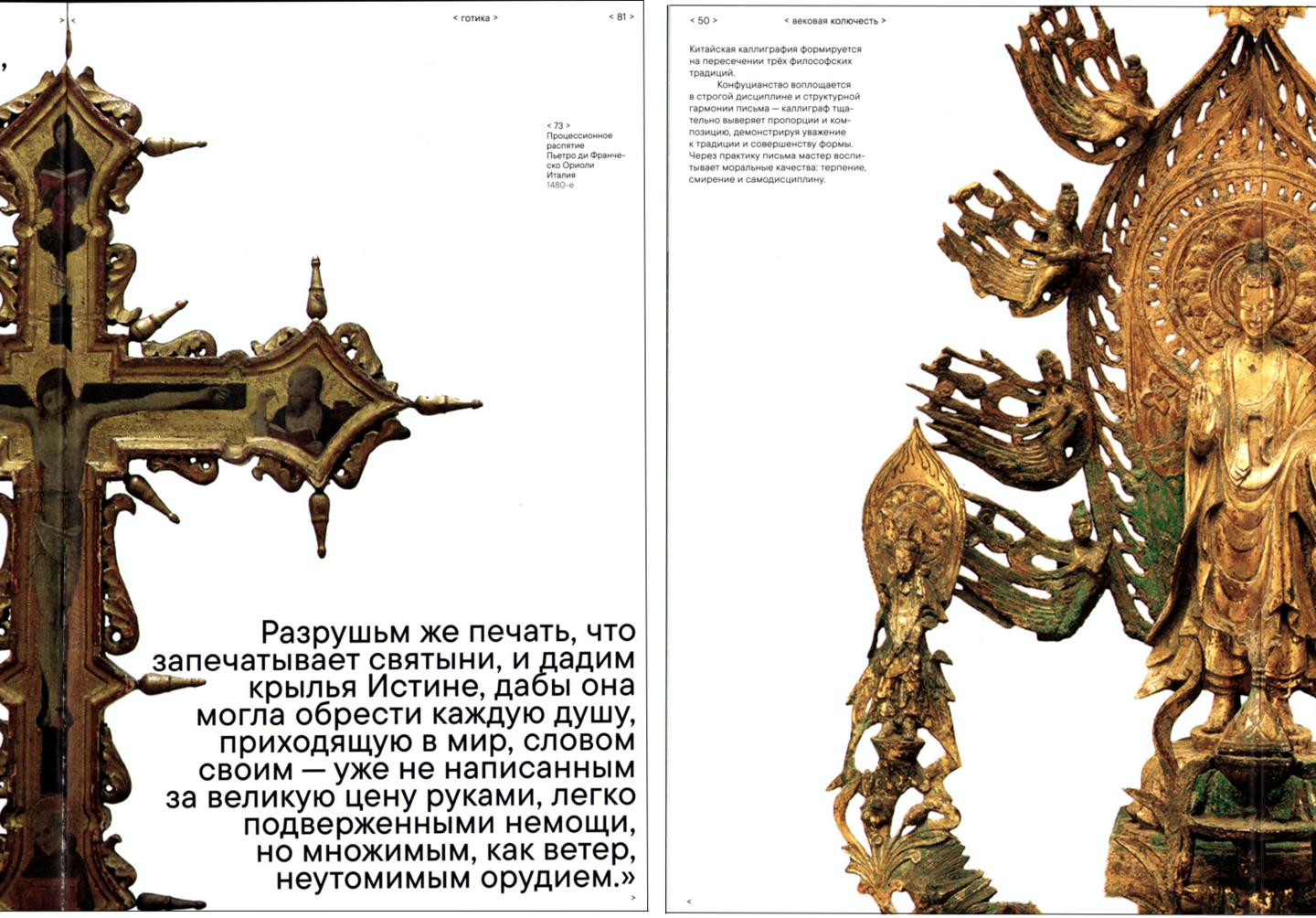
Yulia Kiseleva. Spiky Typography. 2025
The text bar—the body of the text. Static or dynamic. Dense or shimmering. Varied.
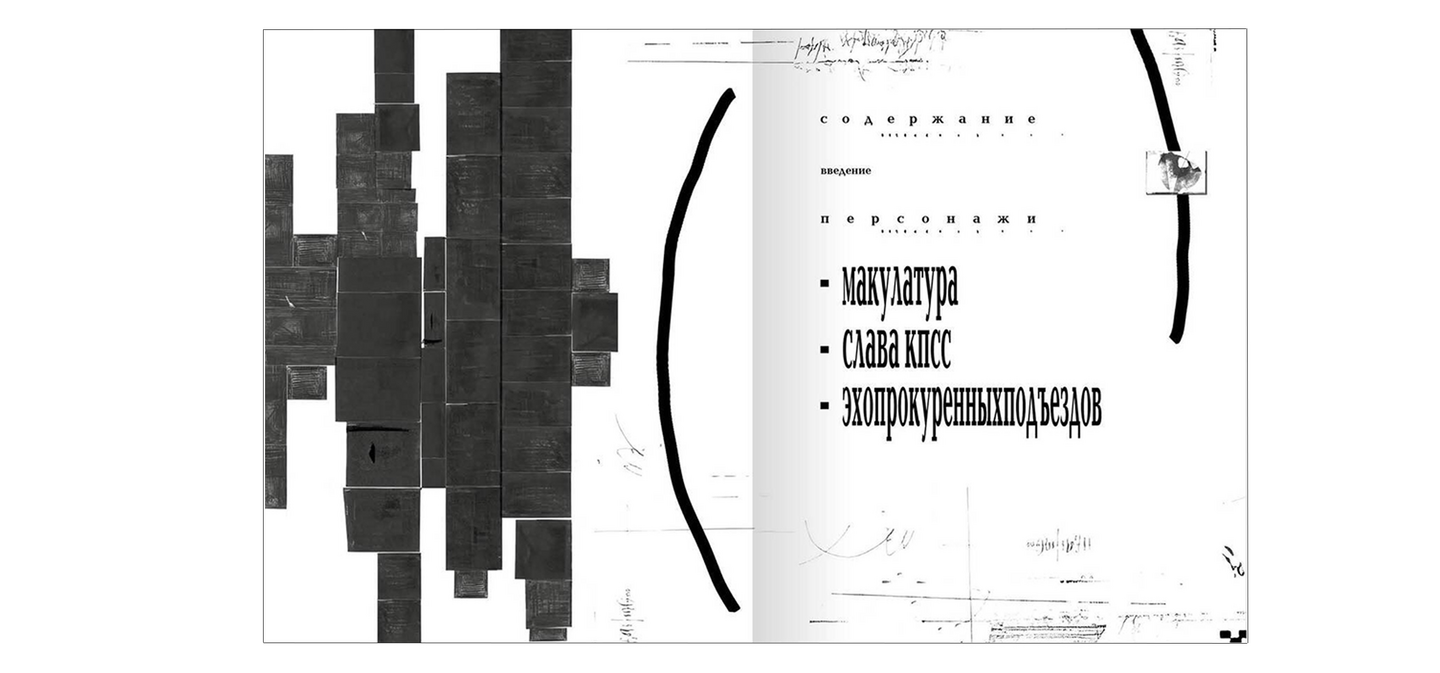
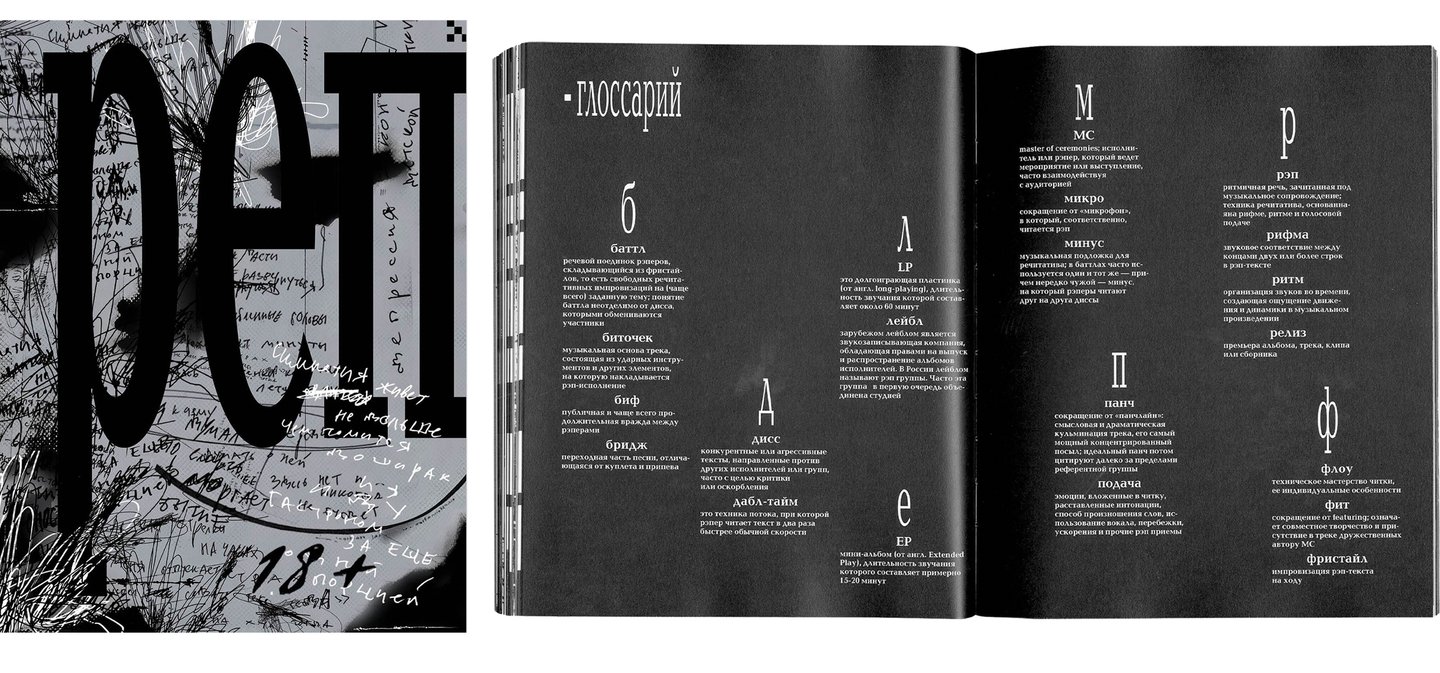
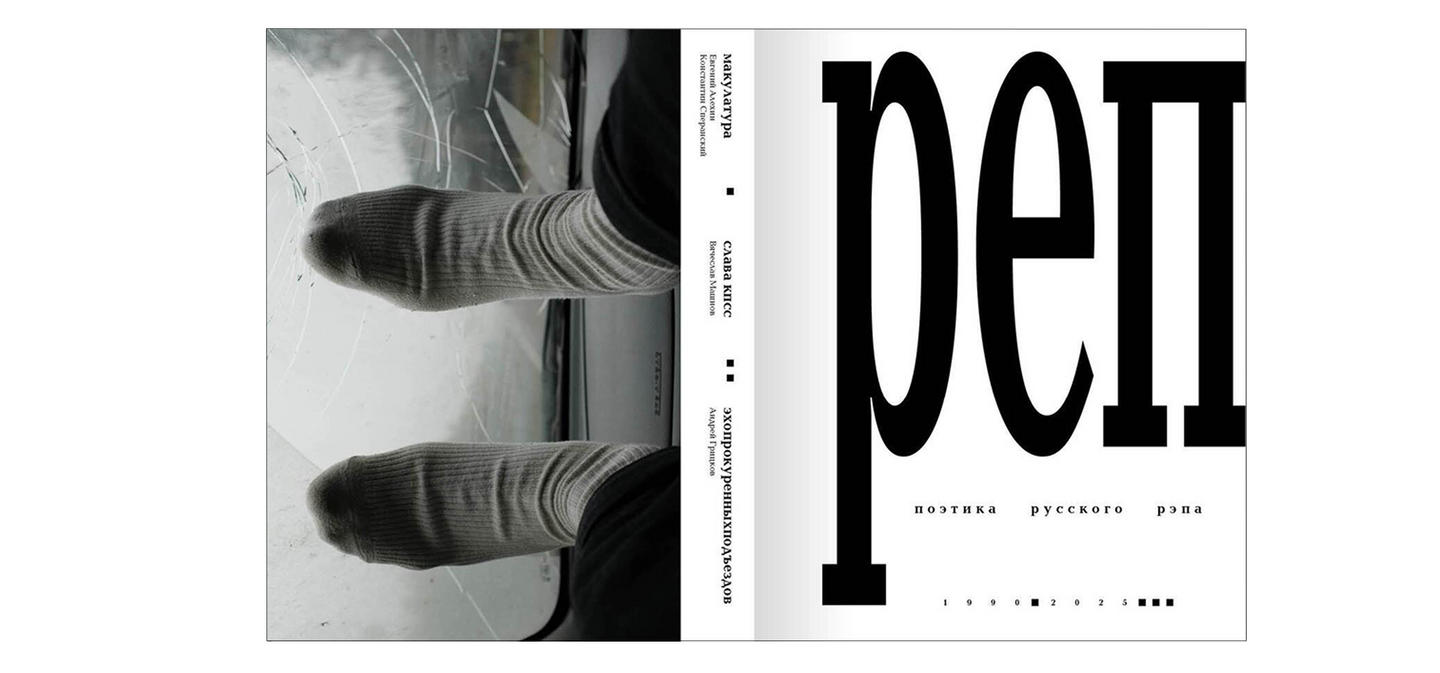
Aisylu Galieva. REP. 2025
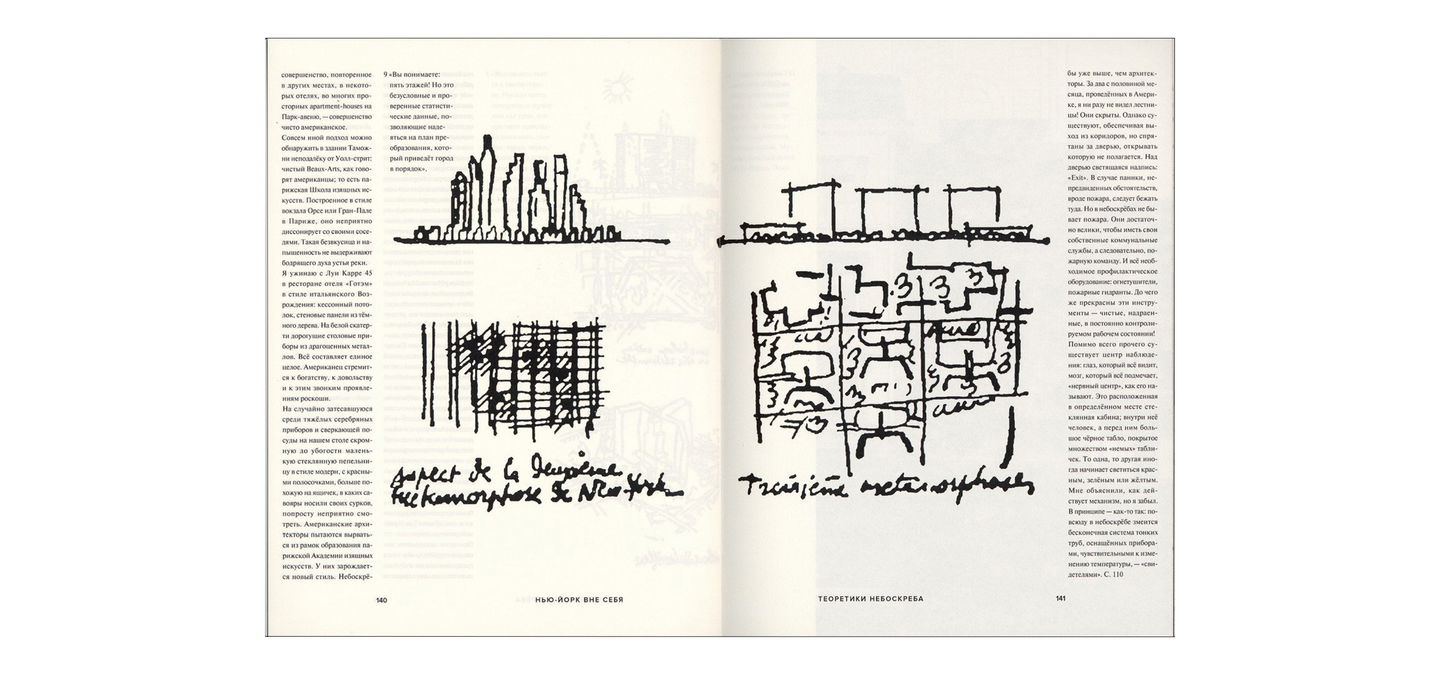
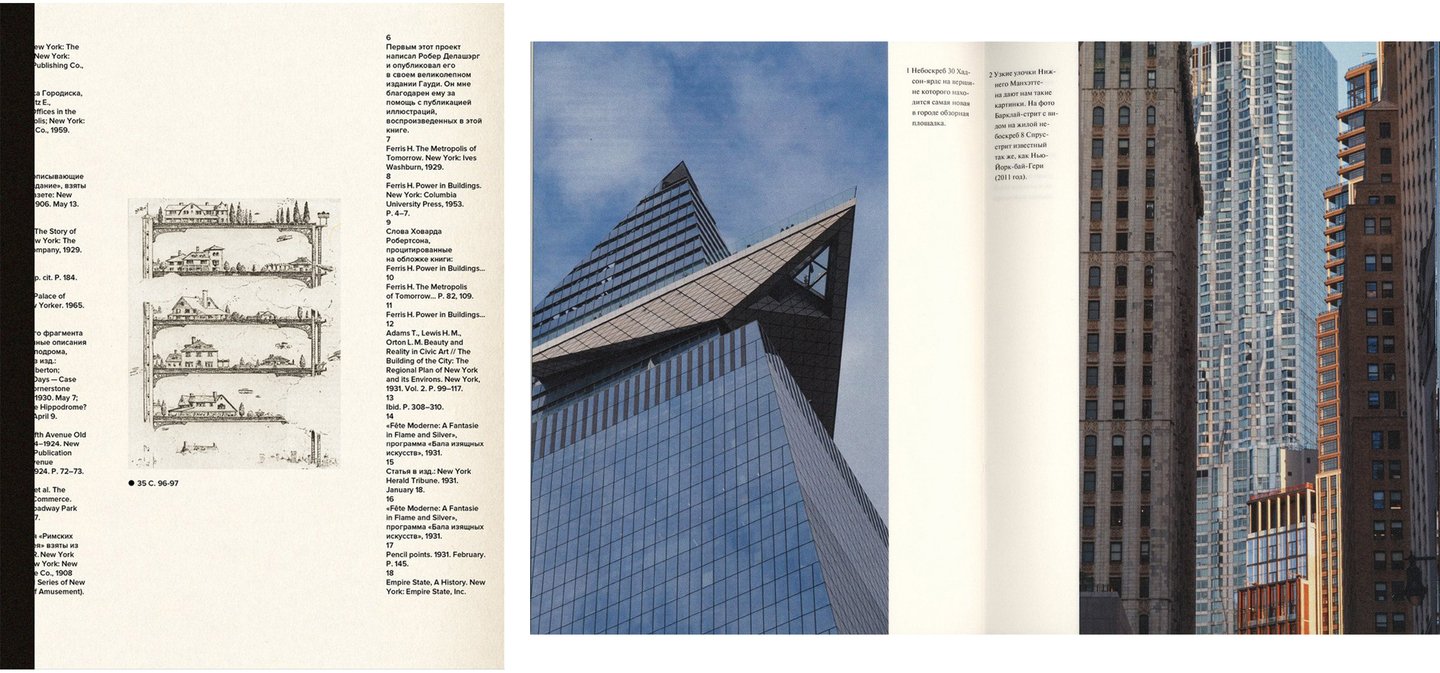
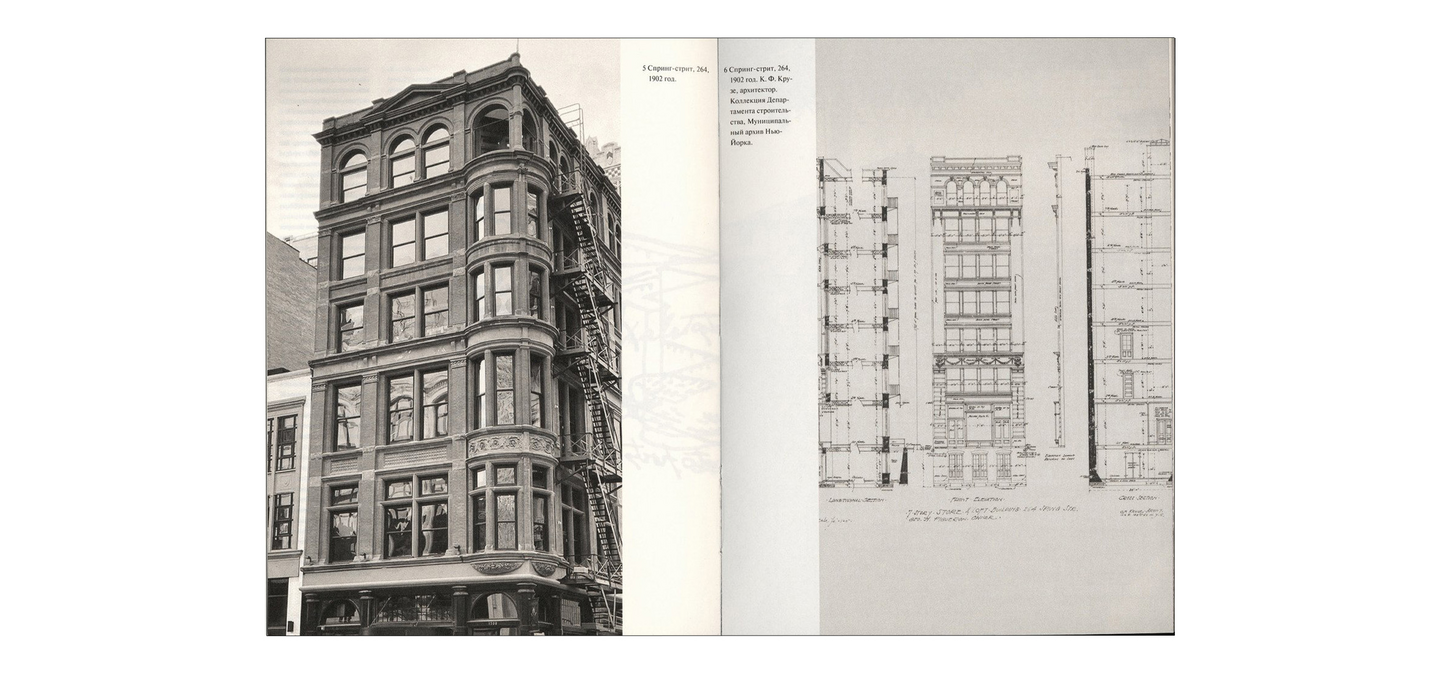
Yana Yurasova. «New York Unfiltered.» Rem Koolhaas in Dialogue with Le Corbusier. 2025
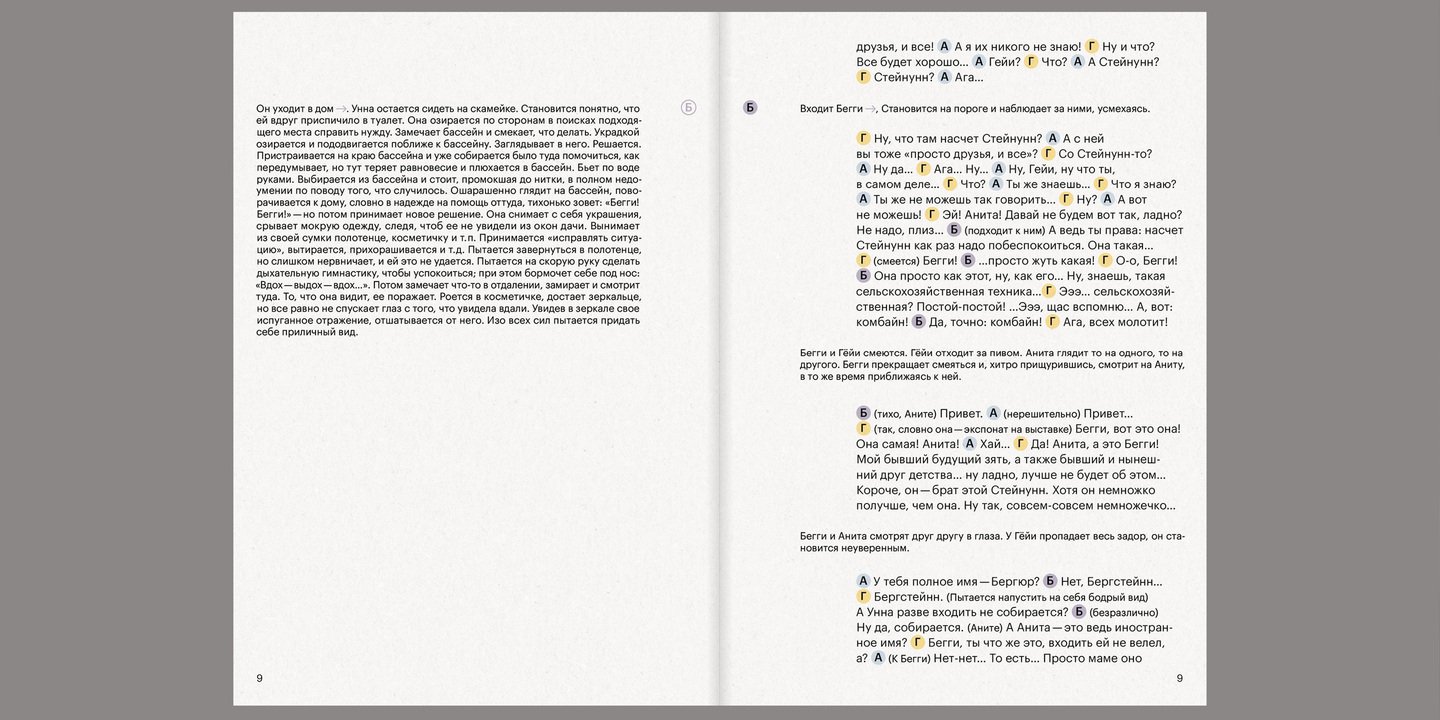
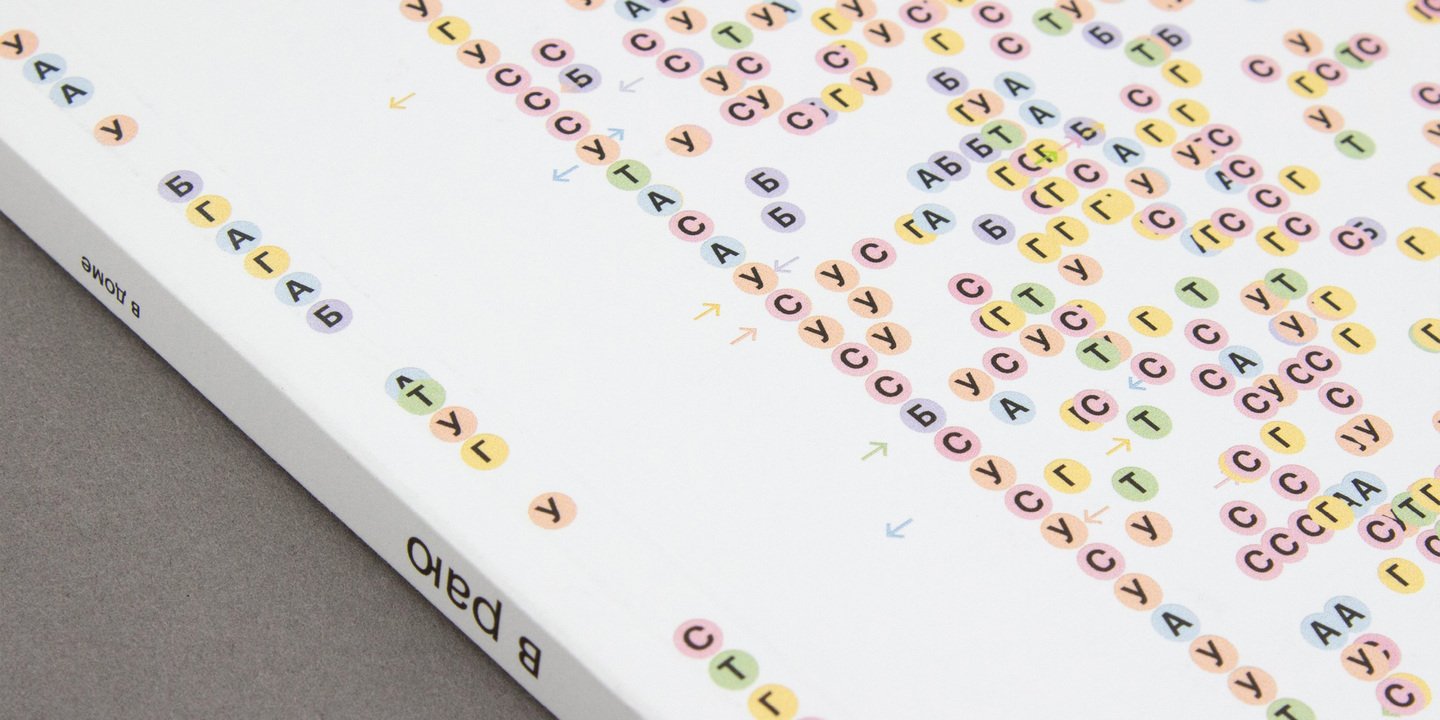
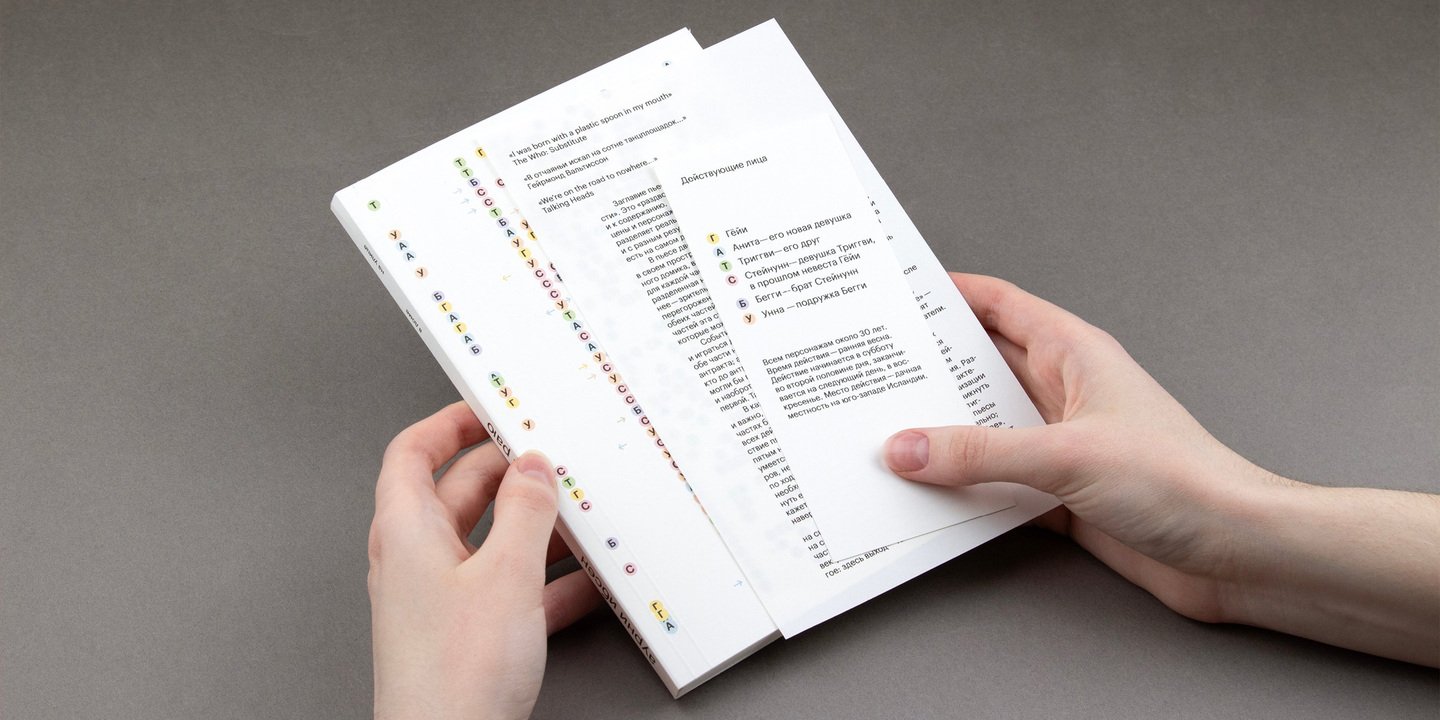
Elizaveta-Eva Pelevina. In Paradise. 2026
Konstantin Ager. Unfree Fall. 2026
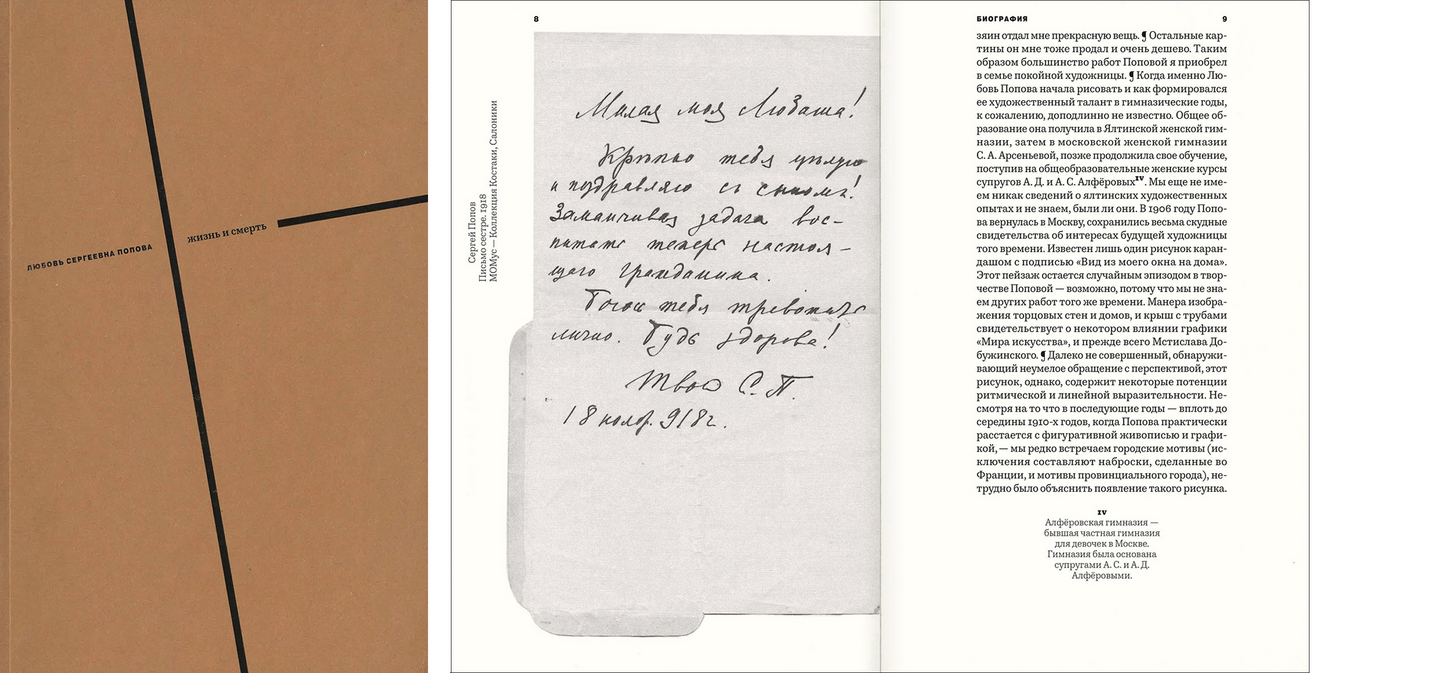
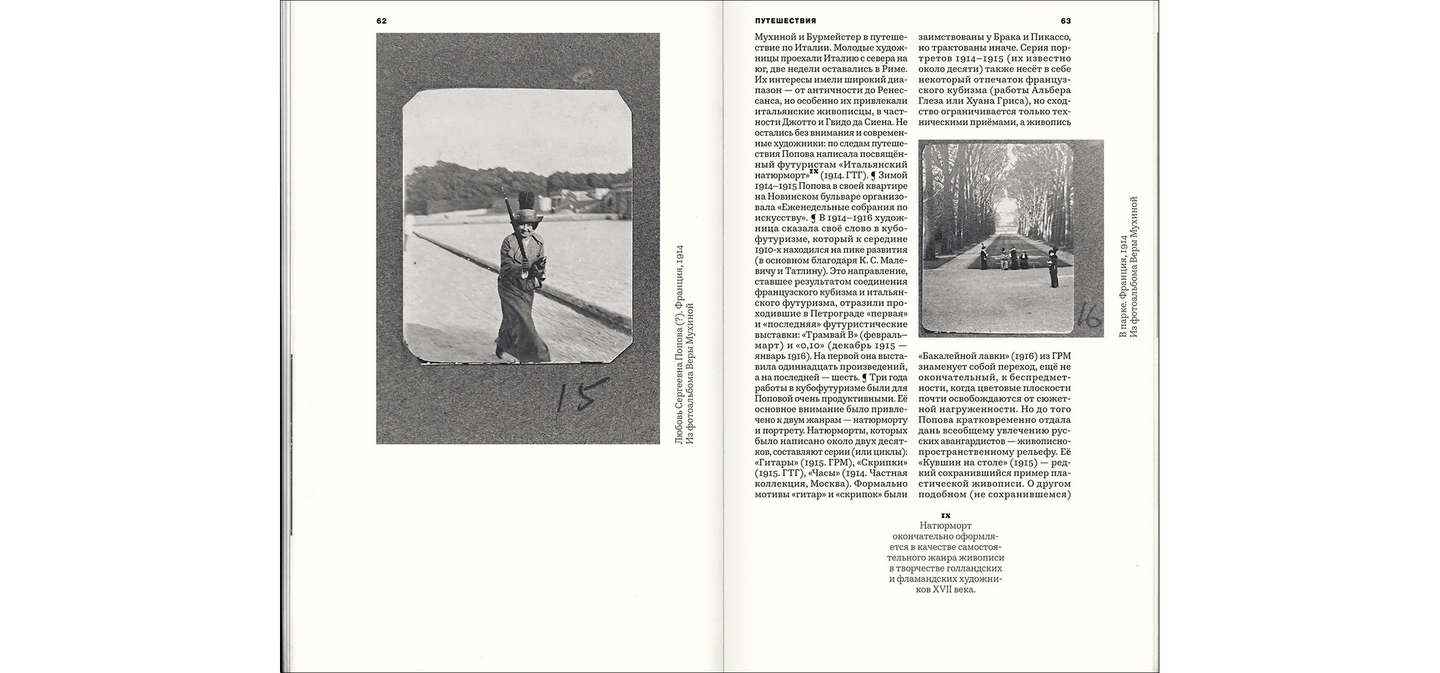
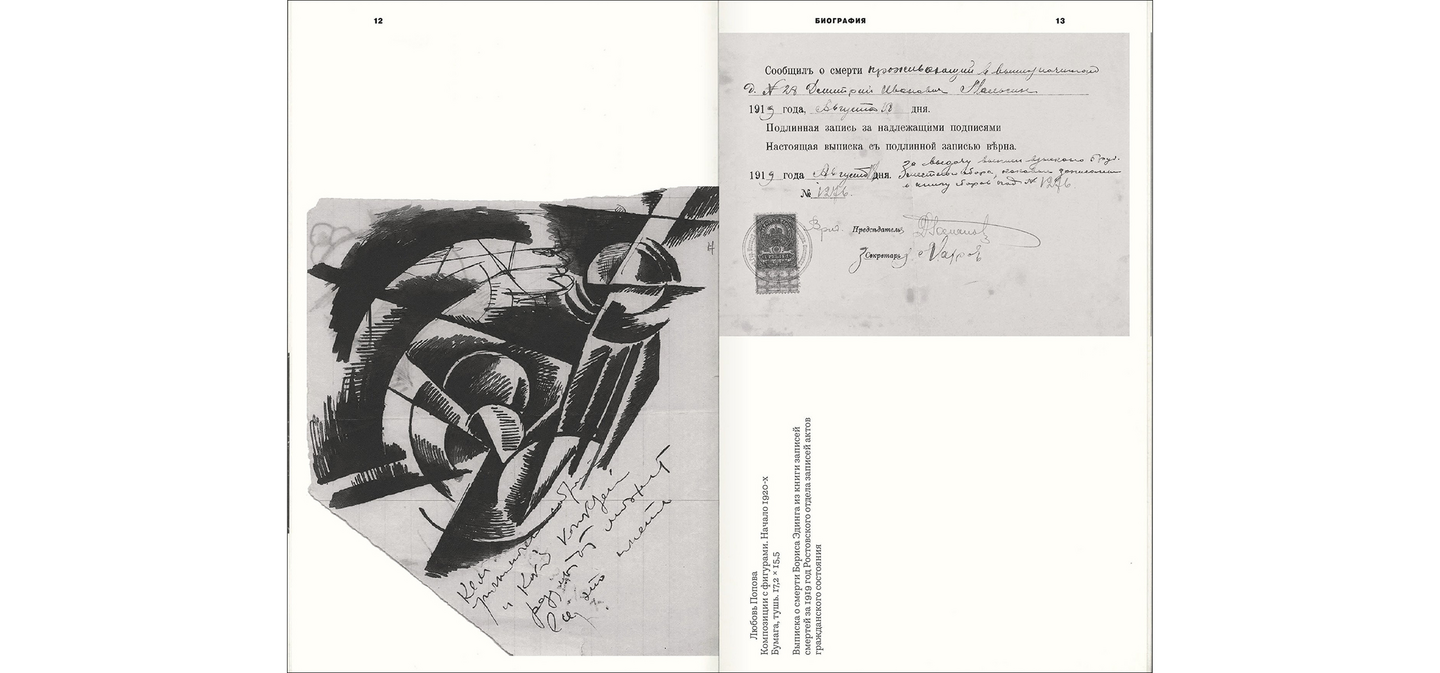
Anna Sobkina. Lyubov Popova. 2024
A spread is the primary compositional unit of a book. We perceive a book as a sequence of spreads. In a well-considered spread, a framework is embedded, which allows one to assemble various compositional options.
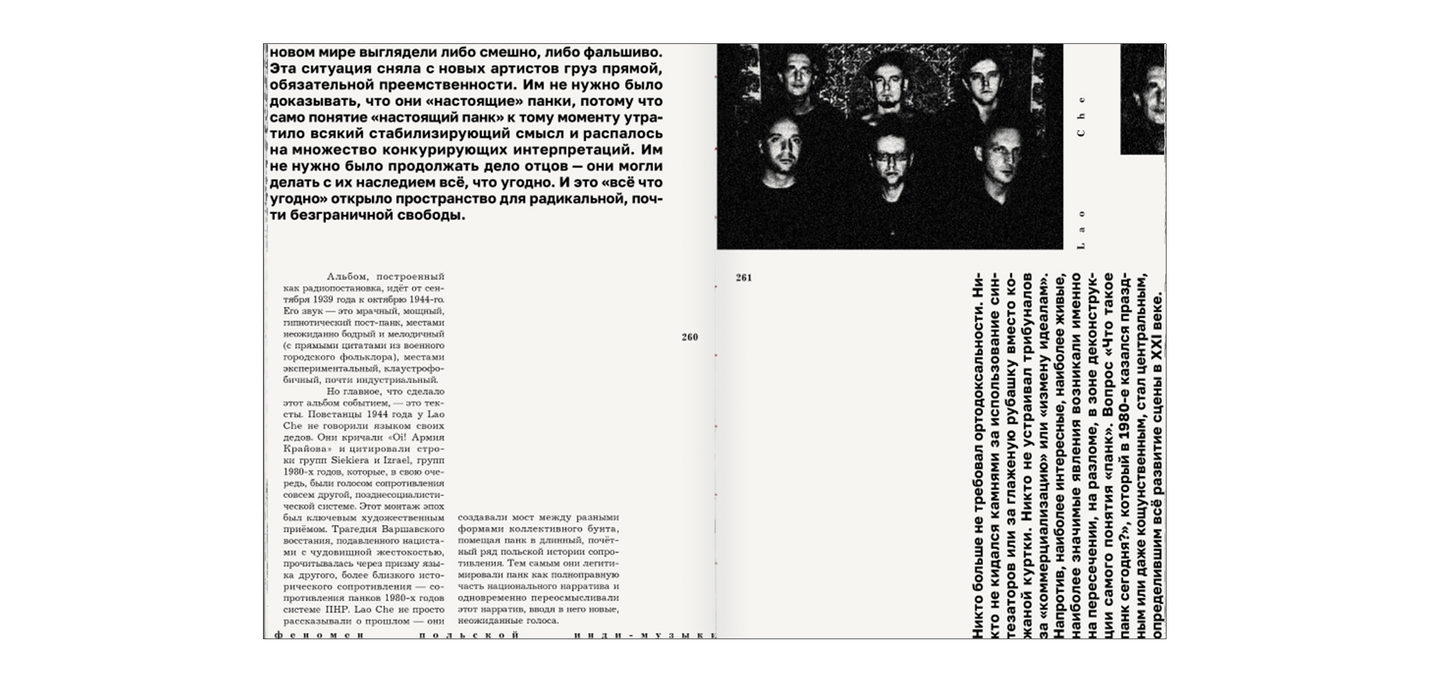
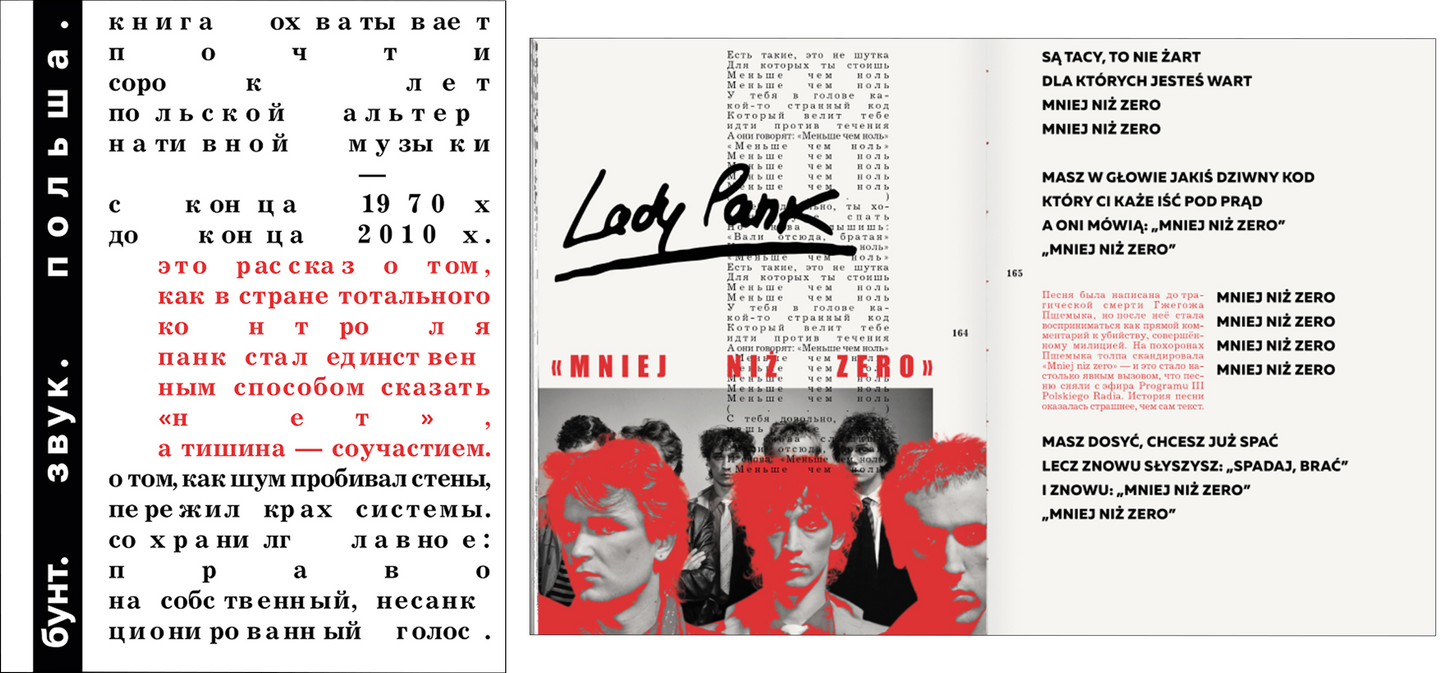
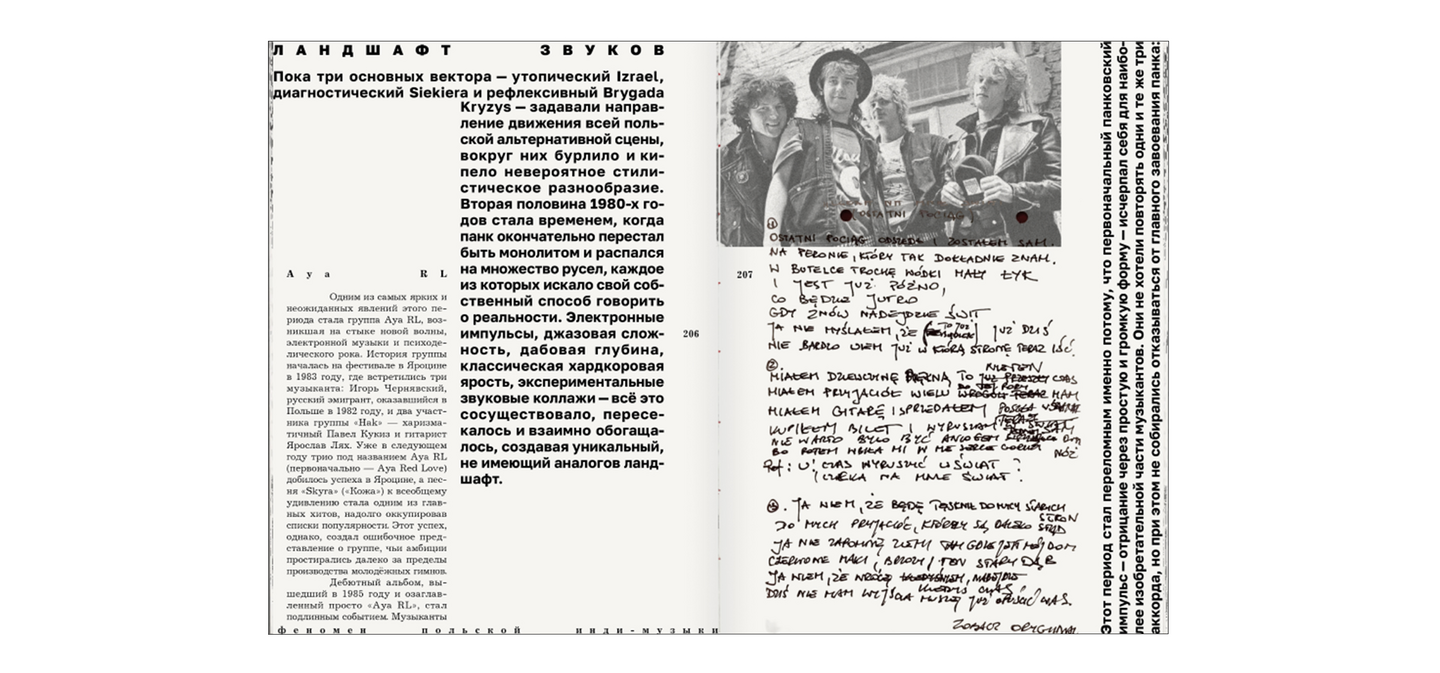
Anastasia Stepanova. Revolt. Sound. Poland. 2026
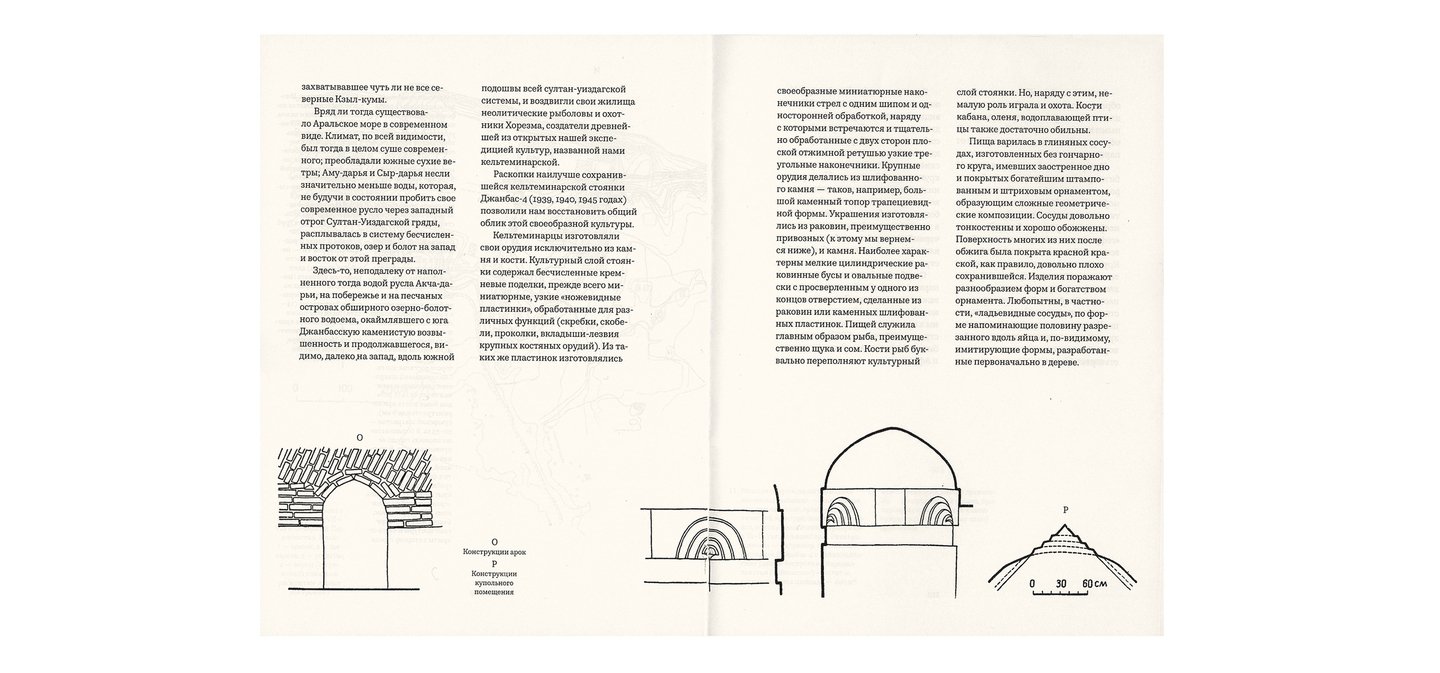
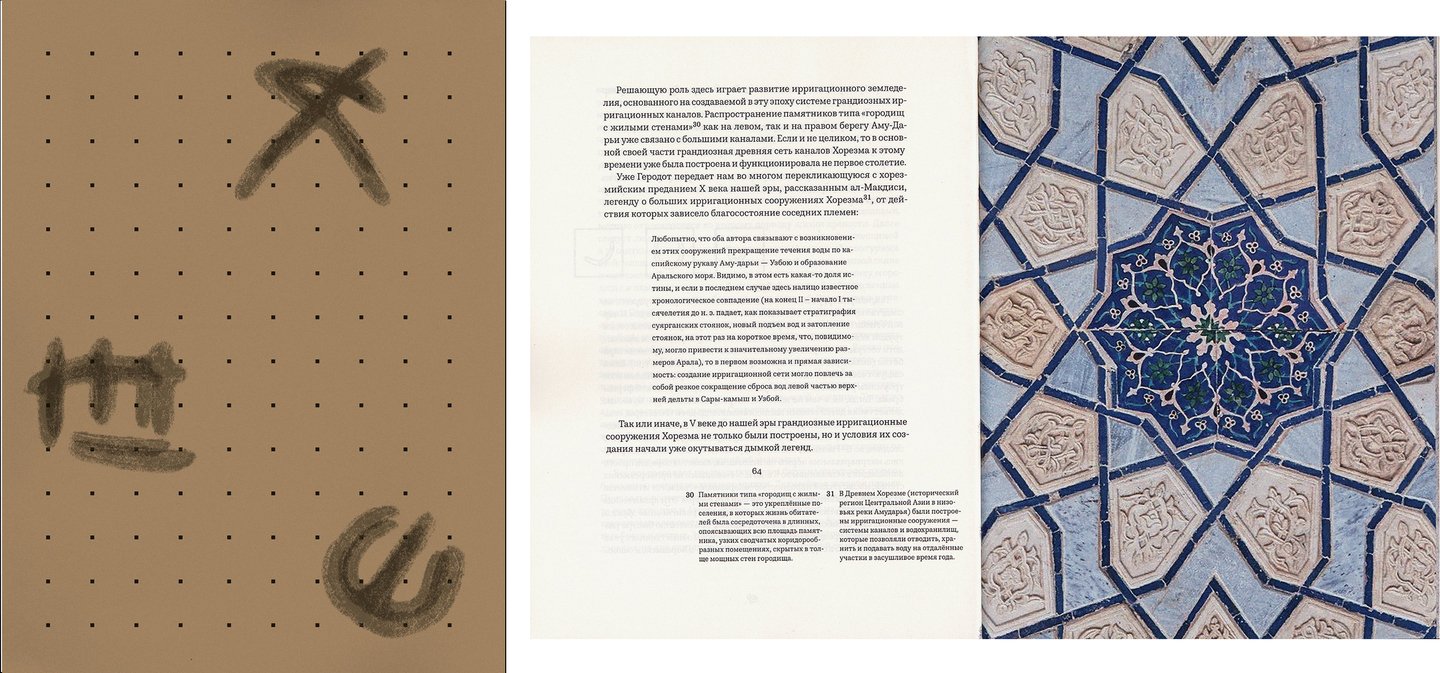
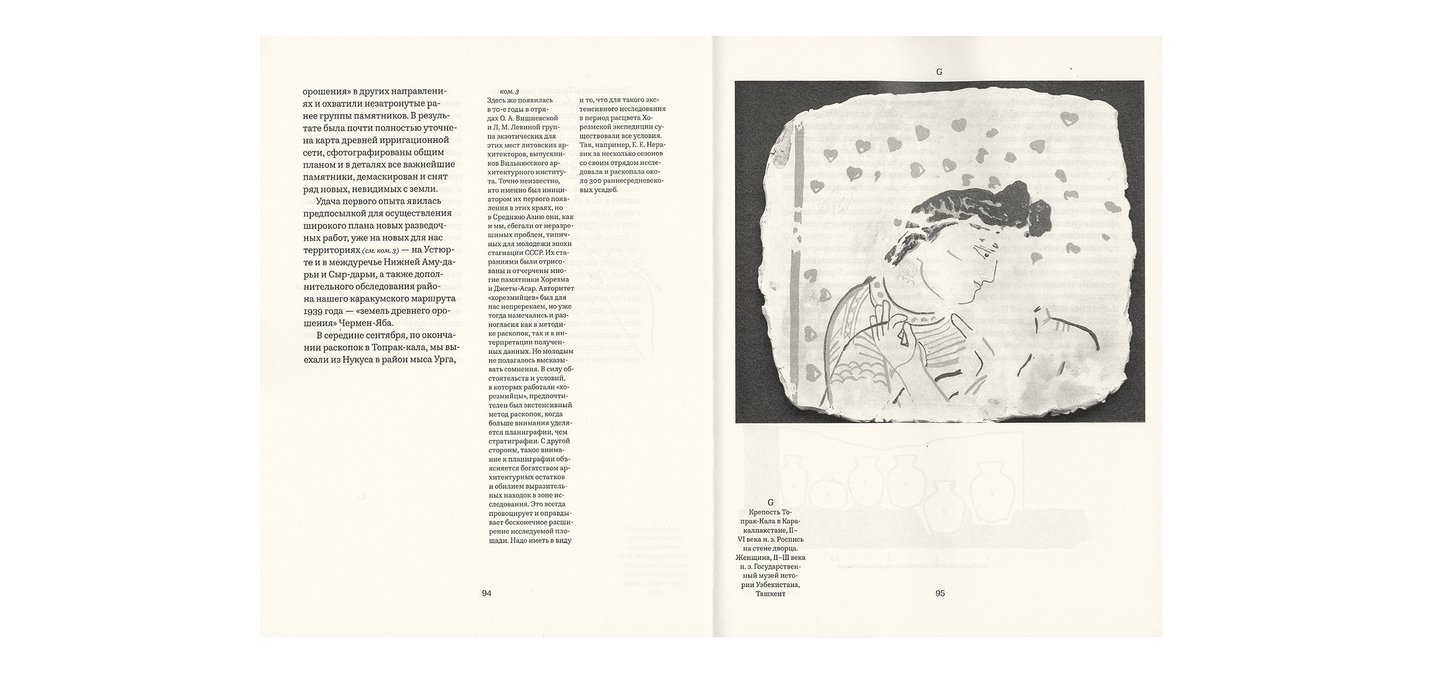
Sophia Yeristavi. Ancient Khwarezm: Imperial Archaeology and Archaeological Empires. 2025
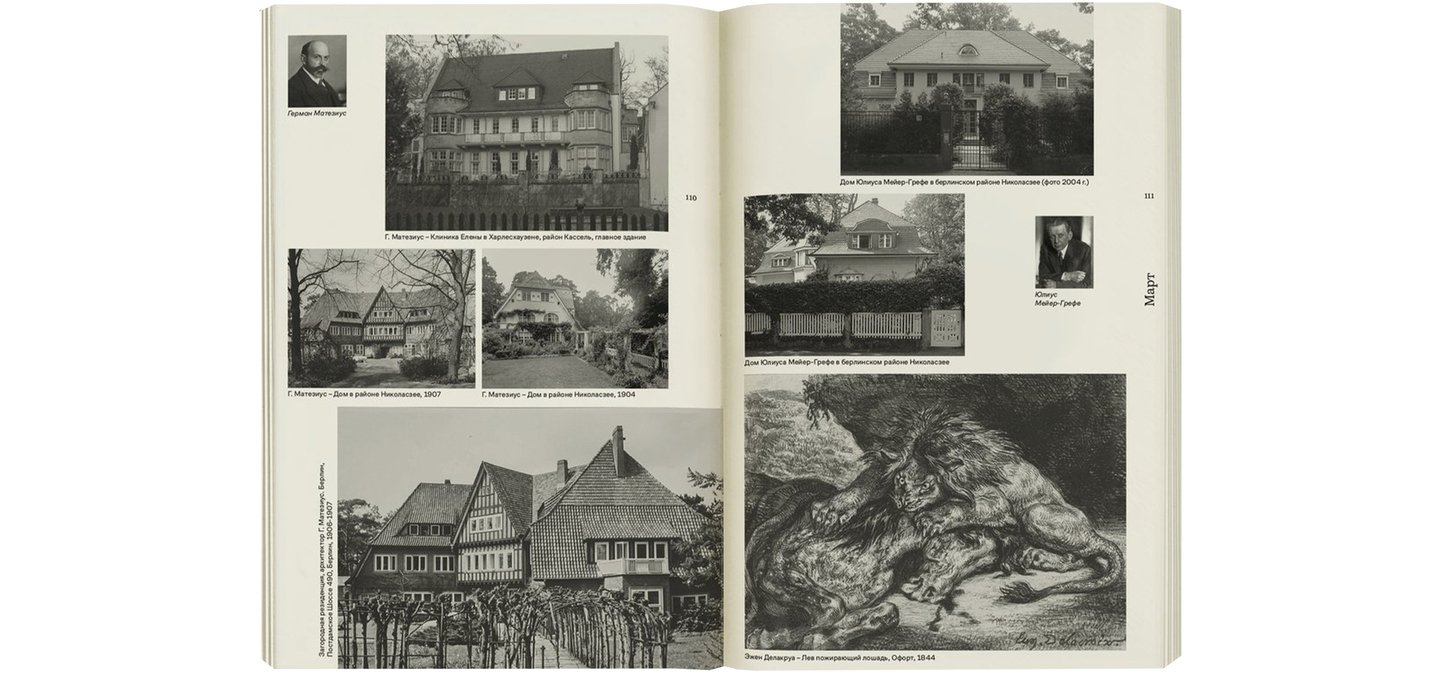
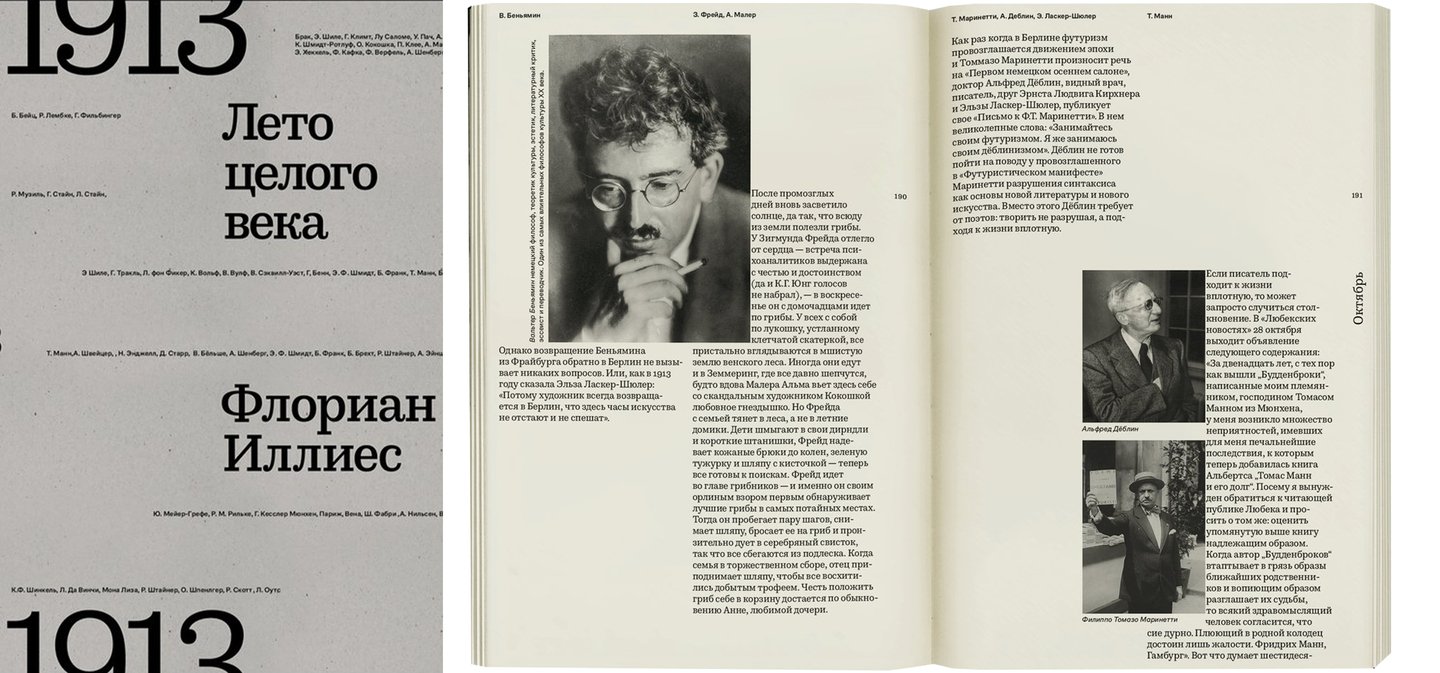
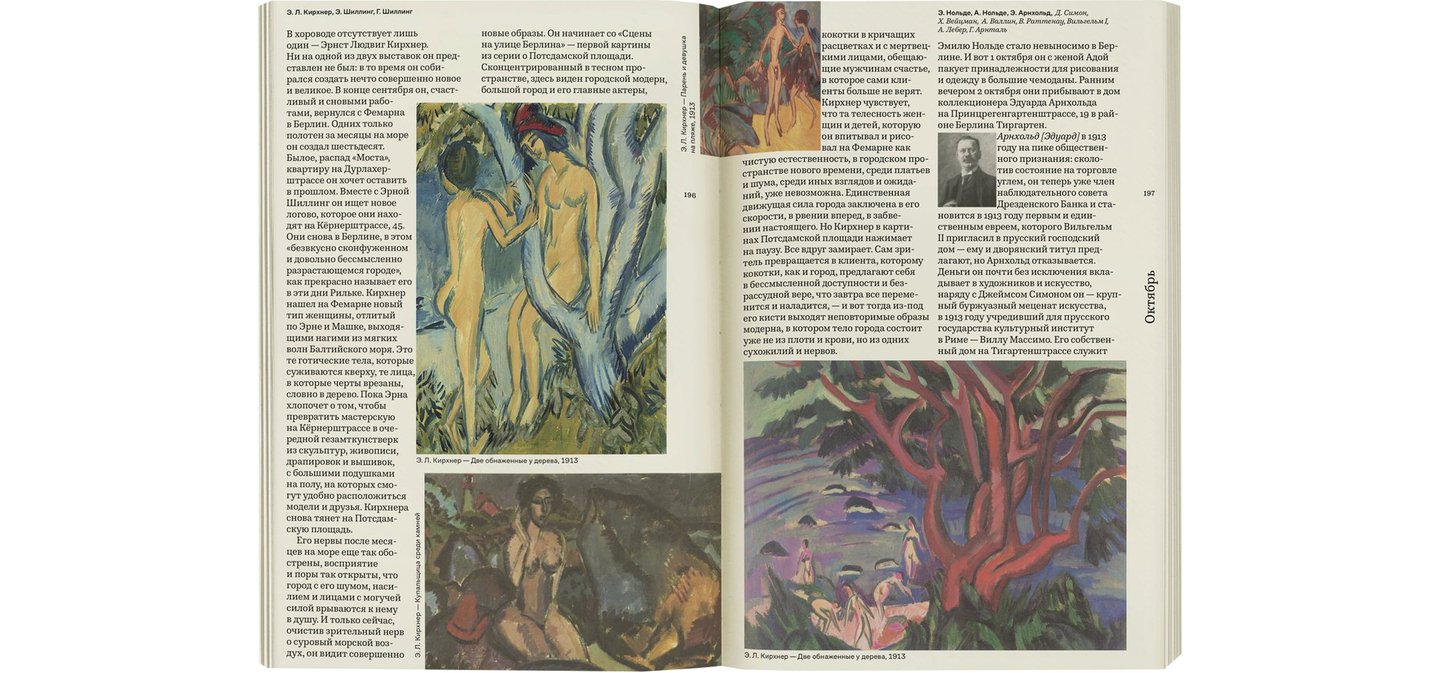
Ivan Arbuzov. 1913. Summer of the Century. 2025
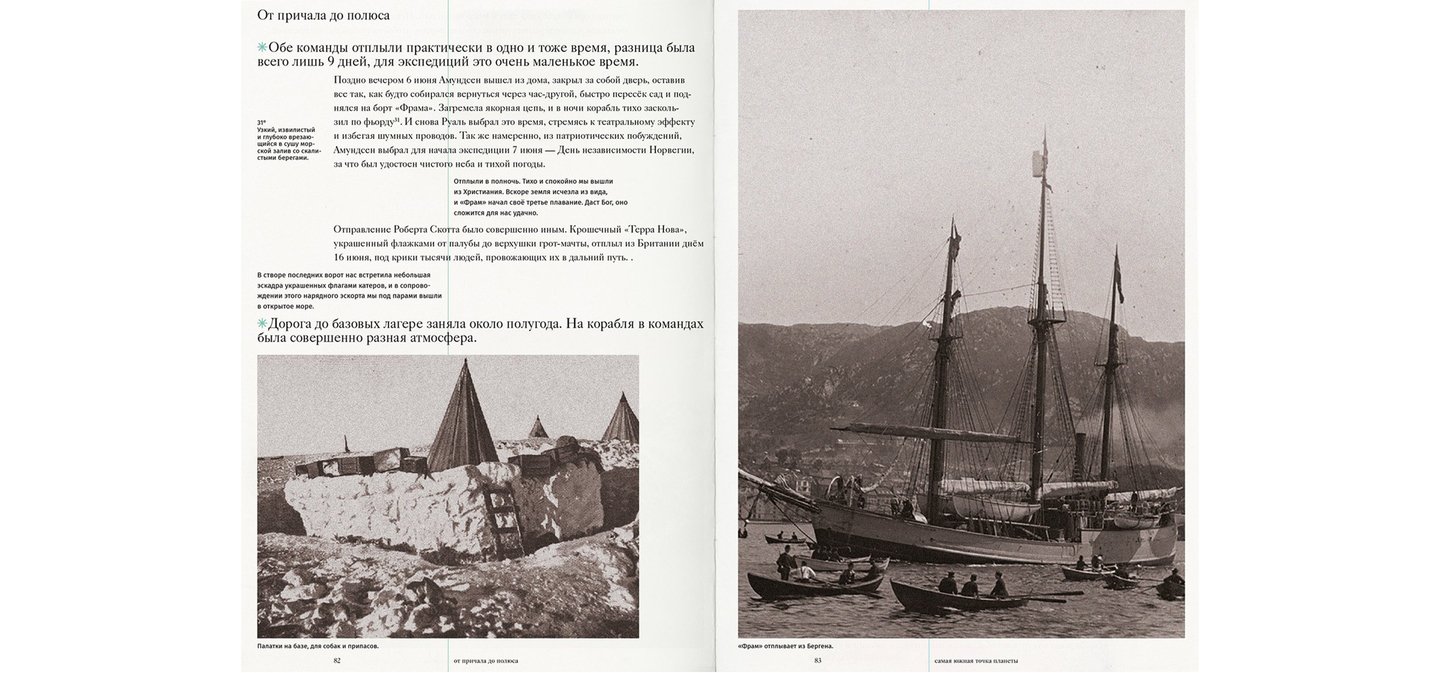
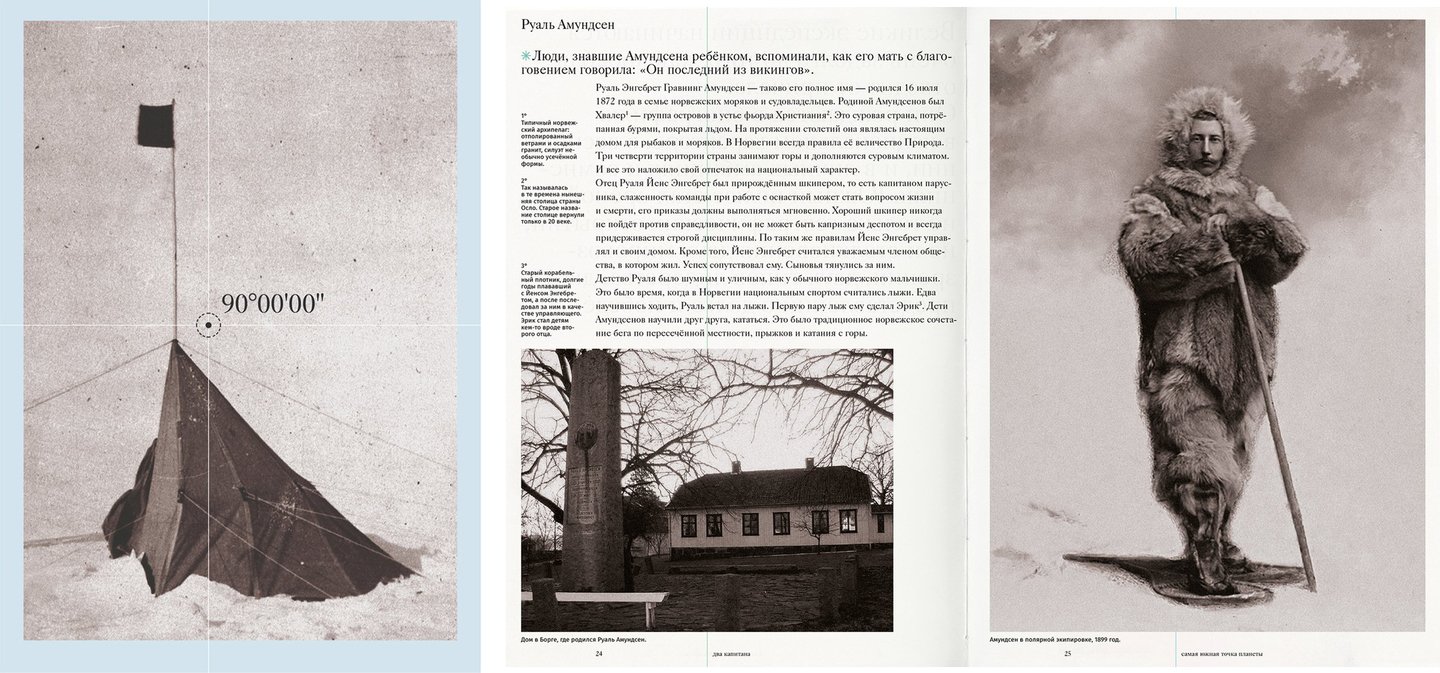
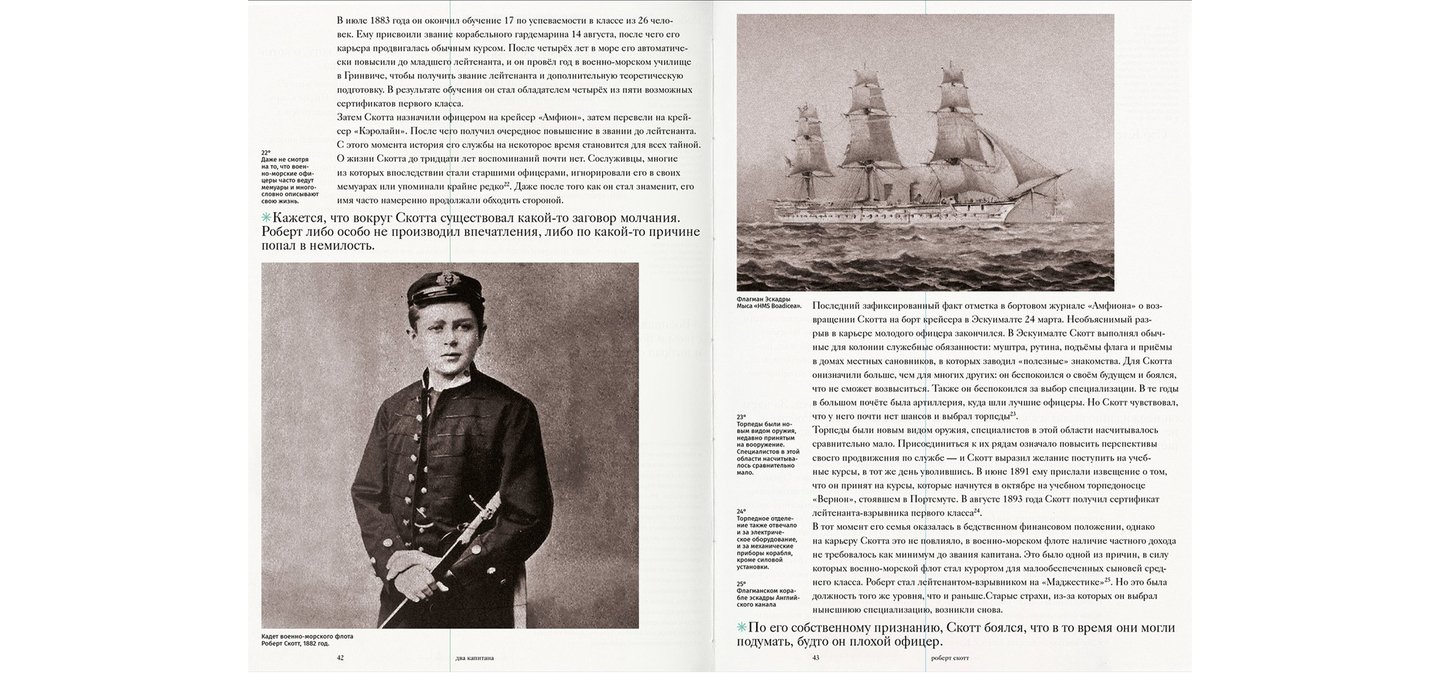
Varvara Savelyeva. 90°00'00''. 2026