01 // IN/TERIOR CONCEPT
IN/TERIOR — a specialized media platform covering contemporary interior trends and shifts in spatial design. It explores relevant materials, color palettes, forms, and stylistic techniques, tracking their emergence and dissemination while examining how they impact modern interiors.
— «Why did a particular solution become popular?»
— «Where did the trend originate?»
— «How relevant is it today?»
— «How long can it remain in demand?»
There is a massive amount of visual references and new interior solutions available today, yet the reasons behind the popularity of certain trends are not always apparent behind beautiful images. IN/TERIOR helps you understand why the interior environment is changing, where new directions are emerging, and what role they play in contemporary visual culture.
// Media Objective
The primary focus of IN/TERIOR is to make interior trends comprehensible by illustrating not only their visual characteristics but also the context of their emergence, evolution, and potential applications.
// Target Audience
The main attendees will include students and aspiring interior designers, practicing professionals, as well as individuals interested in design and contemporary visual culture.
// Format
Digital media, with Telegram as the primary platform.Content includes short editorial pieces, analytical notes, visual explorations, and thematic collections.
The core principle is not just to show what is becoming popular, but to explain why it is happening and how attitudes toward space are evolving.
02 // THEMATIC PLAN
The IN/TERIOR thematic plan is designed for six months and includes 48 potential publications—eight topics per month. The anticipated frequency of material release is one to two publications per week.
The topics are distributed across six consecutive focus areas: from studying current interior trends to analyzing the reasons for their emergence, their practical application, and their potential future evolution. This approach allows for the gradual unfolding of the media concept while maintaining content diversity.
The plan incorporates two primary publication formats: text-based posts and analytical articles featuring visual examples and research.
Month 1.
Contemporary Interior Design: What’s Changing?
1. Why Minimalism Is No Longer the Only Benchmark?
— We analyze how perceptions of minimalism are evolving and why contemporary interiors incorporate more expressive textures, color, and individual details.2. Brown Instead of Gray?
— We explore the growing popularity of warm, natural hues and show how wood, stone, and textiles transform the perception of the color palette.3. Why Do Social Media Interiors Look Alike?
— We examine how the proliferation of references influences visual decisions and why the same techniques are repeated across different projects.4. Materials You Want to Explore
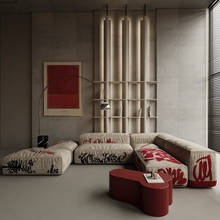
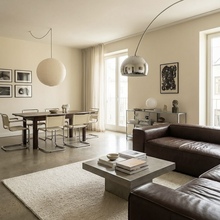
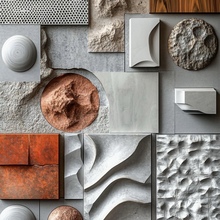
— A visual selection of stone, wood, and metal, highlighting pattern, relief, and the juxtaposition of textures.
5. Vintage in Contemporary Interiors
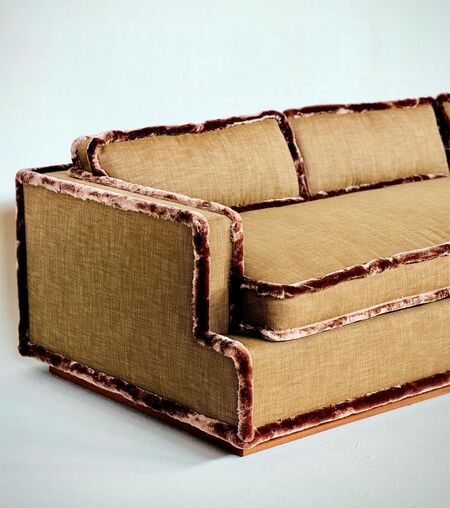
— We explore how objects from different eras harmonize with modern furniture to help create personalized spaces.6. Is Comfort Also Beautiful?
— We analyze the difference between visually striking designs and their practical functionality in daily life.7. How is the Concept of Comfort Evolving?
— We investigate the role that lighting, materials, personal items, and spatial organization play in perceiving home comfort.8. Interior Deconstruction: What Shapes Its Character?
— Using a specific project as an example, we analyze the palette, materials, lighting, and compositional solutions that form its identity.
Month 2.
Materials, Color, and Textures
1. Why are natural textures appealing to us?
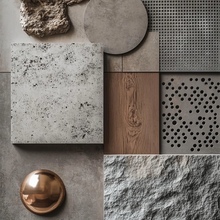
— We analyze why wood, stone, and other materials with natural patterns remain in demand and how they influence the perception of space.2. Stone as the main character of interior design
— We demonstrate how stone is used not only for finishing but also as an expressive element in interior design. We compare different types of surface treatments and material applications.3. Metal in living space: a cold material, a warm atmosphere
— We explore how metal combines with wood, textiles, and other materials, as well as how its color and finish affect the overall character of the interior.4. One color—different moods
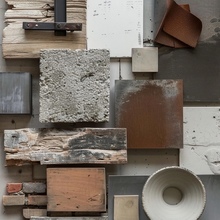
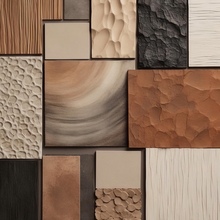
— Using examples, we show how lighting, texture, and adjacent shades change the perception of the same color.
5. Matte or Glossy Finish?
— We compare two types of finishes and explain how they reflect light, affect the visual perception of space, and suit different interior design solutions.6. Why Do Imperfect Surfaces Look Interesting?
— We examine materials with irregularities, signs of processing, and heterogeneous textures. We explain how these characteristics become part of the interior’s aesthetic.7. Three Materials That Work Well Together
— We select successful material combinations and analyze what allows them to harmonize: color, contrast, texture, or visual weight.8. When Does Texture Become Too Much?
We show how surface variety can make an interior expressive, and when the combination of materials begins to overload the space.
Month 3. Forms, Furniture, and Spatial Organization
1. Arches: Architectural Feature or Decoration?
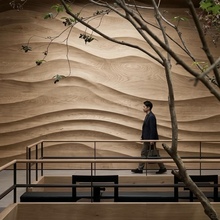
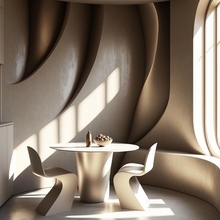
— We explore how arched forms alter spatial perception, their origins in modern interior design, and when they are truly justified.2. Why Are Curved Shapes Perceived Differently from Strict Geometry?
— We compare furniture and architectural elements with flowing versus straight lines, demonstrating how form influences the character of an interior.3. Furniture as Architecture
— We examine pieces of furniture that become integral parts of a spatial composition: built-in structures, large volumes, and non-standard storage systems.4. One Object That Changes an Entire Interior
— Using specific examples, we illustrate how an expressive chair, light fixture, or table can set the direction for the entire interior design solution.
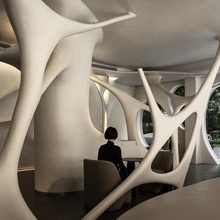
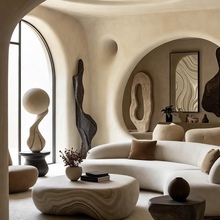
5. Open Plan Design: Freedom or Loss of Privacy?
— We examine the advantages and limitations of open spaces, as well as methods for dividing functional zones without solid partitions.6. Light as Part of Architecture
— We demonstrate how integrated lighting, light lines, and structural illumination shape the volume of a space, rather than simply making it brighter.7. How to Visually Alter Room Proportions?
— We break down how color, line direction, mirrors, lighting, and furniture scale affect the perception of a room’s height, width, and depth.8. Detail Analysis: Why Does This Technique Work?
— We analyze one specific architectural or interior element and explain what problem it solves and how it influences the overall image of the space.
Month 4.
History, Culture, and Trend Origins
1. Why Does Contemporary Design Look to the Past?
— We explore why designers reinterpret historical forms, objects, and materials instead of completely discarding previous traditions.2. What Does Contemporary Interior Design Borrow from Modernism?
— Using examples, we show how the ideas of functionality, simple forms, and spatial unity continue to influence modern interiors.3. Why Does 1970s Aesthetics Continue to Inspire Designers?
— We analyze the characteristic colors, furniture shapes, and materials of this decade, as well as ways to adapt them to contemporary spaces.4. Historical Elements Without Historical Style
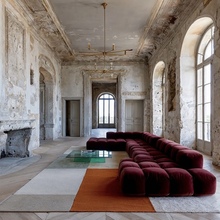
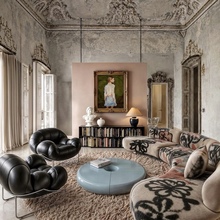
— We demonstrate how individual details—stucco, moldings, arches, or vintage furniture—can be integrated with modern architecture without directly copying the past.
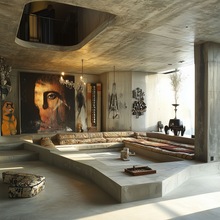
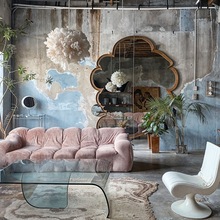
5. How do social media influence interior preferences?
— We investigate how visual platforms disseminate specific styles, shape material popularity, and affect client expectations.6. Why are we drawn to items with a history?
— We analyze the interest in vintage pieces, heirloom items, and objects marked by the passage of time, which lend individuality to an interior.7. Where does the interest in natural materials originate?
— We examine the cultural and aesthetic reasons behind the popularity of wood, stone, and other natural textures, without reducing them solely to visual appeal.8. One historical source—three contemporary solutions
— Using a specific historical style as an example, we demonstrate three ways to reinterpret it: through color, furniture form, and architectural details.