Rubrics:
- Media Goal Description
- Future Media Theme
- Competitors and Analysis
- Distribution Channel
- Target Audience Description
- Unique Selling Proposition (USP)
OBJECTIVE DESCRIPTION
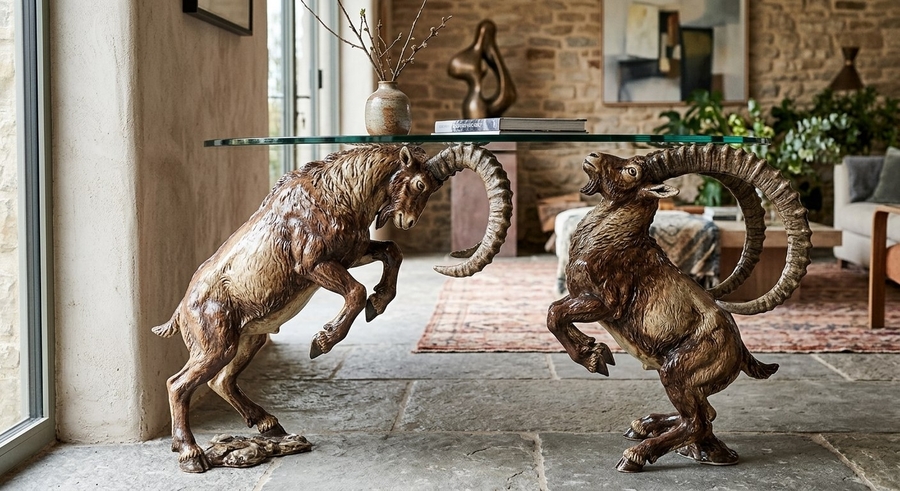
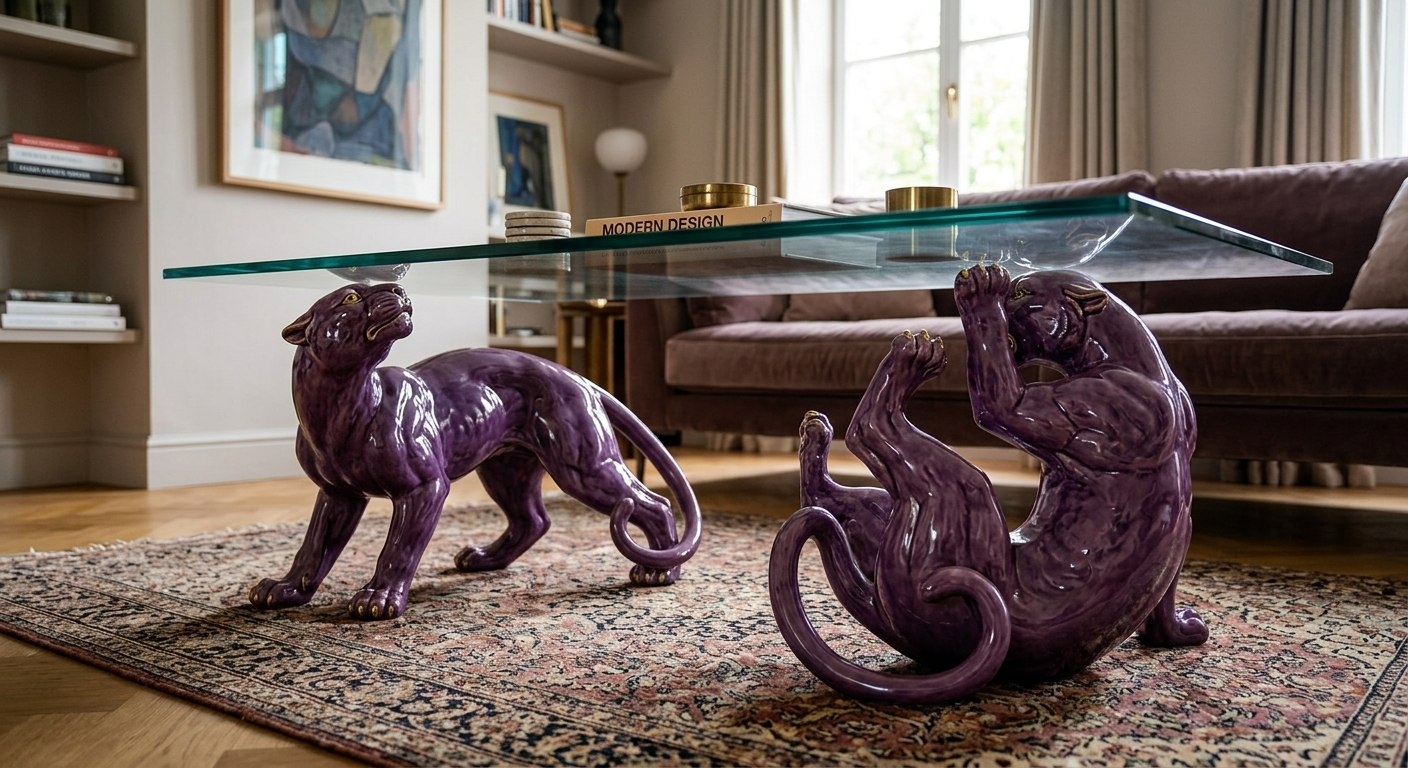
Goal: to launch and position a signature product—designer tables featuring glass tops mounted on ceramic figures of multicolored animals—as an object of collectible design and functional art, capable of occupying the niche between mass-market furniture and gallery pieces, involving direct sales to the end consumer, and establishing a recognizable authorial style.
Problem: The project sits at the intersection of two markets—furniture and fine art—and each dictates its own rules. From the furniture market’s perspective, the product is compared to standard tables based on price, functionality, and materials. The glass tabletop and ceramic figures increase the cost of the construction rather than creating inherent value. From the art market’s perspective, the product is perceived as an object. Its functionality impedes its perception as pure art.Solution: Position the table as an object that is simultaneously furniture and a sculptural composition.
Objectives:
++ To establish a category for functional sculpture ++ To demonstrate the figure not merely as support, but as a character ++ To present the glass tabletop as an integral part of the composition ++ To establish a direct dialogue with the buyer ++ To showcase the process as part of the inherent value ++ To forge a recognizable authorial voice
TOPIC
Category: Custom Interior Design / Collectible Object Design.
Narrow Topic: The table as a sculptural composition.
COMPETITOR ANALYSIS
Criteria for Competitor Analysis:
++ Product and Positioning
++ Content Value
++ Visual Presentation
++ Tone of Voice
++ Platforms
++ Formats
++ Purchase Journey
++ Weaknesses
Top 3 Direct Competitors
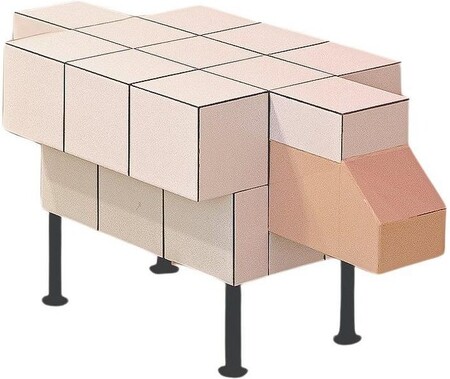
Bussoga: a Spanish design studio and ceramic workshop creating avant-garde interior objects.
Product and Positioning: The sculpture table «Taula Ovella”—a sheep clad in hand-cut ceramic tiles, featuring a steel frame inside. This connects ceramics and contemporary design; essentially, it is a sculpture that functions as a table.Content Benefit: On their website, users can find a detailed description of the creation process: manual tile cutting, the use of diamond saws. The viewer gains an understanding of why and how the piece looks.Visual Presentation: Neutral background, emphasizing the tile’s form and texture, with object photography presented like a catalog shot without environmental context.Tone of Voice: Expert, conceptual.Platforms: 1stDibs—the primary website and showroom, and participation in the major international Madrid Design Festival.Formats: Product card with description, fixed photography, no video.Purchase Path: A purchase inquiry is submitted through the website.Weaknesses: Monotony in color and form, weak visual presentation.
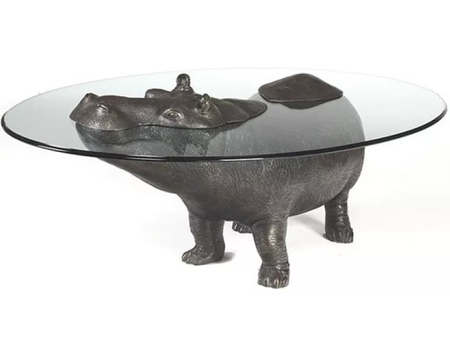
Mark Stoddart: a Scottish sculptor and furniture designer, known for his coffee and dining tables with glass tops featuring bronze sculptures.
Product and Positioning: A glass tabletop paired with bronze sculptures of African animals that appear to be emerging from water; limited runs of 99 pieces per series.Content Value: Descriptive posts focused solely on the concept and photography, omitting the production process.Visual Presentation: Photos of the finished tables, frequently staged within interior design settings.Tone of Voice: Understated and design-forward.Platforms: The official website markstoddart.com, publications in design blogs, and museum catalogs.Formats: Photography combined with textual descriptions.Path to Purchase: Direct commission from the designer; lead times are not specified, and pricing is by request.Weaknesses: Absence of a process documentation on the website, which limits the buyer-seller connection; a narrow focus on African wildlife; and limited edition runs.
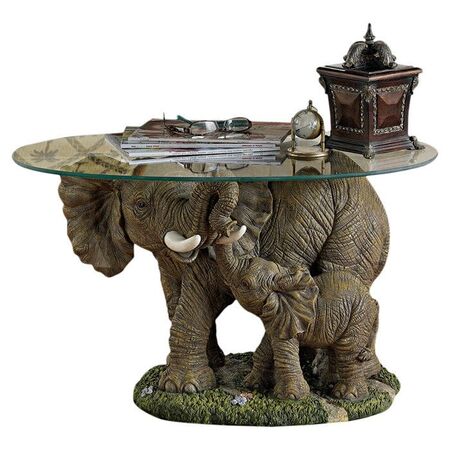
Design Toscano: a multinational company that produces and sells sculptures, historical reproductions, furniture, and home decor items.
Product and Positioning: An exclusive home décor item that brings exotic, adventurous motifs into an interior. The glass tabletop allows the side table to function as a practical element while also offering a 360-degree view of the sculpture.Content Benefit: A product card with specifications.Visual Presentation: Standard e-commerce photography on a white background.Tone of Voice: Retail, functional.Platforms: The main website designtoscano.com, and marketplaces Wayfair, eBay.Formats: Product card.Purchase Journey: Through the main website or marketplaces.Weaknesses: Mass production, comparison with other products on marketplaces.
Conclusion: utilize glass that allows the entire figure to be seen, rather than just its shape or figurative elements, and incorporate brightly colored, diverse shapes to capture attention.
Top 3 Indirect Competitors

Manner & Matter: a global online platform and marketplace for Russian designer furniture, decor, and interior art.
Product and Positioning: The first and largest platform in Russia that unites numerous interior design elements and those interested in acquiring bespoke design.
Content Value: Actively produces educational content—interviews with creators, explanations on how to build an interior around art objects, and why Russian design is worth the investment.
Visual Presentation: Products are photographed in neutral settings, emphasizing the object itself. There are also special projects and pop-up showrooms where items are showcased within an interior context.
Tone of Voice: Expert, yet accessible.
Platforms: The proprietary marketplace website, manner-matter.ru, and the Cosmoscow fair.
Formats: Product cards with detailed descriptions, special projects, collaborations, and pop-up showrooms.
Purchase Journey: Self-service online ordering or consultation with a manager for tailored sourcing.
Weaknesses: Positioning is diluted due to scale, and there is a lack of a distinct authorial voice in communications.

The Future Perfect: an influential platform for collectible design, renowned for blurring the lines between art, craft, and utilitarian objects.
Product and Positioning: One-of-a-kind or limited edition pieces where the core idea is to showcase how design, art, and craft intersect with daily life.Content Value: Minimal text, maximum context provided through exhibitions. The Future Perfect features work on the leading international platform for collectible design, Design Miami, held at the Villa Paula hotel, in group shows.Visual Presentation: Neutral background, emphasis on material and form.Tone of Voice: Curatorial, descriptive.Platforms: thefutureperfect.com website, Design Miami, Villa Paula, art fairs.Formats: Exhibition catalog, object detail card with description, installation.Path to Purchase: Via gallery, not directly from the artist.Weaknesses: Absence of the creation process as content; the price is not immediately visible to the viewer.
Sotheby’s and Bonhams auction houses: two of the four largest auction houses in the world.
Product and positioning: Authorship and limited editions, global auctions including live bidding, online sales, and private deals.
Content value: Sotheby’s press releases explain the context and connection to other works. The buyer gains an understanding of why the piece holds such value and what its worth is.
Visual presentation: Museum-quality display, neutral background, multiple angles, details, and scale shown through interior photography.
Tone of voice: Academic, authoritative.
Platforms: The main websites sothebys.com and bonhams.com, physical pre-auction exhibitions, catalogs, and online platforms.
Formats: Pre-auction exhibition, lot description, catalog, press release.
Path to purchase: Registration, auction participation, commission.
Weaknesses: Auctions are not favorable for the artists.