Introduction
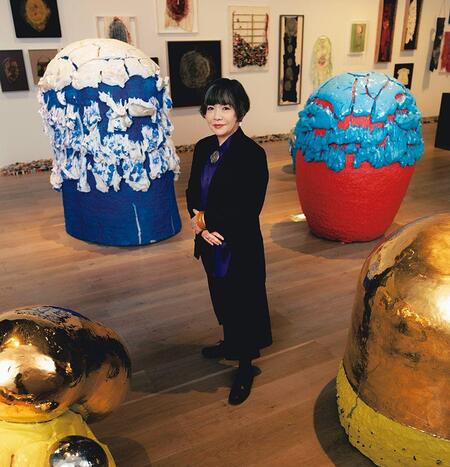
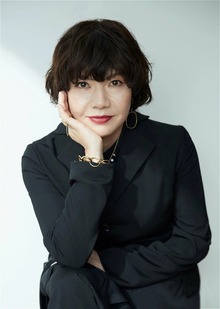
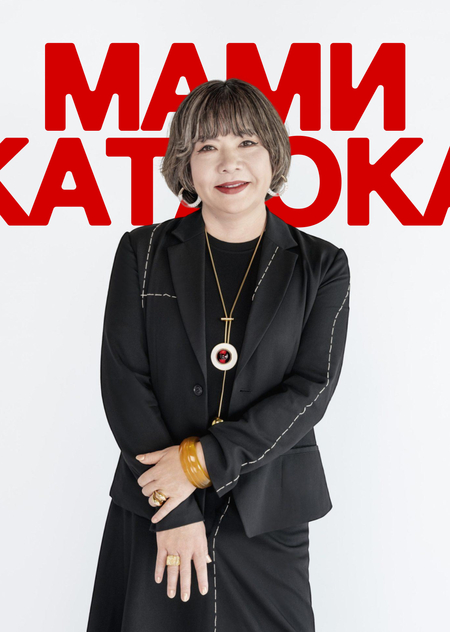
Mami Kataoka is one of the most renowned figures in the Japanese curatorial scene, playing a significant role in the international promotion of contemporary art from Japan and other Asian nations.Mami was born in Nagoya, Japan, in 1965. She graduated from Aichi University of Education in 1988.In her practice, Kataoka strives to overcome the Eurocentric view of art and present Asia as an independent and multifaceted artistic space.
Professional Activities
Tokyo Opera City Art Gallery (1992–2002)
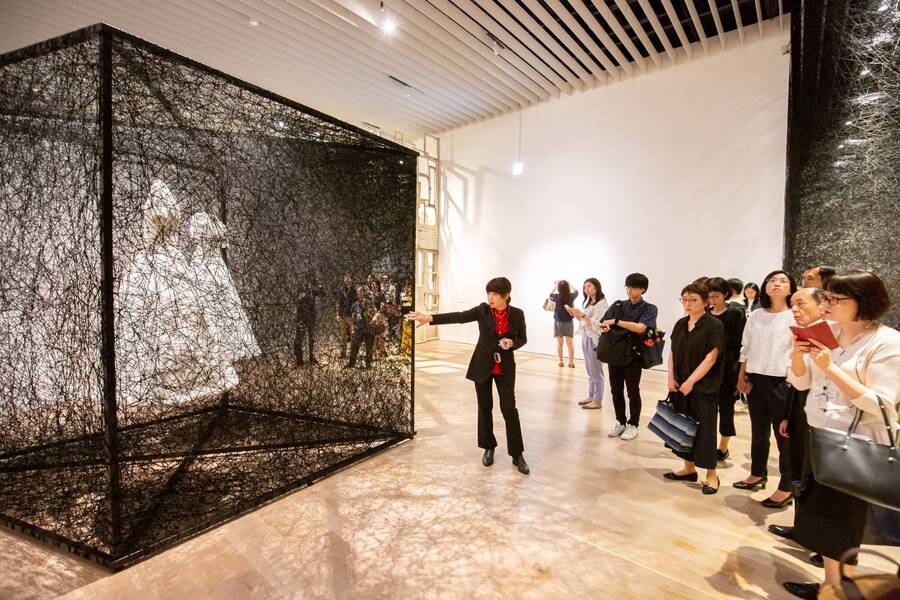
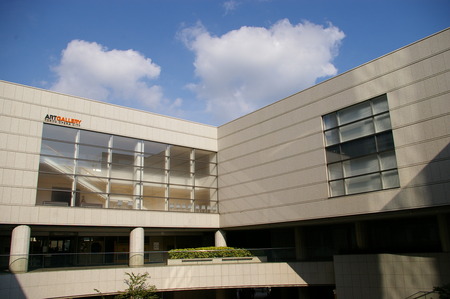
Since 1992, Kataoka has been involved in planning and conceptualizing the future exhibition space of the Tokyo Opera City Art Gallery, and in 1997, she became the gallery’s lead curator. Among the significant projects from this period are exhibitions featuring the work of Tatsuo Miyajima, Yayoi Kusama, and other contemporary artists. Kataoka has also participated in projects exploring new directions in Asian art.
Key Exhibitions:• Releasing Senses (1999) — an exhibition marking the gallery’s opening.
• Tatsuo Miyajima: Mega Death (2000) — a project by Japanese artist Tatsuo Miyajima.
• Rirkrit Tiravanija (2002) — an exhibition by a Thai artist known for works at the intersection of art, communication, and daily life.
• Under Construction: New Dimensions in Asian Contemporary Art (2002) — an exhibition exploring new directions in Asian contemporary art.Mami’s curatorial practice at that time reflected her interest in artistic processes across Asia and her desire to present them as an independent component of international art.
Mori Art Museum, Tokyo (2003–present)
Positions: Chief Curator (since 2003), Director (since 2019).Mori Art Museum is one of Japan’s leading contemporary art museums. It opened in 2003 within the Roppongi Hills complex and focuses on international contemporary art.Katooka led the curatorial team, organizing solo and thematic exhibitions dedicated to artists from Japan, China, India, and other countries.
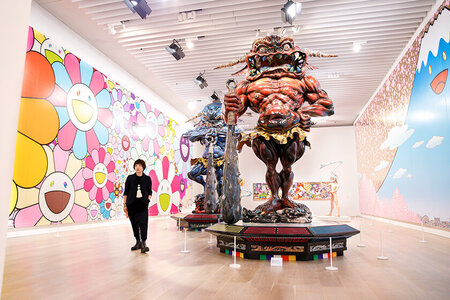
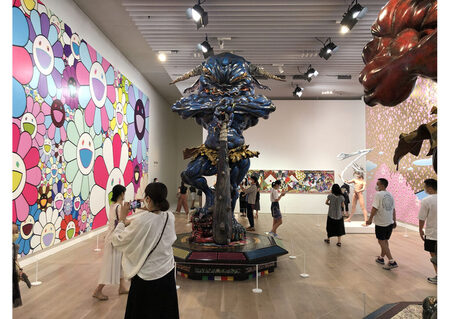
Key Exhibitions:• Roppongi Crossing (2004) — an overview of contemporary Japanese art, showcasing the diversity of the country’s artistic practices.
• All About Laughter: Humor in Contemporary Art (2007) — an exploration of humor as an artistic device and a tool for social critique.
• Ai Weiwei: According to What? (2009) — an exhibition by the Chinese artist dedicated to art, politics, and cultural heritage.
• Lee Bul: From Me, Belongs to You Only (2012) — a large-scale exhibition by the South Korean artist that investigates themes of the body, utopia, and the technological future.Additionally, Kataoka initiated the «MAM Projects, ” which aimed to support young and promising artists from around the world.
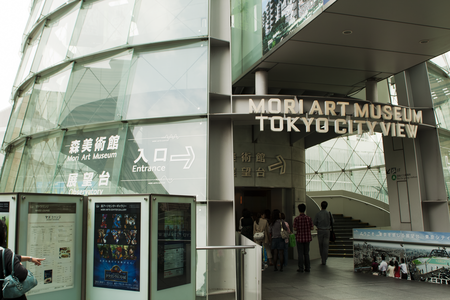
Working at the Mori Art Museum allowed Kataoke to consistently develop her interest in Asian art and elevate it to an international level. As the museum’s director, she gained the opportunity to influence not only individual exhibitions but also the institution’s overall strategy.
Hayward Gallery, London (2007–2009)
Hayward Gallery—a London gallery of contemporary art presenting international exhibition projects. Mami Katoaka was the gallery’s first international curator, combining her work in London with her activities at the Mori Art Museum.
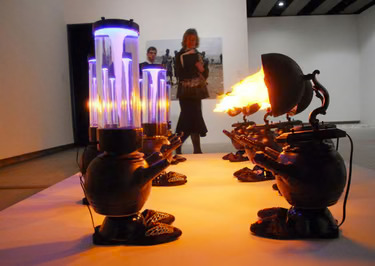
Key Exhibitions:• Laughing in a Foreign Language (2008) — an exhibition exploring humor in contemporary art across diverse cultures.
• Walking in My Mind (2009, joint curatorial project) — an investigation into the inner worlds of artists, imagination, and subjective perception.Working in London allowed Kataoke to broaden international professional connections and present art by juxtaposing different cultural perspectives.
Extracurricular Activities
In 2012, Kataoka was the guest curator for the exhibition Phantoms of Asia: Contemporary Awakens the Past (2012) at the Asian Art Museum in San Francisco.
In 2012, she was one of the six artistic directors for the 9th Biennale in Gwangju, South Korea.
In 2019, she served on the jury for the Artes Mundi and Edvard Munch Art Award.
From 2014 to 2022, Kataoka was a board member of CIMAM (International Committee for Museums and Collections of Modern Art). From 2020 to 2022, she held the position of President.
In 2024, Mami served on the selection committee for the artistic director of Documenta 16.
Research interests, theoretical ideas, and publications
Among the significant publications by Kataoki are Tatsuo Miyajima: Connect with Everything (2016), developed in collaboration with Rachel Kent and Nobuko Nakano, as well as Hiroshi Sugimoto: Time Machine (2023).
Tatsuo Miyajima: Connect with Everything (2016)
This publication is dedicated to the work of Japanese artist Tasuo Miyajima, who uses digital counters and LED numbers to explore time, the cyclical nature of life, and the interconnectedness of all living beings. The text focuses on how digital technology enables the artist to express philosophical ideas about existence and infinity.
Hiroshi Sugimoto: Time Machine (2023)
This publication examines the creative work of Japanese photographer Hiroshi Sugimoto, whose pieces explore themes of time, memory, and the ephemerality of human existence. Through photography, the artist investigates the relationship between past and present, reality and illusion, and the capacity of an image to retain a sense of time.
Curator Projects
Ai Weiwei: According to What? (2009)
Venue: Mori Art Museum, Tokyo, Japan.
Dates: July 25 — November 8, 2009.The exhibition was dedicated to the Chinese artist Ai Weiwei, known for his work at the intersection of art, architecture, design, and political critique.
The exhibition gathered works created by the artist since the 1990s, including sculptures, photographs, video, installations, and materials related to architectural and publishing projects.The central theme of the exhibition explored how cultural values are formed and who ultimately decides what constitutes a significant work of art or historical heritage.The exhibition title referenced a work by the American artist Jasper Johns, posing a question about the foundations upon which society constructs its perceptions of culture, history, and artistic value.
Katoka proposed viewing Ai Weiwei’s work not as a collection of discrete pieces, but as a cohesive artistic practice interwoven with China’s history, traditional materials, political power, and the individual’s place in society.The main feature of the exhibition was that it allowed viewers to see how traditional Chinese objects and materials attain new meanings within contemporary art.