Generative Visualization of Exhibition Spaces
How can an exhibition look before the artworks even appear in the museum hall? In this project, I trained a generative model on images of exhibition spaces and explored how it can be used to create visualizations of exhibits with varying spatial organization, artwork placement, and lighting scenarios.
Why visualize the exhibition before opening?
Creating an exhibition begins long before the first pieces occupy the museum space. It requires thoughtful consideration of exhibit placement, visitor flow, and lighting. Generative tools allow us to explore potential design variations even during the concept development phase. In this project, I trained my own model on images of exhibition spaces to test its capability in generating visualizations of museum interiors based on text prompts.
My goal is to explore how a generative model can help conceptualize a future exhibition before its physical realization—what solutions it proposes and where its capabilities end.
The model was trained on my personal photo archive.
The foundation of the curriculum is a curated selection of photographs from museum and exhibition spaces. These images serve as the visual basis for experiments in exhibition design, artwork placement, and gallery lighting.
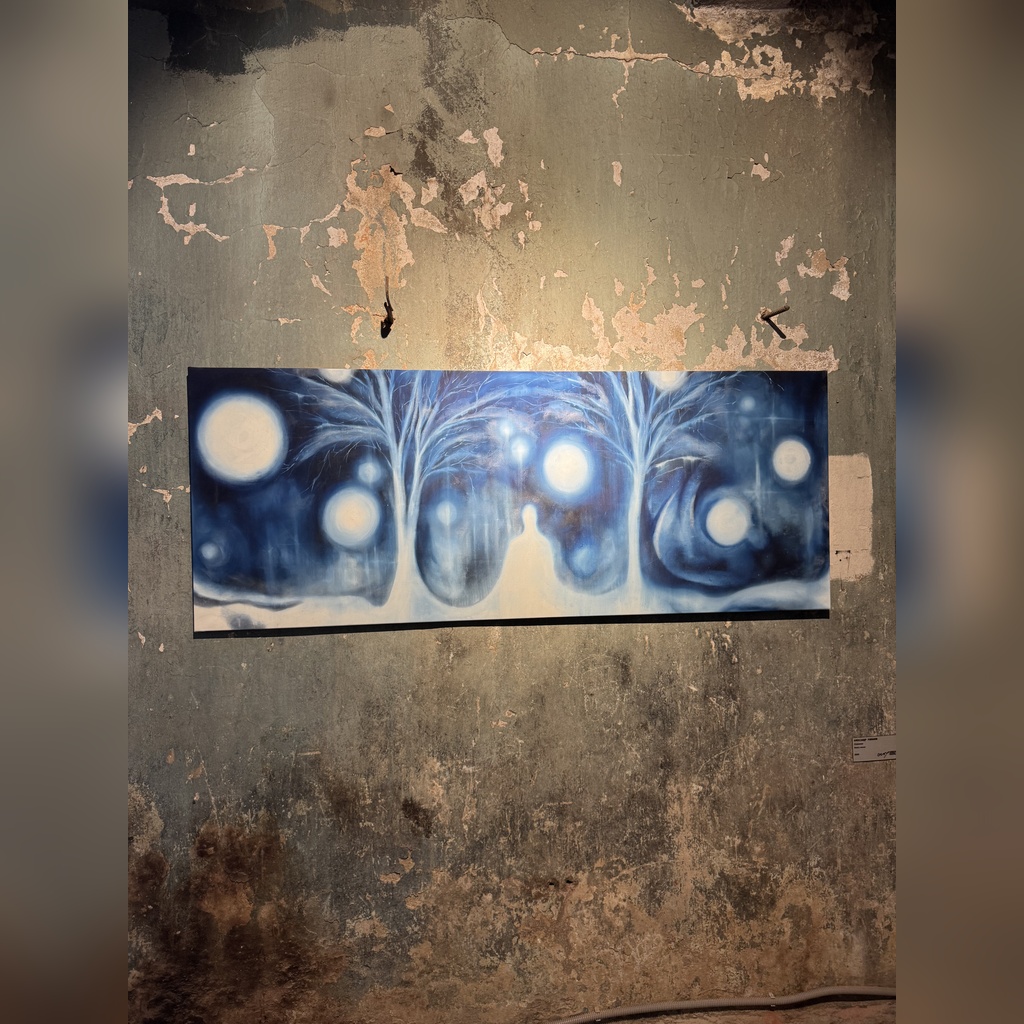
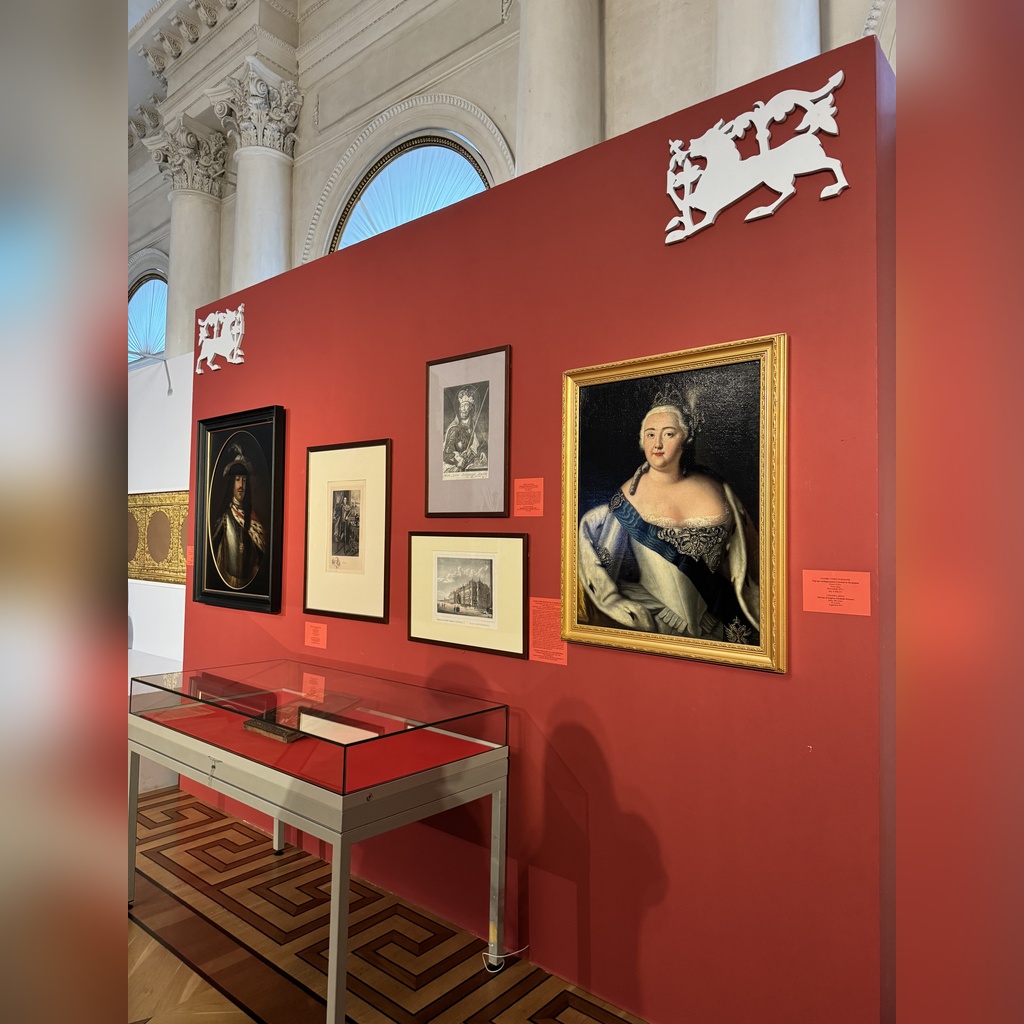
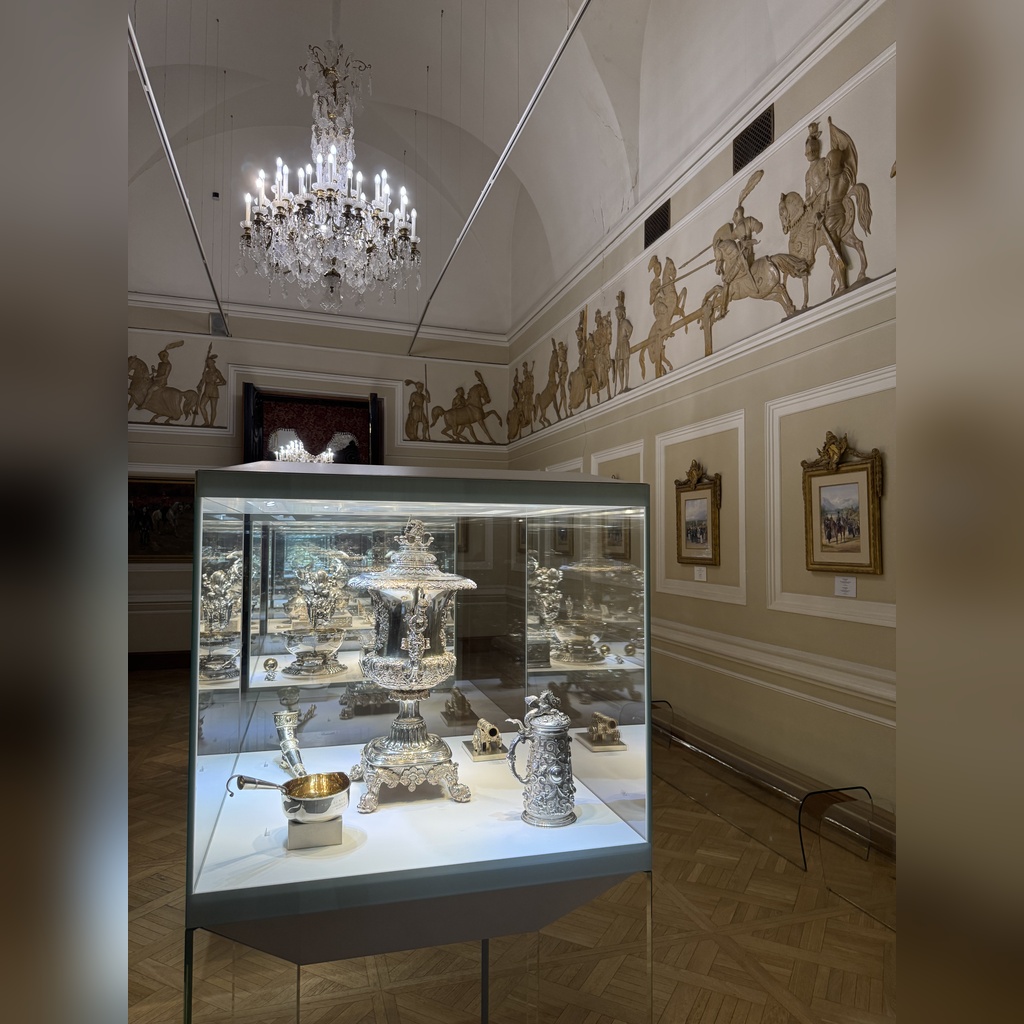
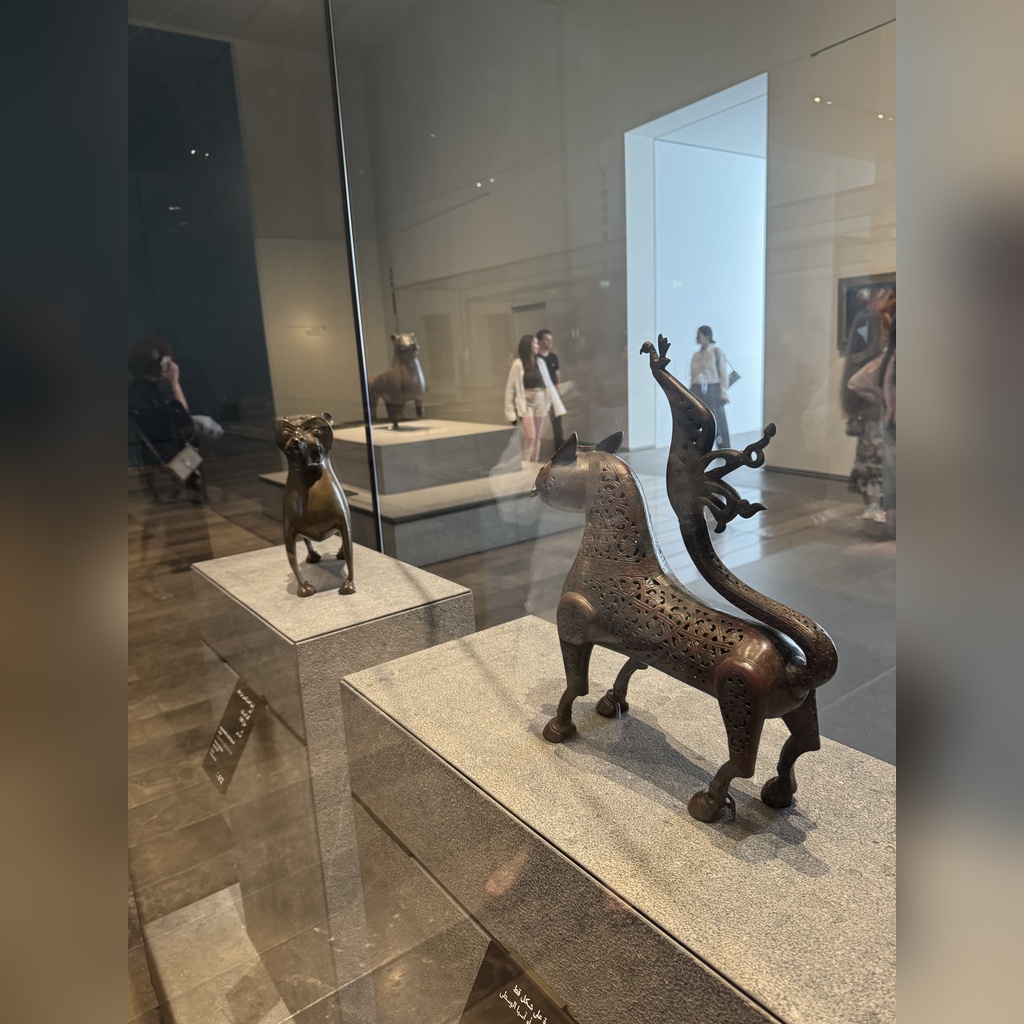
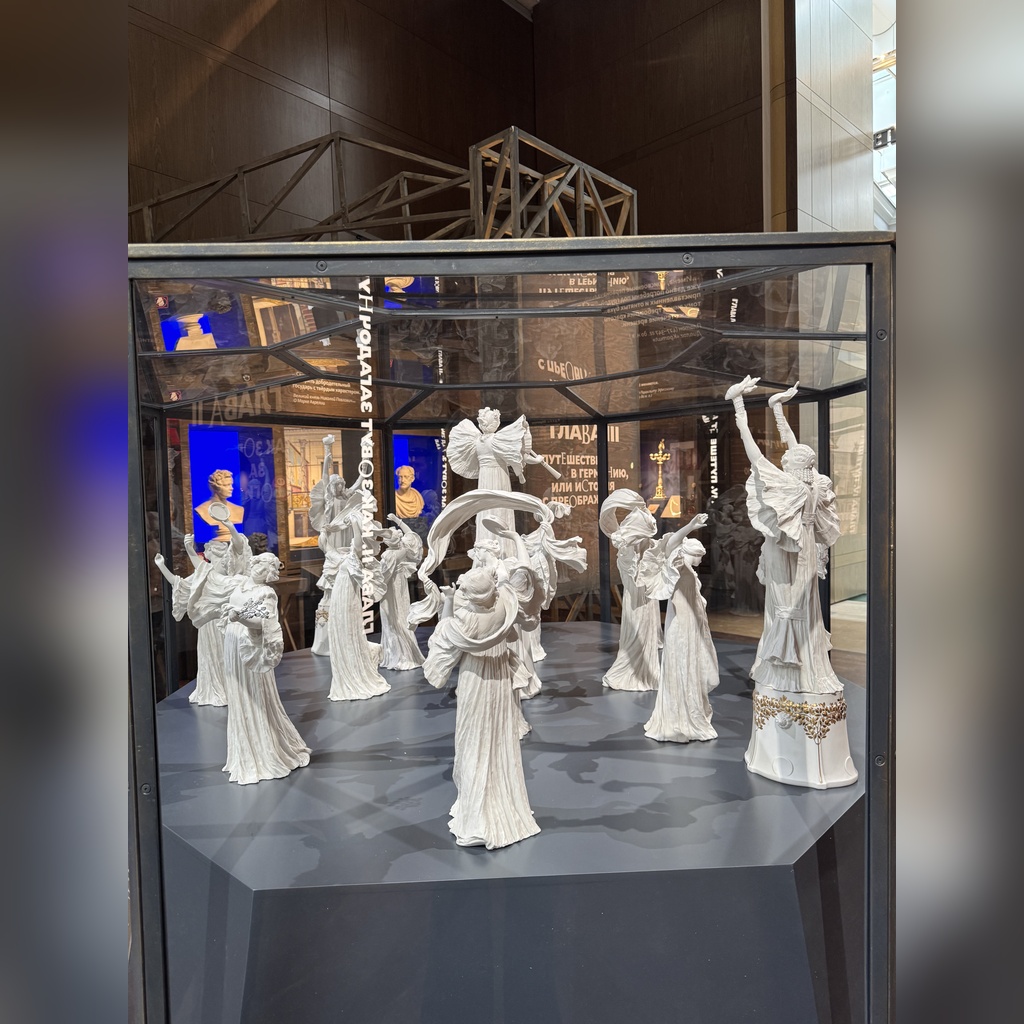
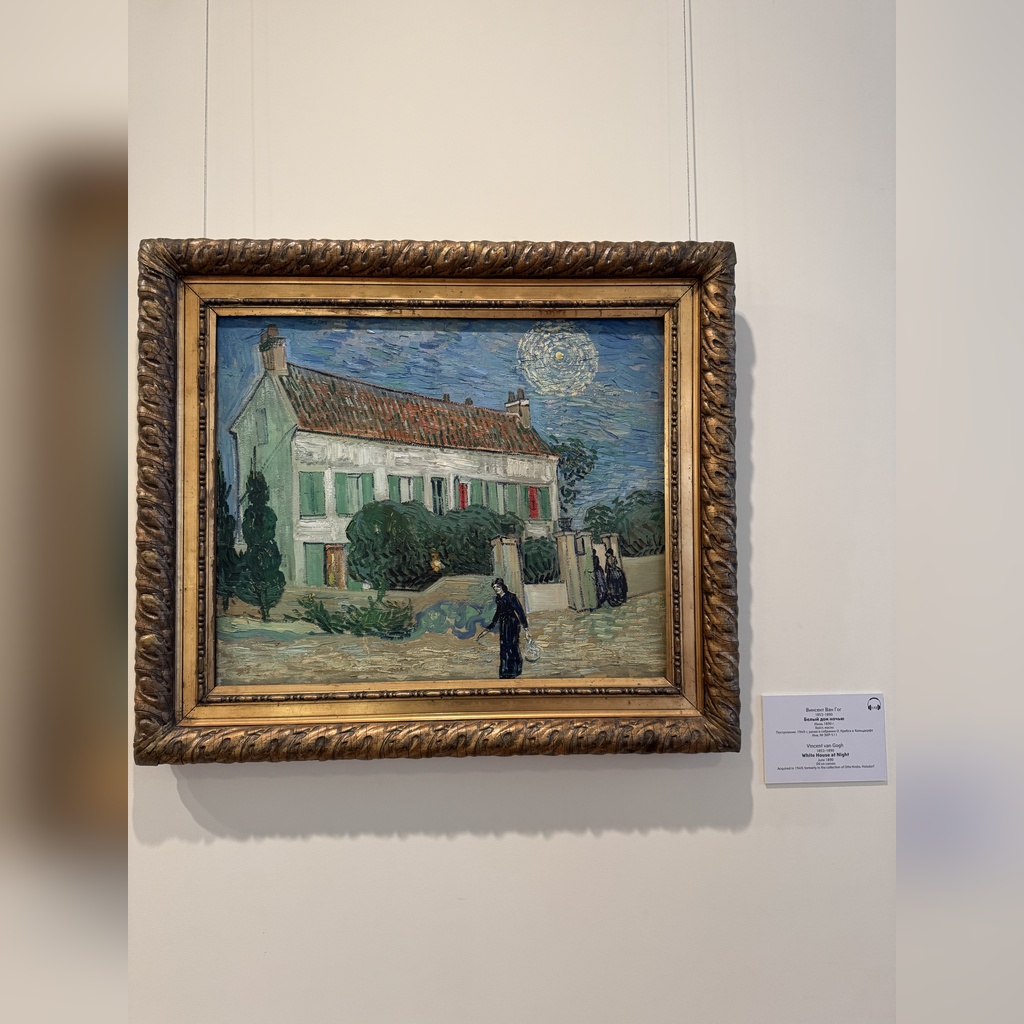
Archive Image Examples
Model Training
For this project, I utilized Stable Diffusion XL and trained an additional LoRA module on a curated set of exhibition space images. This approach allowed me to adapt the base model to the visual characteristics of the training material while retaining the capability to generate images from text prompts. After training, I proceeded to experiments, altering the descriptions of the spaces, the placement of artworks, and lighting scenarios to explore the potential of the resulting model.
Generation 01. Uniform Hanging
Assessing the model’s ability to interpret the specified exhibition space composition: the placement of artworks, the symmetry of the hanging, and the nature of the lighting.

Generation 02. Soft Natural Lighting
Assessing the model’s ability to convey the atmosphere of an exhibition space through overhead natural light, soft shadows, and a neutral color palette, while maintaining the realism of the architecture and the exhibit.

Generation 03. Accent Lighting
Investigating the model’s capabilities in conveying artificial lighting scenarios: directional light highlights individual works, forming visual accents and emphasizing the depth of the exhibition space.

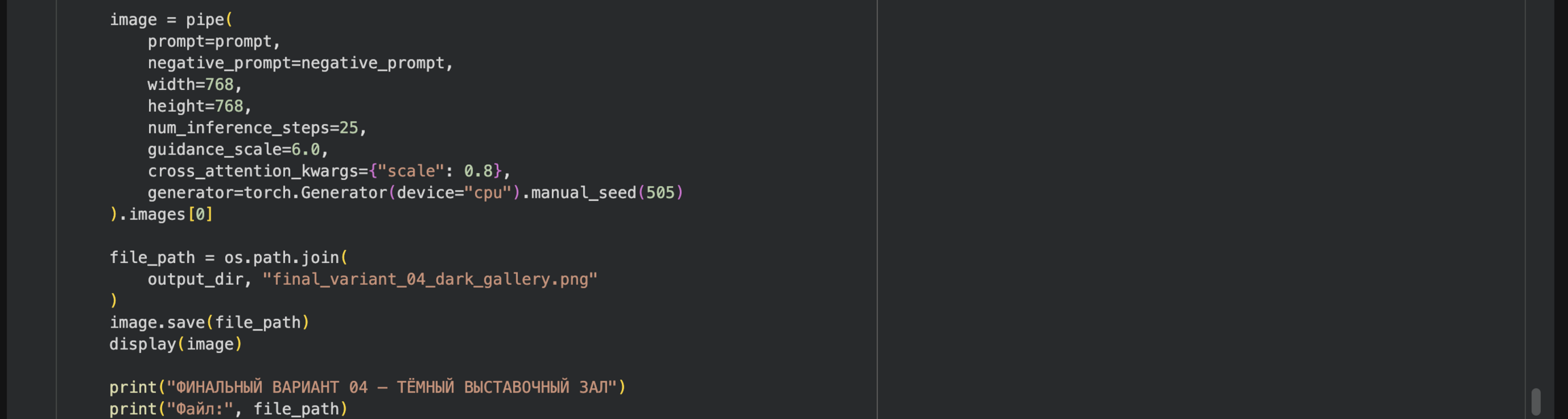
Generation 04. Dark Exhibition Hall
Study of the influence of a dark color palette on exhibition perception. Graphite walls, contrasting frames, and focused warm lighting create an intimate atmosphere, drawing attention to individual works of art.

Generation 05. Sculpture Exhibition
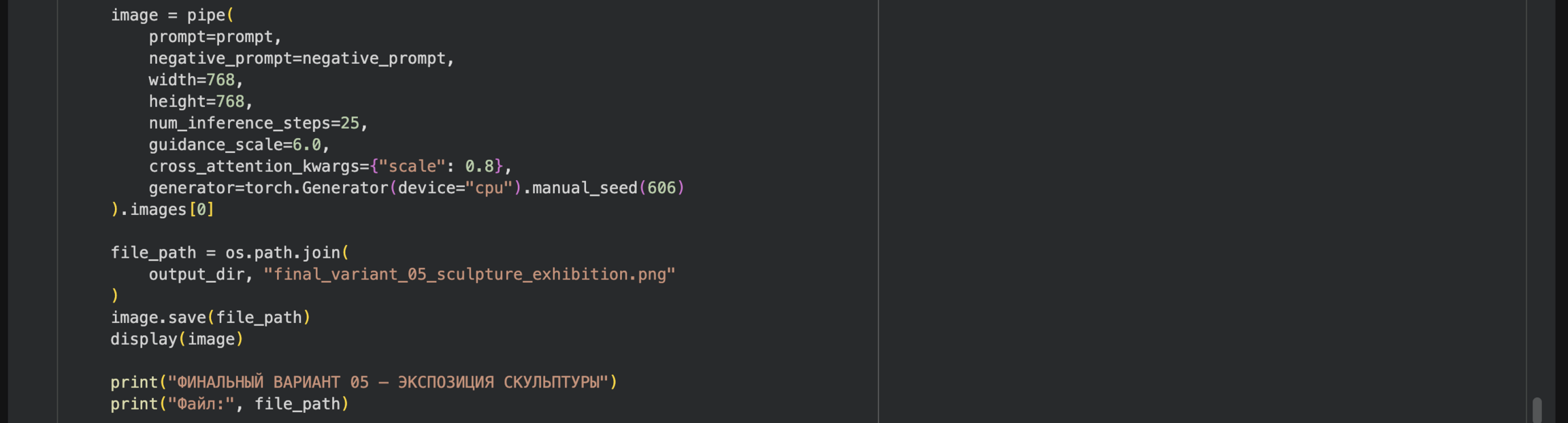
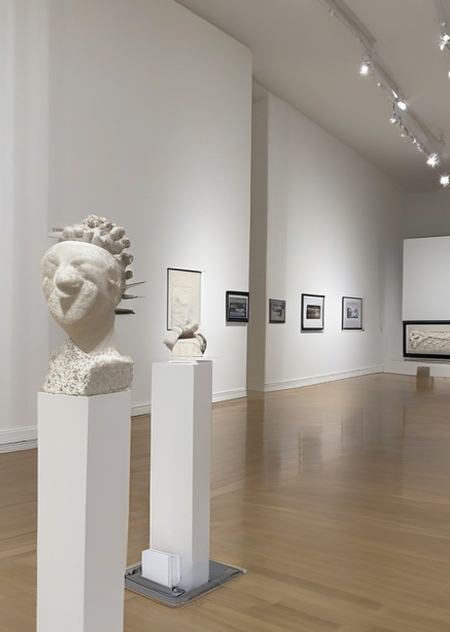
Investigation of volumetric object placement within the exhibition space. Individual pedestals, clear pathways, and directed lighting help distribute attention across sculptures and establish a coherent visitor circulation route.