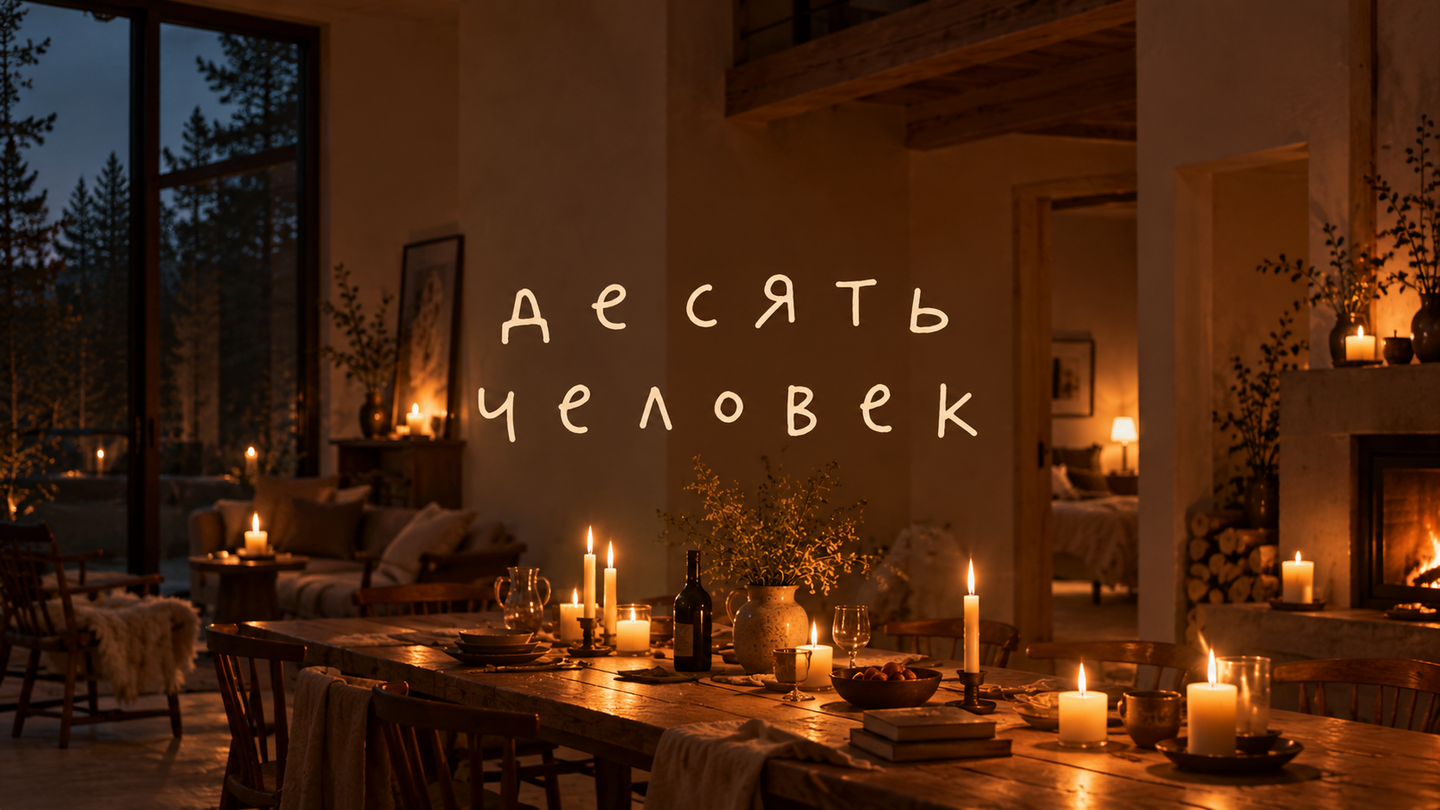
«Ten People» is an original media project about intimate gatherings, curated by a single host. It blends a personal blog, private events, and ready-made scenarios.
Themes in Future Media
Segment: leisure, offline community, hosting (the art of entertaining guests).
Niche Topic: intimate gatherings for 8–15 people in a loft or country house. The creator demonstrates how they conceive and host evenings: concept, script, menu, music, seating, decor, and post-event review. They also host private events by appointment and sell ready-made evening kits (script, menu, playlist, prop list).
Format: scripted posts, checklists, playlists, photos, and short preparation videos, announcements for private events, «what worked and what didn’t» analyses, and the creator’s personal notes.
Why This Topic in Particular
• People are tired of online interactions and are seeking real-life gatherings. According to Eventbrite, the number of phone-free events globally has increased by 567% between 2024 and 2025.
• Almost all party content consists of impersonal articles titled «how to host a party.» There is a severe lack of original media where one person consistently showcases their own practice.
• An intimate evening looks appealing: the table setting, lighting, props, preparation, the home atmosphere.
• This topic can be monetized: private evening events, party kits, organizational consulting.
Media Goal
For someone looking to host gatherings at home, two options are currently available. The first is general articles with universal advice. The second involves other people’s organized formats (such as phone-free parties, dinner meetups, or renting a space). A dedicated, author-driven space where one can both observe how a great evening is structured and attend one of those events is almost nonexistent.
• New Hosts are nervous about having an awkward evening—they don’t know where to start, how much to cook, or how to organize the seating.
• People, tired of endless messaging, miss genuine interaction free from pressure or the «dating market.»
• Those who already host friends are looking for fresh formats—the scenarios are becoming repetitive.
Project Goal: To create an original media platform about intimate parties, curated by a single host, which integrates a blog, private events, and ready-to-use scenarios.
Media will:
1. Regularly publish scripts, checklists, playlists, and event recaps;
2. Show behind-the-scenes: how an evening is born, from concept to afterglow;
3. Host intimate events for up to 15 people;
4. Sell event kits for self-guided experiences;
5. Build a small community of people who value live gatherings.
Competitors and Analysis
Services and Methods
• Yandex Wordstat: searches such as «intimate home party,» «how to organize a party,» «dinner with strangers,» and «phone-free party.»• Telemetr / LiveDune: analysis of competitor Telegram channels and accounts, post frequency, engagement, and content types.
• Pinterest: visual trends, decorating and serving ideas, and photo formats.
• Manual Search in Telegram, VK, Instagram, and Media: party organizers, venues, and general media about celebrations.
Competition Criteria
1\. Authorial Style: *A recognizable atmosphere, the organizer’s personal touch.* 2\. Intimacy: *The company size, the communication format.* 3\. Education: Is it possible to learn how to host such evenings independently? 4\. Visual Presentation: *Photography, aesthetic design, atmosphere.* 5\. Audience Engagement: *Community building, feedback.* 6\. Consistency: How frequently the evenings and materials are produced.Direct Competitors
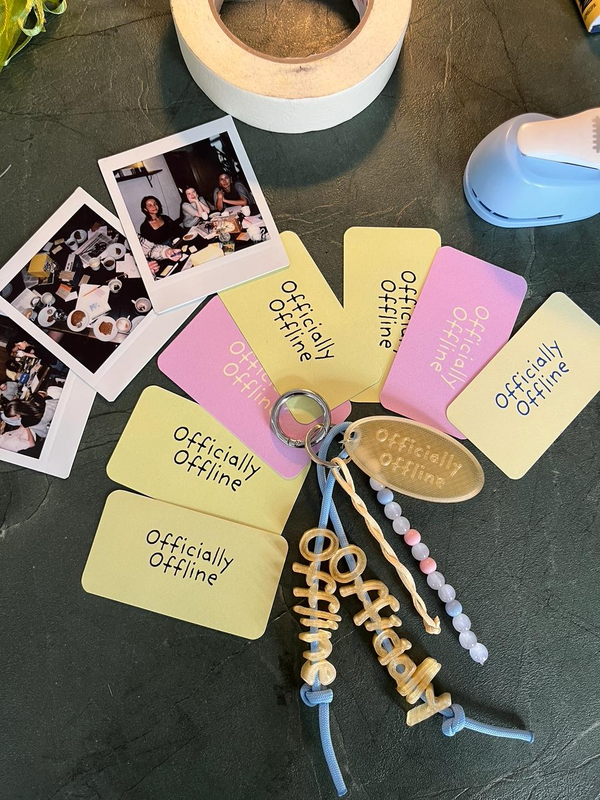
Officially Offline (Moscow, St. Petersburg)
Phone-free party community. Guests check their phones into a safe upon entry and receive a number, similar to a coat check. There is an initial hour of silence, followed by two hours of socializing. The party typically hosts about 20 people, and the entry fee is approximately 1,500 rubles. Strengths: A clear, memorable mechanism, intimate setting, and press attention. Weaknesses: The value relies on a single gimmick, the venue changes every time, and there is no educational content for those who wish to host such events themselves.
FastLife & Gokon (Moscow)
A project by Meetology: dinners in restaurants, cafes, and bars, intellectual evenings, and introductions in entertaining formats over dinner.
Strengths: many years of experience, proven formats, consistency.
Weaknesses: focus on dating and meeting people rather than intimate gatherings of close friends; lacks a distinct authorial identity and a home-like atmosphere.
Indirect Competitors

Party Time (St. Petersburg)
A network of karaoke lofts: four spaces in different districts of St. Petersburg, 56 rooms; the organizers provide a host, DJ, photography, and videography.
Strengths: venues, service, and a clear rental format.
Weaknesses: this is venue rental, not an author-led evening with a specific concept and atmosphere.

Lifehacker, Rambler, and other general media
Individual articles with checklists: for example, they advise determining a budget, making a shopping list, preparing music and entertainment.
Strengths: search traffic, brand trust.
Weaknesses: impersonal general advice, lack of authorial taste, no real-life meetings or community.
Potential Competitors
The Offline Club (Amsterdam)
An international network of phone-free evenings: the first event took place in Amsterdam in February 2024, and the club has since expanded to Milan, Berlin, London, Paris, and Barcelona, gathering over half a million subscribers. If the project comes to your city, it will be a strong competitor in its format.
Local organizers of apartment gatherings, game nights, and dinner clubs. Independent organizers who bring together small groups through Telegram and Instagram. If one of them launches a website, event packages, and regular content, they will become the closest competitor.
Insights from Competitive Analysis
What to Borrow
• From Officially Offline: a simple, memorable evening mechanic and an entrance ritual. • From FastLife & Gokon: established formats for dinners and a regular schedule. • From Party Time: a clear system for booking and payment. • From general media: checklists that are easy to save and use.
How to Stand Out
• Each evening is curated by a single lead host: consistent style, scenarios, music, and photography. • Intimate size: no more than 15 people, without a club atmosphere. • Homey environment: loft or country house instead of rented venues. • The complete evening journey: idea $\rightarrow$ preparation $\rightarrow$ event $\rightarrow$ review. • Learning is integrated into the evenings: every participant receives a kit to replicate the experience at home. • Warm, informal presentation instead of a «club» or commercial feel.Distribution Channel
Telegram channel + landing page
Main Channel: Telegram. It is used for scenario posts, evening announcements, event registration, behind-the-scenes content, polls, and audience interaction.
Supplementary Channel: website. This features the evening schedule, scenario archives, evening kits, an application form, and an «About the Author» page.
Why This Specific Pairing
- Telegram allows you to stay connected regularly without having to create extensive material each time.
- The website consolidates everything in one place and drives traffic from search queries like «how to host a party at home.»
- The user sees the post in Telegram, navigates to the website, and either signs up for an evening event or purchases a kit.
- One author can realistically manage two channels.