The long winter vacation is a rare opportunity to attend exhibitions without haste, linking different fashion and material cultures.
In addition to the present exhibition «Sleep of Allen» in GMM, about which we wrote at November compilation, several major projects dedicated to textiles, costumes, design and accessories can be visited this winter to learn about India’s influence on Western fashion, Jewish wedding rituals and the contribution made to the design of a woman avant-garde. And if you want to leave the capital, you should go to Toulé: An exhibition about the Toulian Model House shows how, in a regional context, your own perceptions of style, profession, and fashion as a system were formed. Together, these projects form a whole winter route for those interested in clothing, not only as a thing but also as a cultural process.
India. Time fabric
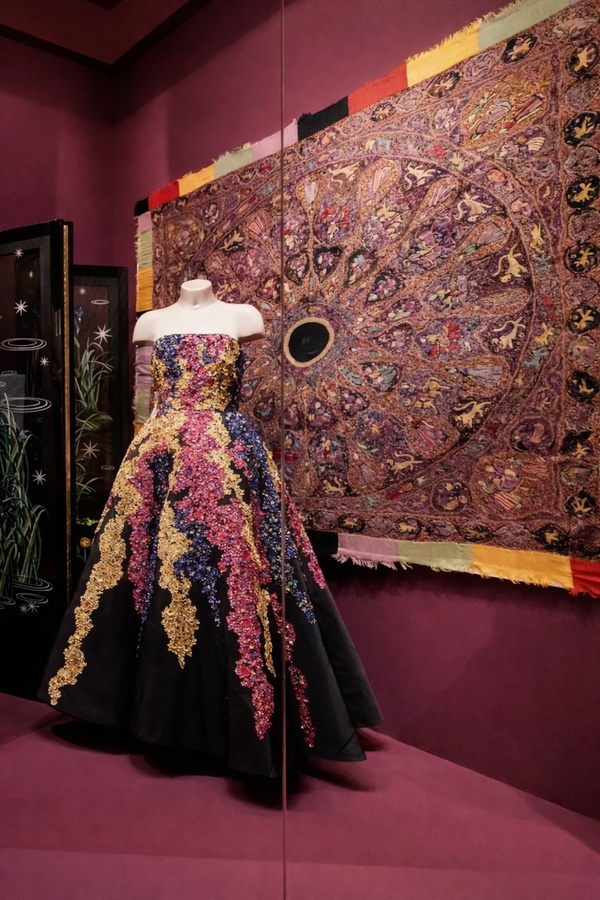
Place: Czaritsino Museum Date: 23 December 2025 — 12 April 2026 Exhibition «India. The time fabric» is a major international project dedicated to the influence of Indian textiles on world fashion and visual culture. The exhibition features more than 300 samples of fabrics and costumes from museum assemblies, private collections, and fashion houses. Seven rooms are built as a consistent story about cotton, silk, wool, embroidery, painting, ornaments and sari. The curators suggest that we look at India’s fabric as an active participant in global fashion processes, ranging from colonial trade to prêt-à-porter of the twenty-first century.
«In the exhibition, we consciously make provocative comparisons, identify Indian footprints in the most unexpected contexts, build adjectives that fancyly link India’s textile tradition to Western and Russian fashion phenomena.» Ludmila Alabieva, co-prosecutor of the exhibition
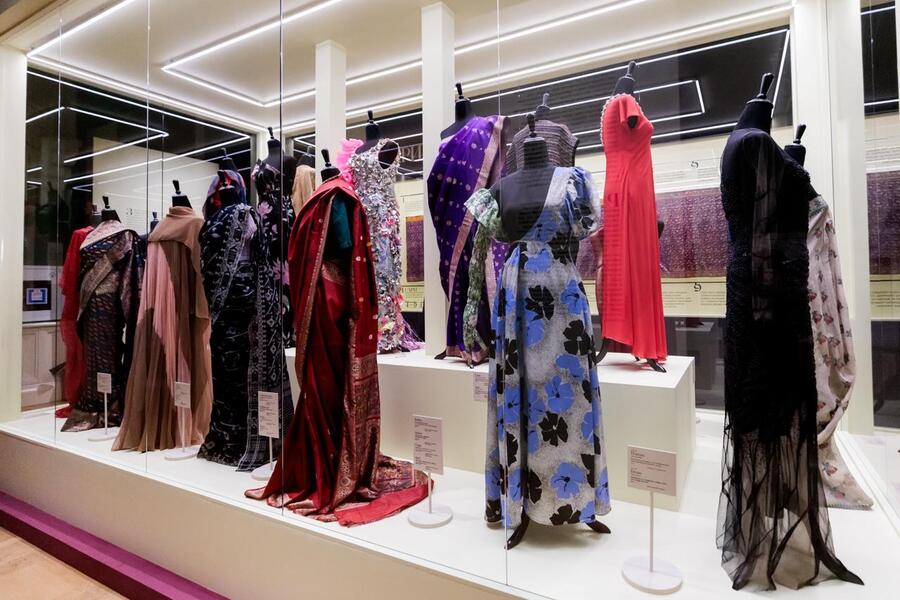
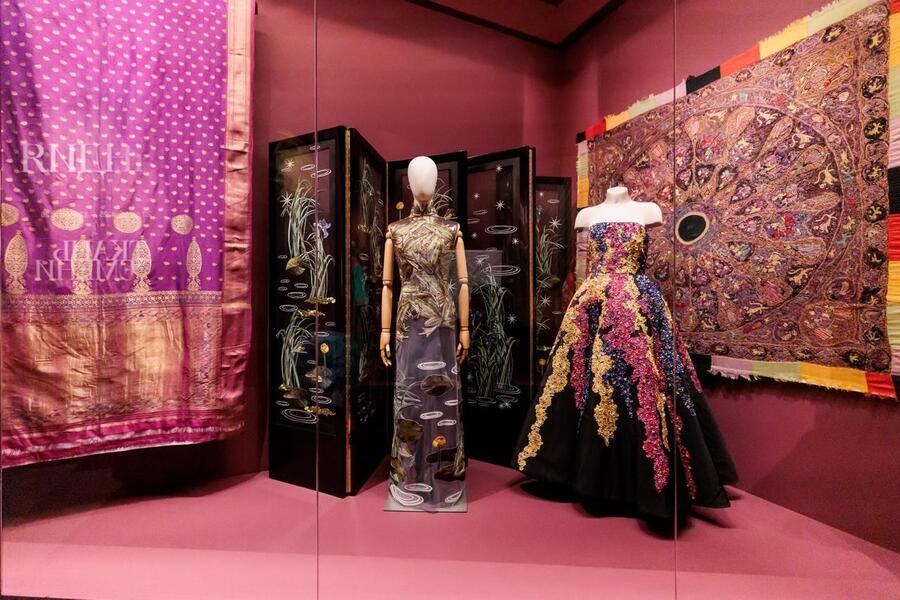
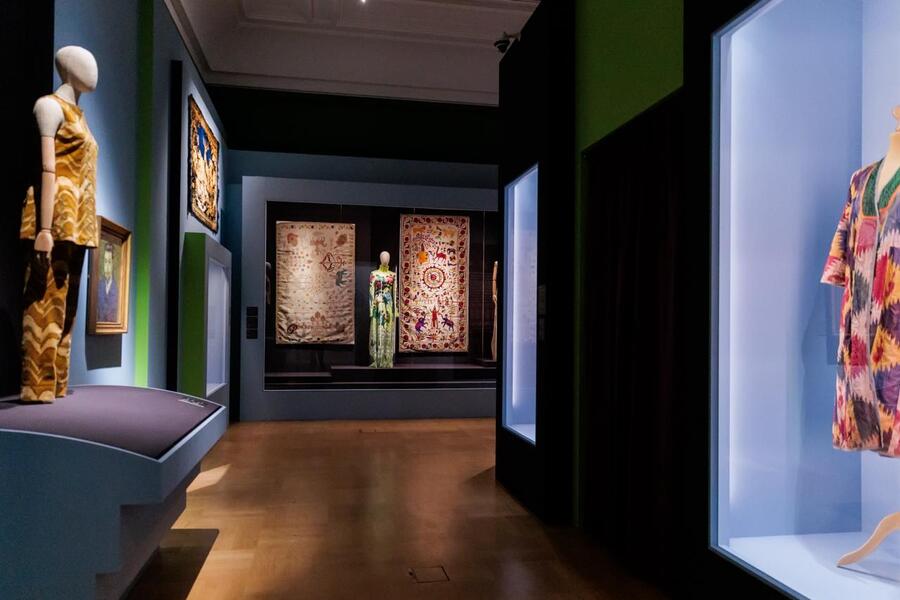
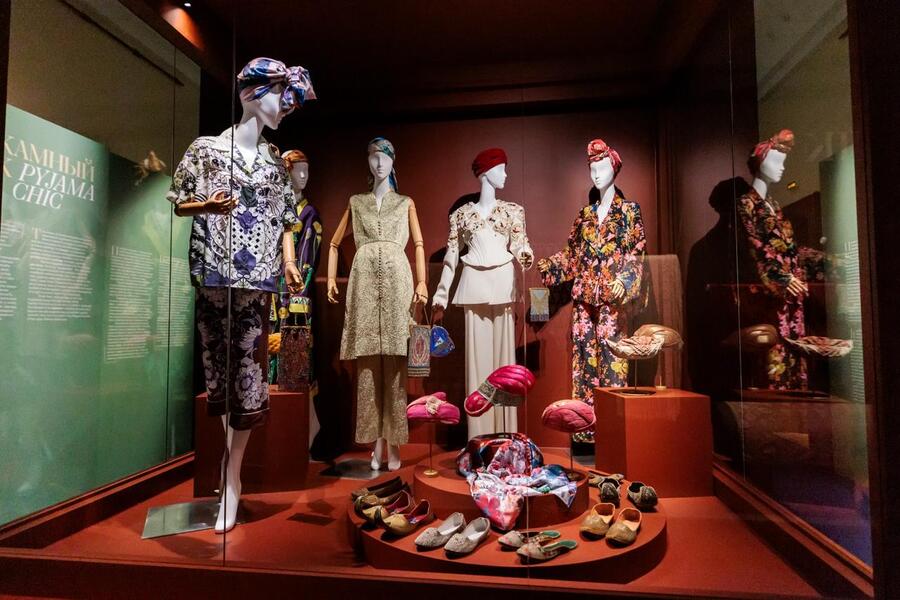
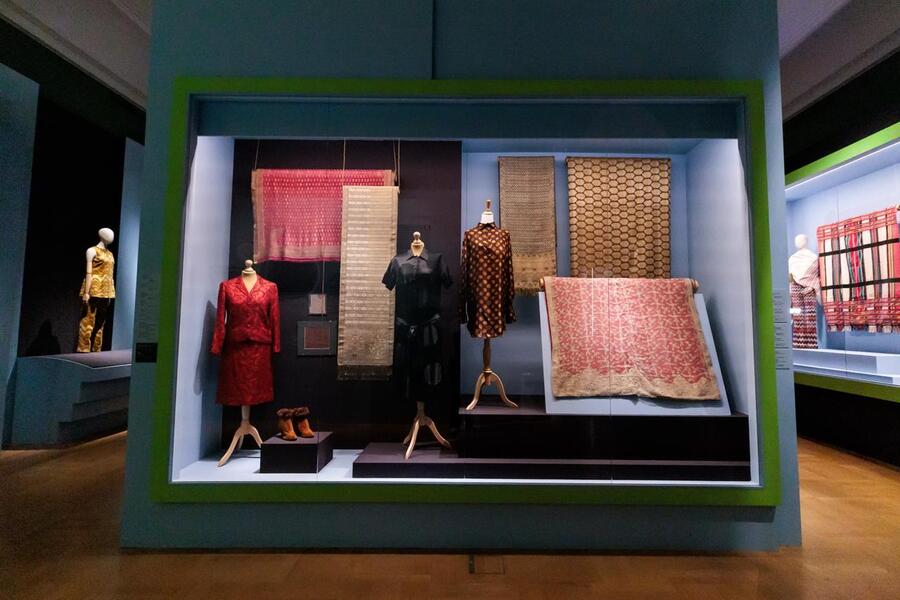
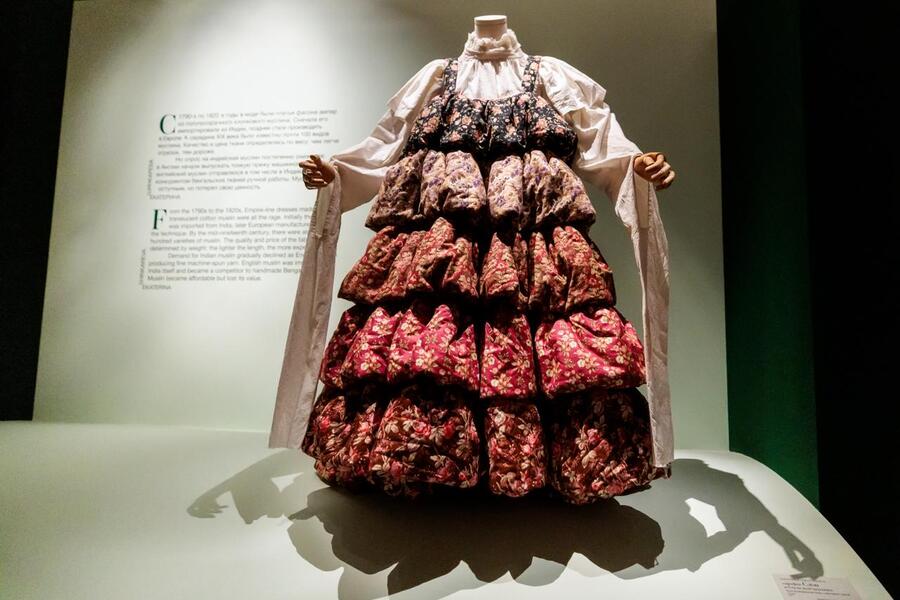
Photo: Caritsino Museum
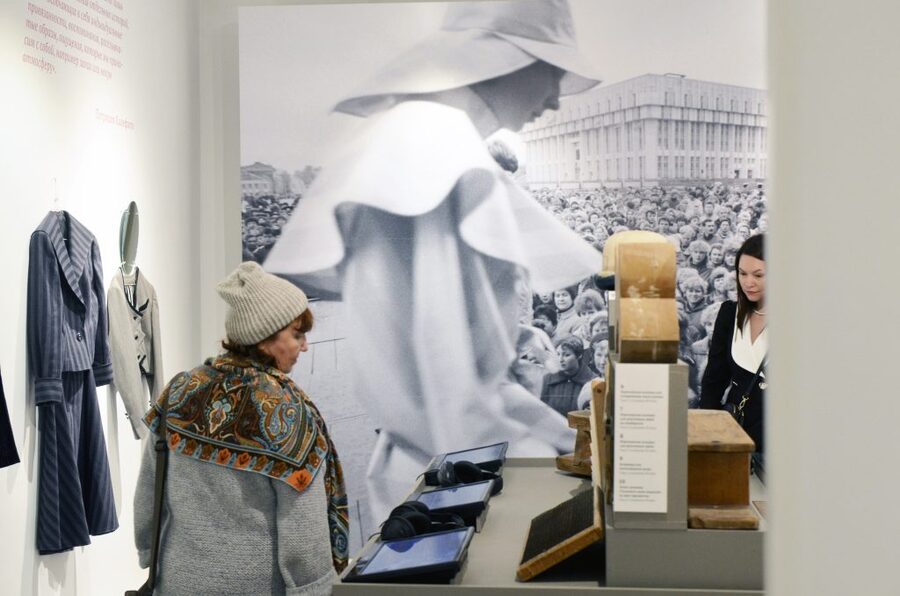
Between the lines. Sweet craftsmanship and fashion industry in the Tula 1970s — 1990s
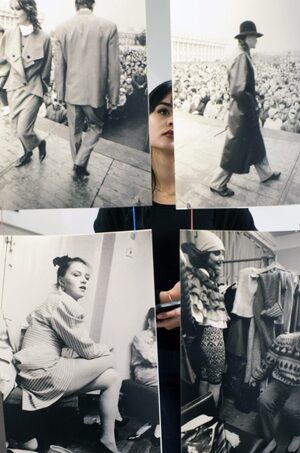
Place: Kraft House, branch of the Tula Architectural History Museum, Tula Data: 28 November 2025 — 24 May 2026 The exhibition is dedicated to the history of the Toulian Model House, a regional fashion centre that, in the 1970s and 1990s, formed images of style far beyond Toula. Through archives preserved against the closure of the plant in the early 1990s: photographs, sketches, documents, videos and professional tools, the exhibition shows how the Soviet system created original design, and the work of model artists, shutters and tailors became an experiment space. The project, which was initiated by Galina Souprun, a model artist at the Tula House in the 1980s, was built as an open study inviting the audience to complete history with personal evidence and to look at Soviet fashion as a living, not yet fully understood experience.
Svetlana Tegin. Cinema/Theater of Lights T.
Place: The Totibadze Gallery Date: December 10, 2025 — January 14, 2026, The Totibadze Gallery exhibition is dedicated to the theatre and film work of Svetlana Tegin, a less well known public than the clothes she is wearing. The exhibition presents costume designs for films and performances produced in recent years — they reveal to Svetlana as an artist working at the interface of fashion, scenery, and visual arts. The project continues the Tegin brand line, for which the podium has always been the scene of artistic expression, and shows how fashion language transforms into a costume subordinated to dramaturgy, character and movement of the actor.
Photo by Svetlana Tegin
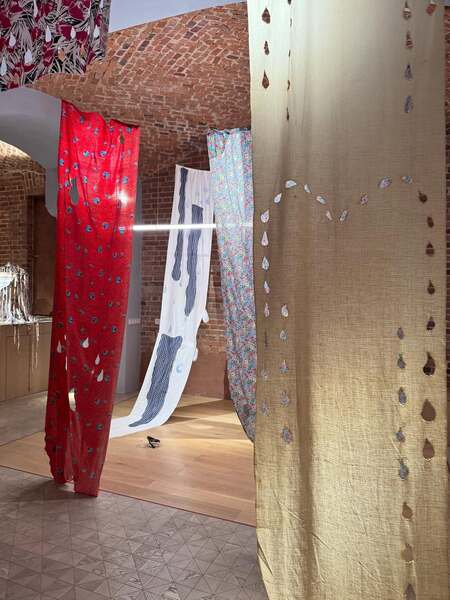
The «cuts» of artist Ani Grossiska
Place: DC Source Date: 7 December 2025 — 18 January 2026 Anja Grossička is an artist who works with textiles as a medium in which tissue is a bearer of memory, time, and physical experience. In this sense, its practice is organically consistent with the general conversation that today holds exhibitions about fashion — materiality, heritage, and invisible stories hidden in clothing and textiles. The Cuts Project is an all-out installation from Soviet tissue in the 1970s and 1980s, where fragments flow into each other, restoring lost ties. The curator of Natalia Masterrage (the Nowadays Architectural Office) builds the exhibition space as a dowry chest — an archive of women’s fates and hopes. The fabric here does not work as a material for making clothes, but as a way of talking to the past.

From tissue to space. Design avangardists
Place: All-Russian Museum of Decorative Art Date: December 19, 2025 — March 29, 2026, the large project of the All-Russian Museum of Decorative Art dedicated to the contribution of women to the development of Russian decorative applied art and design. In the exhibition, over 200 exhibits ranged from copyright textiles and porcelain to experimental glass, fabrics with innovative printing techniques, and the work of modelers of the General Union Model House. The exhibition brings together Arab artists, avant-gardicists and Soviet designers, showing how textiles, ornaments and uniforms have become tools for artistic and social transformation. Of particular importance are the interior designs of Galina Balashova’s spaceships, a rare example of design literally going beyond the Earth’s home. The time-bound central structure links eras, emphasizing the continuity of ideas and the extent of women’s authorship.
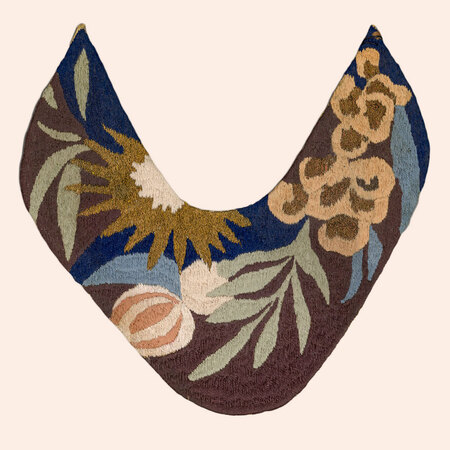
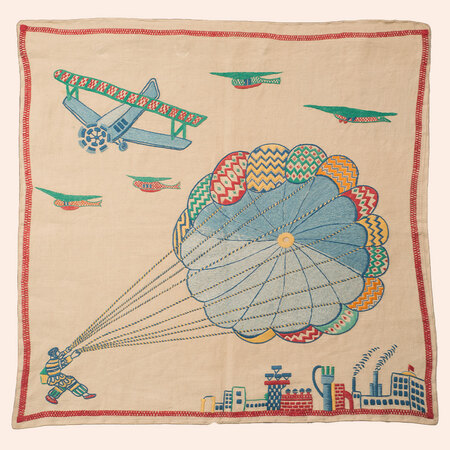
«We present history for more than a century and its heroines, which not only created things but formed the space of life, embodied new ideas, ranging from fabric to space. Their projects are a legacy of remarkable power, courage and architectural scope of thought.» Tatiana Rybkina, Director of the All-Russian Museum of Decorative Art
Collegiate: All-Russian Museum of Decorative Art
Jewish wedding. A friend to a friend from the beginning of time.
Place: Jewish Museum and Tolerance Centre Date: 26 November 2025 — 1 February 2026 The exhibition is dedicated to Jewish weddings as a complex cultural ritual in which clothing, ornaments and visual images play a key role. An exhibition of five rooms and more than 200 exhibits consistently describes the five stages of the wedding ceremony. Here are costumes, jewelry, photographs, documents, and works of art to see how the image of Jewish weddings was formed in different regions, from European to Bukhar and Georgian communities. An important part of the project is the dialogue with the visual arts: the works of Chagall, Tshimor, Goncharova and modern artists reveal the wedding as a sustainable visual and cultural code that preserves tradition and absorbs the influence of other cultures.
Photo source:
Beauty charm. From the history of jewelry in Russia
Place: State History Museum Date: From 3 December 2025 to 11 May 2026 If the exhibitions described above refer to the popular and modern costume, textiles and sewing, the project at the State History Museum continues the conversation, shifting the focus to decorations as an integral part of the fashion image. The exhibition presents jewellery from the Special Warehouse GIM and covers the period from the second half of the 17th to the beginning of the 20th century. Through earrings, broochs, necklaces, tiaras, and crests, the story of the notion of beauty, taste, and status is revealed.
Photo: State History Museum
«The value of this period clearly demonstrates its primary purpose: to be spectacular accessories in the shape of a person who is sensitive to constant changes in styles of art and fashion.» GIM
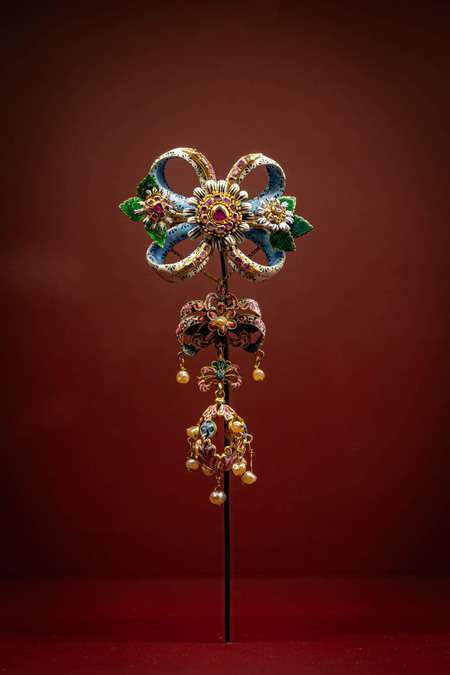
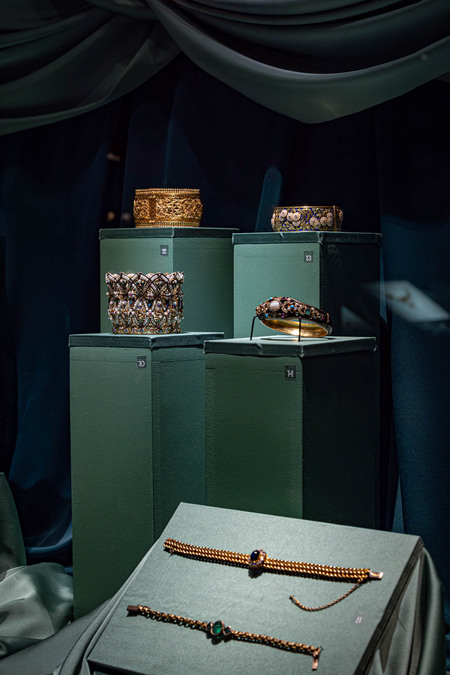
Photo: State History Museum
Last but not least, it’s interesting information for anyone who doesn’t just like to go to shows, but really cares about fashion history. In January 2026, the ICU School of Design, one of Russia’s leading art schools, launched an intensive programme of supplementary education «Story of Fashion and Modern Art», developed in collaboration with the collection
The programme consists of two areas, each of which is devoted to four months of intensive training. In the winter, students will study the history of fashion with Ludmila Alabieva, and in the autumn, the history of modern art with Maria Moscow. Students are awaiting lectures from leading art and fashion experts, lessons in Moscow’s cultural institutions, and work on their own research project in the digital ecosystem of the ICU School of Design.