Problem and Solution

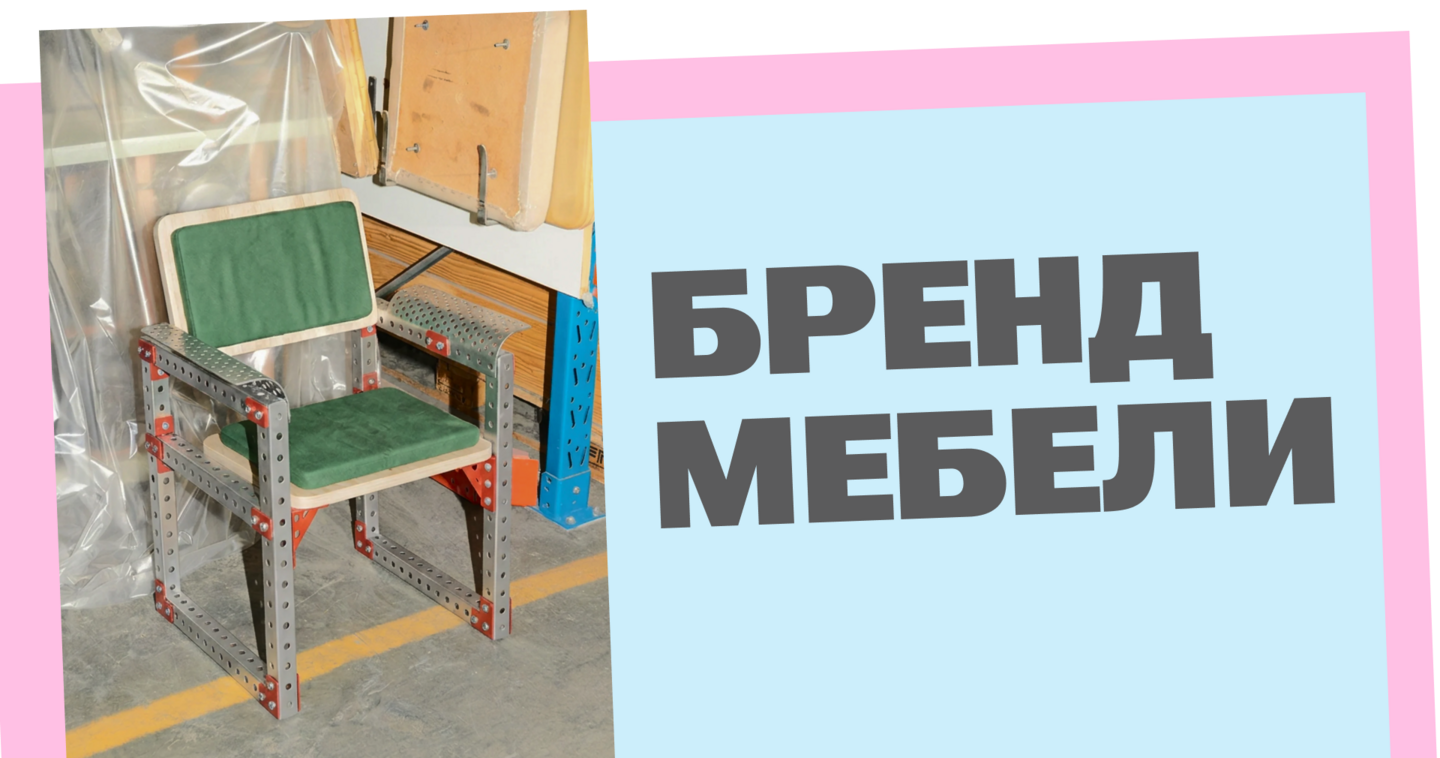
Materials remaining after construction and production are often discarded, even though they retain the potential to create new objects. However, combining materials with different properties into comfortable and durable furniture is not easy.
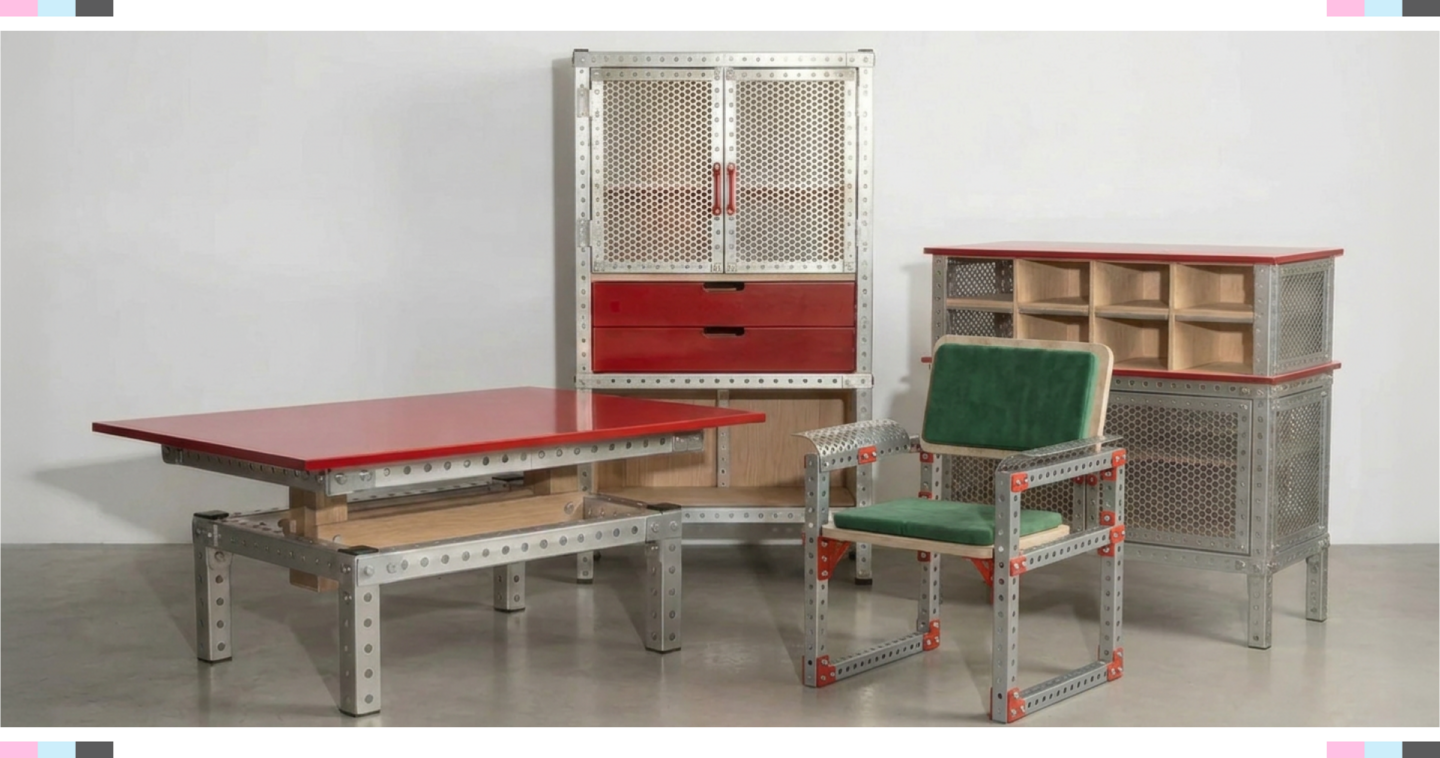
the brand’s first collection

The project creates functional furniture from materials leftover from construction and production, preserving their unique qualities through thoughtful design.
About the Brand
Our furniture brand transforms surplus construction and industrial materials into functional interior pieces.
Materials leftover from building and manufacturing can become the foundation for furniture. This project unites them into functional items for everyday life.
The core of the brand is the concept of reassembly: various materials and parts come together to form a cohesive piece with its own unique character.
Target Audience
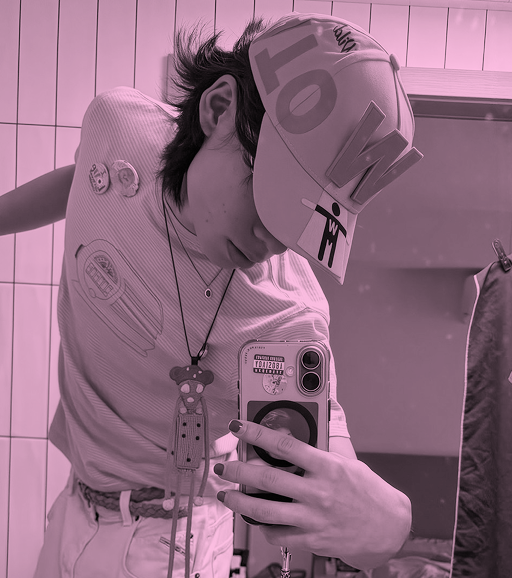
Young Designers and Artists
They want to fill their homes with objects that reflect their taste and values. They are drawn to unusual material combinations, simple assembly, and the ability to support reuse.
Public Spaces
Seeking furniture for cafes, coworking spaces, studios, and pop-up projects. They aim to emphasize the concept of the space and create a memorable interior.Competitors
1. Product Design Designers and Studios
This group features designers, brands, and studios that repurpose materials to create furniture. Their projects demonstrate how these materials can be incorporated into design and form the basis of a new object.i.rocamoracia
PLANQ
GoodWaste
2. Brands in Recycled Design
This group also uses recycled materials, but they primarily work with plastic to create accessories, home goods, merchandise, or business solutions. They are close to the concept of reuse, but they differ in materials and product range.Recycle Object
99Recycle
MÜLL CLUB
Advantage
The brand operates at the intersection of furniture design and material reuse. Unlike projects focused on a single type of raw material or product category, here the assortment can evolve through collections derived from materials sourced from partner manufacturers. Each collection introduces new materials, technologies, and product categories while maintaining the brand’s core concept.
Brand Platform
Mission:
To give materials a second life and unlock their value through objects people genuinely want to use.
Vision:
A furniture brand for everyday living with recognizable design, based on the reinterpretation of materials. Growth through innovative materials, collections, and collaborations with designers and manufacturers.
Positioning:
To create a brand that reveals a new interpretation of materials in thoughtful and comfortable forms.
Values:
Honesty, openness, collaboration, mindfulness, rationality, freedom of self-expression, friendliness, ingenuity, practicality, and originality.
Character:
Inventive, expressive, open, and practical.
Essence:
A new form of the familiar.
Communication Channels
(1) Social Media
Telegram, Instagram, photos of furniture, short videos about materials, object creation, and assembly; stories about new collections.(2) Design Markets and Exhibitions
Participation in Russian platforms like blazar, as well as international object design exhibitions. This will help introduce the brand to an audience outside of Russia and find foreign partners.(3) Collaborations
Joint collections with designers and manufacturers, and the creation of pieces for public spaces.(4) Online Store
A website, Telegram channel, Instagram account, newsletter, catalog of furniture and collections, information on materials and the creation process, and the option to order a piece with worldwide delivery.From Idea to Prototype
While working on my course project, I visited my uncle’s workshop in search of inspiration. He specializes in working with wood and metal. The welding table captured my attention—its perforated surface, the combination of materials and colors, and its industrial aesthetic.
This became one source of inspiration for my collection.By observing my uncle at work, I learned that he usually discards the leftover materials. This sparked the idea to reuse them and create furniture from them.
During the summer, I built a prototype chair based on my sketch to test the concept. The master and I were concerned that the thin perforated metal component might flex under load, so we added a wooden piece to the backrest. However, this added weight to the structure, and the chair still leaned backward. Furthermore, fabricating the complex details was difficult and expensive.
Therefore, I revised the design, preserving its core elements and characteristic aesthetic, but placing greater emphasis on stability, safety, and manufacturability.
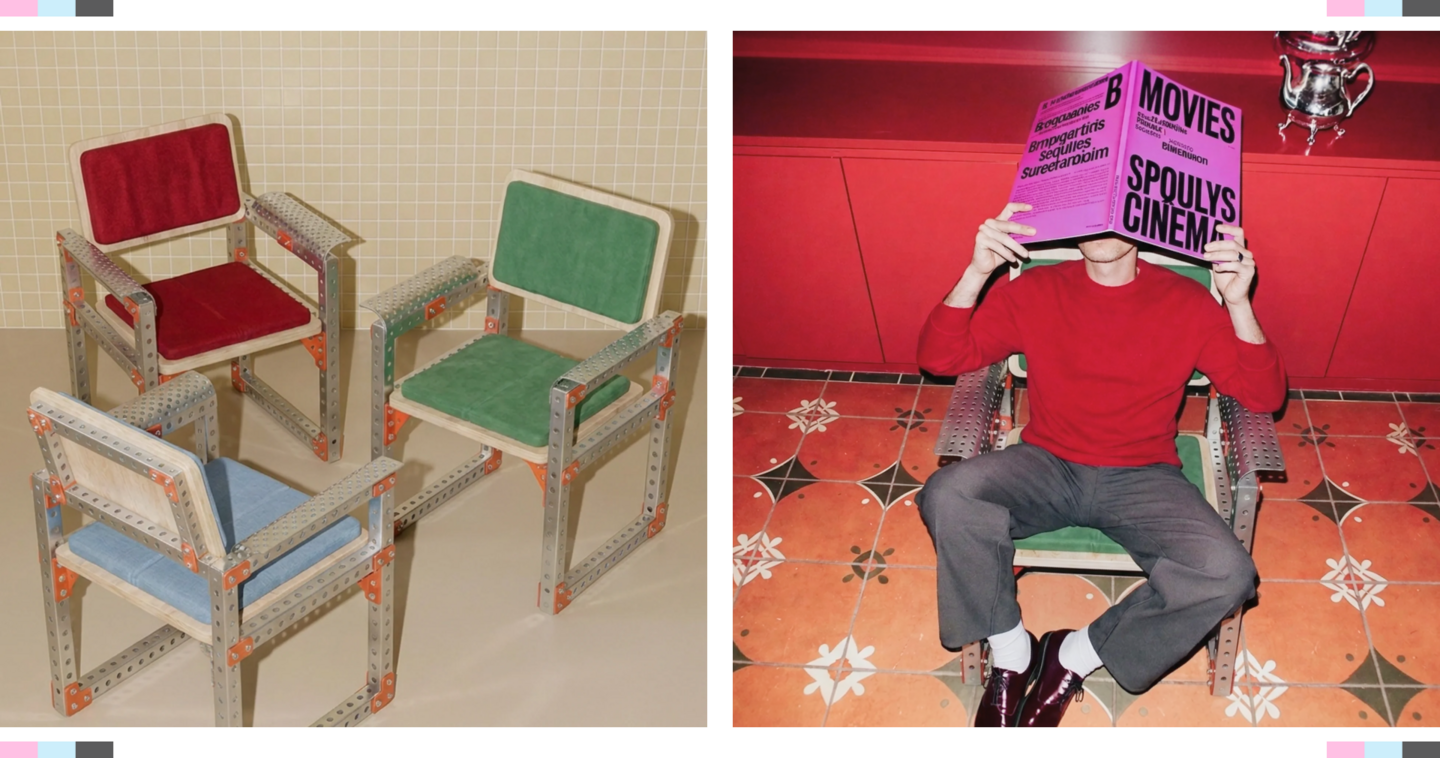
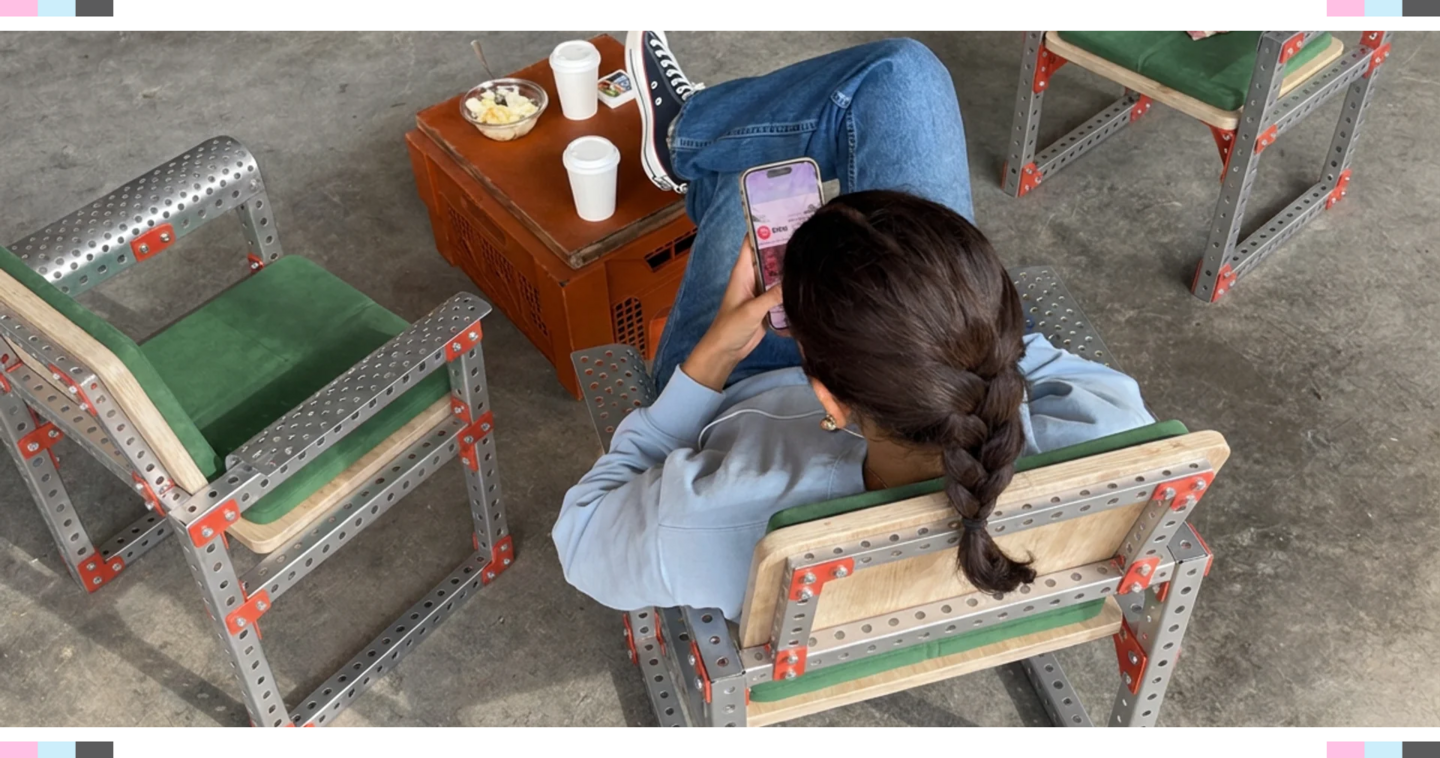
NODE 1 — the first object in the brand collection
Conclusion
Research has shown the potential to merge two areas: reusing materials and designing expressive furniture for daily life. Projects that work with material reuse and create furniture and objects from them are already on the market. Moreover, collections of materials from partner manufacturing facilities could form the basis for expanding the product line and transitioning from furniture to other categories of items.

The result of the research is the concept of a furniture brand that transforms production waste materials into functional pieces with a distinct design.