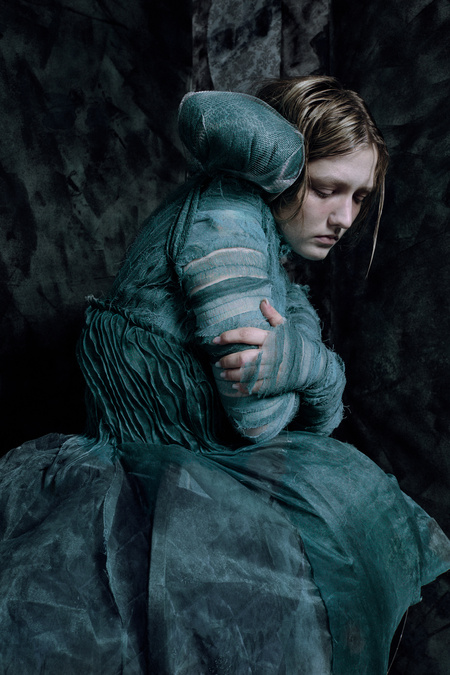
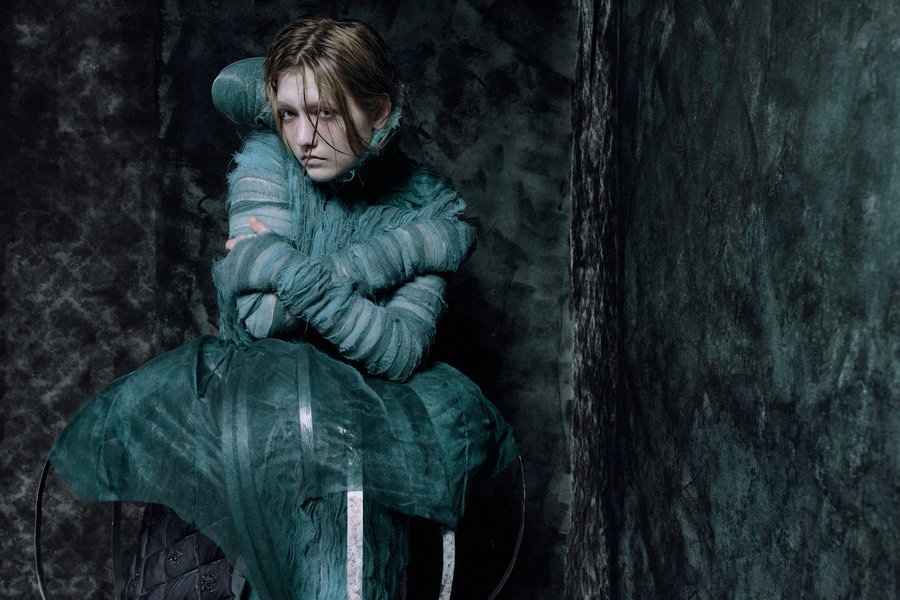
ARC DE CERCLE
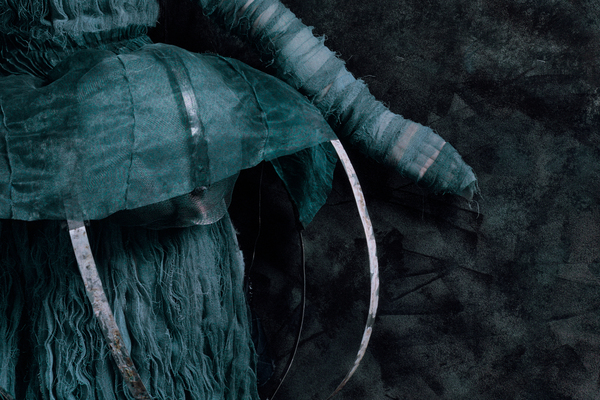
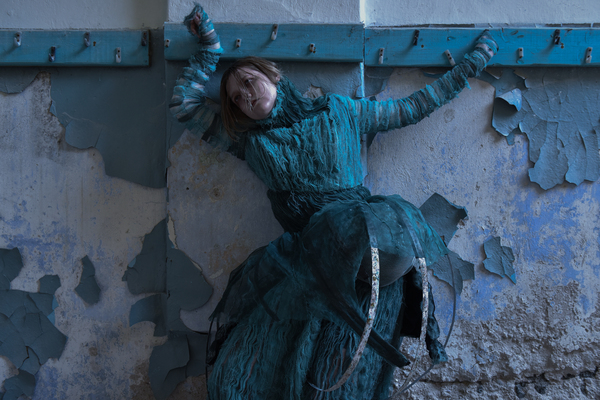
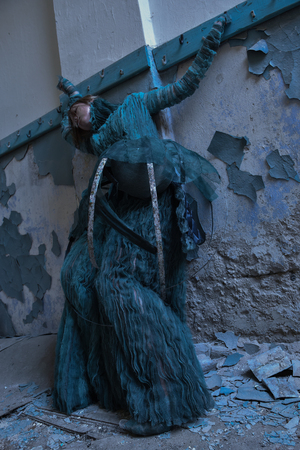
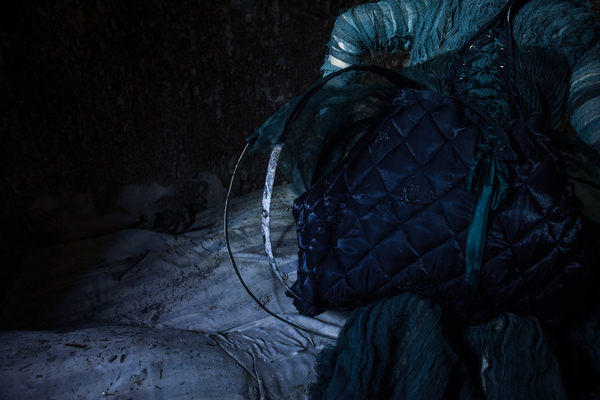
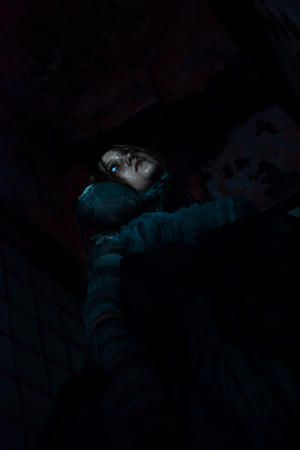
(from the French «arc of a circle») a classic symptom of a severe hysterical seizure, where the patient’s body sharply arches, supported by the back of the head and heels. this extreme curvature of the body became a symbol of unjust diagnosis—a diagnosis that for centuries transformed female experience into pathology and substituted real pain with cultural fantasies about the «mad woman.»
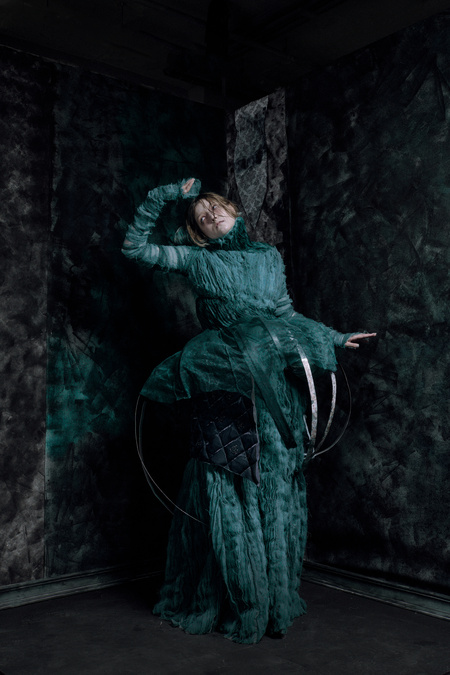
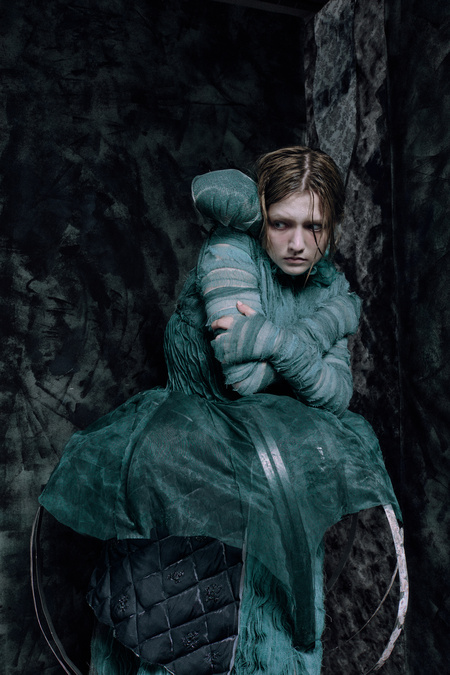
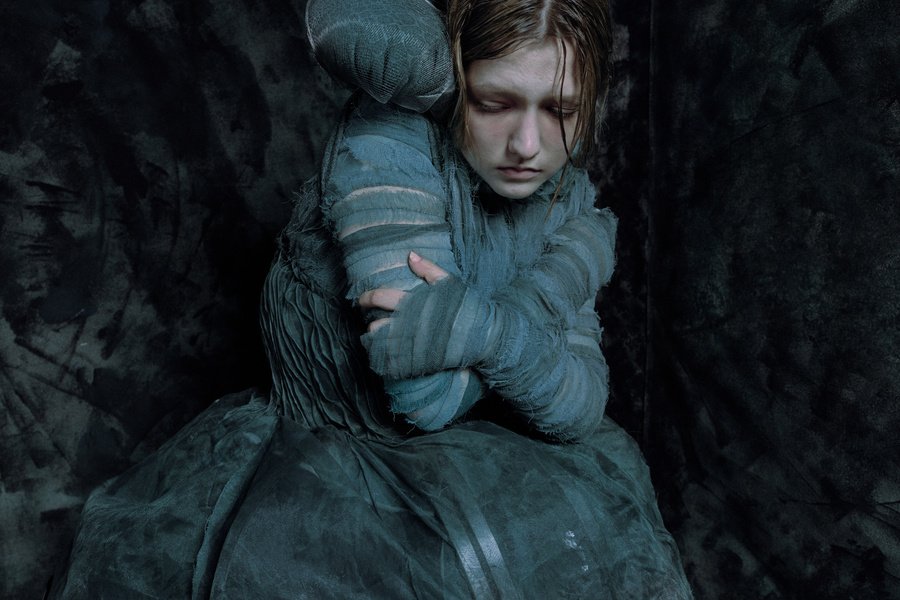
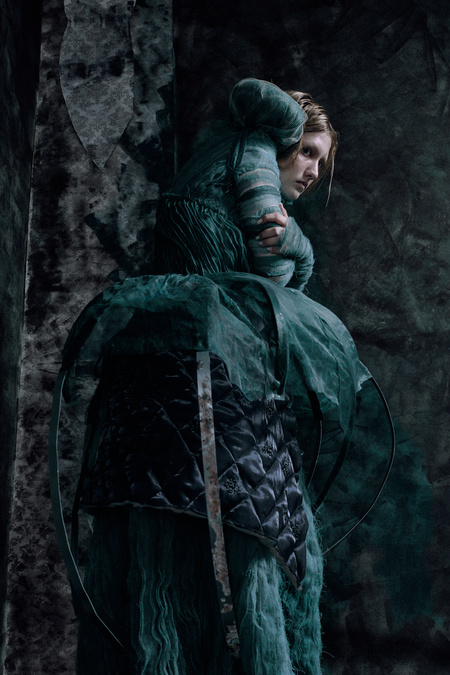
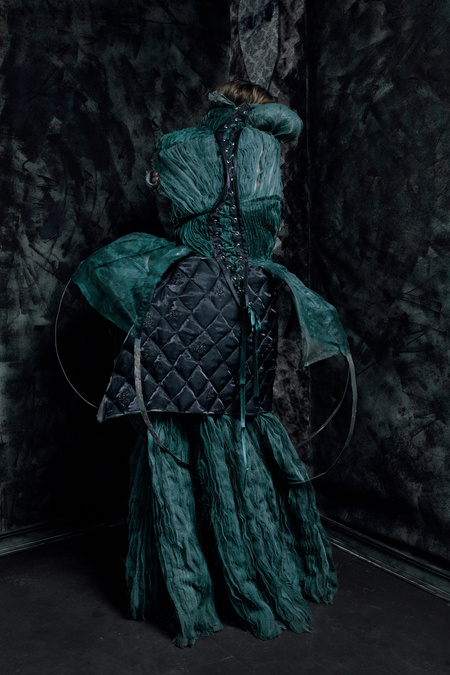
Melancholy exists on the border between sophistication and madness: it should be worn as an ornament, but not allowed to cross the boundary of propriety. For a man, yearning can become a legend; for a woman, it can become a diagnosis.
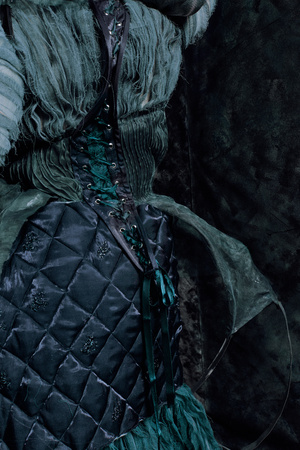
On this border, the outlines of power emerge: corsets, supports, and surgical instruments continue the rules imposed upon the body, voice, and gaze. When a person can no longer fit the prescribed silhouette, they are concealed, observed, and treated.
After passing through the eyes of others, they first become an object of alienation, and then—an aestheticized image. And when this image is accepted by the culture, the cycle begins anew, demanding a new sacrifice to maintain the fragile order.
story
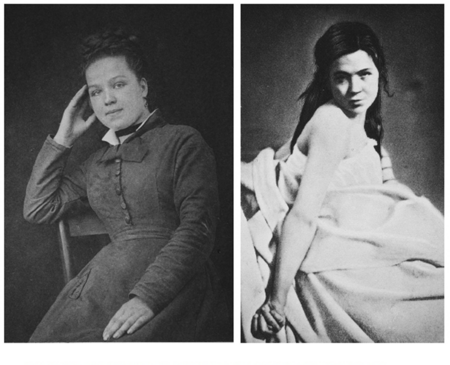
Aristotle once asked, «Why are all great people melancholics?» Male melancholy was considered a sign of genius, creative talent, and profound intellect. Members of the upper classes could afford to deviate from norms, so in Western culture, the image of the melancholic became established—a figure who combined outward propriety with an inner wildness, violence, genius, and madness.Female emotionality was interpreted differently; it was diagnosed as «hysteria, ” explained through the peculiarities of the body and reproductive system. In the 19th century, hysteria was diagnosed widely, and at times used to isolate inconvenient women. Women were advised to abandon intellectual pursuits and were treated with „rest, ” hypnosis, electrotherapy, hydrotherapy, heavy narcotics, and even surgical interventions. One characteristic symptom was the „hysterical arc”—an image that, over time, became a symbol of unjust diagnosis, having spent centuries turning female experience and suffering into pathology and sustaining the myth of the „madwoman.“
campaign


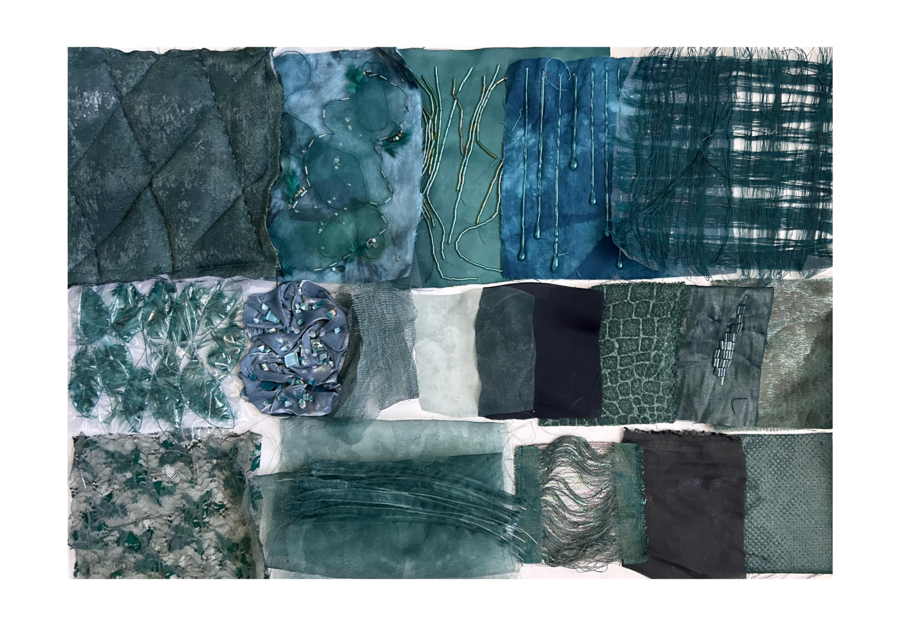
process
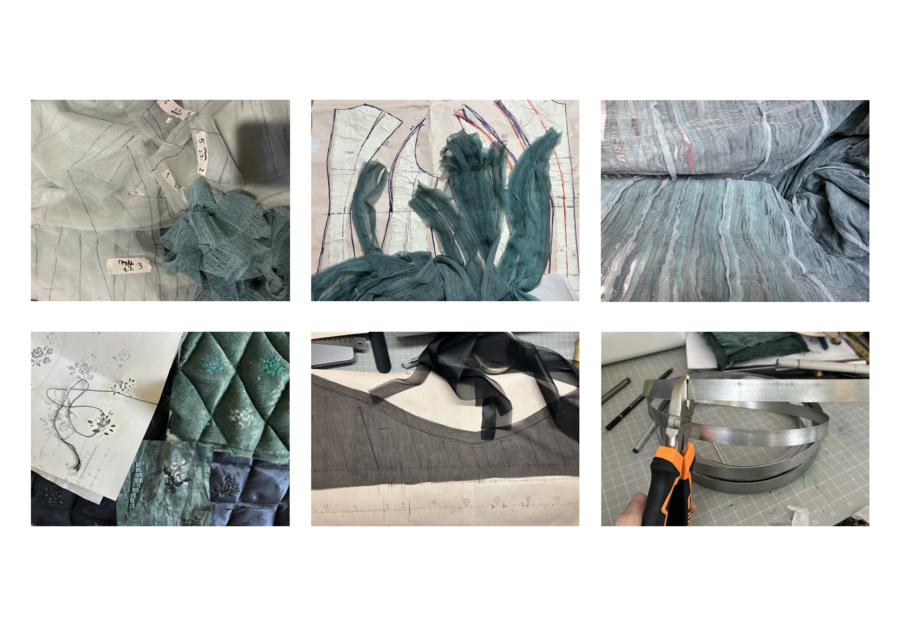
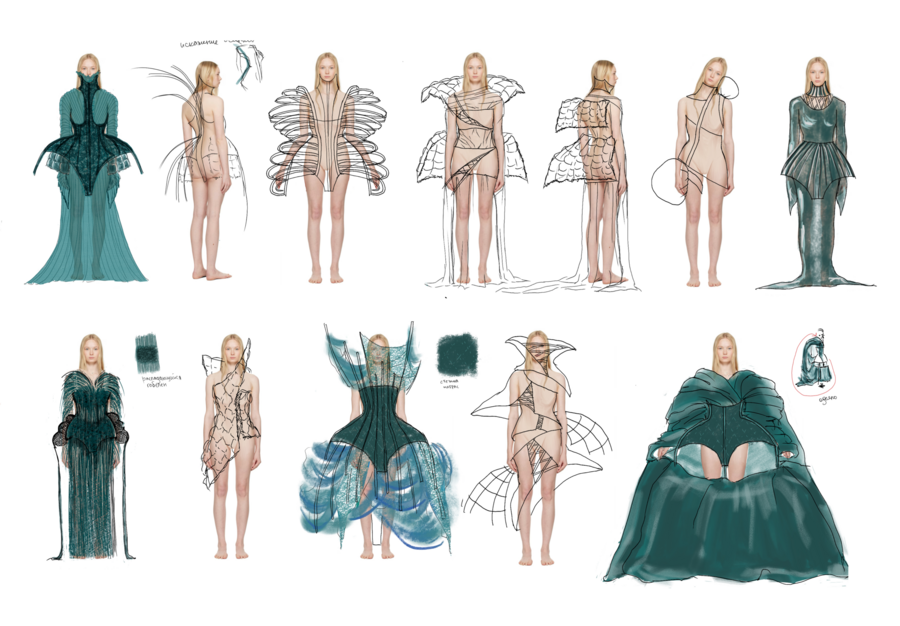
credits
lookbook photo @alinsmv
muah @syukaleria
model @sofib0o