About Me
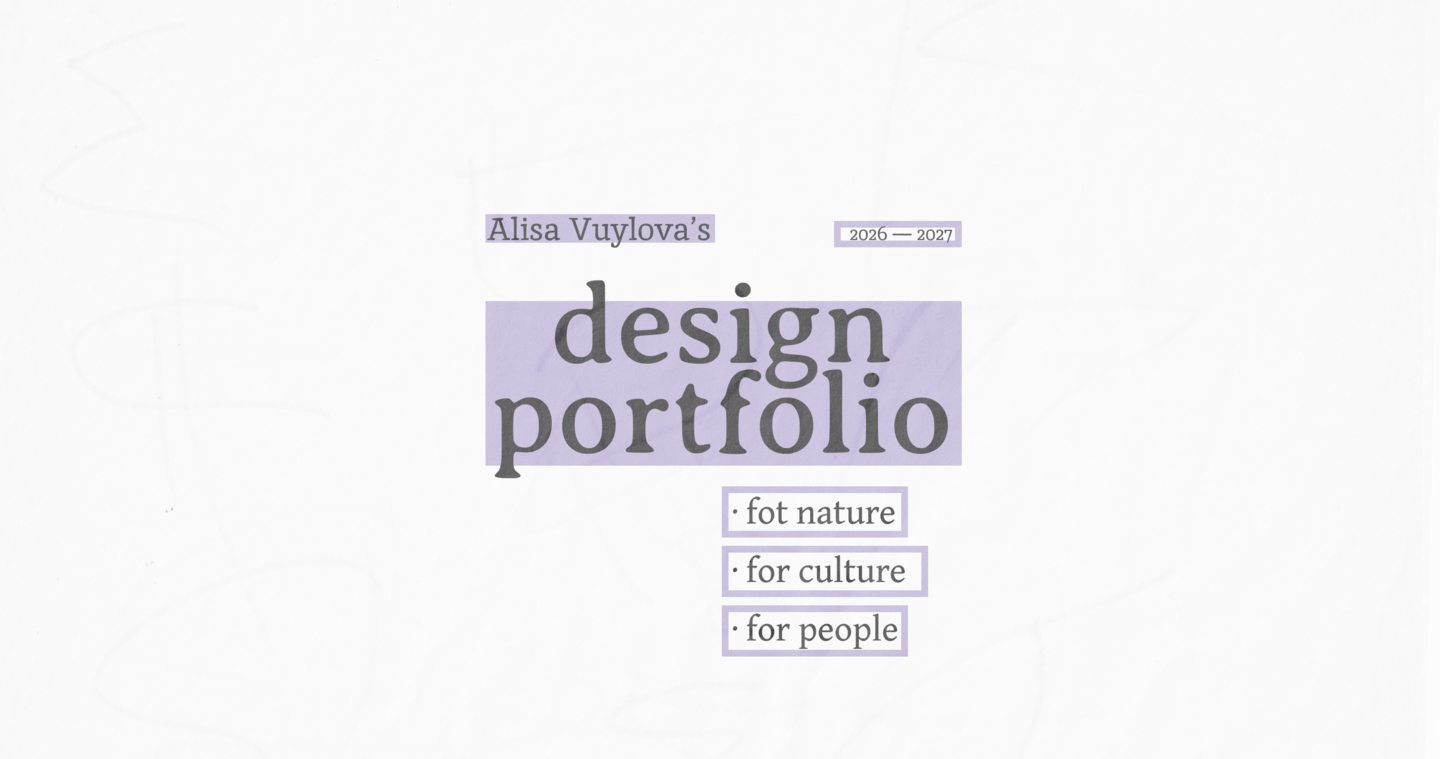
Hi, I’m Alisa.
I’m a communication designer from Saint Petersburg, and I don’t design based on feeling alone: before creating anything, I dive deep into the subject, the people, and the field. I enjoy projects that have layers you can uncover, one after the other.
I have three main areas of interest in which I’ve developed projects:
— for nature
— for culture
— for people
(I)
For nature
For brands that care about what grows around them.
(1)
The Naturalist
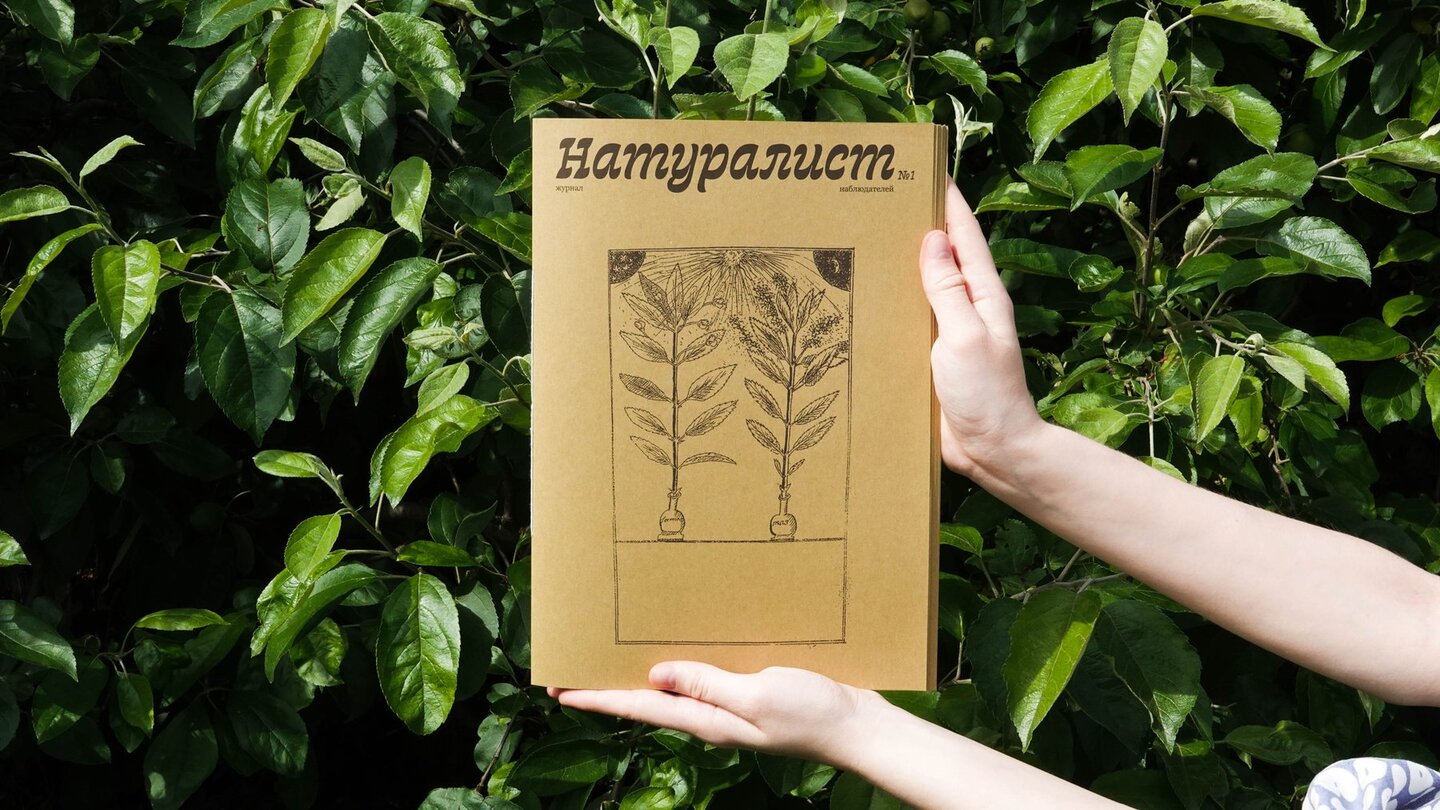
ROLE: research, concept, content, layout
PREMISE: A magazine centered on nature and the people who study it. I wanted to find a way to give a voice to those who pay attention to the natural world: botanists, herbarium curators, and mushroom foragers.
RESULT: I found this community in my own city and along eco-trails near St. Petersburg. The magazine consequently evolved into a field notebook—using kraft paper, engravings, and a cover inspired by Linnaeus.
(2)
MOSS
ROLE: idea, market, and audience research, concept, design system, product design
PREMISE: A skincare brand made from fresh moss. I was looking for a way to make the «natural» element honest, reusable, and practical through its packaging.
RESULT: The moss became both the ingredient and the visual identity—its silhouettes were integrated onto refillable packaging crafted from materials intended for repeated use.
(3)
The Noma Guide to Fermentation
ROLE: concept, content development, layout
PREMISE: A cookbook focused on fermentation. I wanted a book that functions in a real kitchen—where your hands are wet and sticky—and a way to access recipes without consulting a large book sitting on the counter next to my cooking station.
RESULT: The book deconstructs: recipe cards slide off rings and can be placed on the table. The reader can affix a recipe card to the fridge or wall, and they can even create separate recipe card sets on the rings.
For Culture
(4)
Temple of Flesh
ROLE: idea, image research, analysis, text, layout
PREMISE: A visual study of sport in fine art. I wanted to understand why people have depicted the athletic body in the same way for thousands of years.
RESULT: from rock carvings to the 20th century. The book became a temple: black pages, sculptures displayed like relics, and one timeline at the end.
(5)
Private View Catalog
ROLE: concept, analysis, layout, ideation
PREMISE: A catalog for an exhibition by the American artist and researcher Julia Weist. An artist who works with federal archives, using them as a medium for art.
RESULT: Consequently, the catalog became an archive: featuring gray folders, binders, and a unique ID number for every piece.