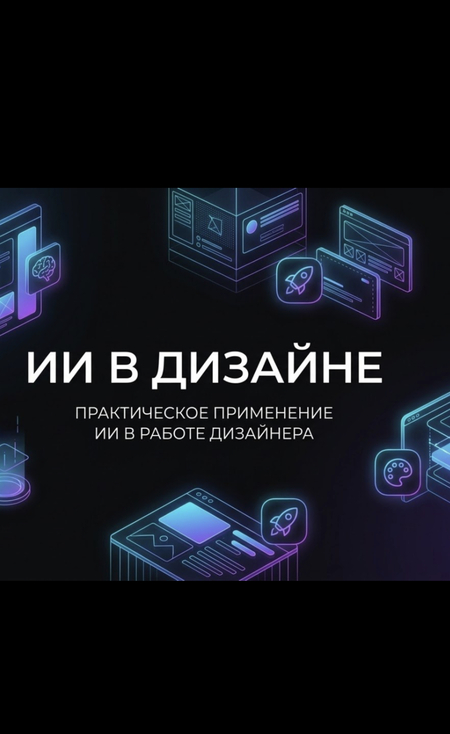
About the Project: Concept and Audience
Mission: To lower the barrier to entry for working with AI tools, demonstrate real-world case studies, and teach critical evaluation of generated results.
Audience: design students, emerging creators, and educators.
Distribution Channels: HSE Design website/portfolio, Telegram, VK.
Visuals: Channel icons (Telegram, VK, website)
Unique Selling Proposition (USP)
Focus on Russian and accessible tools (Kandinsky, Shedevrum, GigaChat). «Prompt of the Day» feature with an analysis of why one prompt works while another doesn’t. Analysis of student projects and common pitfalls.
Concept:
I took the core concept from Assignment No. 1
Added new sections and formats
Maintained the focus on practice and ethical issues.
Thematic Plan: October–December
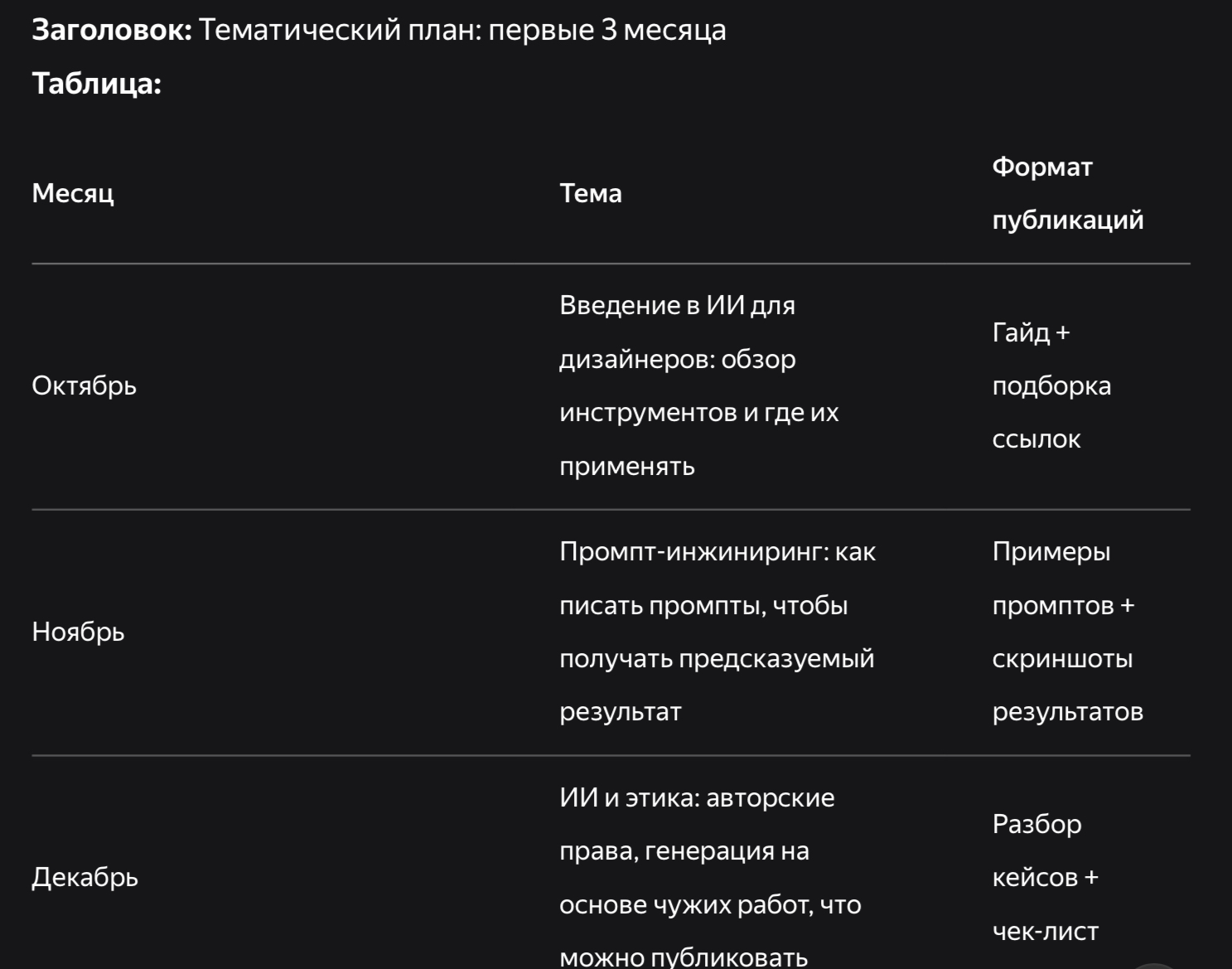
Content Example No. 1–2: Prompt Guide and Analysis
Guide: «How to Write a Prompt for Kandinsky/Midjourney»:
Prompt Error Analysis: «Bad» versus «Good» Prompt + Results Comparison.
Content Sample No. 3–4: Checklist and «Before/After»
AI-Generated Image Checklist:
«Before and After» Cards
Content Sample #5–6: Post and Infographic
Template for Telegram/VK Post:
Infographic: «Stages of Working with AI in a Design Project»
Content Example No. 7–8: Interviews and Video Script
Points:
Interview (written) with a faculty member or practicing designer: 3–5 questions about AI in design practice + answers. 30–60 second video script: Scene 1 — problem; Scene 2 — screen demonstration; Scene 3 — conclusion.
Content Example #9–10: Sample Shots and «Prompt of the Day»
Example shots (screenshots): 3–4 key frames plus a description of what is happening in each.
«Prompt of the Day» segment: one prompt plus the generated result plus 2–3 lines explaining why it works.