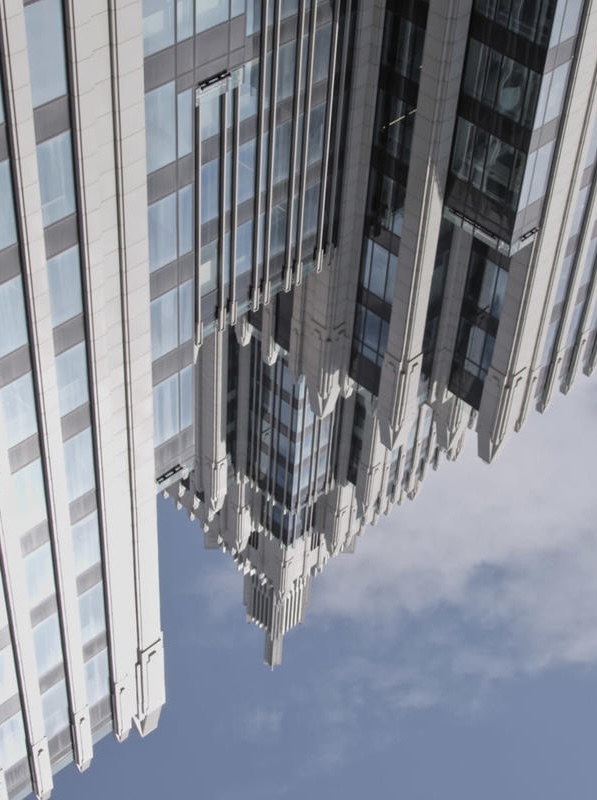

The 2010s marked a period of significant transformation for Russian art, shaped by political and economic factors as well as the evolution of the institutional landscape and the transformation of existing artistic practices under the influence of new technologies and heightened cultural contradictions. This decade can be considered «long,» placing its starting point a couple of years ahead of the formal chronology.
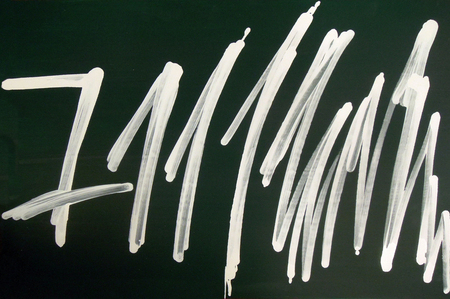
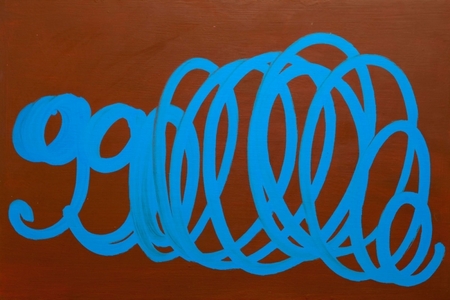
Anastasia Ryabova | from the «Trillions» series | 2012 [1-2]
The global economic crisis of 2008—which followed several years of a desired, though not fully established, confluence of art and the market—began to indirectly affect artists' willingness to conform to the conventional market environment, often associated with luxury and glamour, what Ilya Kabakov termed «pink fat.»
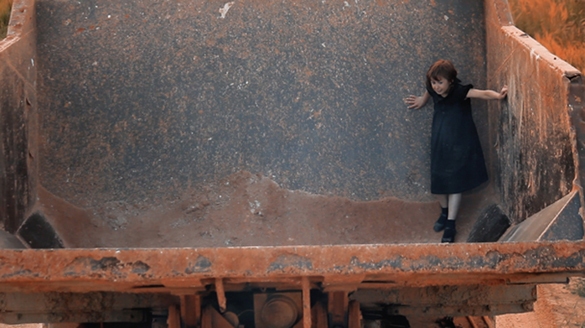
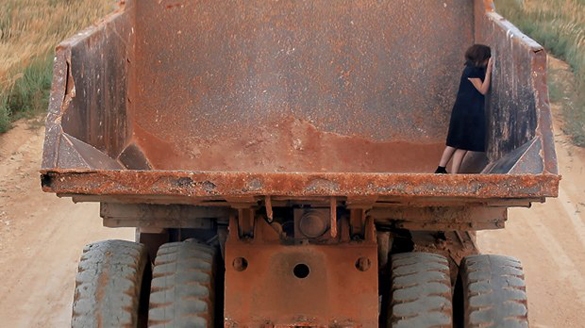
PROVMYZA group | «Eternity» | single-channel video, 36 min, video stills | 2011 [3-4]
At the same time, Dmitry Medvedev’s presidency (2008–2012) established a close relationship between the state and the «creative industries,» which had dual consequences: on the one hand, there was long-anticipated growth and diversification of institutional forms—both governmental and private (though always perceived as insufficient or «parodic»); on the other hand, there was active skepticism among artists, curators, and theorists regarding the neoliberal model of governance, which manifested in the emergence of various forms of institutional critique—both discursive and artistic.
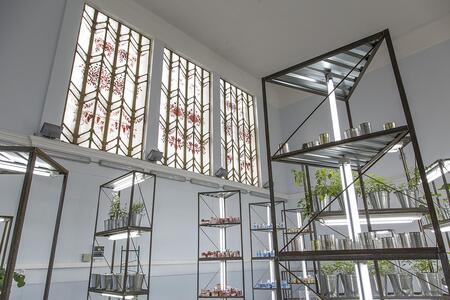
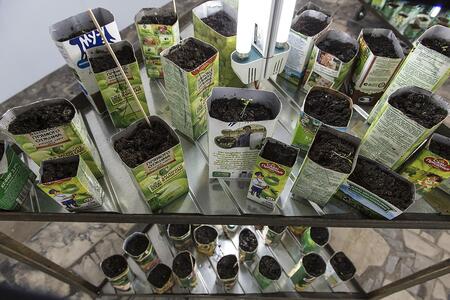
Urban Fauna Lab (Alexey Buldakov, Anastasia Potemkina) | «External Greenery» | 2014 [5-6]
The left-wing wing of Russian art has gained significant visibility, bolstered, among other things, by the establishment of the socio-political portal Openspace in 2008, whose art section editor is the critic, curator, and art historian Ekaterina Degot; as well as by the activities of the «What to Do» School of Engaged Art in St. Petersburg, which has nurtured several generations of theoretically informed and civically conscious artists since 2012.
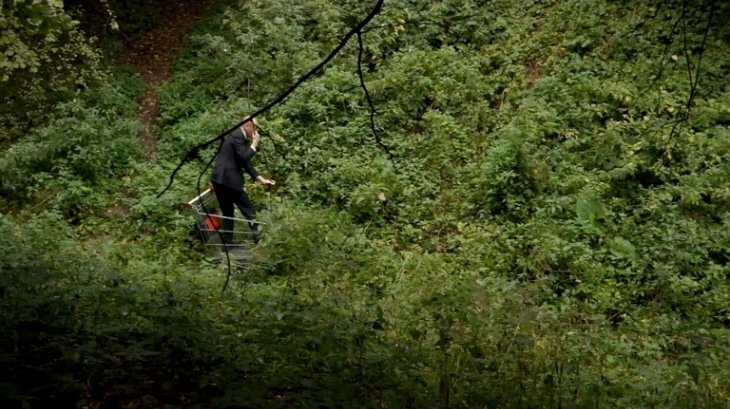
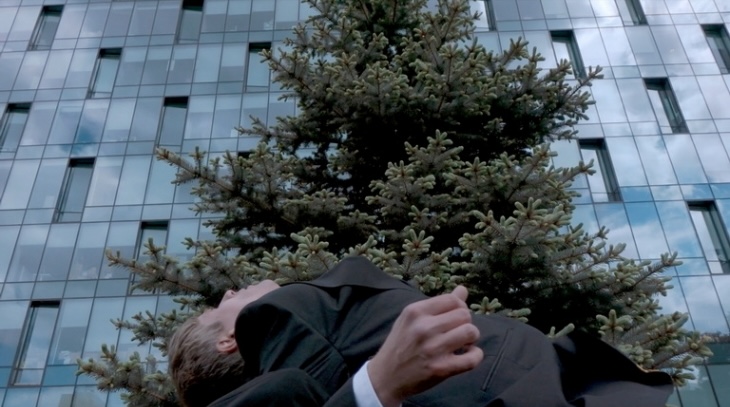
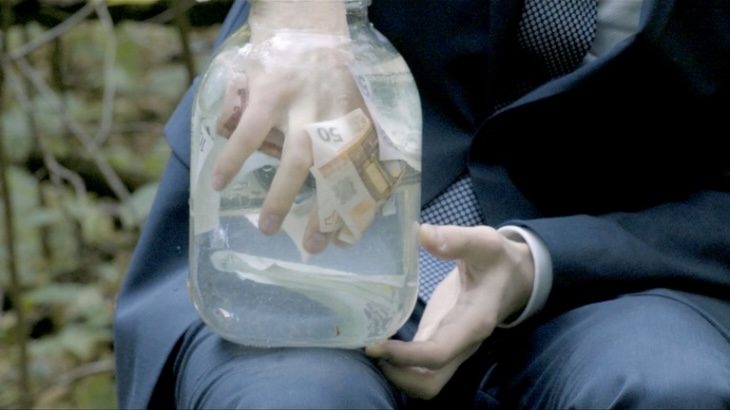
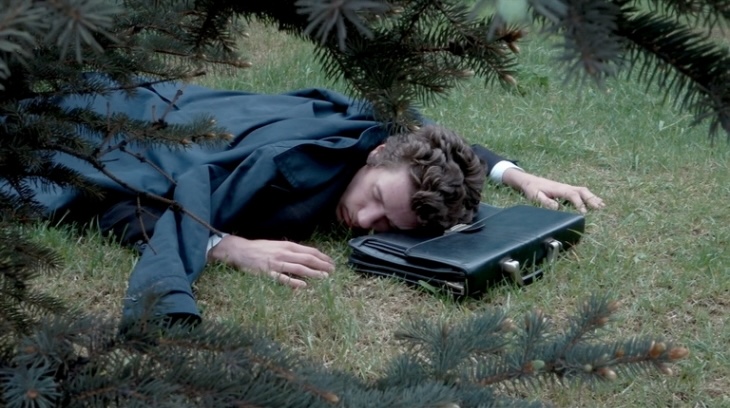
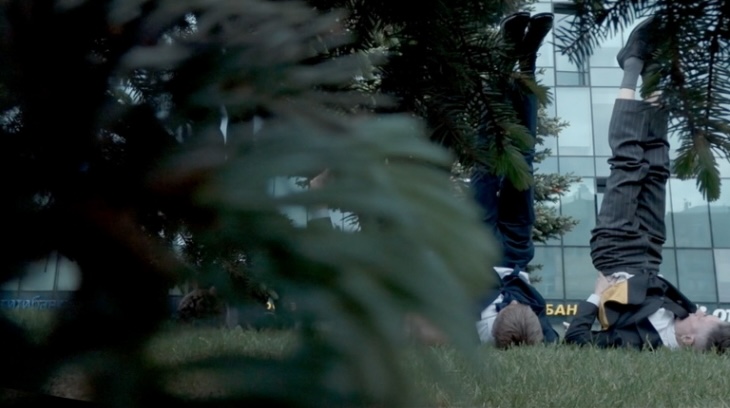
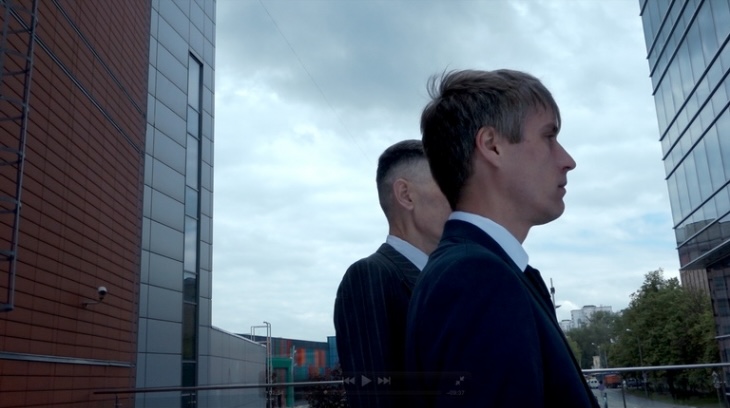
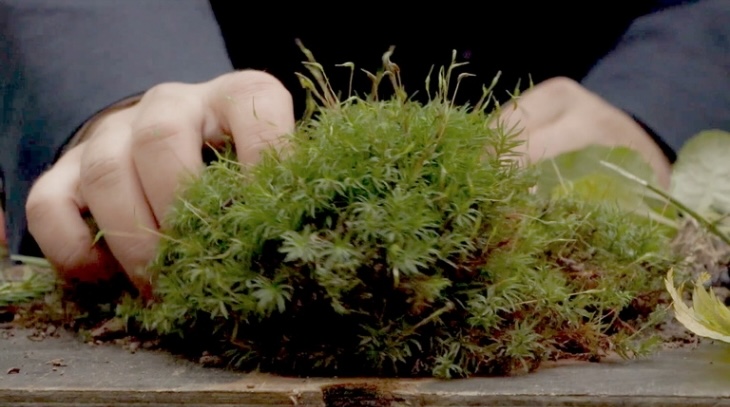
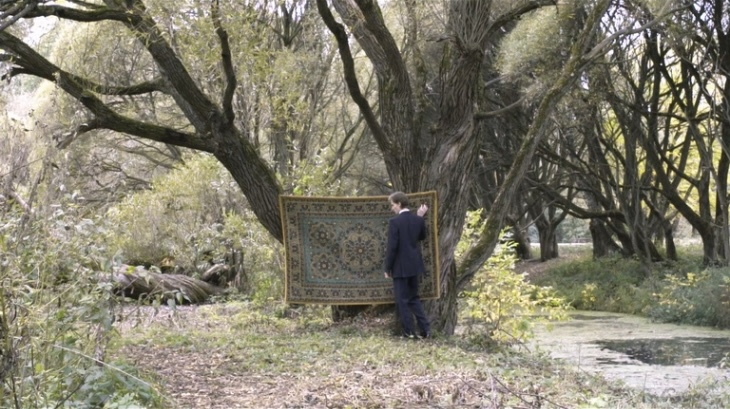
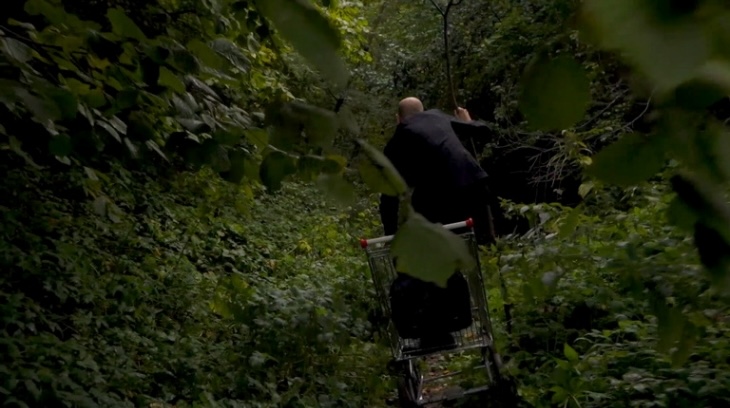
Vic Lashenov | «Upstairs, someone is singing songs while someone else swims with dolphins» | single-channel video, 10'40'', video stills | 2016 | MAMM/MDF [7–15]
The critique of neoliberalism and its associated forms of labor and exploitation has forged a new bridge between the Russian and international art scenes, partially shifting the focus away from the futile search for absolute originality toward examining local manifestations of global issues. A significant role in this process was played, for instance, by the Ural Industrial Biennial—a landmark event of the 2010s—whose main project, «Strikers of Mobile Images» (curators: Ekaterina Degot, Cosmin Costinas, David Riff), directly addressed the issues of «immaterial labor» and the «production of meaning» in the post-industrial age.
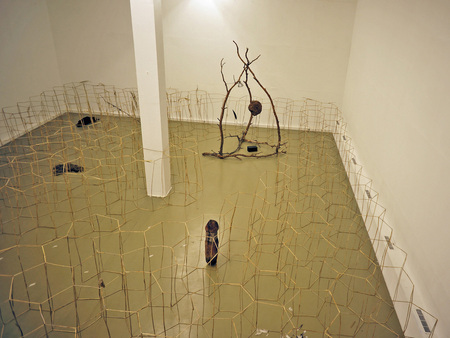
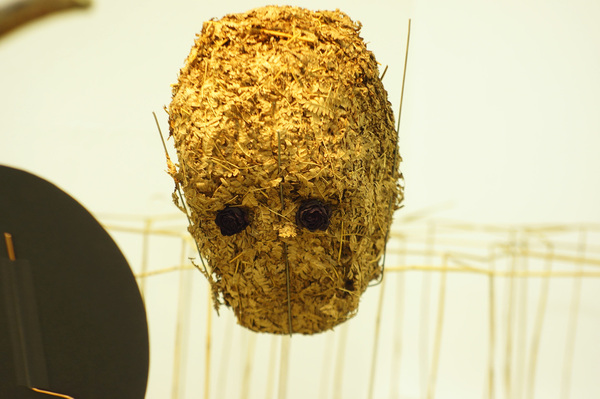
Ilya Dolgov | «Model of Nature, Model of Goethe» | Installation view | 2015 [16–17]
In this sense, the principal trend of the 2010s was a focus on the local. In Moscow—the «default» place, as in a jest—there was an increased emphasis (a trend already present in the 2000s) on the more universal themes of urban policies, strategies for urban «improvement,» and the issues of public spaces—their appropriation or subversion through striking and poetic artistic forms—especially in light of the phenomenon of «Park Kultury,» which Mikhail Yampolsky critically described in his book of the same name in 2018. In other cities, attention to place manifested through the search for local identity.
Ivan Novikov | «Lyenso» | Exhibition View | 2016 [18]
This trend was reflected in the widespread organization of biennials, which aimed to articulate the cultural specificity of a region; artistic residencies; «local» art histories; and artists' interest in the past of specific places and the related ethnics and cultures—including the difficult past shaped by repression or colonial policy. This was further fueled by the «archival turn» that arrived in the 2010s, supported by new institutions and international foundations that transmitted the model of artistic research as an interdisciplinary practice situated at the intersection of cultural criticism, anthropology, history, museology, media theory, and other humanities fields.
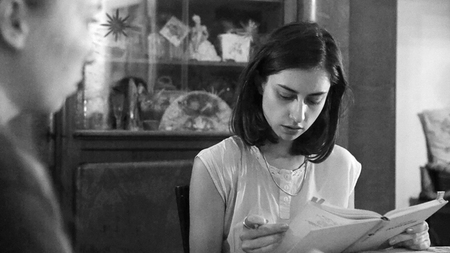
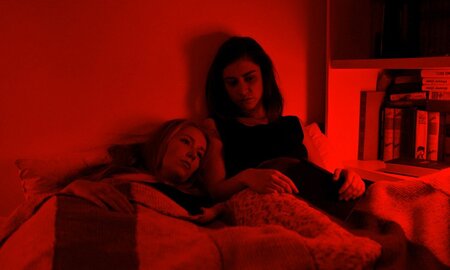
Evgeny Granilshchikov | Unfinished Film | Video Stills | 2015 [19–20]
As is known, art has always (consciously or unconsciously) sought a balance between its own elitism and the aspiration toward democratization. In the 2010s, the first expression was marked by a greater reliance on theoretical complexities—and in the latter half of the decade, the spectrum of provocative artists and curators of theories shifted toward new materialisms, «flat» ontologies, and various «dark» theories. Their popularity was, conversely, supported by processes that democratized art—specifically, the proliferation of image-focused social networks, as well as popular aggregators like the Tzvetnik platform. The latter contributed to the formation of a particular aesthetic demand for art—one that was often not context-oriented: mostly discrete and object-based, fused with its digital representation, aesthetically demanding, and resistant to decoding due to the strangeness embedded within it, including the use of unconventional materials.
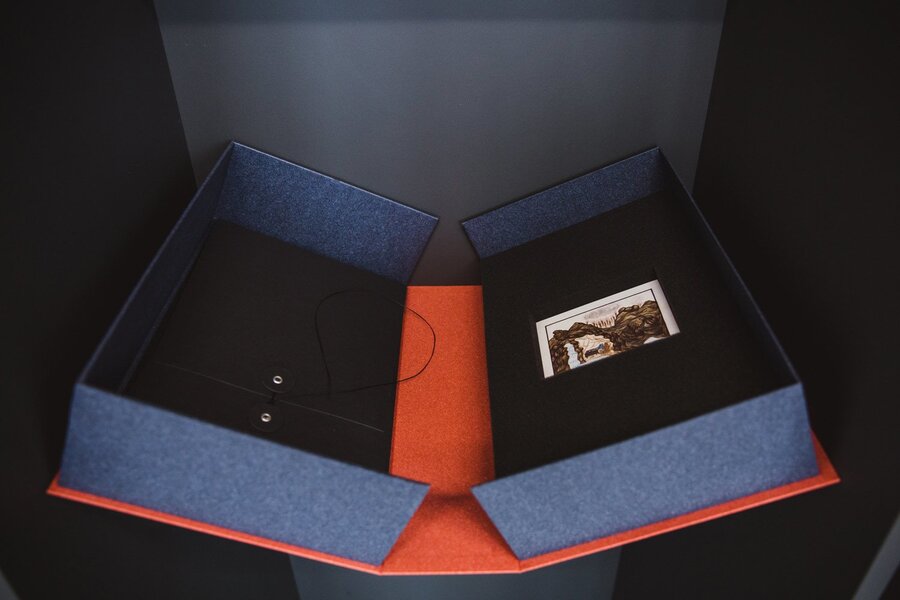
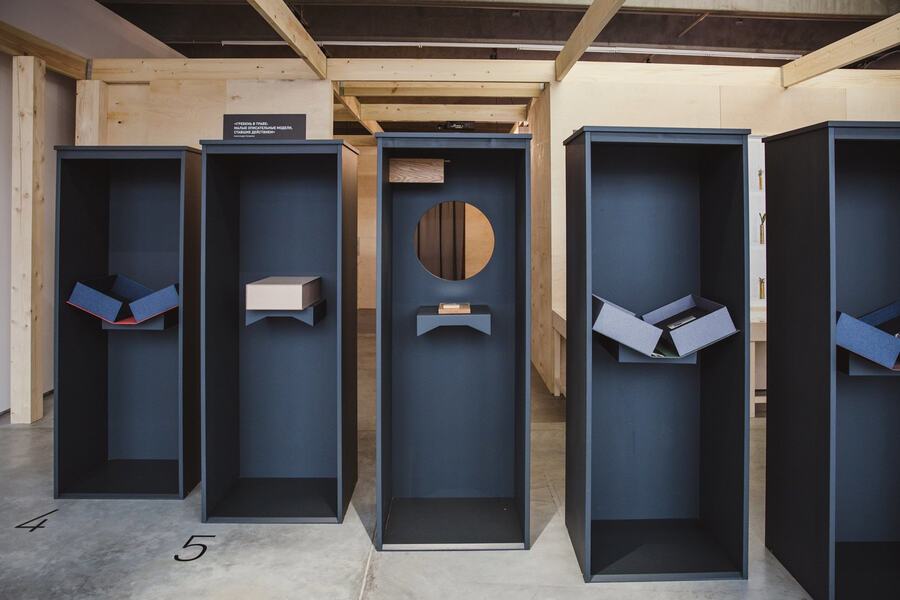
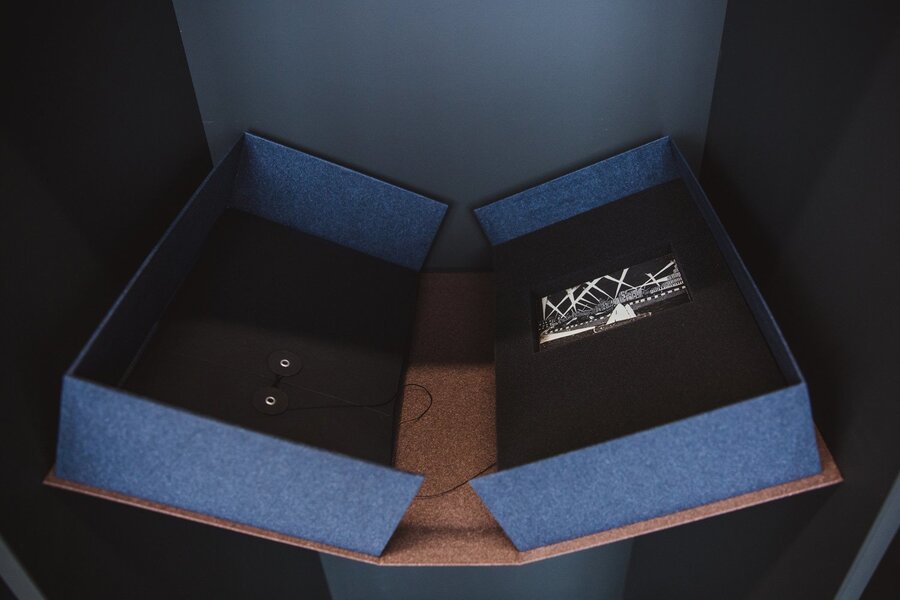
Alexandra Sukhareva | «Comb in the Grass: Small Descriptive Models Turned into Action» | Research/Installation | 2015–2017 [21–23]
The simple readability of this principle connected artistic practice with those outside the major art centers or those unable to attend an art school (the 2010s could also be called the decade of students and recent graduates from such schools—and of «school art, ” which painfully or ironically contemplates school „customs.“ Examples include Dmitry Venkov’s „Mad Imitators“ or Antonina Baever’s „Diploma Project, ” both from 2012).
Dmitry Venkov | «Hymns of Muscovy» | one-channel video, video frame | 2017 [24]
While the question of «how to live together?» struck Europe in the 1990s—connected to the collapse of the bipolar world, globalization, and the resulting rise in migration—Russian art truly began grappling with it in the 2010s. Activist art, beyond organizing transgressive actions and events, began seeking ways to draw attention to, or care for, marginalized communities (one might recall the «MediaUdarnik» festival, which ran from 2011 to 2016). The interest in «non-human agency» was largely manifested as a need for non-invasive co-existence with other species and forms of being. The 6th Moscow Biennale, «How to Live Together?» (2015)—simultaneously brilliant and flawed (as the exhibition of the main project only lasted 10 days for several reasons)—to some extent embodied the tensions, contradictions, and impossibilities that defined Russian art in the 2010s.
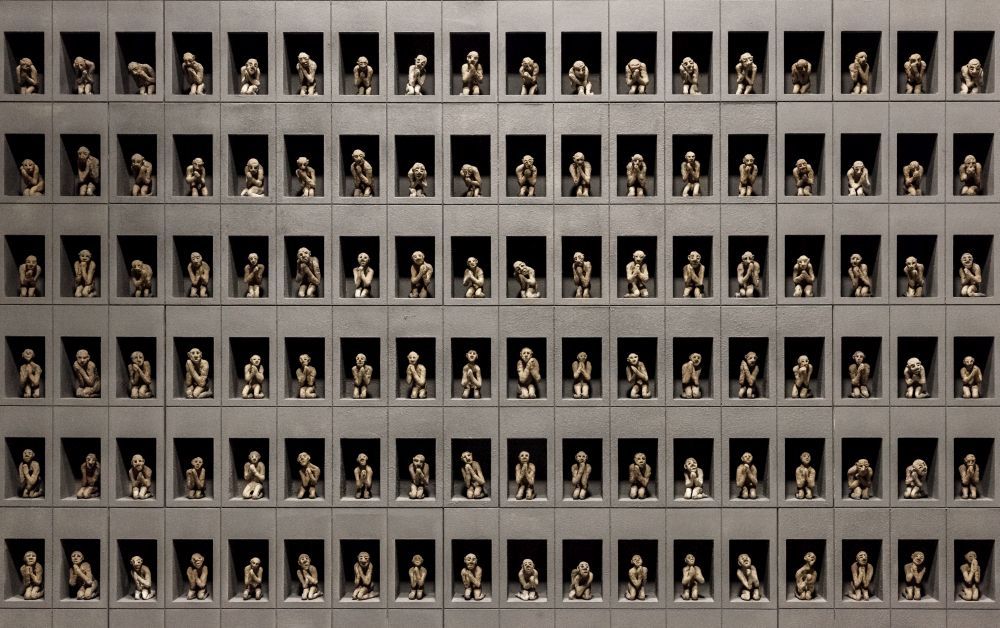
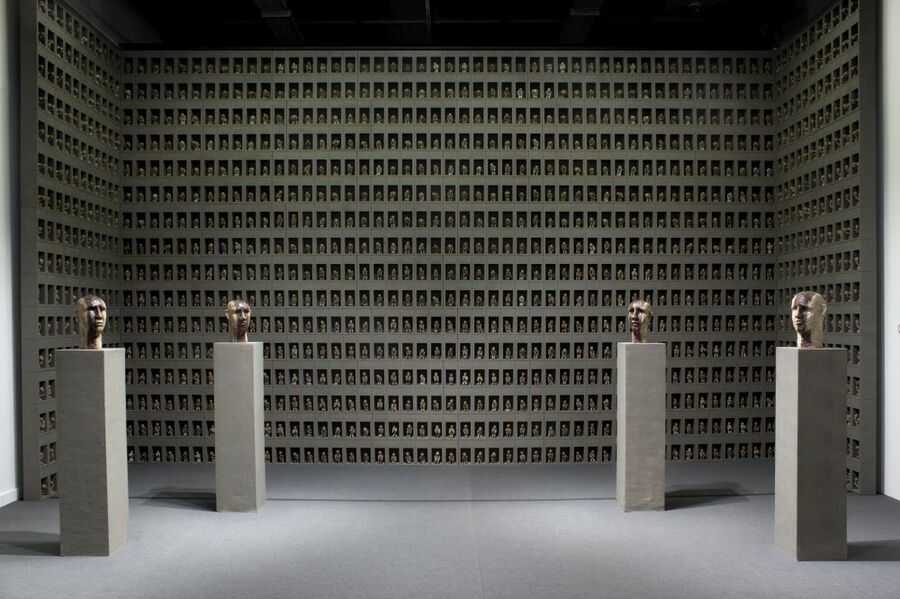
Andrey Kuzkin | «Molelshtchiki and Heroes» | 2019 [25-26]
Image Sources
1. Artguide Website [electronic resource]. Access link: https://artguide.com/people/3295 (accessed April 3, 2025) 2. Artguide Website [electronic resource]. Access link: https://artguide.com/posts/138 (accessed April 3, 2025) 3. Artuzel Website [electronic resource]. Access link: https://artuzel.com/content/провмыза (accessed April 3, 2025) 4. Artuzel Website [electronic resource]. Access link: https://artuzel.com/content/арт-группа-провмыза-наиболее-верное-восприятие-на-ощупь (accessed April 3, 2025) 5. GES-2 Website [electronic resource]. Access link: https://v-a-c.org/projects/urban-fauna-lab-outer-green (accessed April 3, 2025) 6. GES-2 Website [electronic resource]. Access link: https://v-a-c.org/projects/urban-fauna-lab-outer-green (accessed April 3, 2025) 7. MAMM Website [electronic resource]. Access link: https://www.mamm-mdf.ru/exhibitions/etajom-vyishe-poyut-pesni-poka-kto-to-kupaetsya-s-delfinami/ (accessed April 3, 2025) 8. MAMM Website [electronic resource]. Access link: https://www.mamm-mdf.ru/exhibitions/etajom-vyishe-poyut-pesni-poka-kto-to-kupaetsya-s-delfinami/ (accessed April 3, 2025)
9. MAMM website [electronic resource]. Access link: https://www.mamm-mdf.ru/exhibitions/etajom-vyishe-poyut-pesni-poka-kto-to-kupaetsya-s-delfinami/ (Accessed 03.04.2025) 10. MAMM website [electronic resource]. Access link: https://www.mamm-mdf.ru/exhibitions/etajom-vyishe-poyut-pesni-poka-kto-to-kupaetsya-s-delfinami/ (Accessed 03.04.2025) 11. MAMM website [electronic resource]. Access link: https://www.mamm-mdf.ru/exhibitions/etajom-vyishe-poyut-pesni-poka-kto-to-kupaetsya-s-delfinami/ (Accessed 03.04.2025) 12. MAMM website [electronic resource]. Access link: https://www.mamm-mdf.ru/exhibitions/etajom-vyishe-poyut-pesni-poka-kto-to-kupaetsya-s-delfinami/ (Accessed 03.04.2025) 13. MAMM website [electronic resource]. Access link: https://www.mamm-mdf.ru/exhibitions/etajom-vyishe-poyut-pesni-poka-kto-to-kupaetsya-s-delfinami/ (Accessed 03.04.2025) 14. MAMM website [electronic resource]. Access link: https://www.mamm-mdf.ru/exhibitions/etajom-vyishe-poyut-pesni-poka-kto-to-kupaetsya-s-delfinami/ (Accessed 03.04.2025)
15. MAMM website [electronic resource]. Access mode: https://www.mamm-mdf.ru/exhibitions/etajom-vyishe-poyut-pesni-poka-kto-to-kupaetsya-s-delfinami/ (accessed 03.04.2025) 16. XL Gallery website [electronic resource]. Access mode: https://xl.gallery/ru/exhibition/14 (accessed 03.04.2025) 17. XL Gallery website [electronic resource]. Access mode: https://xl.gallery/ru/exhibition/14 (accessed 03.04.2025) 18. 49art website [electronic resource]. Access mode: https://49art.ru/ru/rating/44#pic_159 (accessed 03.04.2025) 19. Art Journal website [electronic resource]. Access mode: https://moscowartmagazine.com/issue/72/article/1567 (accessed 03.04.2025) 20. The Art Newspaper Russia website [electronic resource]. Access mode: https://www.theartnewspaper.ru/posts/20220124-aofp/ (accessed 03.04.2025) 21. Garage Museum website [electronic resource]. Access mode: https://garagemca.org/ru/exhibition/field-research-liberating-knowledge-progress-report-ii/materials/greben-v-trave-malye-opisatelnye-modeli-stavshie-deystviem-comb-in-the-grass-small-descriptive-models-that-have-turned-into-action (accessed 03.04.2025)
22. Garage Museum website [electronic resource]. Available at: https://garagemca.org/ru/exhibition/field-research-liberating-knowledge-progress-report-ii/materials/greben-v-trave-malye-opisatelnye-modeli-stavshie-deystviem-comb-in-the-grass-small-descriptive-models-that-have-turned-into-action (Accessed 04/03/2025) 23. Garage Museum website [electronic resource]. Available at: https://garagemca.org/ru/exhibition/field-research-liberating-knowledge-progress-report-ii/materials/greben-v-trave-malye-opisatelnye-modeli-stavshie-deystviem-comb-in-the-grass-small-descriptive-models-that-have-turned-into-action (Accessed 04/03/2025) 24. Vladey website [electronic resource]. Available at: https://vladey.net/ru/artwork/4268 (Accessed 04/03/2025) 25. Artguide website [electronic resource]. Available at: https://artguide.com/people/3332 (Accessed 04/03/2025) 26. Artguide website [electronic resource]. Available at: https://artguide.com/people/3332 (Accessed 04/03/2025)
Cover art: Dmitry Venkov, «Hymns of Muscovy, ” 2017. Vladey website [electronic resource]. Access mode: https://vladey.net/ru/artwork/4268 (accessed 04/03/2025)