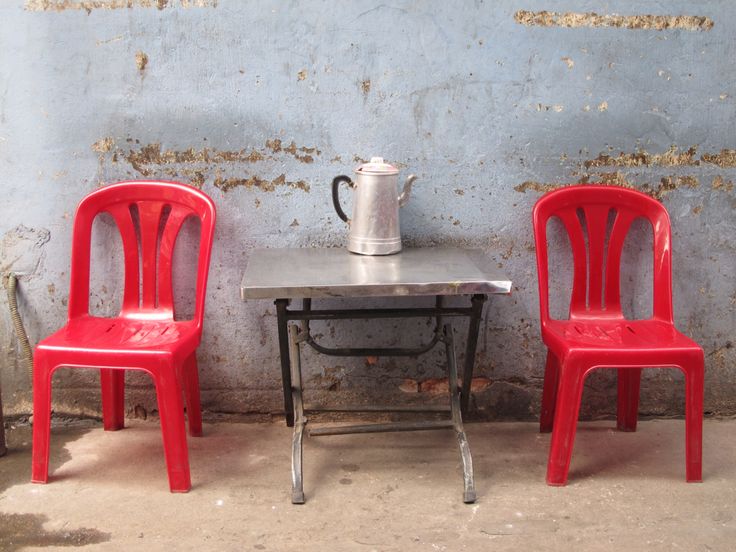
How often do you visit friends? And what about public figures? How do the lives of someone from Paris or Vietnam differ, and what do their interiors tell us about them?
01 suggests that much can be learned from an individual’s possessions—their habits, preferences, status, and worldview. These are things you don’t see in someone immediately.
01 — People through Space: A Visual Archive of Individuals from Various Countries and Cities
./ objective.
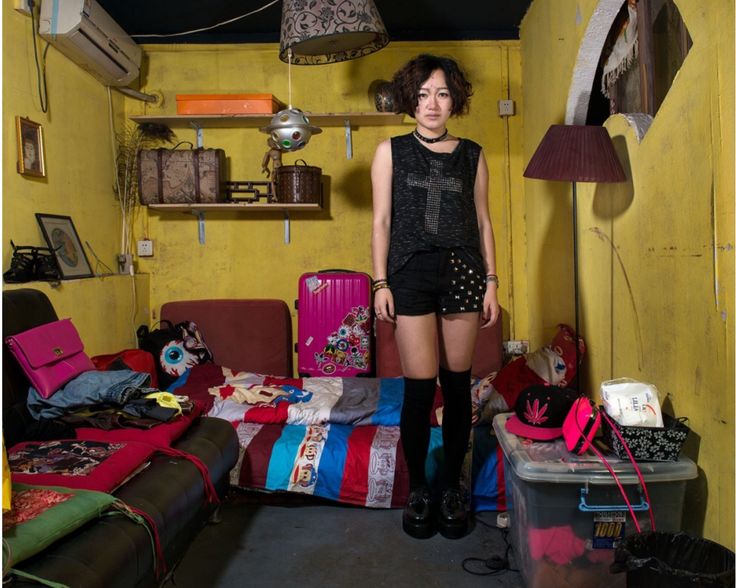
Each graduate introduces us to a new person. They tell us about themselves, their life, hobbies, and preferences, and then we explore their space.
Can you tell a person by the neighborhood they live in?
Interior design is a part of a person’s personal history.
./ themes.
01 interests: - who inhabits the space - how a person organizes their life - what objects surround them - what they preserve - what they display - what objects hold meaning for them - how city and culture influence the space
Key Content Aspects:1. People — short interviews with our subjects.
2. Spaces — filming their interiors.
3. Objects — individual items and the stories behind them.
4. Stories — personal narratives connected to home.
5. Cities — individuals from various cities and countries.
Imperfect interiors — real spaces.
The media features ordinary people who design their own spaces.
./competitors.
(No Russian text provided for translation.)
- The Human as Protagonist—the importance of personality over mere interior design.
- Space—how a home and personal environment are presented.
- Format—interview, photo essay, home tour, video.
- Visual Language—documentary photography or polished visuals.
- Tone of Voice—personal, expert, journalistic, or entertaining.
- Platforms—website, YouTube, Instagram, etc.
прямые
Apartamento has worked with the theme of everyday life and interiors since 2008. Their approach fundamentally differs from traditional interior design press: they showcase not so much «perfect design» as they showcase people, their lives, and real spaces. The materials separately feature interviews, videos, and stories about homes. In the current issue, for example, there is an interview with director Daya Kulumbegashvili, accompanied by photographs of her homes in Berlin and Georgia.
/ The person and their space—a single narrative
/ The visuals should be alive, documentary, and imperfect
/ The Tone of Voice (TOV) should be personal, calm, and intellectual
/ A strong connection between the protagonist and the interior design
/ The focus should primarily be on the creative environment
/ 01: This could broaden the range of protagonists and make the person the central subject of the media
Openhouse Magazine
The Openhouse website features a dedicated People section, which showcases architects, designers, artists, and other figures. Their stories often connect the individual with their environment. For instance, Hugo Toro’s apartment is titled «A space for self-reflection, ” while Bea Mombaers’ story is about „The inner life of every item.“ The magazine now also has a separate video section.
/ The individual is connected to art and space
/ The visual language is aesthetic, artistic, and editorial
/ The Tone of Voice (TOV) is cultural and intellectual
/ Strong storytelling through space
/ Most characters are connected to design and art
/ 01 can portray people regardless of profession or status
Architectural Digest — Open Door
AD transforms a person’s home space into a media format: the host personally guides the viewer through the house, discussing the objects, habits, and history of the space. The series continues to be released regularly, including in 2026, featuring homes belonging to Lucy Hale, Asher, Kristin Cavallari, and other personalities.
/ celebrity — the main draw for the audience
/ format — home tour video
/ visual — luxurious, professional, cinematic
/ strong effect of access to private life
/ high dependence on celebrities and luxury interiors
/ 01 can showcase the value of an ordinary person, not their fame
косвенные
/ interior as an expression of self
/ visual aesthetic — eclectic, saturated, editorial
/ TOV — intellectual, cultural
/ strong command of unusual spaces
/ the interior remains the main character
/ 01 can begin a narrative with a person and only then transition to the space
The World of Interiors
It is a very strong competitor, particularly in philosophy. The magazine has been published since 1981 and directly asserts that interiors reflect identity: rooms and objects tell a story about the people who use them. Moreover, the magazine extends far beyond design—it incorporates art, cinema, literature, fashion, and travel.
Kinfolk
A competitor for the audience that loves lifestyle, people, and beautiful spaces. Their 46th issue is particularly telling: a dedicated Interiors Special where the editorial team visited the homes of interesting people across five continents. In other words, the very geography and the idea of «seeing how people live in different places”—which you intend to use—is already present here.
/ An international perspective on lifestyle.
/ The visual style should be minimalist, calm, and atmospheric.
/ Strong visual identity.
/ The theme is too broad.
/ 01 can focus exclusively on people and their spaces.
Dwell
A more design-forward and practical competitor. The site features a dedicated Home Tours section, and the editorial team constantly showcases real homes and how people solve spatial challenges.