The brief history of one of cinema’s most recognizable sounds
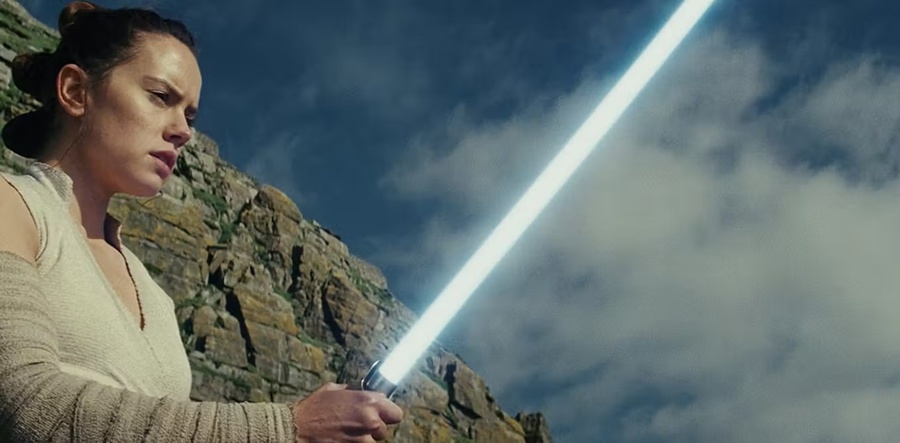
That signature hum that gives you chills. When a lightsaber ignites with that low «vzzzz, ” it feels like a sound from the future. In reality, it’s a blend of two very ordinary 70s things: a movie projector and a television. Ben Burtt was still a student and worked part-time as a film mechanic at the university. When he saw Ralph McQuarrie’s concept art of the lightsabers, he immediately „heard“ the sound in his head. The old Simplex projectors in the projection booth emitted a strange, almost musical hum from their idling motors. Burtt recorded it. But something was missing. The sound was beautiful, but not menacing enough.
The solution came by accident. One day, he was walking through his apartment with the microphone turned on (his cable was faulty) and passed by a running television. The microphone picked up electromagnetic interference from the CRT—a sharp, unpleasant, «dangerous» buzzing sound. Bertt immediately understood: this was what he needed.
He mixed the hum of the projector and the buzzing of the television roughly fifty-fifty. And to make the sword «move» in the air, he simply played the ready sound through a speaker and moved the microphone in front of it—resulting in the Doppler effect. That very «whoosh» sound as the sword cuts through the air.
Since then, this sound has become one of the most recognizable in cinema history. And almost no one knows that it comes from a standard film projector and random interference from a television.