CONTENTS
1 Concept
2 Most Iconic Female Archetypes of the 1920s on the Big Screen
3 Actresses Who Influenced the Industry
4 «Freeform» Fashion of the 20s
«Forgotten» Voices of Hollywood
6 The Image of Women Through the Lens of Socio-Cultural Processes
CONCEPT
The 20th century brought the world a diversity of styles and numerous directions in art that influenced the evolution of the female image. These changes signaled fundamental shifts in women’s consciousness and perception within society. Beginning in the 1920s, familiar patriarchal structures and beauty standards slowly but surely began to transform.
The Roaring Twenties are also known as the «Prosperity Era,» derived from the English word prosper—"to thrive.»
Following the tragic events of the First World War, young people began leading a carefree lifestyle, cultivating a sense of abandon and «burning out» their lives at parties.
In 1920, the U.S. Congress adopted an amendment to the Constitution that granted women the right to vote—their place in society was reevaluated, and women began to find their voice.
The era of the woman who was absolutely subservient to her husband’s interests and lacked significance, where the slightest deviation from established norms marked her as a «fallen woman,» came to an end. Feminine freedom was no longer viewed with such rigid constraints; the shift in sociocultural paradigms became evident.
Society is sharply recalling that during the war, women took on the duties of absent men, learned new professions, and supported their families. In this work, I intend to put forth the hypothesis that the socio-cultural processes in American society during the 1920s were reflected in the system of representing female archetypes.
2 Most Iconic Female Characters of the 1920s on the Big Screen
The complex and contradictory struggle for equality was successful. The image of the «new» woman divided the world into «before» and «after,» ushering in Hollywood’s golden age and having a colossal impact on society.
Flappers
Flapper, 1920
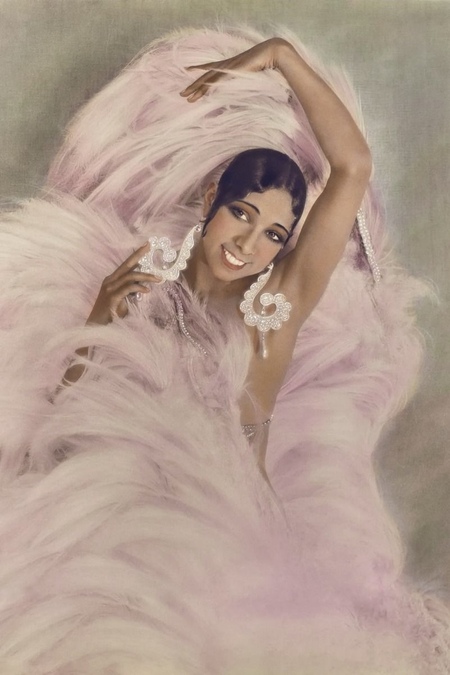
Amid all these events, the behavior of women changed, and a new subject came to the forefront—the independent young woman, an image also known as the «flapper.»
Flappers were a new generation of women who disregarded «acceptable» behavior, dressed provocatively, enjoyed dancing in jazz clubs, and openly displayed their beauty and youth. The right to vote was the catalyst for this movement. American women began leading a more liberated lifestyle—their independence and rebellion against societal norms set a distinct tone for women across the United States. Flappers turned the 1920s into a time of celebrating their newfound freedom, and in doing so, they fundamentally changed perceptions of sexuality and gender roles in society.
Flapper Dancers
Flappers were defined by how they dressed, danced, and spoke. They wore short skirts, simple dresses, and danced the Charleston. Flappers were reckless young women who disregarded previous social conventions and taboos. They smoked cigarettes, drank alcohol, drove cars, kissed, and «flirted» with various men.
Flappers were the antithesis of the Victorian ideal of a quiet, modest woman tied to the home and preserving the hearth. She was a modern, urban woman who had a career and her own views on life; she wore a «bob» haircut and dresses that did not accentuate her curves.
Flapper Fashion of the 1920s
The Flappers helped initiate a movement that ultimately granted young women the right to be individuals and human beings.
First section of the Royal Order of Flapper, 1920
The bad girl with a bad reputation — Vamp
Theda Bara, Hollywood’s first and most famous «vamp,» 1920
In the 1910s, the flapper era featured the «vampire» archetype, which sparked numerous scandals. This «vampire» image, also known as the femme fatale, was a blend of flapper style with a more erotic and aggressive female demeanor.
Teda Bara in the role of a «vampire»
Vampirettes were bolder and more rebellious—described as carefree young women who didn’t care who saw them smoking or drinking in public. They dressed in dark but heavily accessorized outfits. The defining feature of this look was dramatic, expressive makeup.
Poster for the premiere of the film «Dangerous to Men,» 1920, Noah Johnson