Self-historicization, decolonizing the East European archive, and curatorship as a «fellowship.»
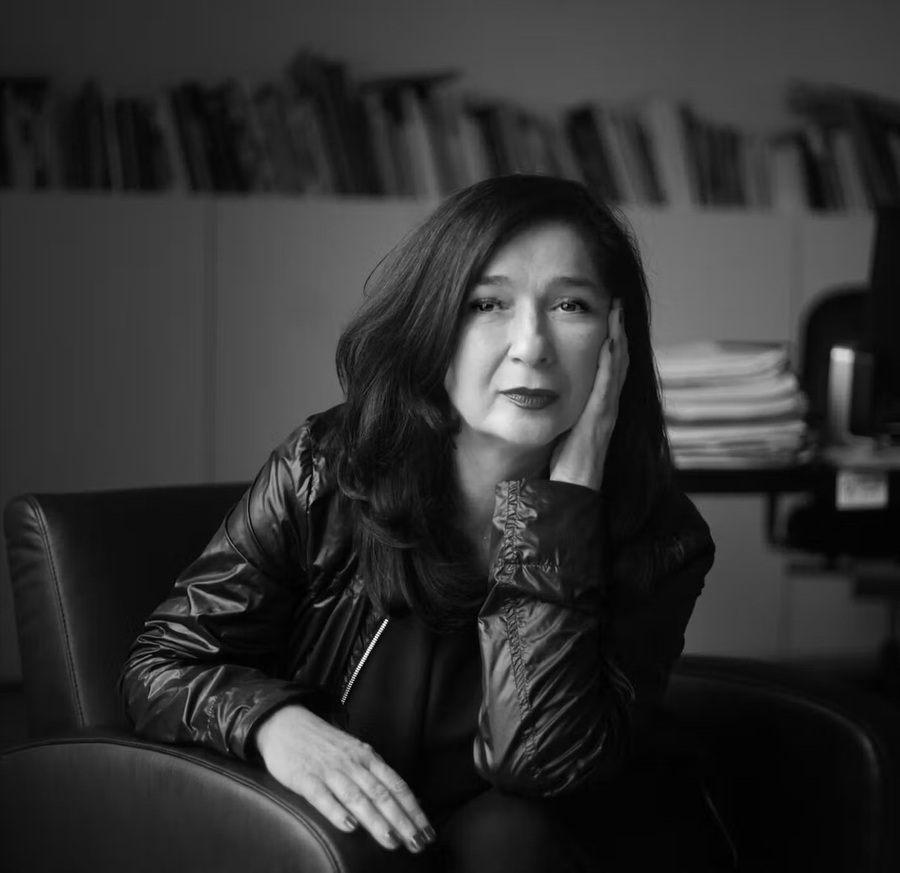
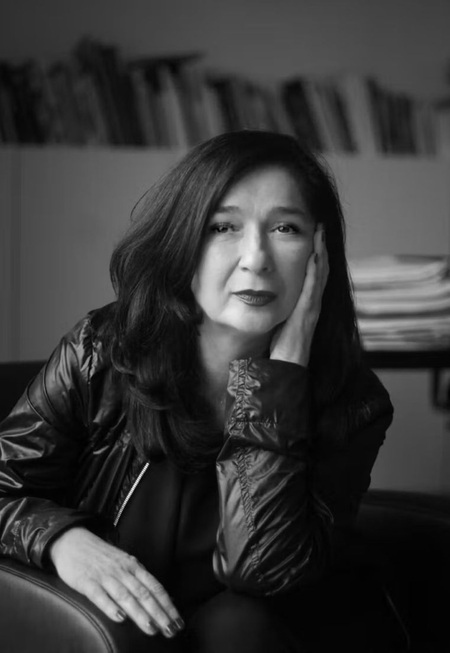
Zdenka Badovinac
Zdanka Badovinac (b. 1958) is a Slovenian curator, art critic, and museum director. Her work revolutionized the perception of the «periphery» in the art of former socialist countries. Instead of copying Western museum models, she offered the world a sovereign perspective on the art history of Eastern Europe.
Brief Biography
Zdenka Badovinats is one of the key figures in Eastern European curatorship. She decolonized the history of Eastern European art, established horizontal connections («camaraderie»), and proved that a museum on the periphery can dictate the agenda to the global art world.
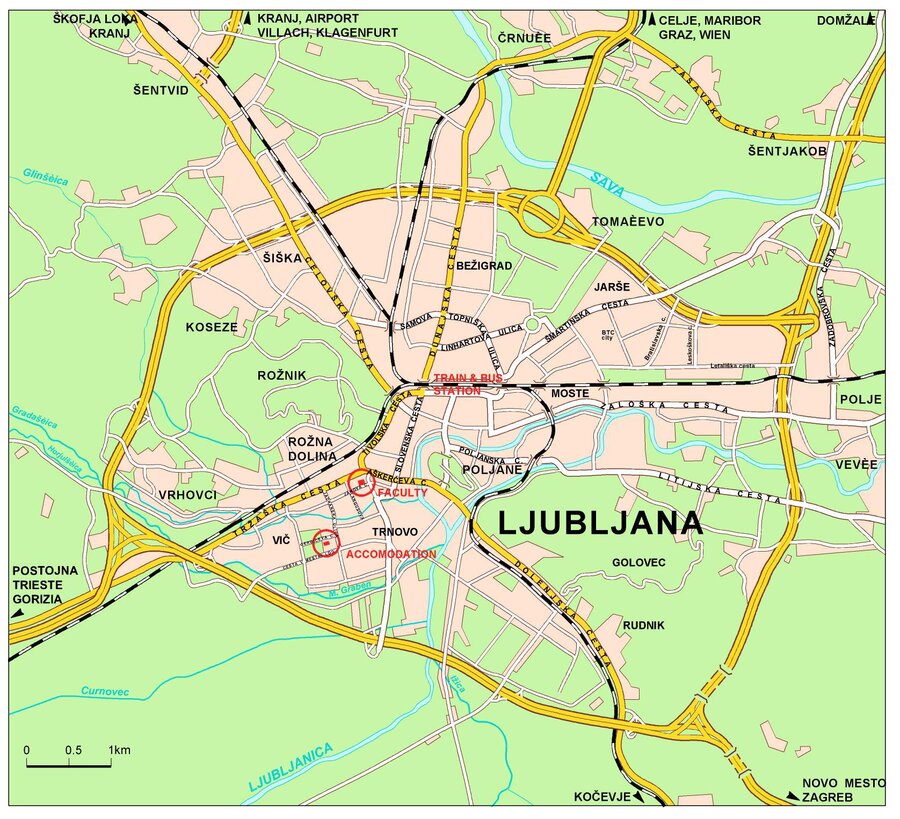
Born: 1958, Ljubljana, Slovenia (ex-Yugoslavia).
Education: Studied art history and comparative literature at the University of Ljubljana.
Key Positions:
• Director of Moderna galerija in Ljubljana (1993–2020).
• Director of the Museum of Contemporary Art (MSU) in Zagreb (2022–2023).
• President of CIMAM (International Committee for Modern Art Museums, 2011–2013).
Badovinats led Moderna galerija through the complex transitional period following the dissolution of Yugoslavia. Over nearly three decades of leadership, she transformed the local museum into an institution of global significance. In 2011, she initiated the opening of the museum’s second building—MSUM (Metelkov Museum of Contemporary Art)—located in former military barracks. She was dismissed in 2020 by the conservative Slovenian government on political grounds, which sparked protests from the global art community.
«Self-Historiography» and «Fellowship»
Because the Western canon long ignored the art of Eastern Europe or perceived it as a «secondary imitation of the West, ” Badovinatz introduced the term self-historicization. The act of preserving artists’ archives and conceptualizing them through the efforts of regional curators became an act of political resistance. The book Comradeship explains how curatorship can be a form of collective care and struggle, rather than mere management.
«Self-historization.» The process of writing the region’s own art history in the absence of systemic state archives and institutions.
«Mentorship as Comradeship.» An alternative to the Western market concept of «networking.» It is founded on solidarity, shared political values, and horizontal exchange.
Project 1. Exhibition «Body and the East»
Location and time: Moderna Galerija, Ljubljana (1998); Exit Art, New York (2001).
Concept: An investigation into the representation of the body, actionism, and performance in Eastern European art from the 1960s onward. Specificity: The first large-scale attempt to unite artists from former socialist countries based on a medium—the body as an instrument of freedom against totalitarian or patriarchal control.
This exhibition was a historical breakthrough. Badovinats demonstrated that while performance art was being commercialized and institutionalized in the West, the artist’s body remained the only accessible, radical, and uncensored medium in the East. The exhibition proved the conceptual maturity and distinctiveness of Eastern actionism.
Project 2. Creating the «Arteast 2000+» Collection
Location and Time: Launched in Ljubljana in 2000. Regular exhibition series (e.g., «Grammar of Freedom,» MSI «Garage,» Moscow, 2015).
Concept: The world’s first museum collection of Eastern European postwar avant-garde in dialogue with key Western artists.
Participants: Marina Abramović, Ilya Kabakov, Nesha Paripovich, and the NSK, OHO, and Gorgona groups.
Instead of purchasing expensive Western art, Badovinac began collecting local contexts. This set an institutional precedent: a peripheral museum established a canon for an entire macro-region. The collection is conceived not as a static graveyard of objects, but as a dynamic instrument—a «collection as a verb”—whose exhibition is constantly being reassembled.
Project 3. «NSK from Kapital to Capital» (NSK: From Capital to Capital)
Exhibition at MSI «Garage» (2016) https://garagemca.org/event/a-lecture-by-zdenka-badovinac
Location and Time: Ljubljana (2015); Moscow (2016); Reina Sofía Museum, Madrid (2017).
Concept: A large-scale investigation into the phenomenon of Neue Slowenische Kunst—a collective movement from the last decade of Yugoslavia.
Innovation: A demonstration of how a collective artistic utopia appropriated totalitarian symbols to critique both state socialism («Capital») and the emerging wild capitalism («capital»).
A brilliant example of archival and historical-theoretical curation. The exhibition meticulously analyzed the strategies of retro-gardism and super-identification employed by Slovenian artists in the 1980s. The exposition demonstrated that Badovinac’s curatorial work consistently involved a profound nexus between aesthetics and political economy.
Characteristics of the Curatorial Method and Innovation
Raina Sofia Museum
- Institutional critique from within the museum: A museum should not be a «white cube,» but rather a space for contestation, public discourse, and a «low-budget utopia.»
2. Decolonizing global art history: Dismantling the Western market’s monopoly on defining what constitutes «relevant» art.
3. Networked horizontal approach: Establishing museum alliances (L’Internationale founder). Badovinatz’s methodology is characterized by a rejection of the passive role of the regional curator. Her practice is deeply political; she engages with the traumas of war, genocide, imperial collapse, and geopolitics. Her innovation lies in reinventing the format of international collaboration—instead of bringing «Western stars» into the periphery through colonial import, she compelled the West to learn from the East about strategies for survival and self-organization.
Critical Reflection and Conclusions