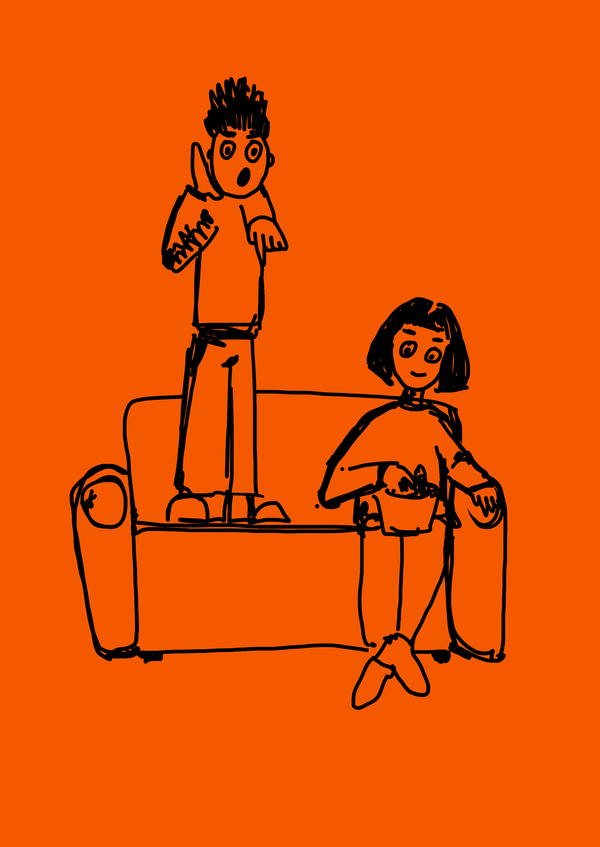
Can cinema be categorized as immersive or staged? In every episode, we compare two directors, analyze their artistic techniques, and attempt to understand what transforms simply watching a film into a unique spectator experience. This podcast is less about cinema itself and more about what happens between the director and the viewer.
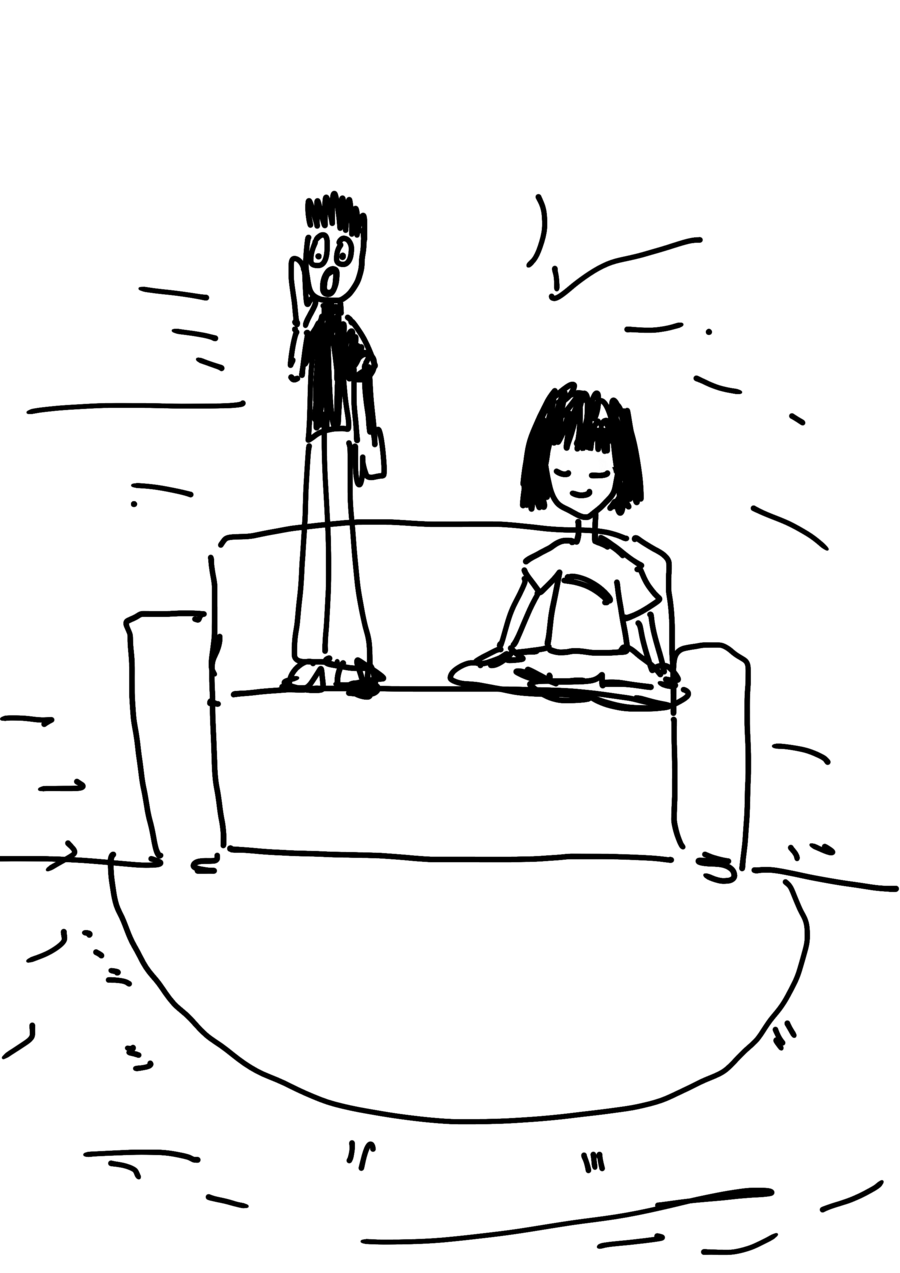
Why this podcast?
Have you ever wondered why some films completely captivate us while others simply inspire admiration for their beauty and form? This podcast invites you to view cinema from an unconventional angle—not by analyzing plots or characters, but by exploring how directors guide the audience’s viewing experience and what artistic techniques they employ to shape that experience. By understanding these mechanisms, the viewer begins to perceive cinema more consciously and better understand their own impressions from watching.
Alumni
First: Tarantino and Nolan
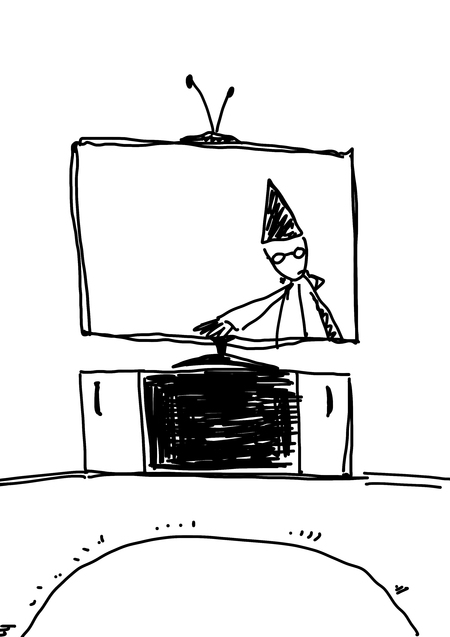
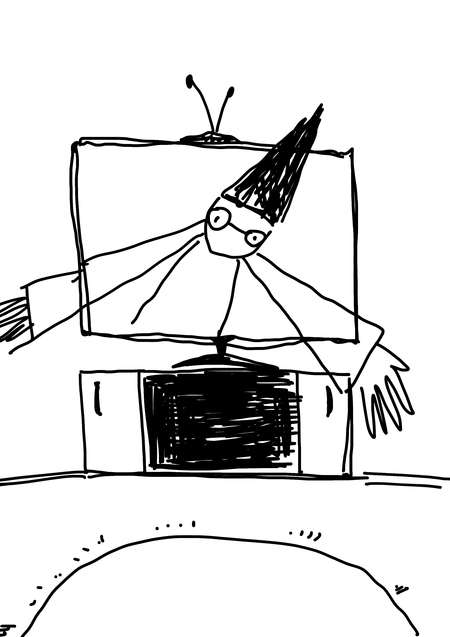
The viewer either becomes a hostage of the film or remains a guest before the screen.
Second: Fincher and Anderson
The direction either dissolves within the narrative or becomes the central focus.
Third: Besson and Tarkovsky
The film either makes the viewer weep with the characters or turns the viewer inward to themselves.
Fourth: Cameron and Caraway
Engagement can be built through grand action or through atmosphere, pauses, and feeling.
Tarantino and Nolan: Bloody scenes you can’t look away from, or endings that haunt you—just a few more days? In the first episode, we compare Quentin Tarantino and Christopher Nolan to understand why one director engages the audience through form and spectacle, while the other—through questions that defy definitive answers—and which kind of viewer prefers which level of engagement.
The initial hypothesis was that films could be divided into immersive and constructed, and that viewer preference depended on the type of audience member. During our discussion, the hypothesis evolved: it turned out to be less about personality type and more about the viewer’s state of mind and the kind of engagement the director offers the audience.
«When we watch a Nolan film, it feels like we have to solve a puzzle just to eat the candy. With Tarantino films, it’s different: you can eat the candy first, and only later, if you feel like it, solve the puzzle.»
Some thoughts on the graduation: On Time Nolan integrates time into the plot, compelling the viewer to experience it alongside the characters, whereas Tarantino uses time as an era’s signature and a tool for building atmosphere.
On Characters With Nolan, the characters serve as guides into the world the director has created, while Tarantino’s characters are independent artistic figures that resonate even more strongly than the story itself.
On Inspirations Nolan constructs his films based on literary principles—as a complex world one must gradually «read"—while Tarantino draws inspiration from painting, Westerns, and cinema history, crafting his films as a sequence of evocative visual scenes.