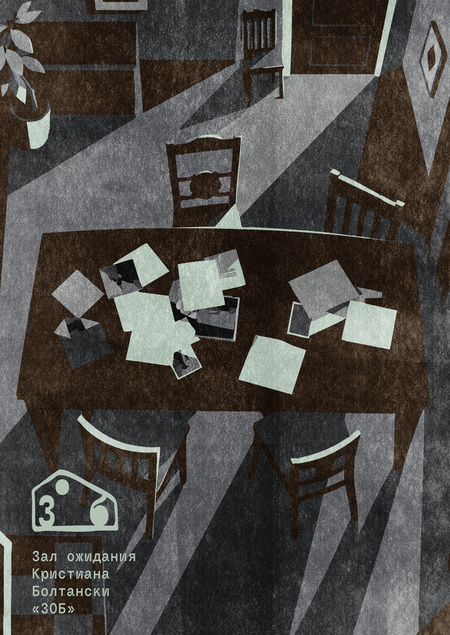
The ZOB institution emerges around a state that is difficult to define. A person has vanished, but what happened to them is unknown. For loved ones, this is existence in the space between hope and loss—a place where it is impossible to say a final goodbye or to continue waiting as if nothing has happened. ZOB seeks to create a space for these feelings.
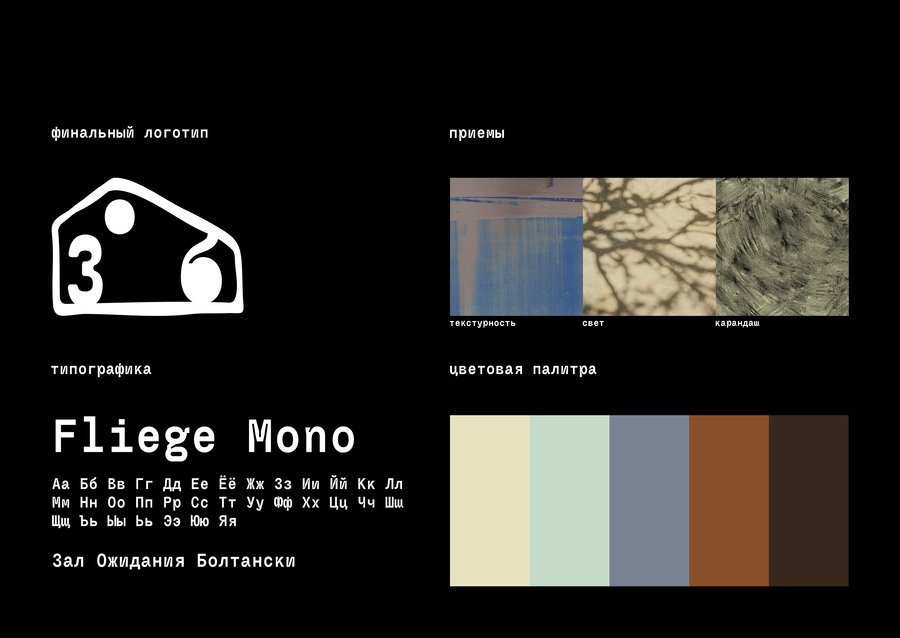
The ZOB Space is located at the intersection of an open archive, a lounge, and a research hub. Here, you can study curated materials, share new information, participate in a search, or simply be among others who are navigating similar experiences. Not every visitor feels obligated to do something or share their story. Sometimes, all one wants to do is remain silent while looking at others' photographs. The institution does not aim to rush the experience of loss or offer a universal way to cope with it. Its purpose is to provide this experience with space and time.
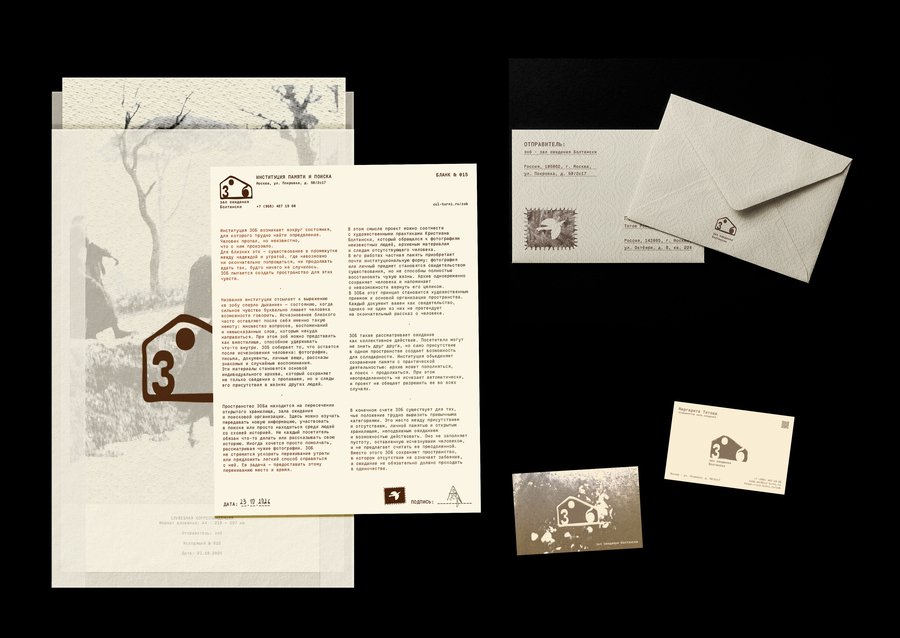
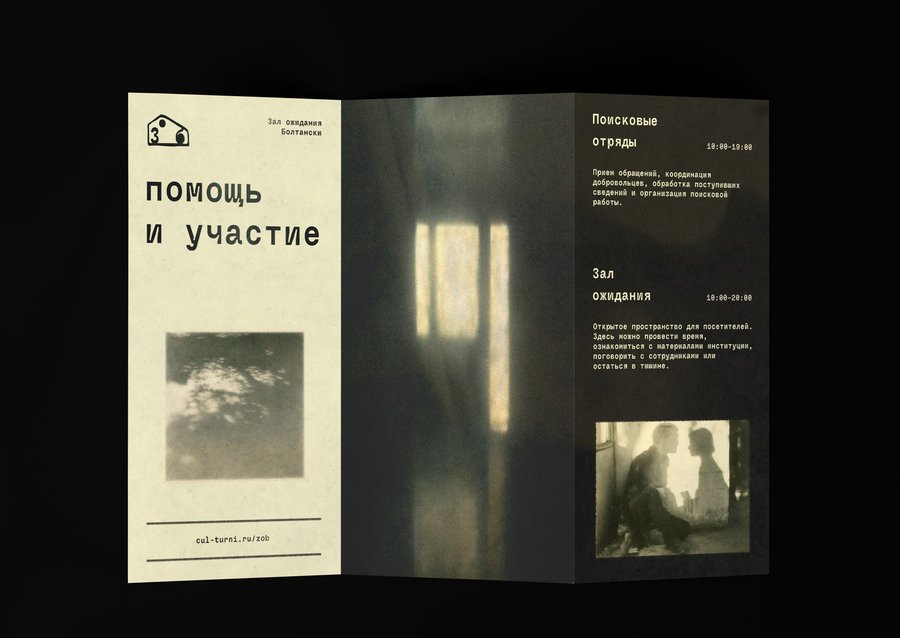
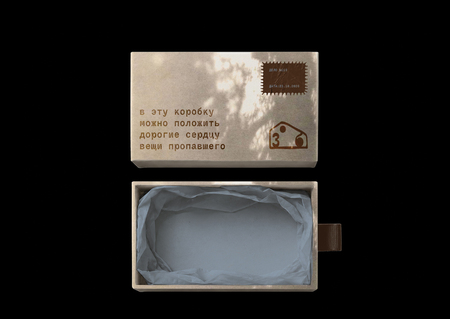
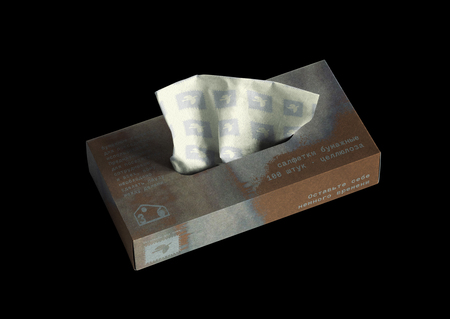
Ultimately, ZOB exists for those whose condition is difficult to express through conventional categories. It is a space between presence and absence, personal memory and open archive, stillness and the possibility of action. It does not fill the void left by a vanished person, nor does it suggest that void has been overcome. Instead, ZOB preserves a space where absence does not equate to oblivion, and waiting does not necessarily have to be solitary.