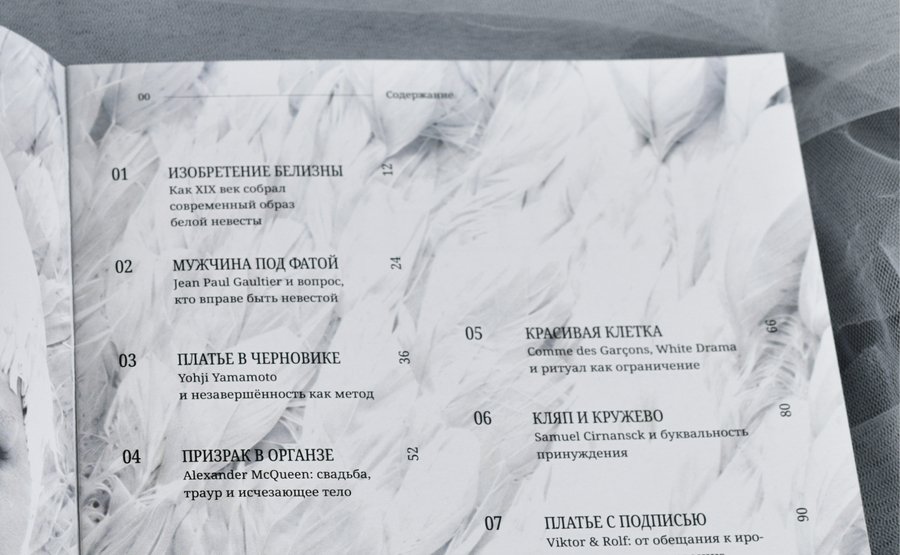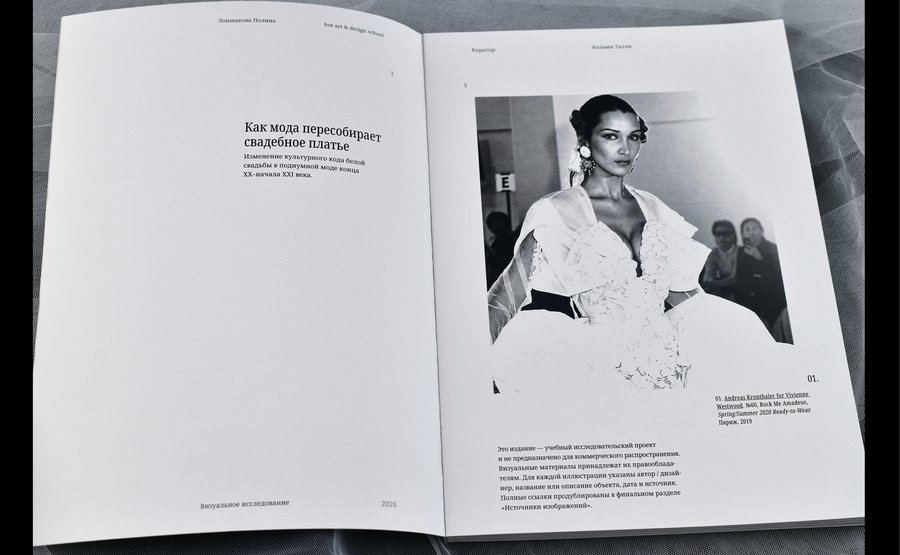

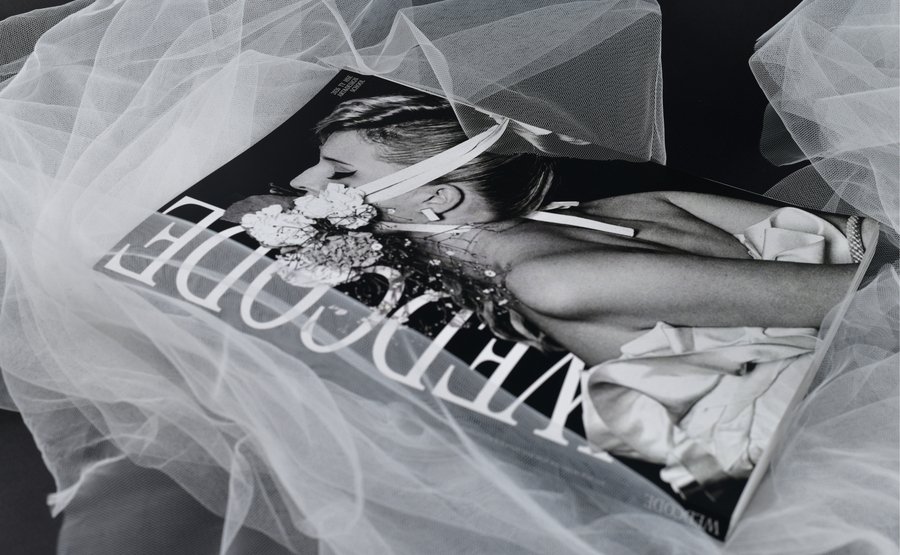
The visual exploration is dedicated to the evolution of the wedding dress and its role in culture and fashion. Through historical examples and iconic designer collections, it examines how the wedding gown has transformed from a symbol of tradition into a tool of artistic expression.
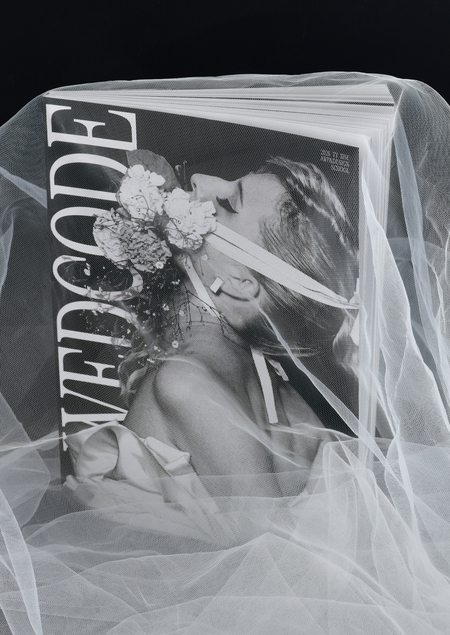
Concept
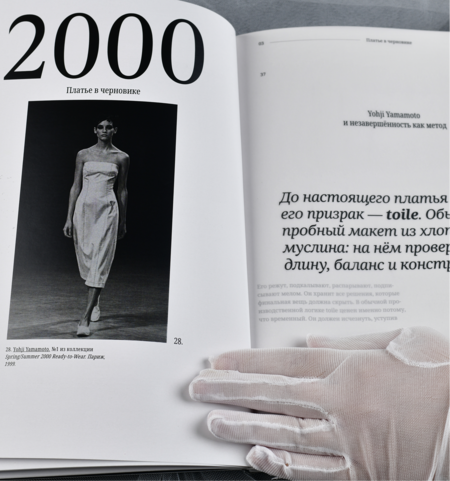
This book explores the wedding dress as a cultural code through the history of its formation and instances of reinterpretation in contemporary fashion.Each chapter is dedicated to a specific method of transforming the bridal image: the alteration of gender roles, the deconstruction of the costume, engagement with mourning, the reimagining of femininity, and the dismantling of traditional notions of beauty.The visual concept is built on the intersection of a fashion magazine and a scholarly publication. The book’s central idea is to demonstrate that tradition is not immutable—every new gesture has the potential to reassemble a familiar image and offer it a different reading.
Hypothesis
The white wedding dress is perceived as an enduring tradition, although its contemporary form has been shaped by social norms, religion, fashion, and media. Its recognizability is ensured by a set of visual codes: color, silhouette, veil, materials, and ceremonial context.
The research hypothesis is that the wedding dress does not merely reflect cultural norms but can also become a tool for their reinterpretation. By altering conventional elements of the bridal attire, designers challenge perceptions of gender, corporeality, beauty, ritual, and the very role of the bride.
Thus, the wedding dress can be viewed as a visual language whose meanings are not fixed but shift along with culture.