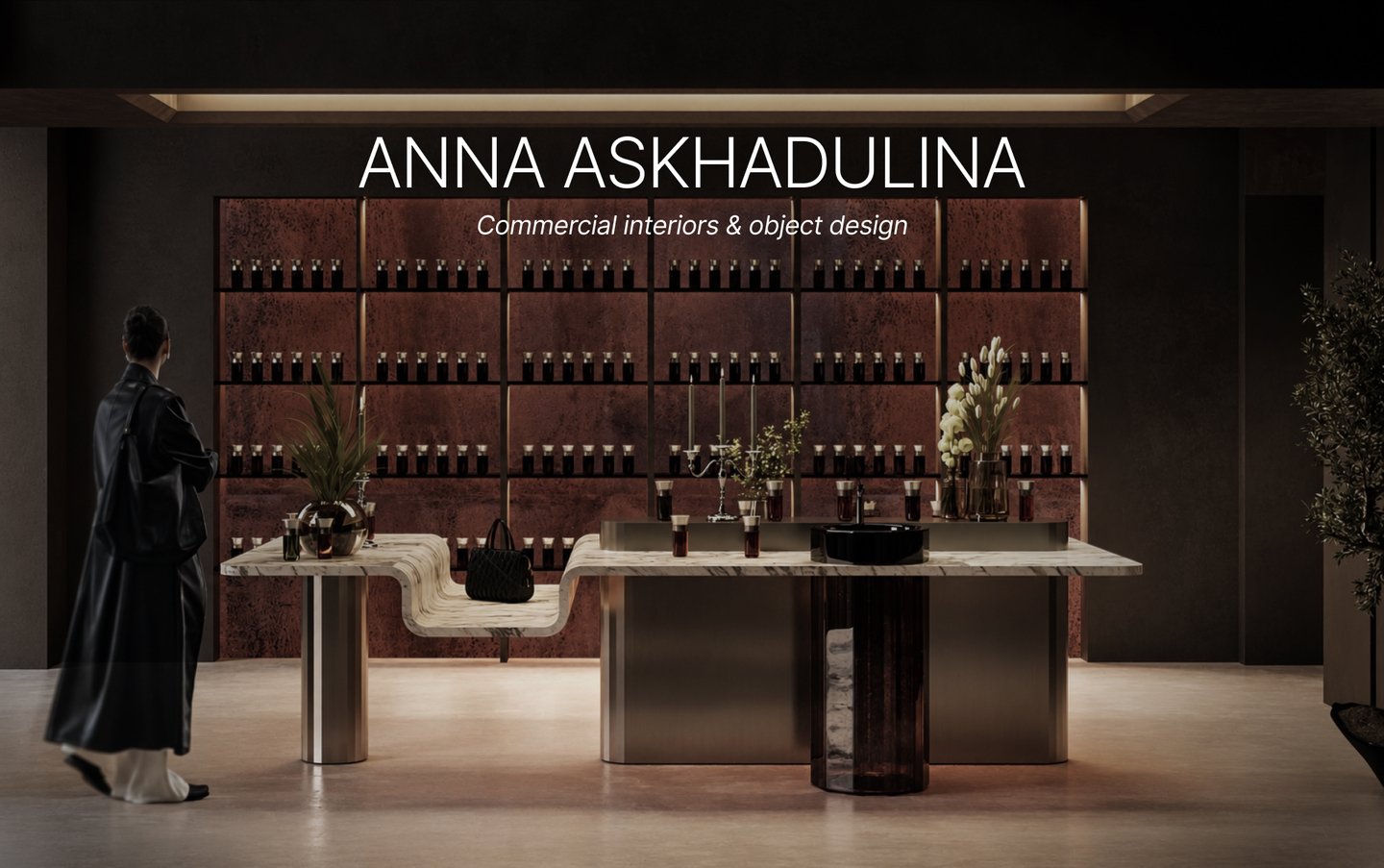
An interior can make a brand more recognisable when it is designed around a clear concept and purpose
Anna Askhadulina, Interior DesignerI create design concepts for commercial interiors, with a focus on how architecture, materials, and lighting shape the user experience of a space.My design process starts with in‑depth research and contextual analysis for each project. From this foundation, I develop the concept and bring it to life through spatial planning, zoning strategies, and detailed interior design.
A beautiful interior attracts attention. But how to make the visitor remember not only the space, but also the brand behind it?
Imagine walking into a boutique where every detail has been meticulously curated: the lighting, the premium materials, the furniture. But without its logo, would you still recognise the brand of the boutique?Often, interiors impress with their polish but fail to embody the brand’s true identity. Without the signage, such a space could belong to almost any luxury label.
What people remember most is how a place makes them feel
When a space creates an emotional connection, visitors are more likely
to remember it and want to come back
Liquides Imaginaires
How can architecture capture the character of a fragrance?
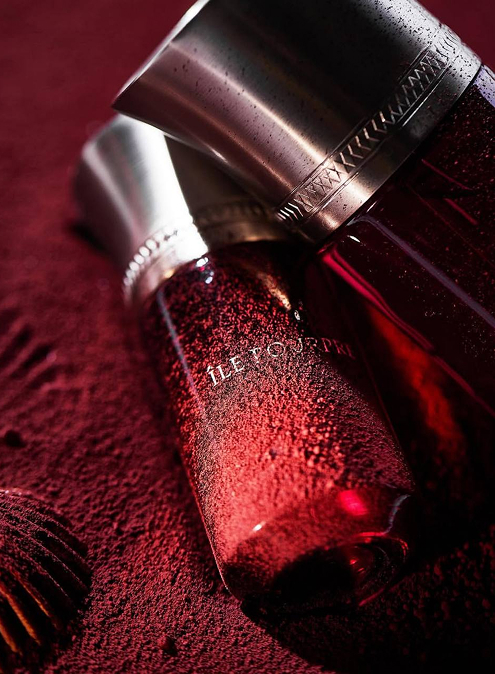
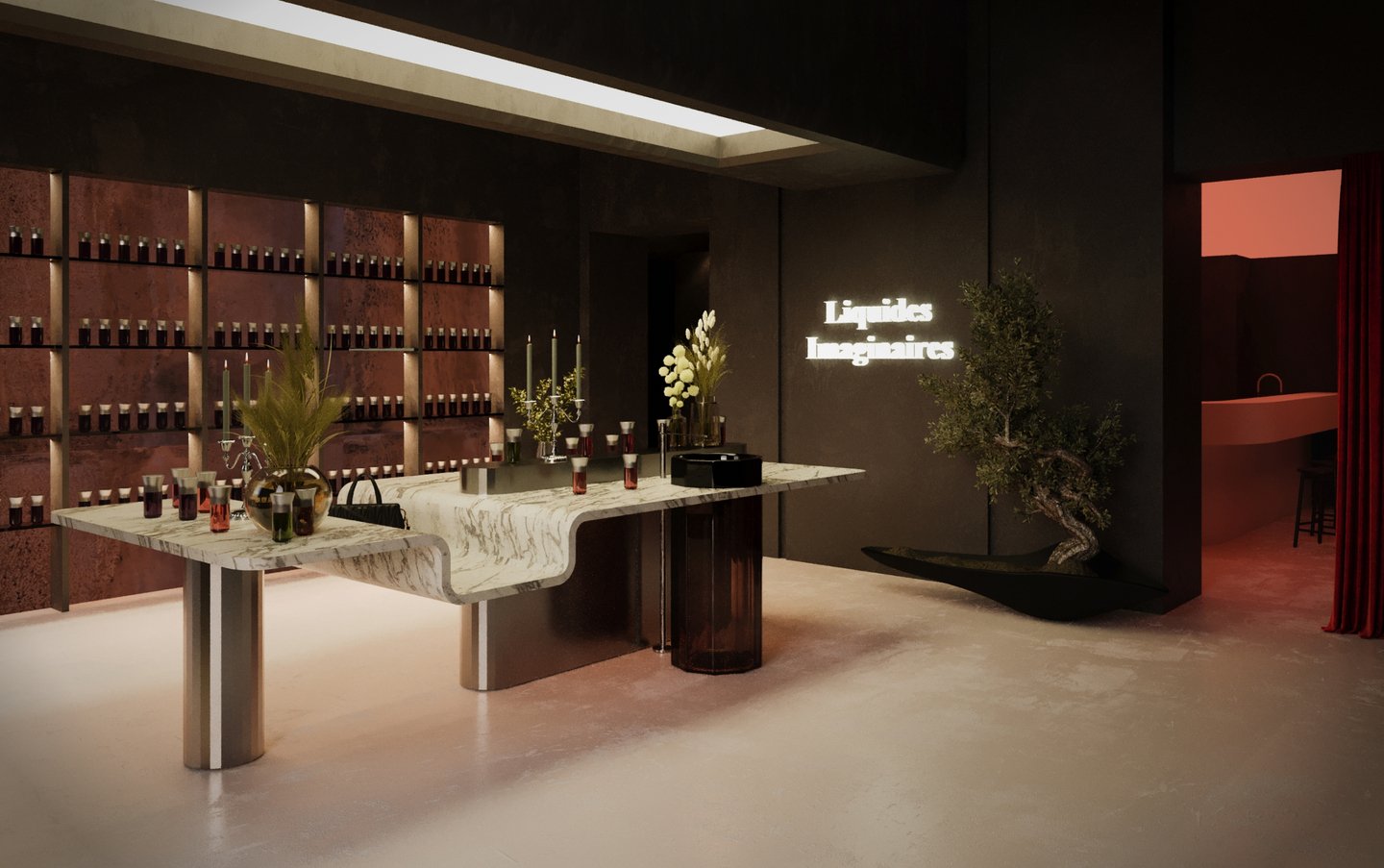
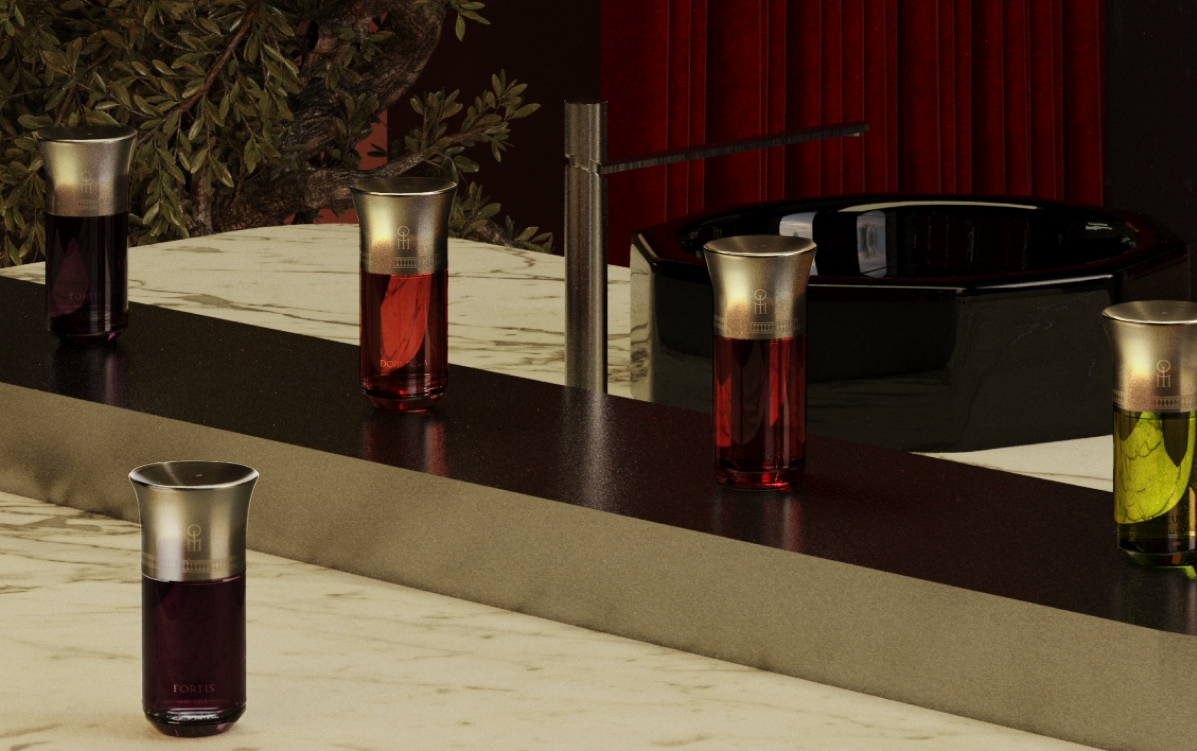
Liquides Imaginaires is a French perfume brand inspired by rituals, symbolism and the personal experience of fragrance. The design challenge is to translate the intangible qualities of perfume into spatial form and create an environment where discovering a fragrance transcends a traditional retail experience.
Research. Exploring the brand’s visual identity
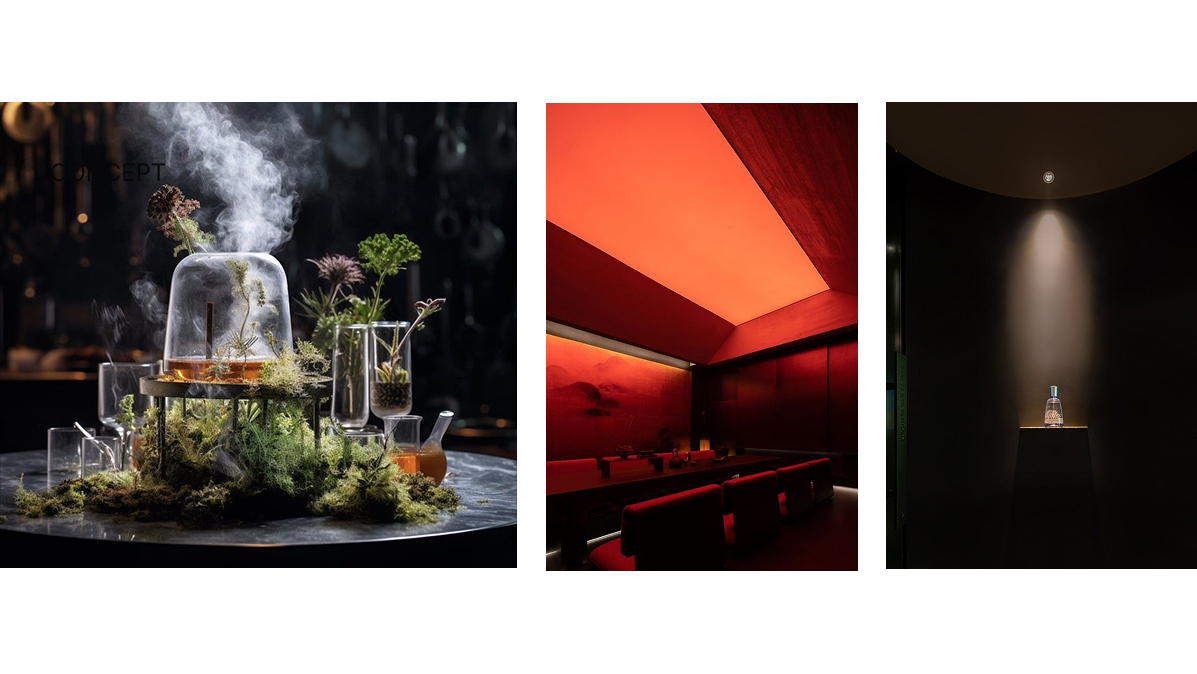
Designing for a brand is much more than matching the style or choosing the right colours. It is about capturing the spirit behind the brand—its ideas, its cultural roots, the invisible threads that shape its identity.For this project, the concept is based on four key themes: sacred spaces, mystery, the elements of nature and ritual.
Understanding the audience is as critical as understanding the brand itself: it defines expectations, behaviour patterns, and the way people engage with the productLiquides Imaginaires appeals to fragrance enthusiasts who are looking for a deeply personal, non‑conventional experience. The act of discovering a scent should be framed as a meaningful ritual, not a routine purchase.The spatial design supports this by offering both open exploration zones and intimate, private settings for focused engagement.
Designing an experience around the product
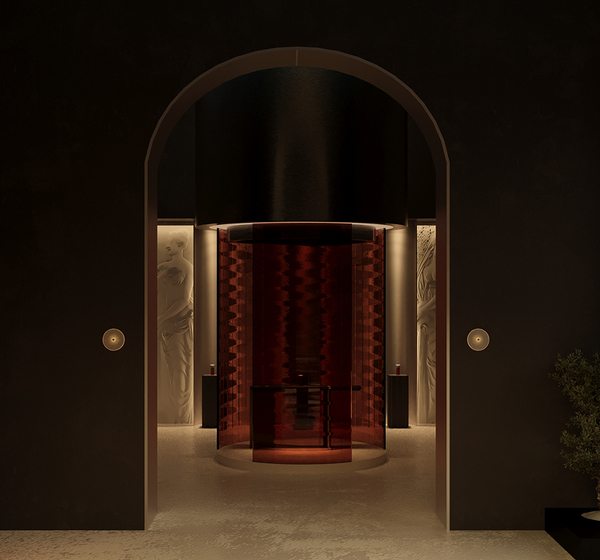
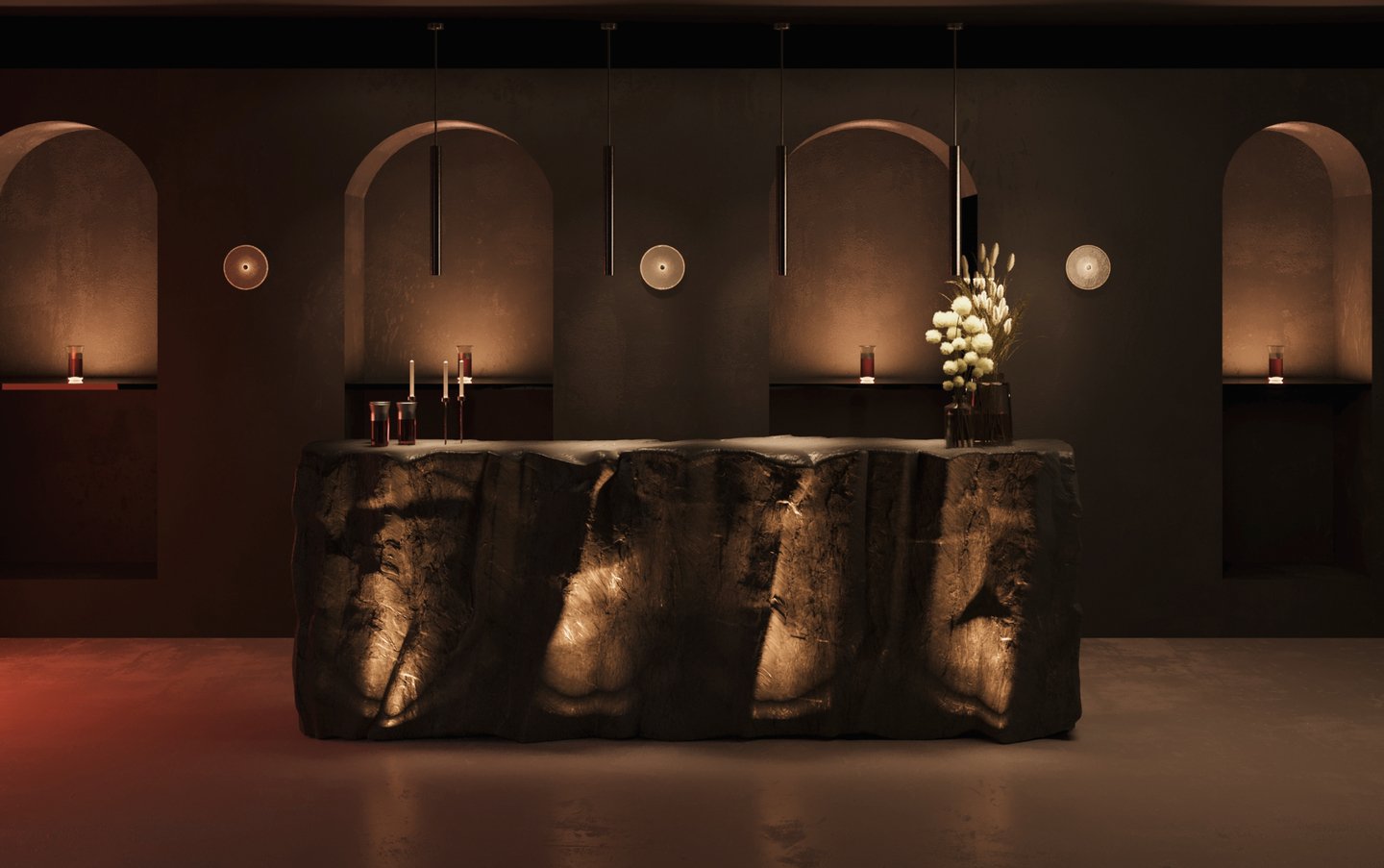
The design draws on elements of sacred architecture: arched openings, bold architectural forms, and intimate spaces. Together, these elements reflect the brand’s mysterious character and evoke a sense of ritual.At the centre of the boutique, a cylindrical glass structure takes inspiration from both a sanctuary and the form of a perfume bottle. Its translucent walls create a threshold between the visitor and the main retail area, offering a more private, focused setting.Inside this space, the focus shifts entirely to the fragrance, transforming its discovery into a deeply personal experience.
An illuminated ceiling plane above the central display directs visitors’ attention to the fragrances, establishing a primary visual and spatial anchor for the space.
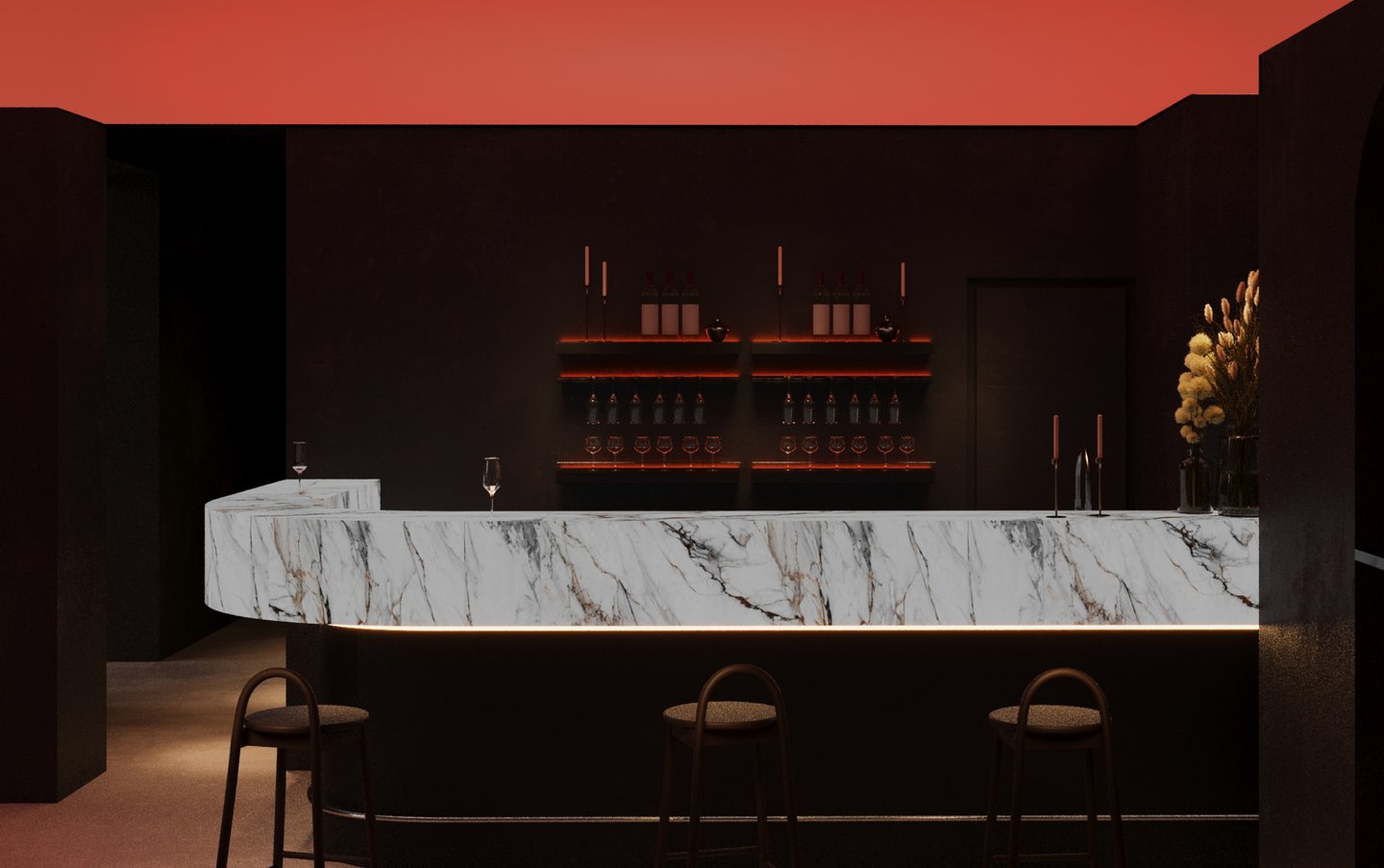
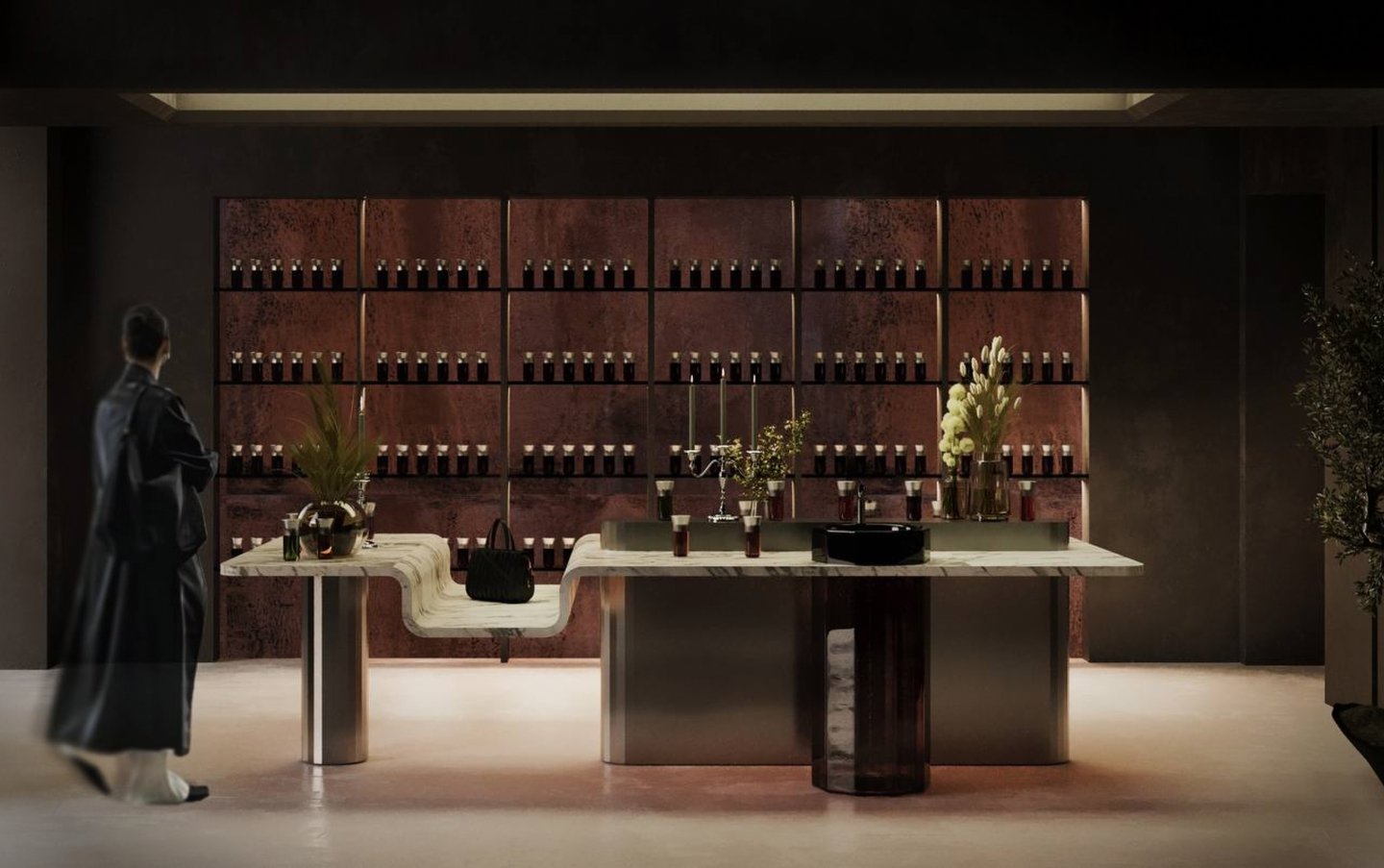
The spatial layout provides multiple pathways for engaging with the brand’s fragrances.The boutique is organised into three distinct zones: a retail space for open browsing, a private fragrance experience area for intimate discovery, and a perfume bar that extends the sensory journey.Visitors may explore the collection at their own pace, immerse themselves in a focused, private setting to engage with a scent, and then continue their experience at the bar, where the beverages are inspired by the perfume compositions.
What stays with people is the experience they have
At Liquides Imaginaires, the brand’s philosophy is woven into every moment of that experience: from exploring the collection to participating in a private fragrance ritual.
Architecture, lighting, and material selection work together to create a distinctive, memorable environment that visitors will always associate with the brand.
White Dune Hotel
How can interior design reflect the unique character of a place?
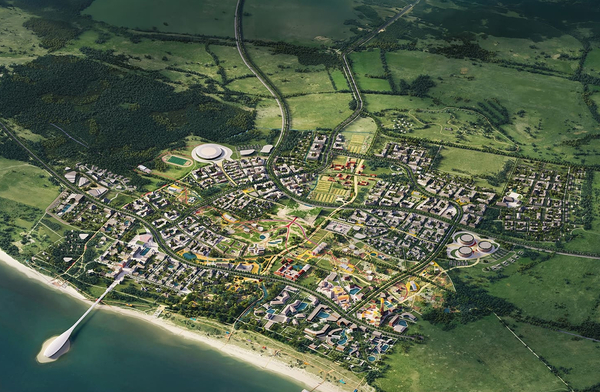
White Dune is a resort hotel project located on the Baltic coast, near Yantarny in the Kaliningrad region.The design challenge is to create an interior inspired by the region’s natural landscape, bringing its distinctive features into the architecture, materials and overall atmosphere of the hotel.
Research. Exploring the local landscape
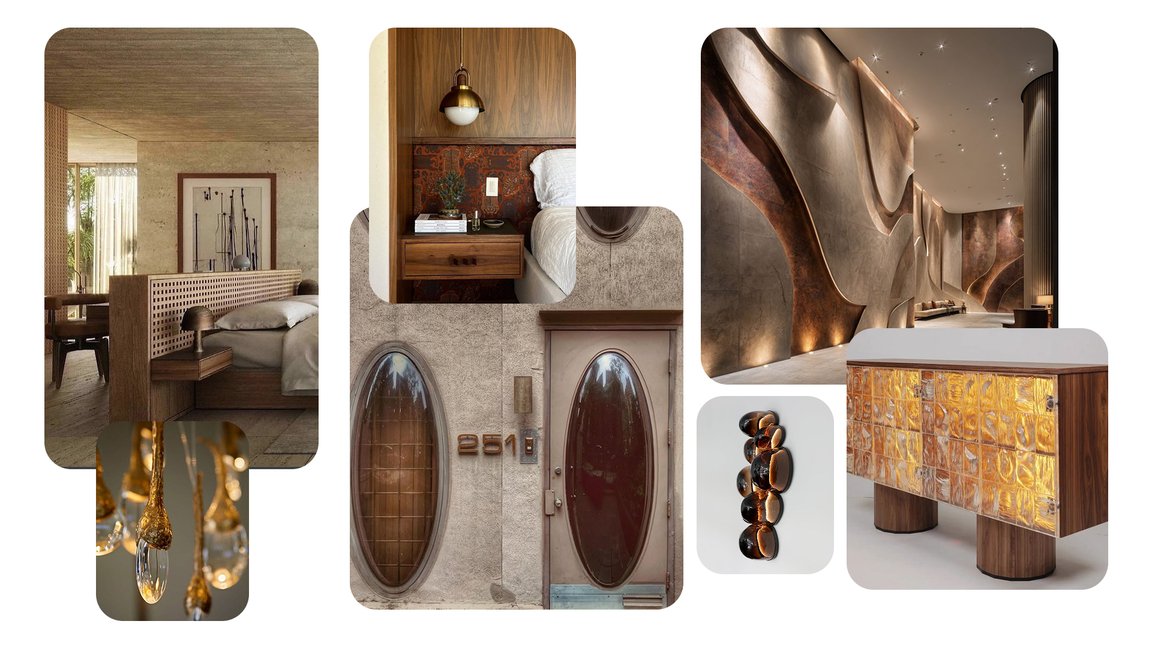
The concept is inspired by the distinctive elements of the Baltic coastline: sandy dunes, the cool hues of the sea, coastal vegetation, and amber.The contrast between the pale tones of sand, the muted natural spectrum, and the warm glow of amber informs the hotel’s colour palette and defines its visual identity.
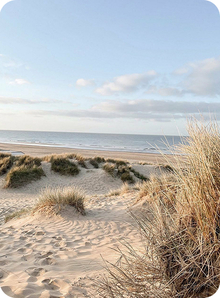

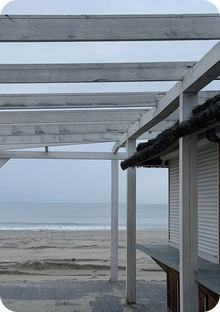

Pale travertine is used to echo the texture and colour of sand dunes, establishing a neutral, organic base for the interior.Warm metallic finishes and carefully considered lighting details introduce the rich, glowing tones of amber, creating strategic accent zones and a sense of warmth throughout the space.
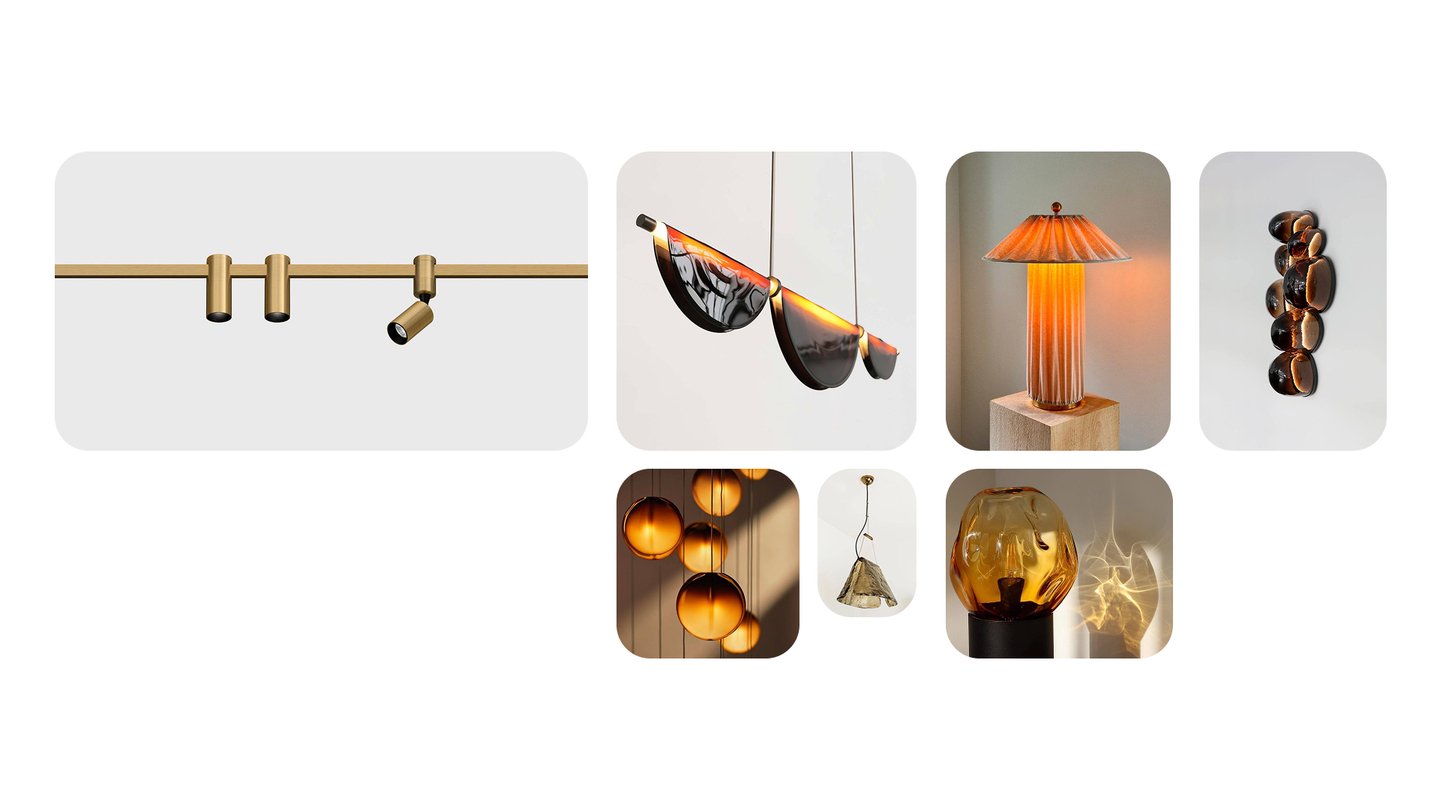
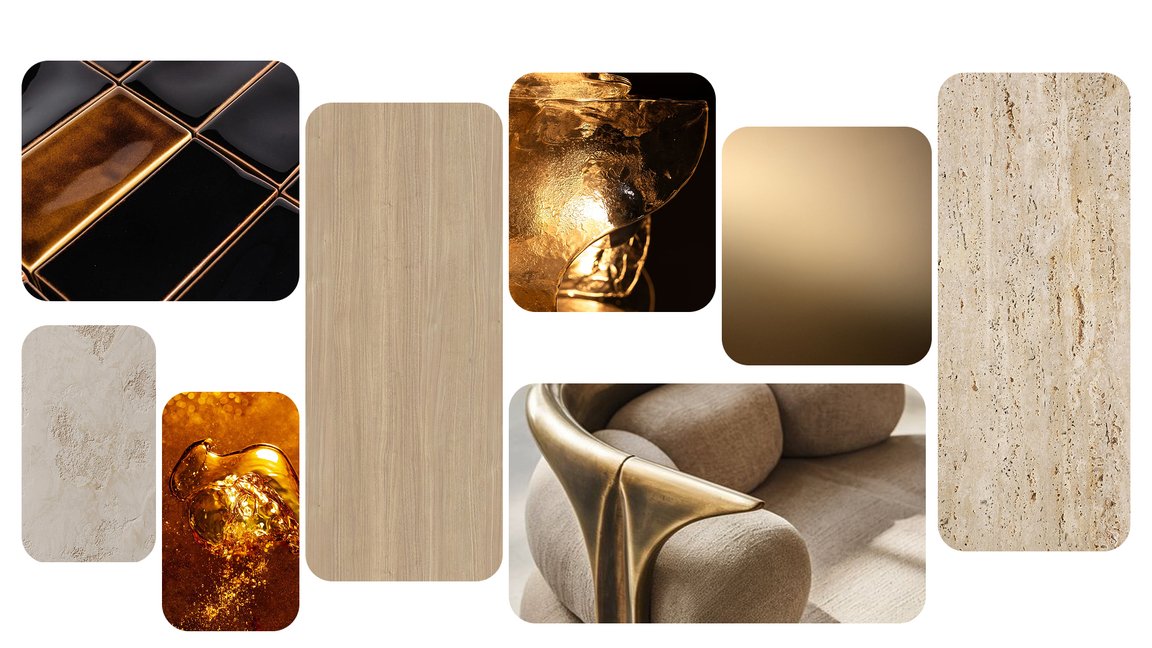
Creating a distinctive dense of place through design