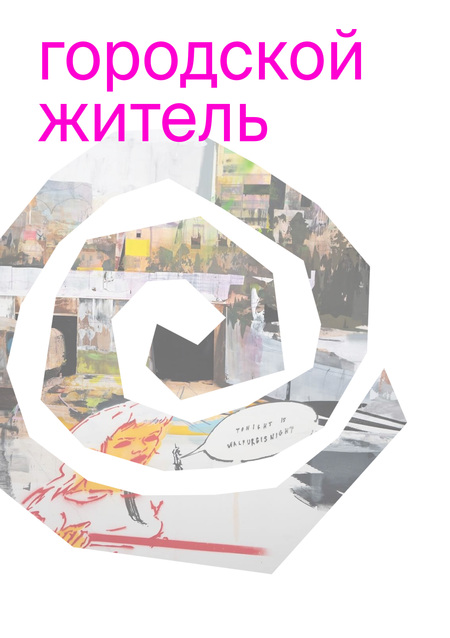
Concept
«Urban Dweller» is an intervention exhibition that explores the forms of the city’s presence in human life. The exposition guides the visitor from contemplating involuntary sensations and memories associated with the city, to «touching» its individual elements, and finally, to constructing a complex system. The final stage of the exhibition is a sort of vortex: the human-created structure turns inside out, «implanting» itself within the viewer and scattering all the «disordered» elements around.
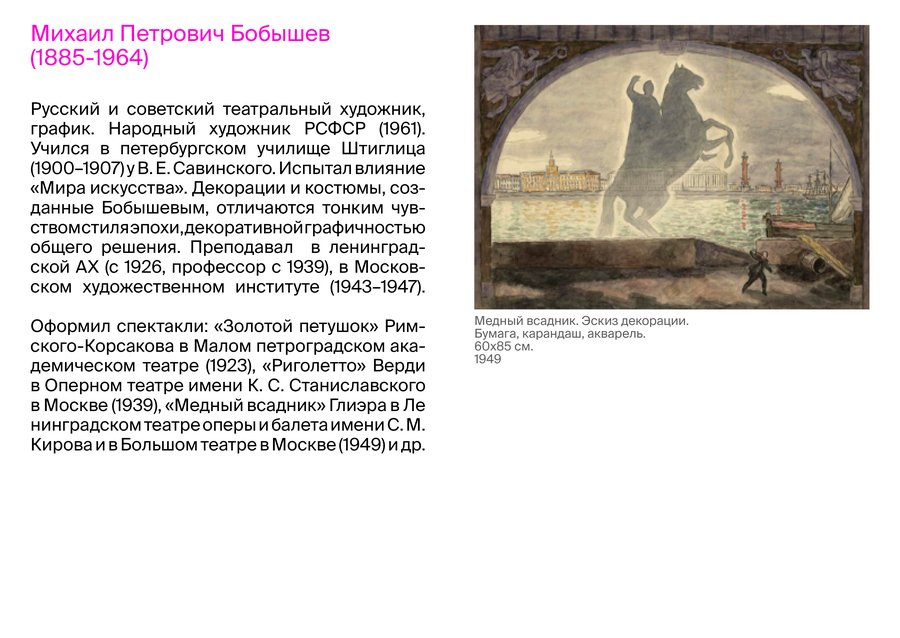
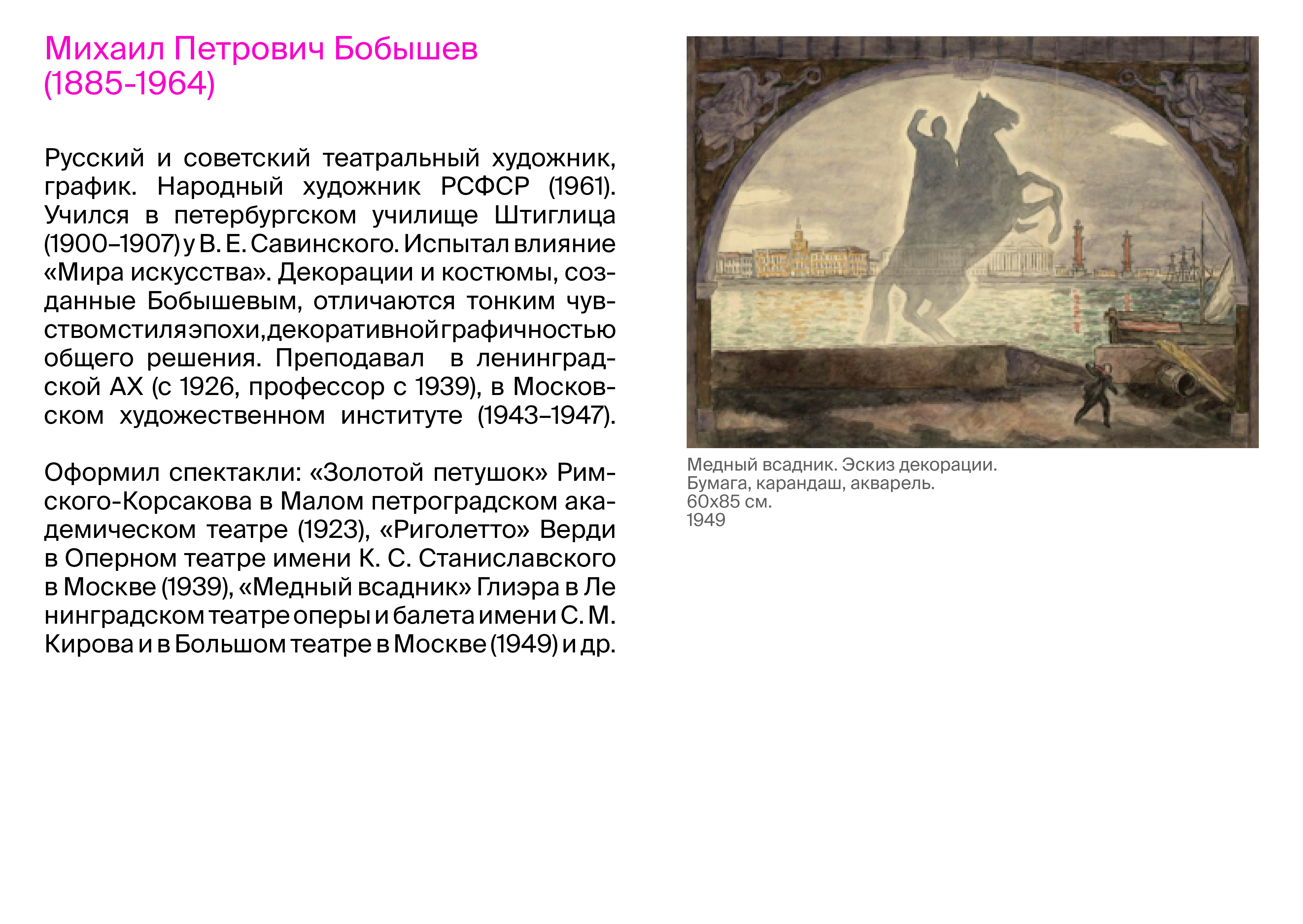
The exhibition is inspired by the poem «The Bronze Horseman.» In the image of the statue of Peter the Great, which appears in the second part of the exposition, the project’s problematic nature and structure are captured simultaneously: the city, conceived as a triumph of harmony and order, robs the individual of reason, slowly consuming them.
Space
The exhibition is located in one of the upper halls-corridors of the Bolshoi Theatre’s historic building.
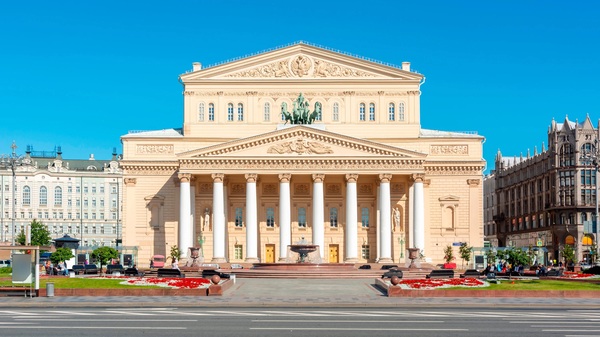
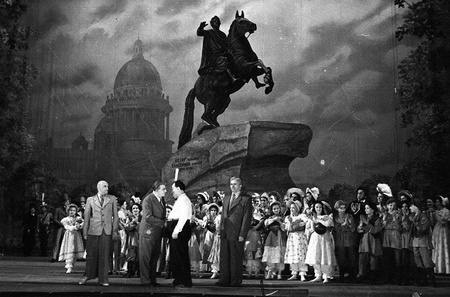
Photo of the Bolshoi Theater (2025) and the premiere of Glyer’s «The Bronze Horseman» ballet at the Bolshoi Theater (1949)
The choice of space is primarily dictated by its symbolic connection to the exhibition’s theme. In 1949, the premiere of Rostislav Zakharov’s ballet, «The Copper Horseman, ” took place at the Bolshoi Theatre; the sets for which were designed based on the sketches by M.P. Bobushev, as presented in the project.
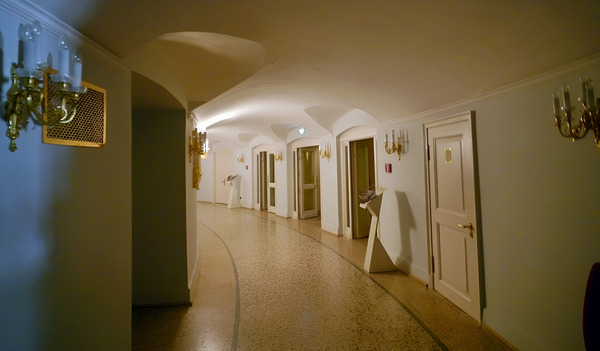
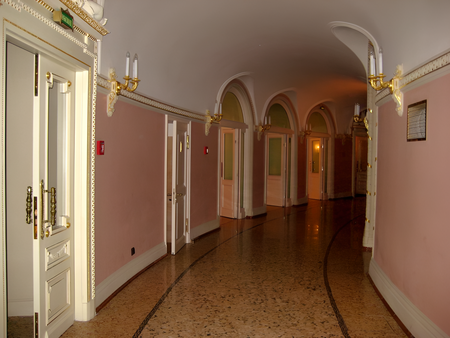
Upper Floors of the Bolshoi Theatre Hallways
On the other hand, the corridor’s form itself becomes a reflection of the compositional dramaturgy: a narrow, claustrophobic hallway, devoid of natural light sources, creates a feeling of discomfort and spirals the viewer into a manic structure.
Artists
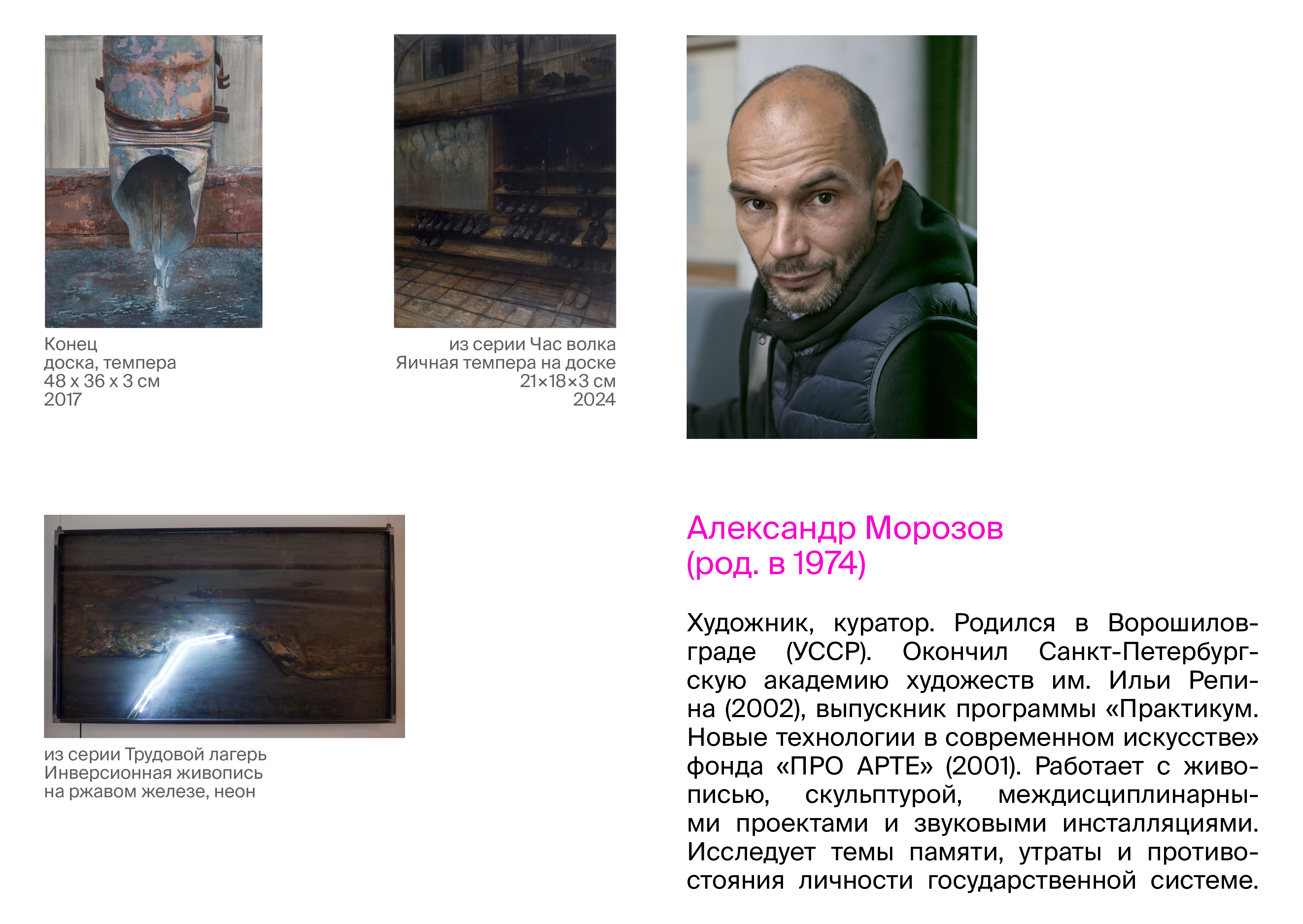
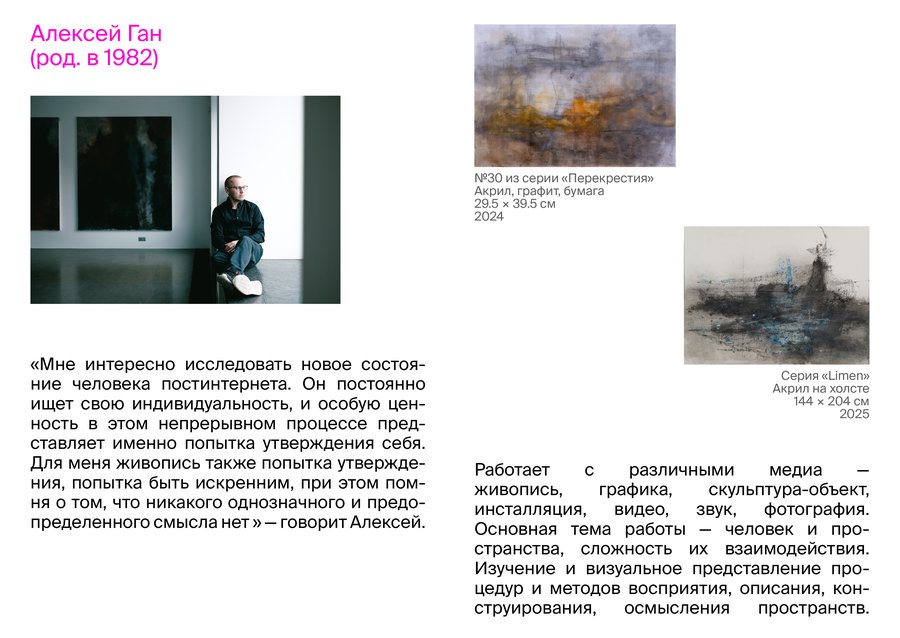
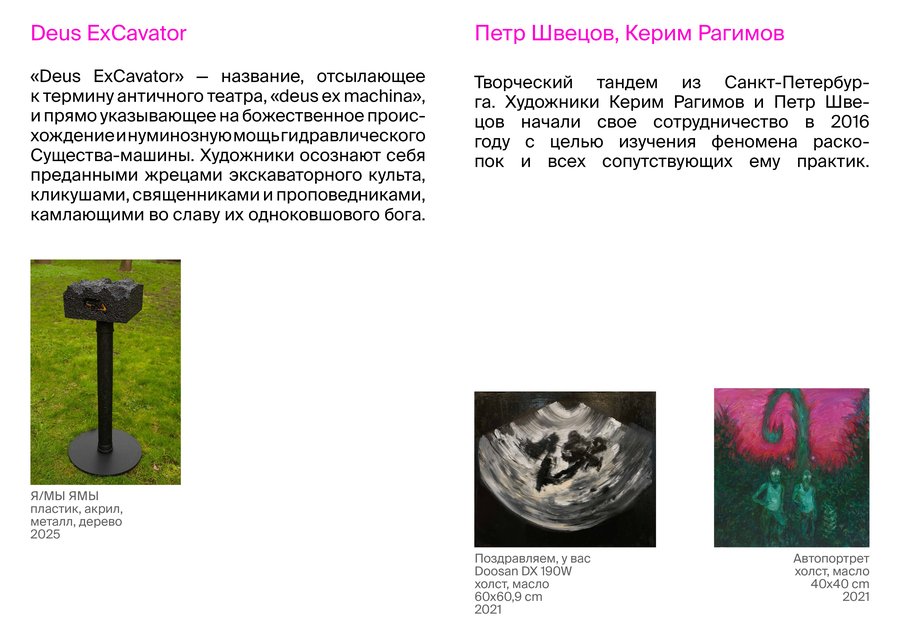
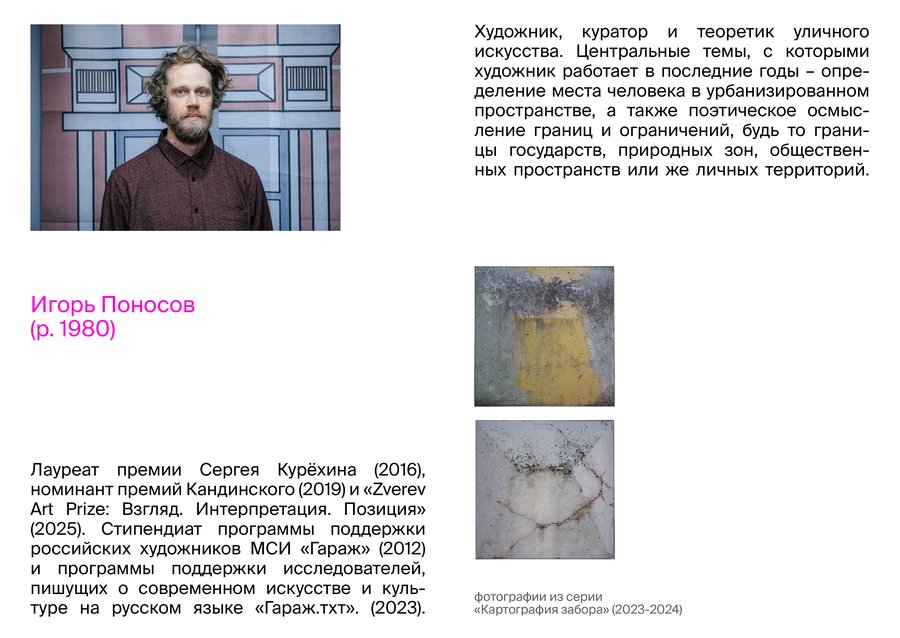
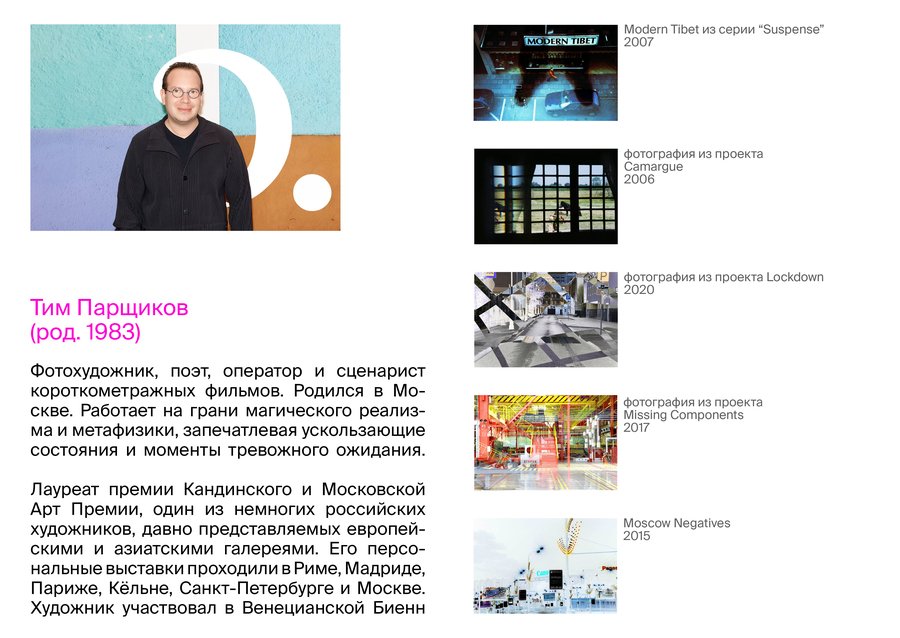
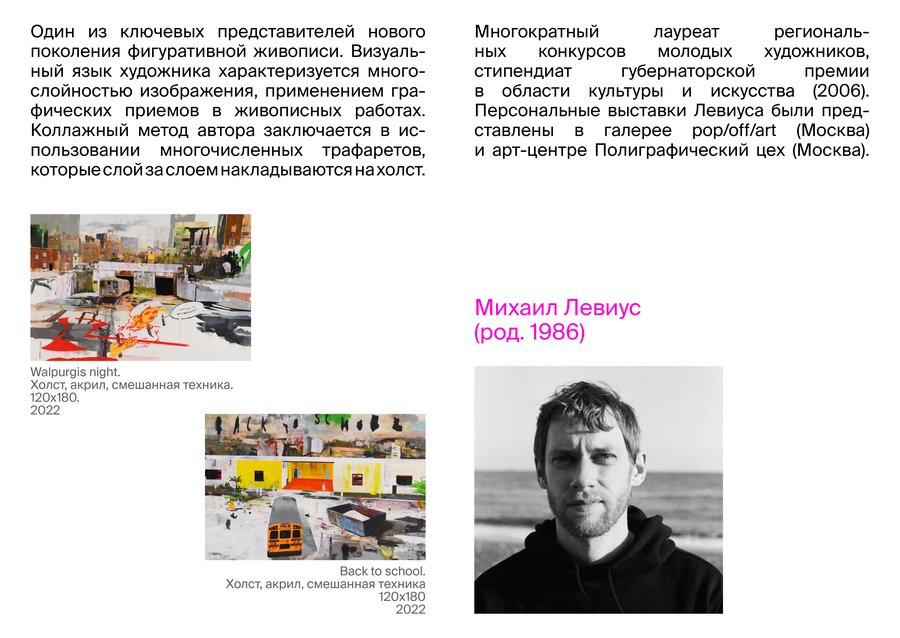
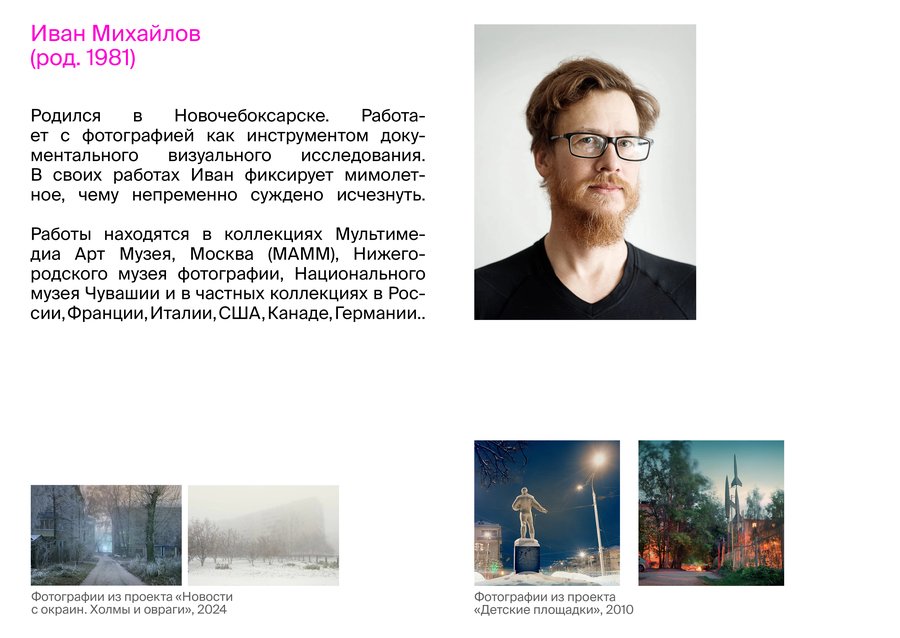
Exhibition Structure and Visualizations
What does a city mean to a person? Increasingly, young people are taking an interest in urbanism and consciously observing urban life, breaking it down into its components. The exhibition, «City Dweller, ” invites the viewer to take a step back and deconstruct the „city“ itself. The exposition is divided into three sections—“The City as an Impression, ” „The City as Tangible, ” and „The City as a System”—and features 25 works by nine artists from various disciplines. By navigating the exhibition, a visitor can define their own boundaries of the city and determine their place within it.
Exhibition Entrance
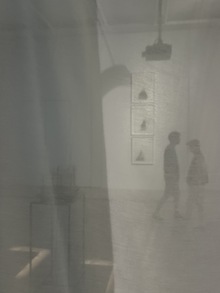
In this section, the city itself does not appear. The works gathered here can be compared to the images that a person sees and imagines in a semi-sleep state. As we open our eyes, as if surfacing, we only see the outlines of trees, asphalt, and buildings—the feeling of urban space and civilization begins to emerge, memories seep through, but the city itself remains something unnamed, its boundaries blurred.
But does the intensity of the impression depend on its accuracy?
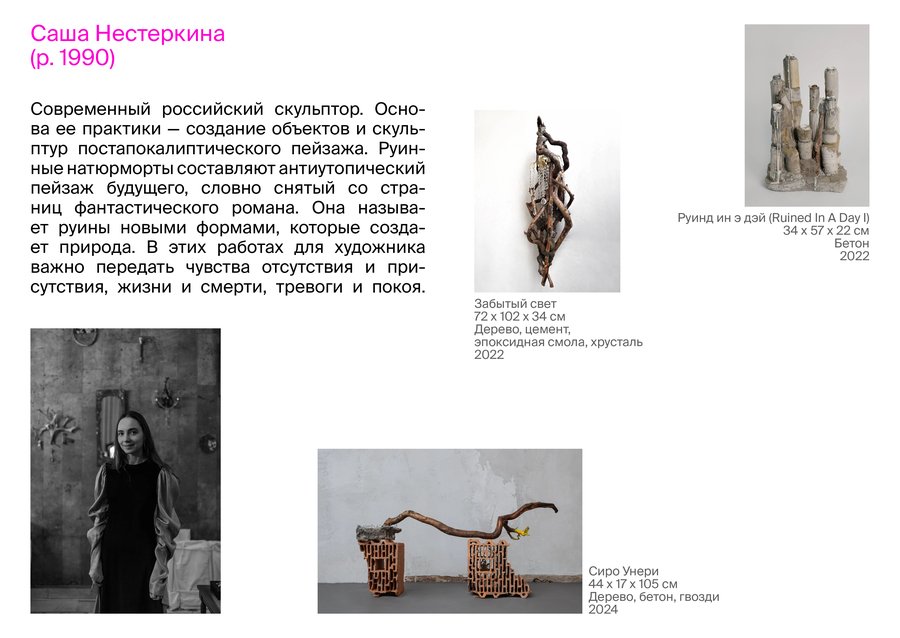
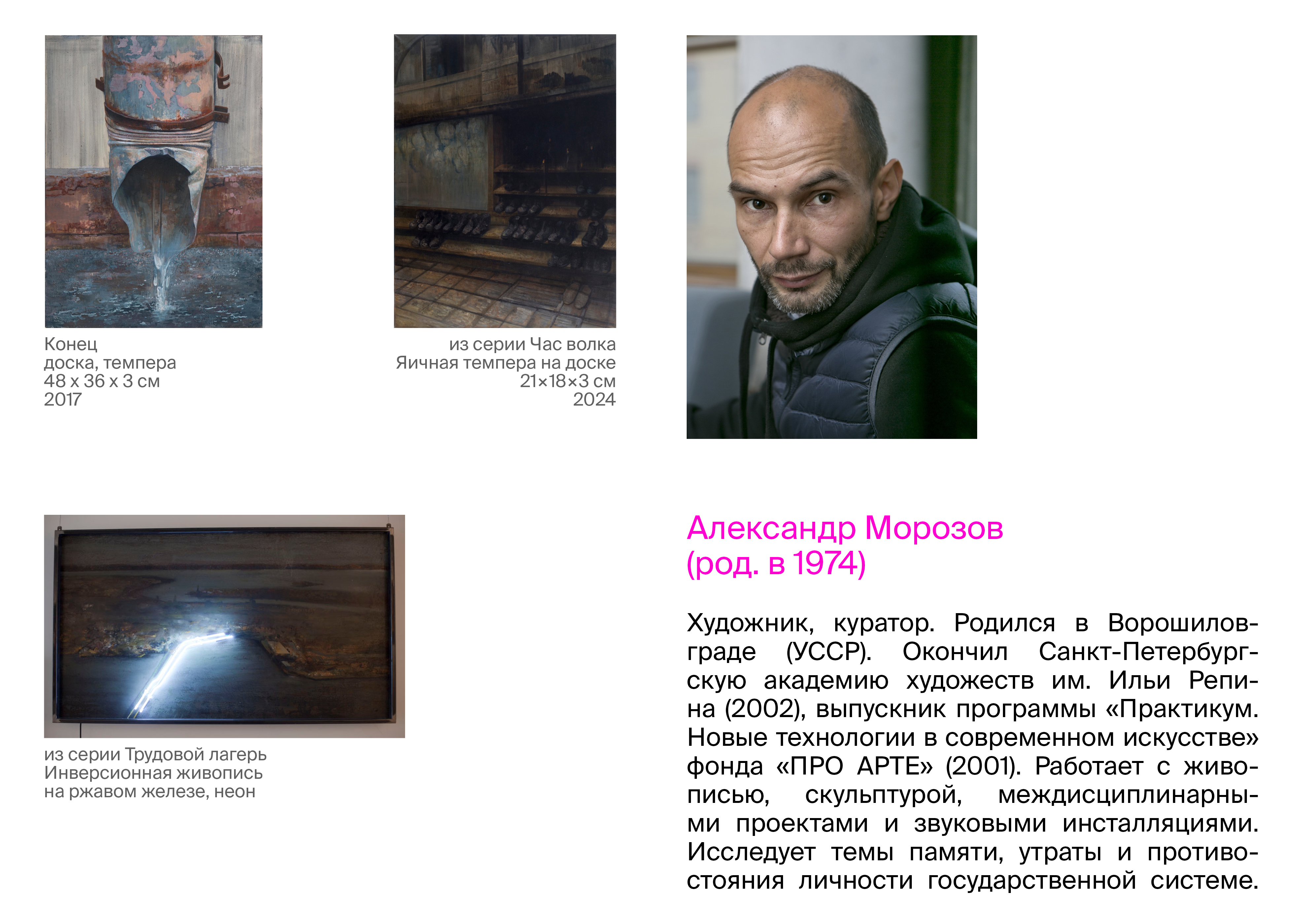
The sharpness increases, allowing us to distinguish individual elements: concrete, pipes, excavators—objects that urban dwellers see every day. By «extracting» them from their familiar surroundings, you begin to notice how unnatural they are, how they do not resemble a natural habitat. Where wetlands once flowed, spires and bridges now stand. It is likely that this is why modern artists are tending to explore the relationship between the biological and the technical, the industrial—sometimes even mocking the latter. However, it is through these objects that one can «touch» the city, dismantling it piece by piece.
Finally, the city itself appears before us. Upon carefully examining the works, we can notice that the streets, factories, people, and lighting depicted within them seem slightly familiar. They are all part of a large, cohesive urban system. This section invites the viewer to observe this structure from an external perspective and to consider whether a city can exist without it. What happens if one element of the system does not align with the others?
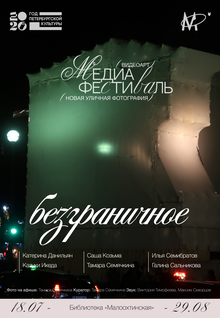
Poster Series
Catalog