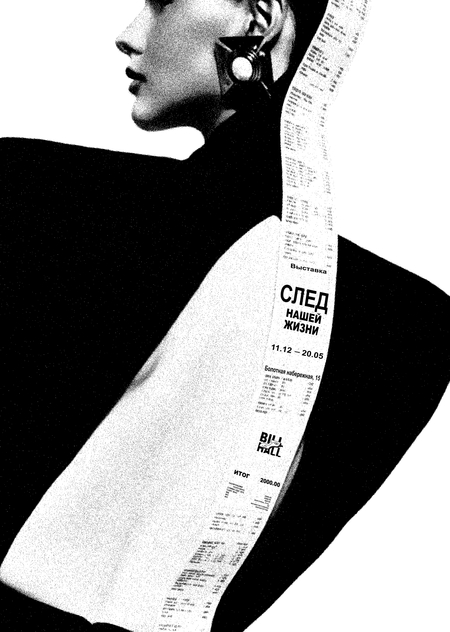

In an era where our lives increasingly become an endless stream of transactions, the receipt is the most underrated witness to our reality.
The project, «Traces of Our Lives,» materializes this invisible layer of everyday existence, transforming financial statistics into a landscape of memory. Here, a receipt is not trash, but the sole authentic document of an era through which we attempt to reassemble a disintegrating self.

I am the owner of these receipts and I want to tell you the story of this museum.
We divide visual communication into two streams, each operating within different contexts.
The «People in Receipts» series is displayed on the streets and online because the city and the internet are spaces of people and personal stories, showing how consumption shapes identity—literally becoming our second skin.
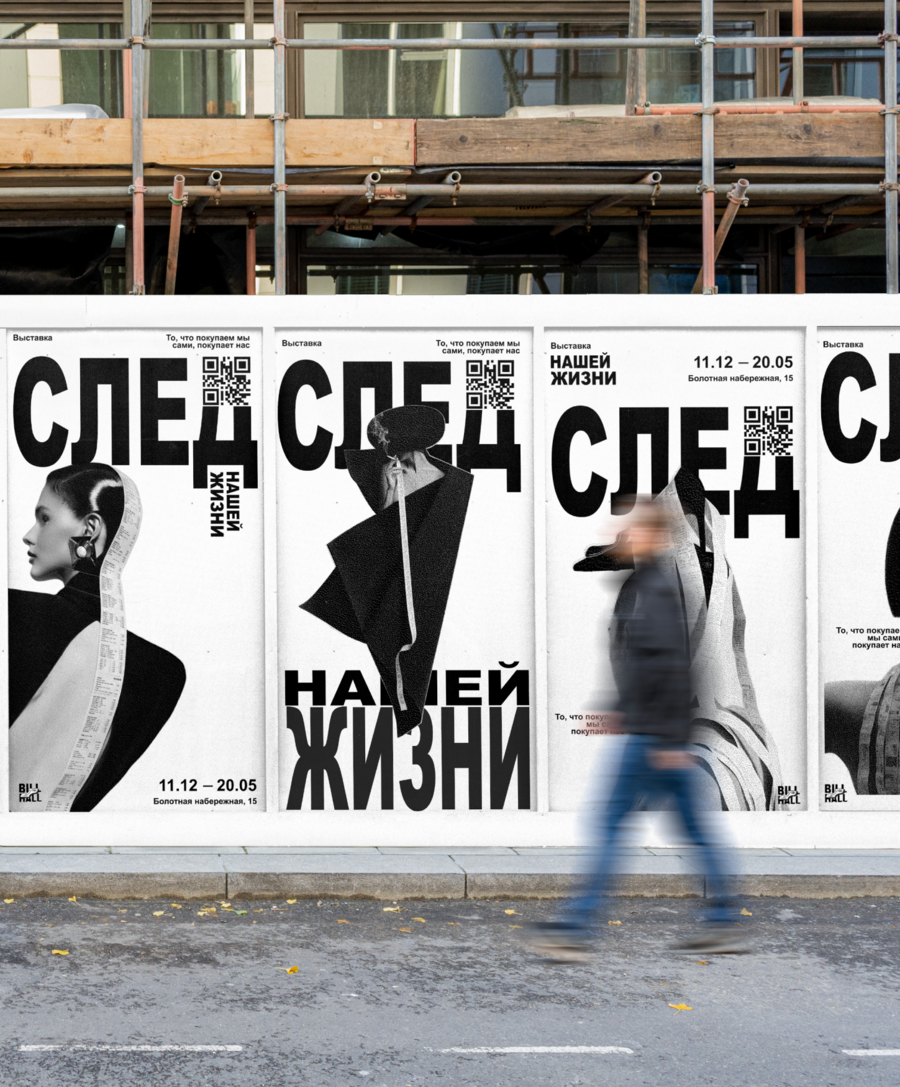
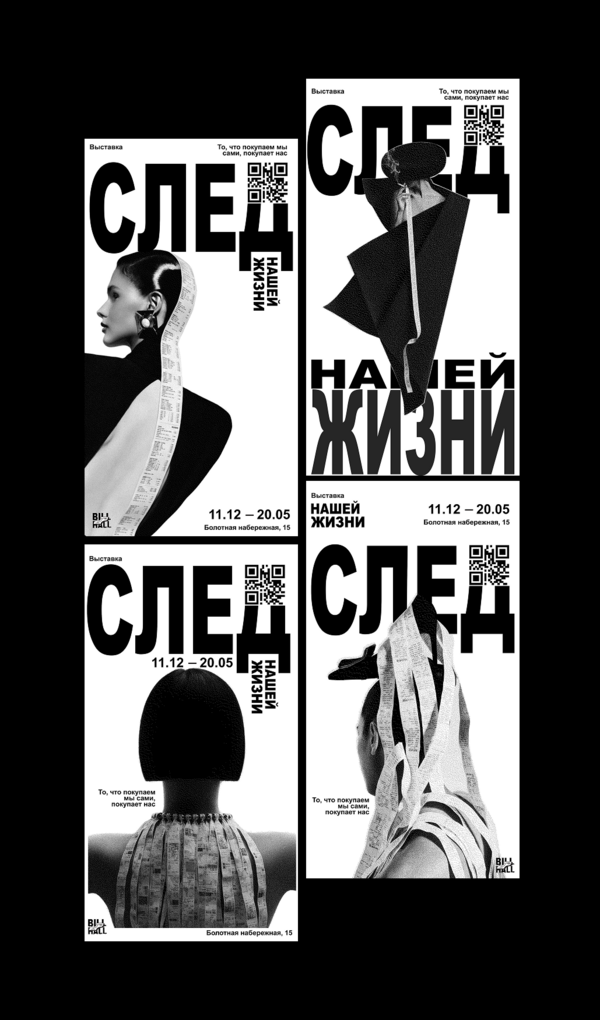
City Streets
Every city dweller consumes something every day—and generates new receipts each day.
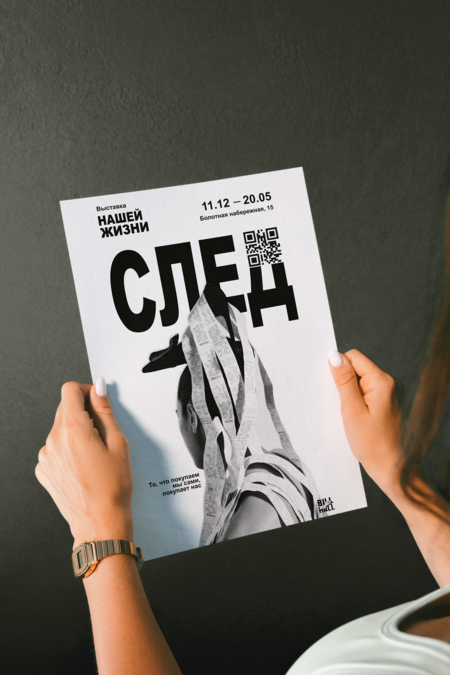
He doesn’t even notice them, although each one holds its own story—and it is these stories that we dug from oblivion and told in the museum.
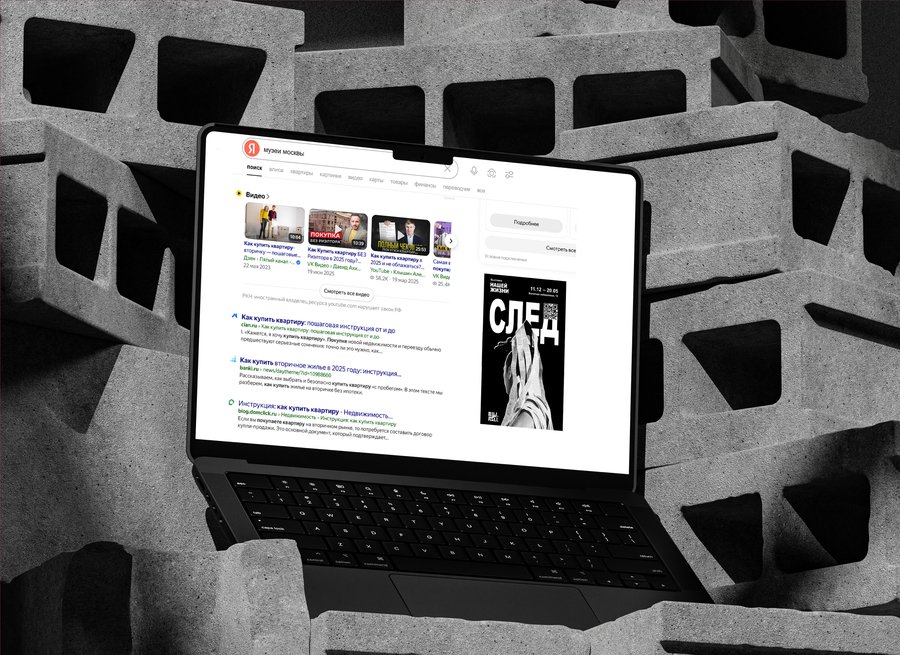
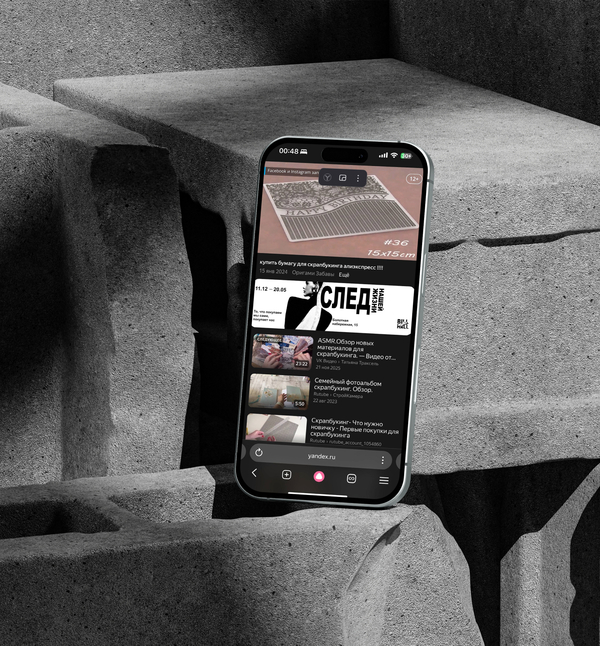
On the internet
The series featuring objects and waste, conversely, occupies subway stations and shops, as this setting suits the detached gaze of an archivist-researcher, who is documenting not human beings, but the material traces of their lives.
Ambient format: on the escalator
Interactive format in the subway
In stores—the primary place where the most transactions are generated.
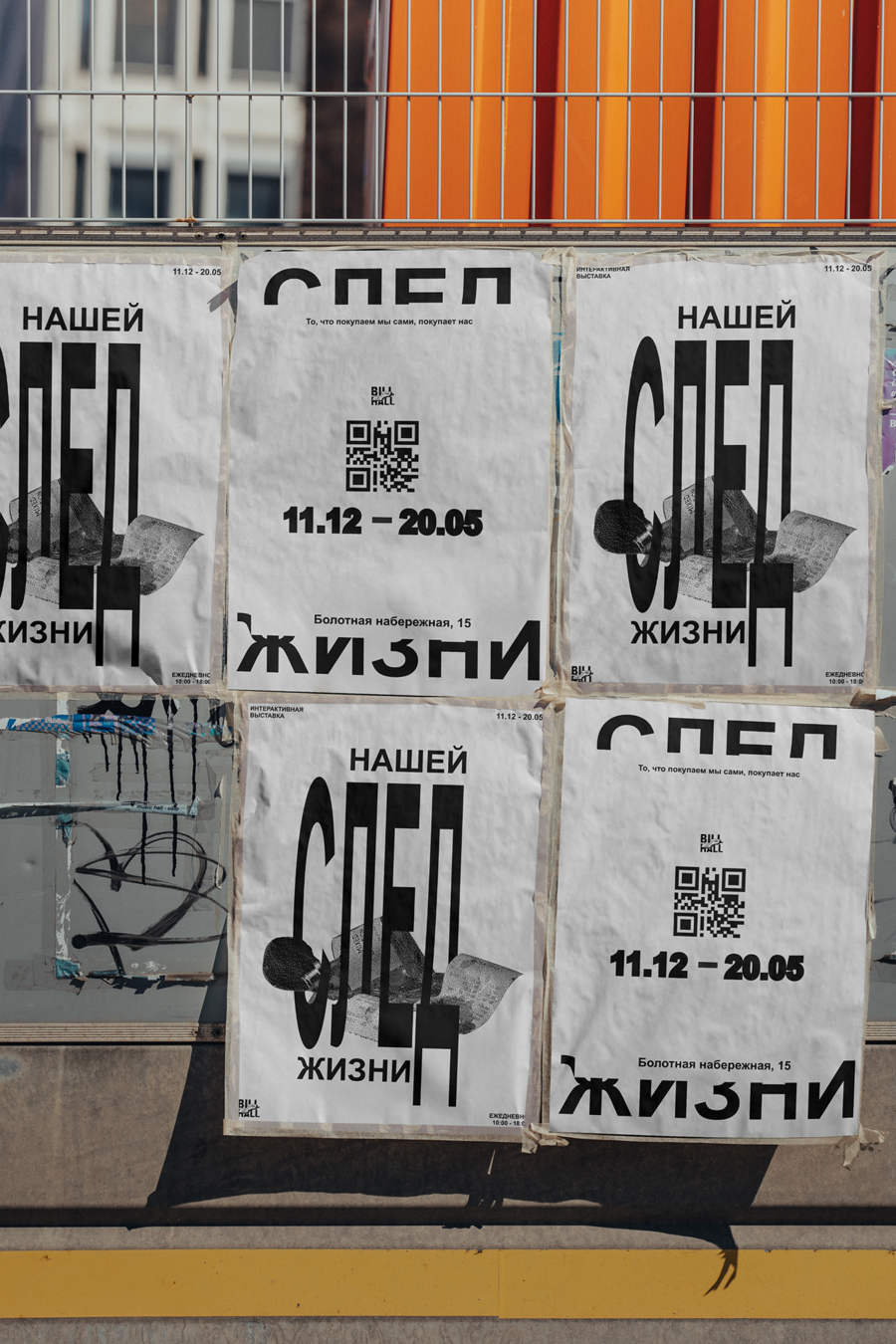
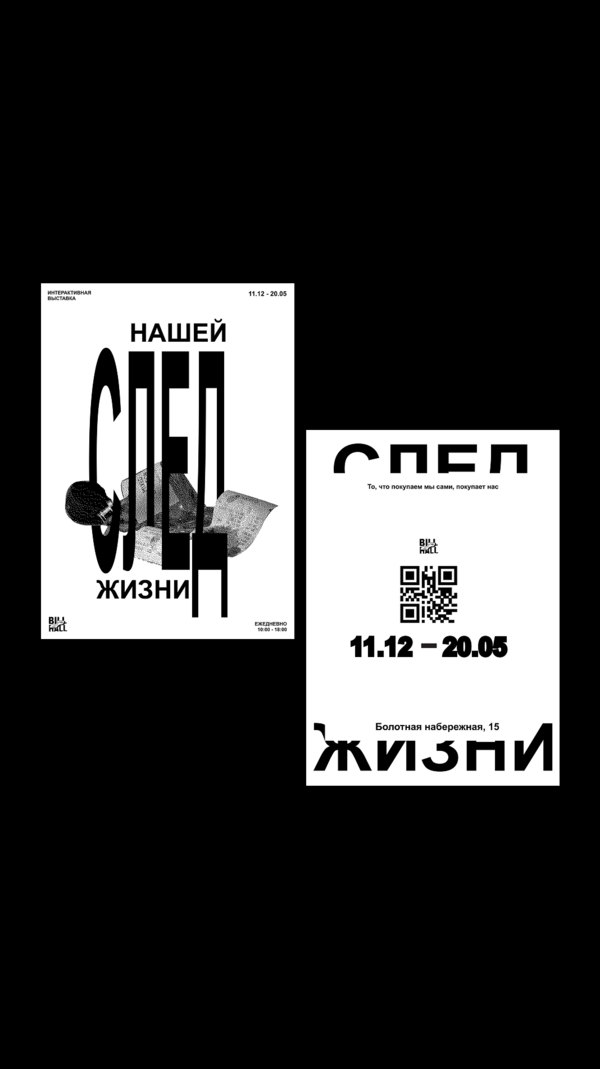
On your way into the city, don’t forget to stop by our Bill Hall Museum!
Even the smallest explorers will be able to spot the hidden QR codes that lead to a page where they can purchase tickets.
Where does this QR code lead?
He opens the museum’s website to learn more about the exhibition and discover more about the museum itself.
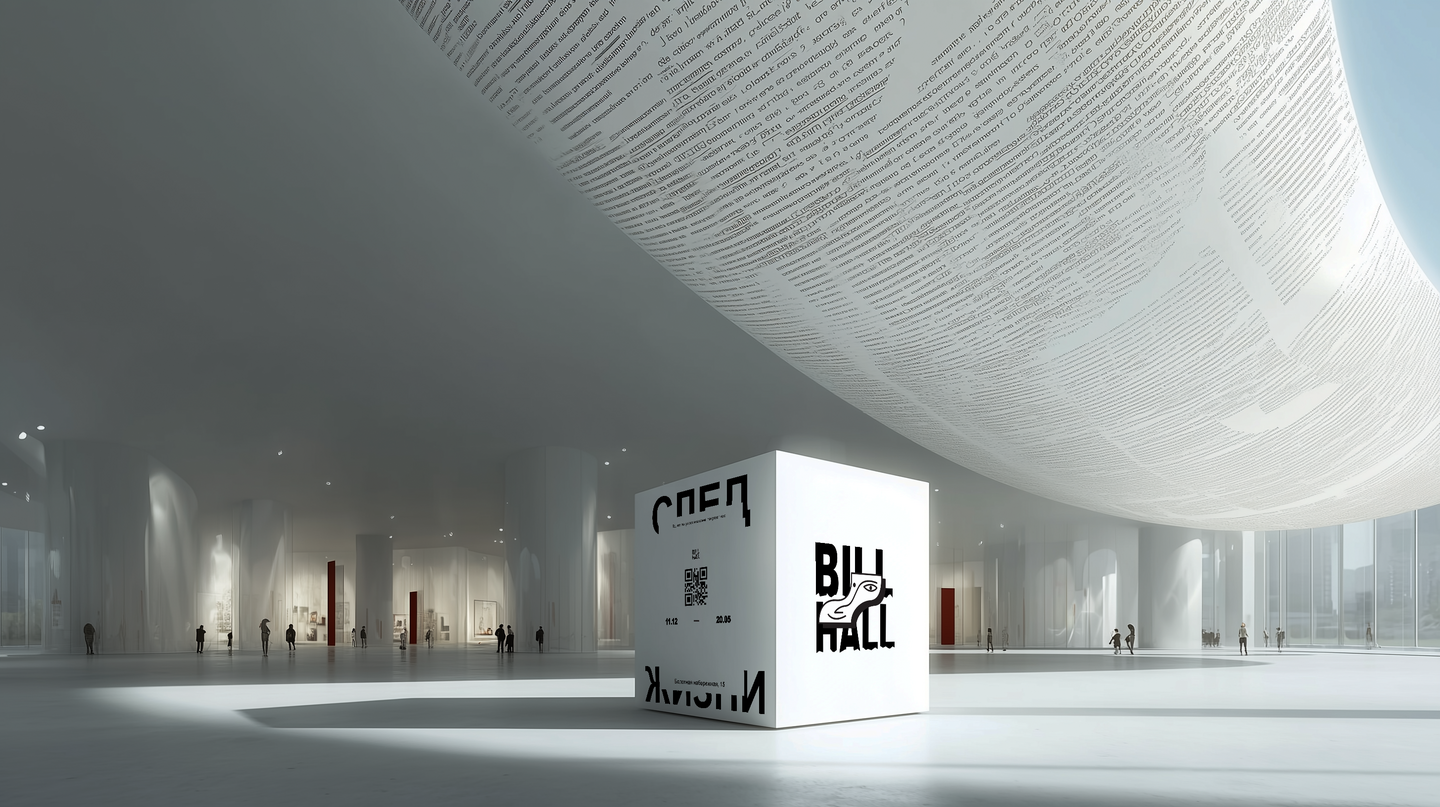
Now, we invite you to immerse yourself in the atmosphere of Bill Hall
The exhibition space is divided into seven main halls and three halls dedicated to the museum itself.