Media Goal Description
In today’s world, an emerging illustrator has access to a vast amount of work online. However, access does not equate to understanding: seeing is not the same as absorbing. Most media lacks the structure, context, and emotional hook necessary to leave a lasting impression.
The media project «Visual Tuning Fork» is an archive of illustrations designed to calibrate sight and sound: it structures the works by era and mood and accompanies them with suitable tracks.
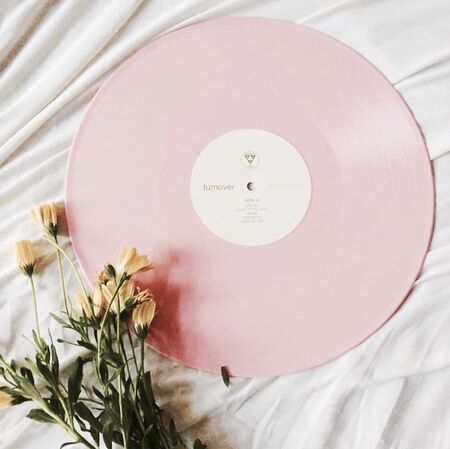
The tuning fork sets the standard pitch to which everything else is calibrated. The «Visual Tuning Fork» does the same for illustration: each piece serves as a reference point for understanding the era and mood.
The goal of the media is to make the study of illustration a conscious and emotionally engaging experience—so that a novice author doesn’t drown in a sea of references, but instead learns to see connections across eras and moods, understand techniques, and confidently develop their own visual language.
In this media archive, illustrators will be able to:
- Discover works using two navigation axes—by historical period and by emotional tone.
- Understand each piece through a curatorial commentary: context, technique, and what to learn.
- Feel the era and mood through the «illustration + music track» pairing—a unique audiovisual layer that competitors lack.
- Apply what they find in their own practice: consciously select references, develop a visual language, and overcome the fear of being derivative.
Future Media Themes
Focus: Illustration in a specific sense. This is not painting, sculpture, or architecture. It is specifically illustration: book, editorial, advertising, scientific, poster, comic, concept art. From the first engravings to today’s digital works.
Niche: Illustration as an emotional and historical experience—for beginning artists.Music as a key. Every piece has a soundtrack. It is not mere background or decoration—it is the key to perception. The track helps convey a tone that would otherwise be impossible to explain with words.
Competitors and their Analysis
Direct Competitors
Grafika.ru — a virtual graphic arts museum featuring over 43,000 engravings, drawings, and book illustrations from the 15th to 20th centuries. This massive collection features high-quality scans and is organized by era, offering legally licensed content.Public Domain Image Archive (PDIA) — a curated archive of over 10,000 public domain images. You can search by century, style, or theme, and it includes contextual articles and intuitive navigation.Illustration History (Norman Rockwell Museum) — an educational resource dedicated to the history of illustration, featuring biographies, genres, essays, and collections. It offers expert content with academic depth.Brightness Magazine — a digital publication focused on illustration, featuring interviews, process documentation, and works by contemporary artists. It delivers vibrant, timely content and generates approximately $3.5 million in revenue.None of these resources connect visuals, sound, and education. Grafika.ru offers illustrations for purchase. PDIA provides illustrations but lacks sound. Norman Rockwell provides knowledge, but it is dry. Brightness offers modernity, but without historical context.
None of them connect visuals, sound, and learning. Grafika.ru provides illustrations for purchase. PDIA provides illustrations, but without sound. Norman Rockwell provides knowledge, but it’s dull. Brightness provides modernity, but without history.
Indirect Competitors
Pinterest and Cosmos—familiar tools for finding references. Cosmos even allows you to disable AI content and saves links to the creators.Behance, Dribbble, ArtStation—portfolios and inspiration from contemporary artists.Spotify and YouTube (lo-fi, classical)—background accompaniment for work and study.Illustration history courses—systematic knowledge and expertise.
Potential Competitors
Museum platforms (Google Arts & Culture, Met, Rijksmuseum). They possess archives, licensed content, and budgets. If they integrated a musical layer and mood-based navigation—they would become direct competitors. However, this is unlikely: their focus is on art in general, not illustration for beginners.
Educational platforms (Skillbox, Bang Bang Education, Contented). They have an audience and expertise. If they developed a free archive navigator designed to feed students into their courses—that would be a powerful strategic move. But their core logic is to sell courses, not build a media entity.
AI services for artists (Midjourney, Adobe Firefly, Krea). They could incorporate a «find reference by mood» feature and automatically suggest music. This is technologically feasible. However, they lack a curatorial voice and an understanding of art history.
Music streaming services (Spotify, Apple Music). They have playlists and audio. If they introduced a visual layer with educational context—that would pose a direct threat. But their focus remains music, not illustration.
Conclusion
This media project enters an untapped niche. No one currently combines illustration, sound, and education within a single medium. Direct competitors feature visuals but do not teach. Indirect competitors capture attention but fail to provide structure. Potential users might come, but they lack a curatorial voice and a dedicated focus on beginners.
Distribution Channel
Telegram allows you to connect everything you need: images, audio, text, and links. One post—three layers of perception.The bot acts as a navigator. It transforms the channel from a simple feed into an interactive archive. For instance, if you type «Art Nouveau, ” you receive a curated collection. If you type „melancholy, ” you get something different. If you type „Art Nouveau + melancholy, ” you receive the intersection.
Target Audience Description
Character 1. Anya, 24 — «The Aspiring Beginner»
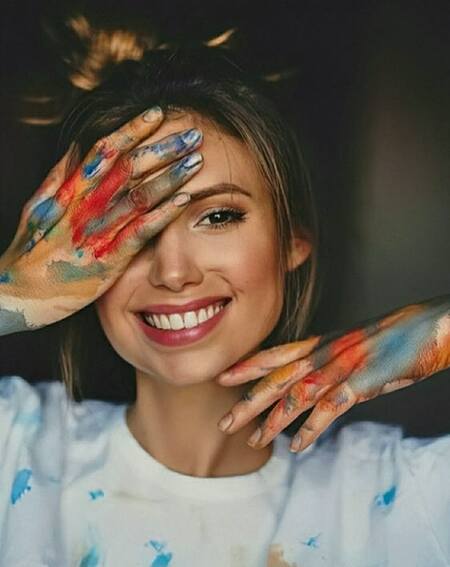
Area of Activity: Freelance Illustrator, 1–2 years of experience. Self-taught, taking on initial commissions. Pinterest is the primary tool.
Problem: Overwhelmed by visual noise. Unsure what to focus on in their work. Worries that their style is derivative.
Motivation: Wants to create work that she «isn’t embarrassed to show.» Dreams of developing a unique, recognizable personal style.
Jobs to Be Done (JTBD): «When I’m preparing for a new project and I need to convey a specific mood, I want to quickly find historical examples that have already solved that problem so I don’t reinvent the wheel, but instead learn from the masters.»
Character 2. Maxim, 31 years old — «Career Change»

Area of Expertise:
Former IT specialist, now pursuing illustration.Problem:
Courses are expensive, books take too long to read, and YouTube lectures are not retained. They feel they «don’t know enough.»Motivation:
They want to speak confidently about their own style and stop feeling like an imposter.JTBD:
«When I notice gaps in my understanding of the profession’s history, I want to fill them systematically and engagingly so I can confidently discuss my style and not feel like an imposter in the industry.»
Character 3. Dania, 19 years old — «Design Student»

Area of Focus: Studying graphic design. Illustration is part of the program.
Problem: Confuses styles. Cannot distinguish between Art Nouveau and Art Deco. Creates work that looks «similar, ” but lacks genuine understanding of the distinctions.
Motivation: Wants to submit projects that they are proud of. Dreams of truly understanding concepts instead of merely guessing.
Jobs to Be Done (JTBD): „When I need to create a project in a historical style, I want to quickly grasp its structure and how it differs from neighboring styles, so I don’t end up mixing everything into a mess.“
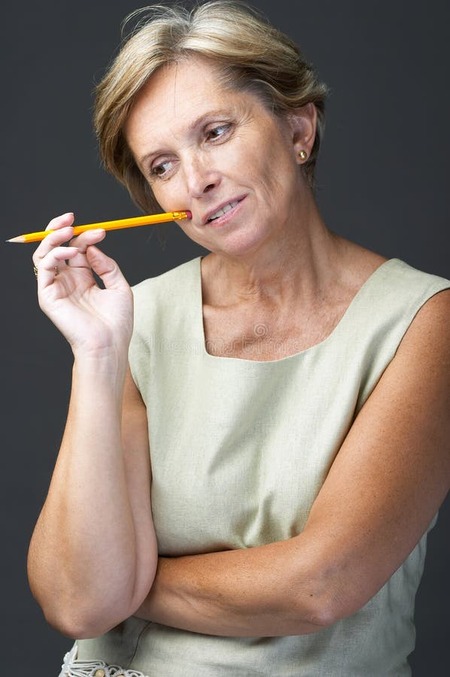
Character 4. Olga, 45 years old — «Practicing Illustrator»
Area of Expertise:
Book illustration, 12 years of experience. Seeking inspiration and new perspectives.The Problem:
She is accustomed to her style. She feels like she «is drawing the same thing.» She wants to expand her range but doesn’t know where to look.Motivation:
To move beyond her comfort zone, try something new, without losing herself.Jobs To Be Done (JTBD):
«When I get stuck in my style and want to refresh my vision, I want to find unexpected connections between different eras and moods to break out of my habits and try something new.»