Contents
I
II
IIISection 1. The Artist and Context
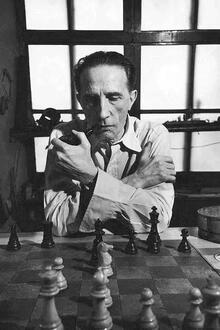
•Biography
•Design and Lighting Technologies of the 1960s: The Context of Mauroer’s Early Works
•Key Periods of Creativity and the Development of Design Practice
Works: Gulp (1969), Light Structure (1970, with Peter Hamburger), Little Black Nothing (1986)
An introduction to the designer, his professional development, and the major stages of his work. An examination of the design context and lighting technologies of the 1960s, as well as the factors that shaped Mauroer’s approach.Section 2. Light Objects
Form and Visual Image of the Fixture
Works: Bulb (1966), Lucellino (1992), Birdie (2002 and 2017), Oh Mei Ma (1993)
Materials, Structure, and Handcrafting
Works: MaMo Nouchies Series, Birdie’s Nest (2005 and 2017), Porca Miseria! (1994), Lampampe (1980), Zettel’z (1997)
Function and Artistic Expression
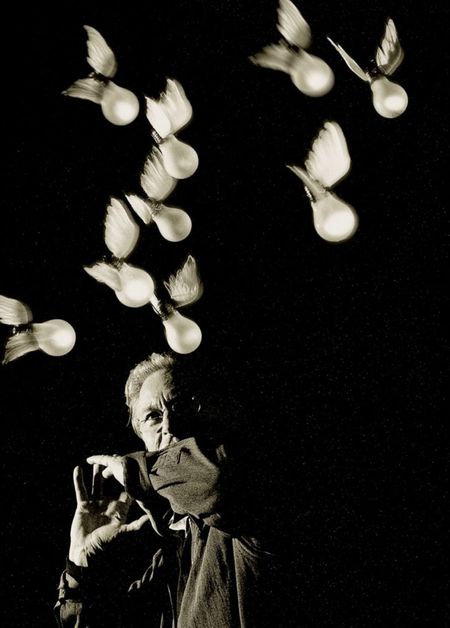
Works: Wo bist du, Edison…? , Luce Volante (2012 and 2018),
An analysis of specific Mauroer fixtures from the perspectives of form, material, structure, and visual image. An analysis of the interplay between lighting function and artistic expression.Section 3. Lighting Systems and Spatial Projects
•Organization of Light in Lighting Systems
Works: YaYaHo (1984), Lighting Concept for Seven Tram Stations in Karlsruhe (2004–2021)
•Engagement with the Environment
Works: Tableaux Chinois (2002), Torre Velasca Blu (2019), Floating Reflection (2023), Blow Me Up, Installation for Luminale (2018), Reaching for the Moon 2002
•Design and Implementation of Spatial Projects: Application of Technology and Production Organization
Works: Broken Egg, Project for Inhotim Park, Brazil (2013–2014), FLOWAIR (2024), Lighting Projects for Munich Metro Stations
Research into lighting systems and environmental and architectural projects. An analysis of light organization methods, interaction with space, as well as the role of technology and production.
Research Question
How does Inge Maurer use light, form, and material in creating her works? How does Inge Maurer work with light, form, and material to change the perception of familiar objects and surrounding space?
Hypothesis
In the work of Ingo Maurer, the expressiveness of light objects and projects is largely determined by the interplay of light, form, material, and structure. Analyzing his works will reveal artistic techniques and trace how these techniques manifest across different scales of work.
Concept
The visual study focuses on the characteristics of Ingo Maurer’s work with light. In the traditional sense, a luminaire is a functional object whose task is to provide illumination. In Ingo Maurer’s practice, this function remains, but it ceases to be the object’s sole content. Light becomes a carrier of image, emotional meaning, and a means of organizing space. Using the artist’s light objects, systems, and spatial projects as examples, the materials used, structural solutions, and methods of light organization are examined. Comparing these works will reveal the artistic techniques characteristic of Maurer and trace how they evolve depending on the task.
Section I
Section II
Section III



1