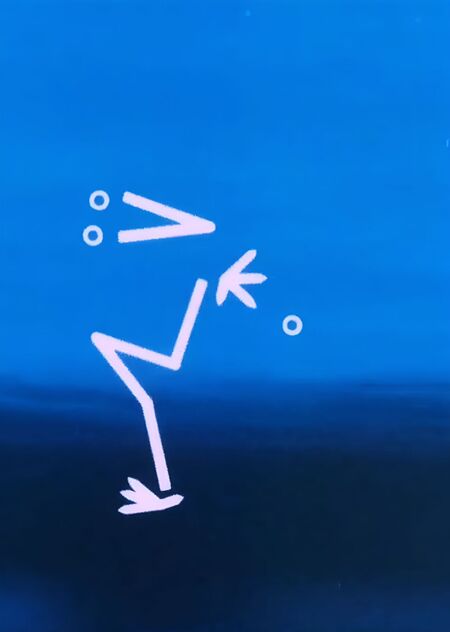
«It’s a shame that we get used to wonders. And animation is, after all, a wonder. And if an artist stops being amazed by it—that is a loss for him and for those he is meant to delight.» — Norman McLaren
Navigator:
- Introduction
- The Post-War Period
- Neighbors and Their Fractured Time (1950s)
- The Line Gains Form (1960s)
- «Synchrony» and the Animated Conclusion (1970s)
- Conclusion
Introduction
In the history of cinema, there are directors who tell stories. And then there are those who invent the language through which those stories can be told anew. Norman McLaren belongs to the latter group. But even among such creators, he stands apart: he didn’t just invent new techniques—for fifty years, he systematically dismantled the very concept of the film frame as a «window onto reality.» For him, celluloid was never transparent glass; it was a canvas, a score, a dance floor, and even the very body of the film.
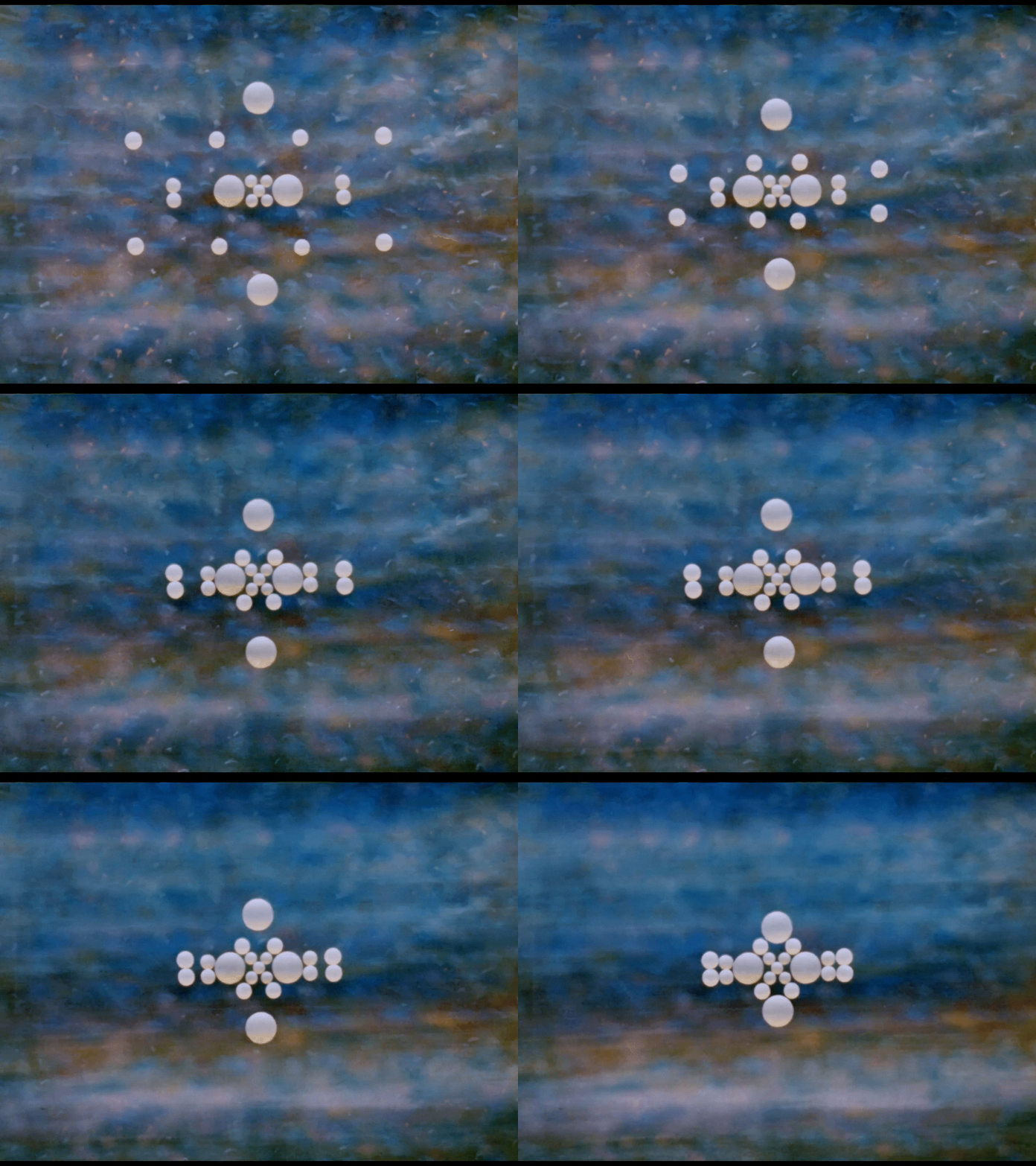
Spheres, Norman McLaren, 1969
Starting his film journey at the Glasgow School of Art, without even having a camera, he created his works by literally scraping and coloring the film. Despite this, Norman managed to become one of the most decorated film directors in Canadian cinematic history and a pioneer in both animation and film production. The lack of the primary tool did not become an obstacle for him; instead, it became the starting point for his method. However, this visual exploration is not merely a biography or a chronology of premieres—it is an attempt to see how his visual language changed from period to period and what remained constant.
«Animation is not the art of drawings that move, but the art of movements that are drawn» — Norman McLaren
Why is this perspective necessary? Because McLaren’s creativity often falls into the trap of isolated masterpieces. «Neighbors» is remembered for its anti-war pathos and pixilation, «Pas de Deux» for the beauty of balletic, «ghostly» traces, and «Synchrony» for its witty amalgamations within the rhythmic movement of sharp figures. But these works are not isolated flashes of luck—they are vibrant nodes within a unified network, where every new technique grows from the previous one, and apparent digressions actually lead deeper into McLaren’s narrative. The transition from the riotous jazz colors of the late 1940s to the minimalist lines of the 1960s, the shift toward dance figuration in the late 1960s, and finally the 1970s—when he was already telling other stories about animation and himself shifted to films featuring dance.
How does McLaren make the line breathe? How does the frame-by-frame capture of a live actor transform them into a puppet, and then into a floating sculpture in elegant motion? Why does the soundtrack in his later films become the primary visual event? The answers to these questions lie not in the plot, but in the gesture. A gesture that McLaren, sitting at the editing table or «dancing» with a ruler before the optical printer, addressed the viewer directly—bypassing words, bypassing narrative, bypassing everything except pure movement.
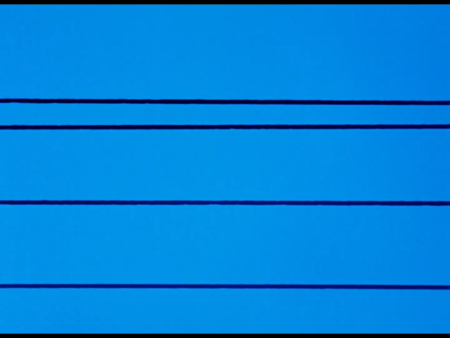
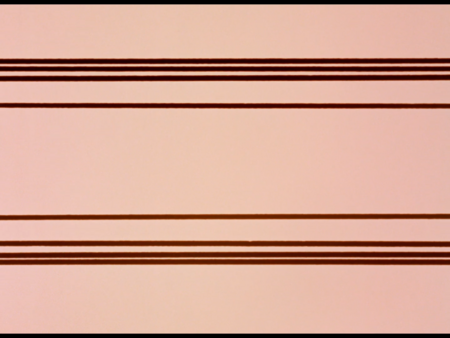
Horizontal Lines, Norman McLaren, 1962
This visual study aims to analyze the creative trajectory of Norman McLaren from the end of World War II through the end of his career as an animator. The primary goal, however, is to dissect the specificities of his visual language and understand how his presentation evolved over decades, while identifying what remained constant throughout that evolution.
The Post-War Period
In 1939, when it became clear that war was unavoidable, McLaren immigrated from Europe to the United States, where he continued his work in animation. Shortly thereafter, he moved to Canada, where, by invitation from John Grirson, he joined the National Film Centre after establishing his own studio.
It is from this point that Norman McLaren became increasingly known to the average viewer, and renowned animated films began to be created, not just within niche circles familiar with animation.
Jumper, Norman McLaren, 1946
After the war, McLaren decided to continue his work by drawing inspiration from the music-inspired works of European abstract animation filmmakers from the 1930s—abstract, moving, and morphing figures set to music.
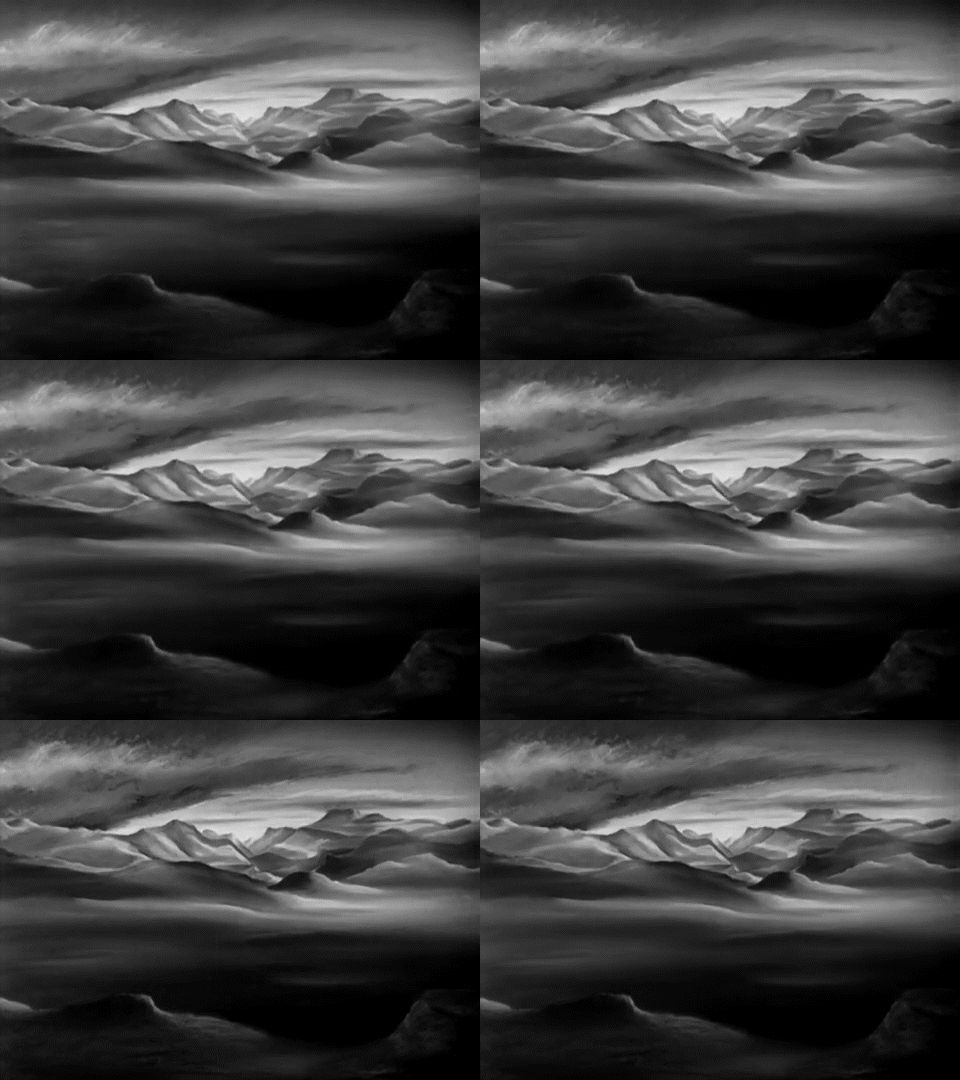
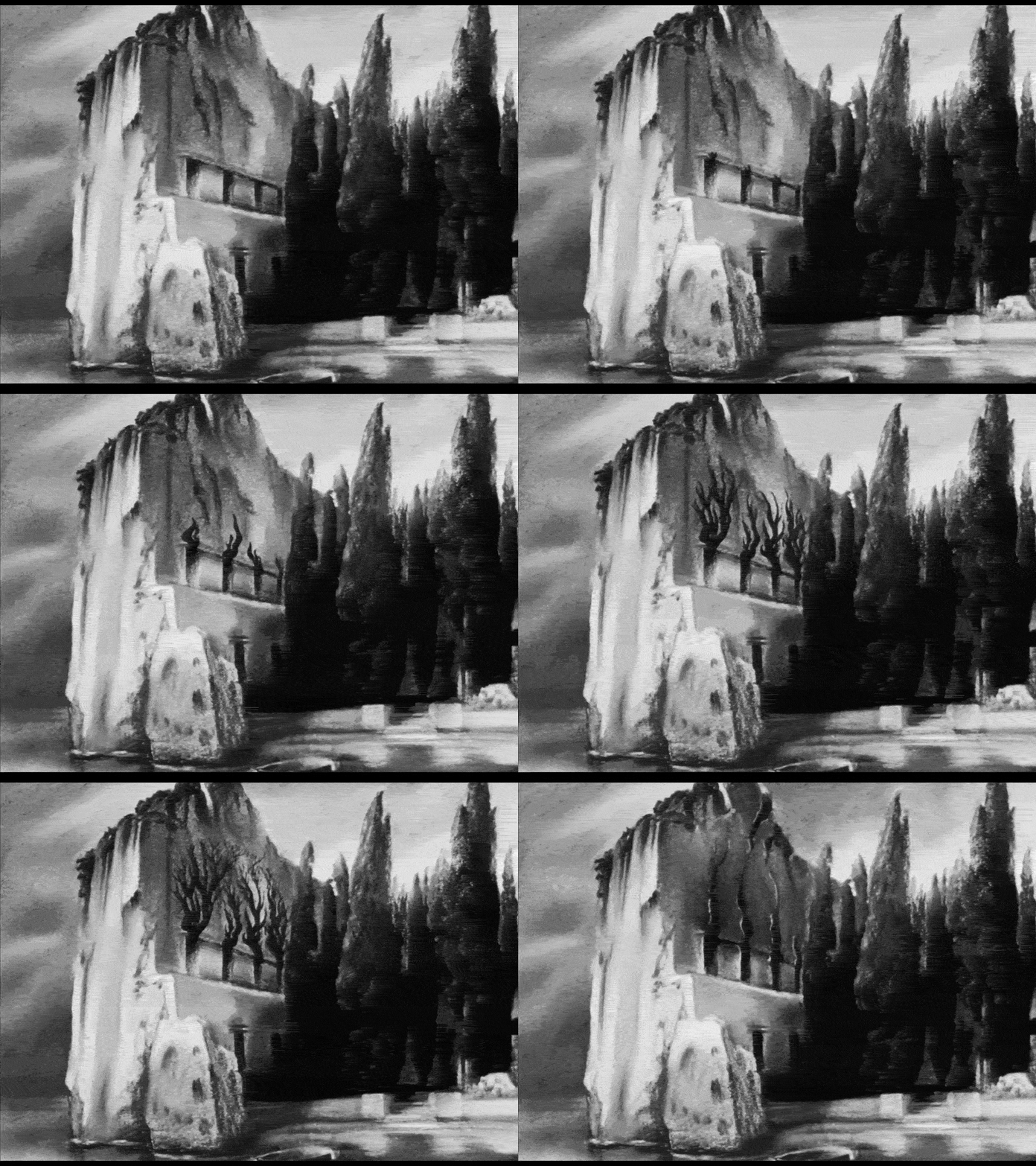
High in the Mountains, Norman McLaren, 1945 A small fantasy based on a 19th-century painting, Norman McLaren, 1946
In these works, one can see the author’s detail in many scenes—when the clouds move and thicken, a volumetric, streamlined shadow is visible on the ground and its contours.
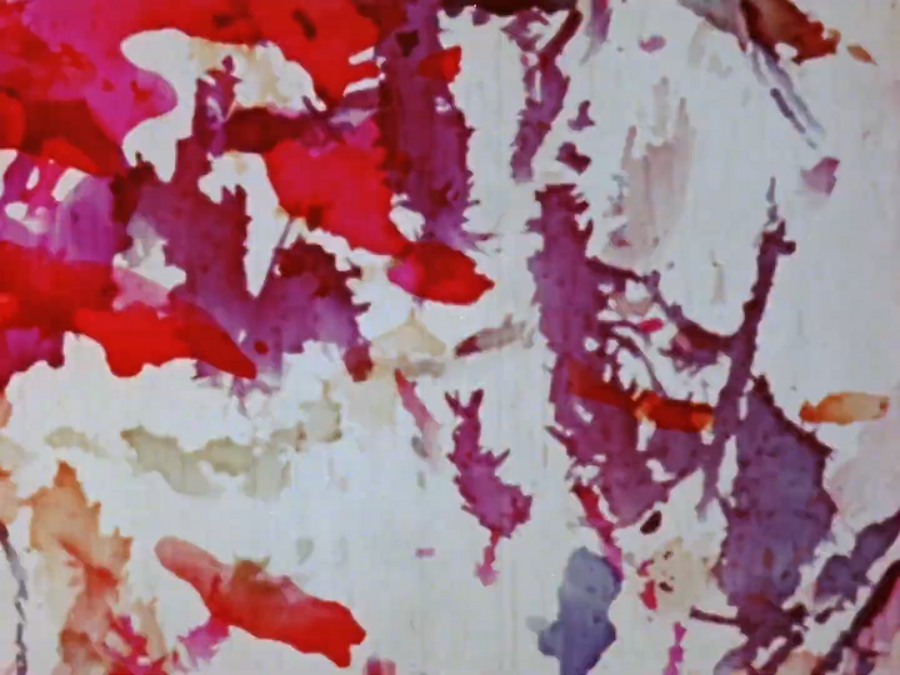
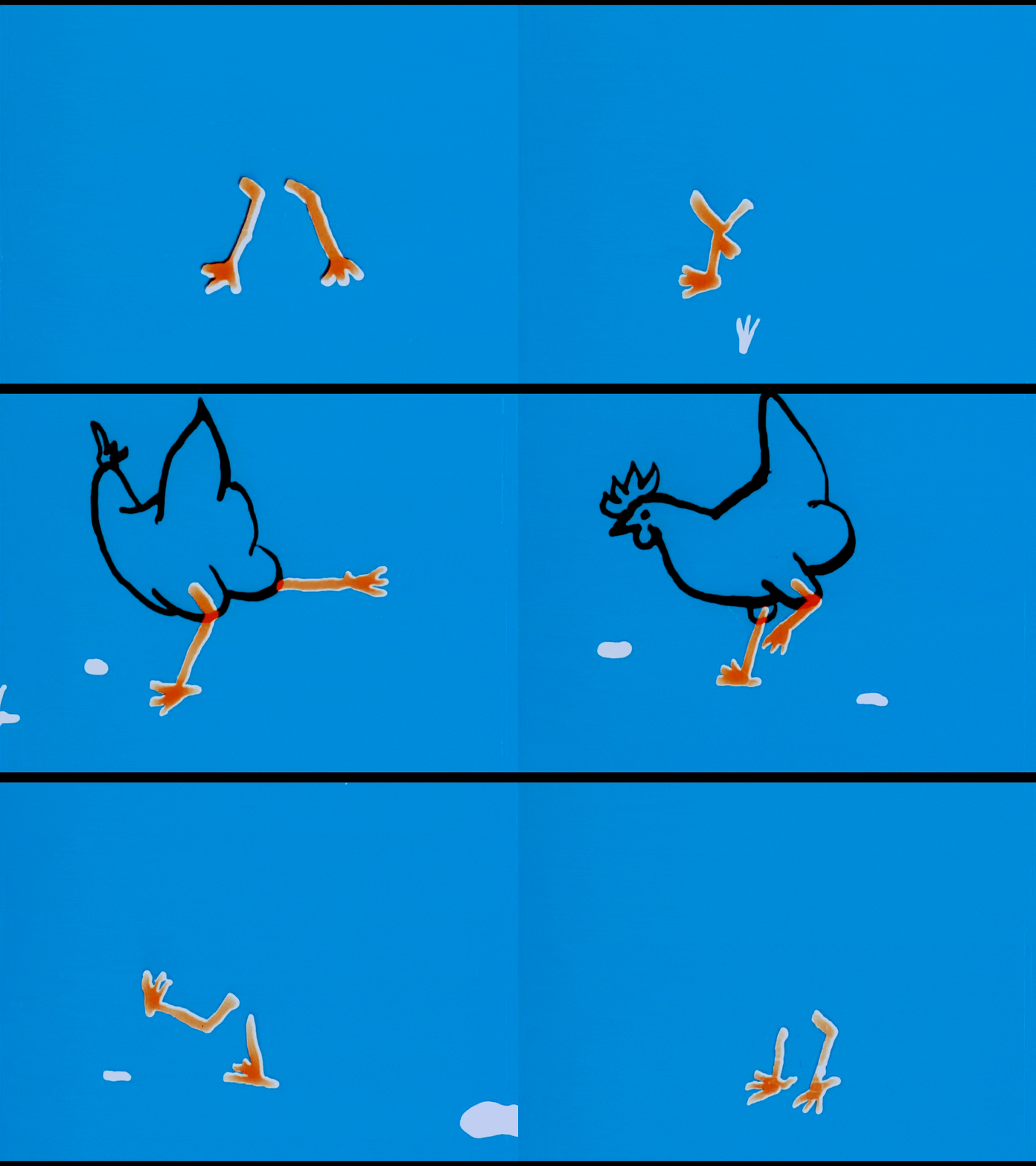
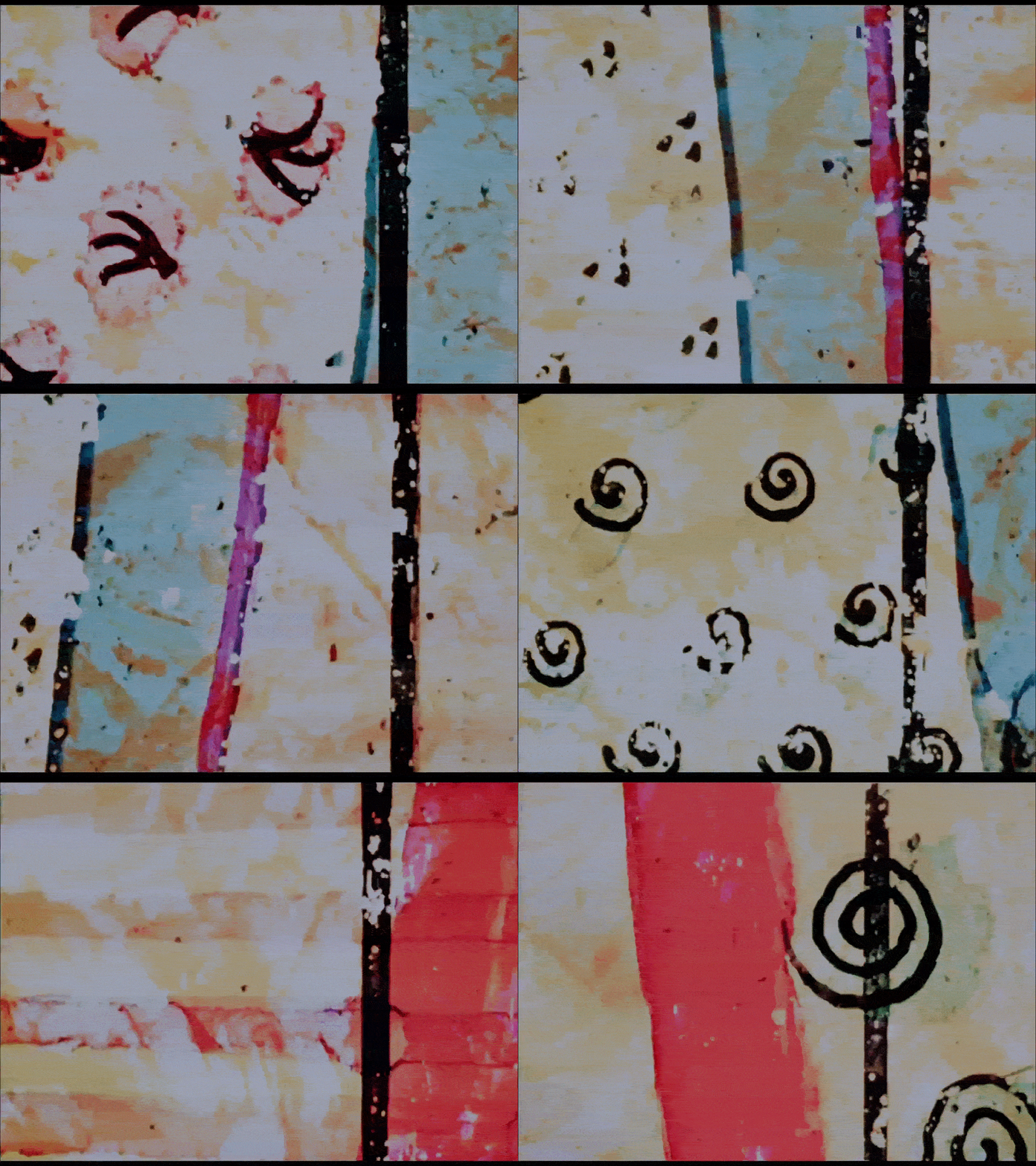
Gray Hen, Norman McLaren, 1947 Nonsense, Norman McLaren, 1947 Colorful Fantasy, Norman McLaren, 1950
He also never forgot the «roots» of his work and created a couple of animated pieces, drawing them on film. While «Chepukha» and «Colorful Fantasy» used abstract spots animated to music—albeit with repeating elements—“Gray Hen» features a character, a hen, albeit a very abstract one, dancing to a spirited song.
Neighbors and Their Broken Time (1950s)
Percussion with Feather, Norman McLaren, 1951
In the 1950s, McLaren began working with elements of documentary film, explaining how his work functioned. Following this, he released the animated film «Now is the Time, ” which utilized some methods he demonstrated in Precrucity. This film also employed 3D effects by manipulating different image positions for the left and right eye.
He uses the exact same technique in his work, „Around is Around.“

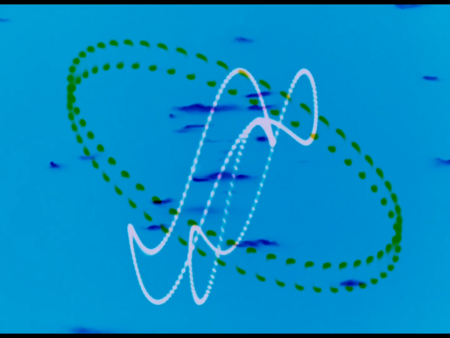
Now is the time, Norman McLaren, 1951 Around—this is around, Norman McLaren, 1951
This decade proved special for Norman, as it was during this period that his iconic works emerged—pieces that gained recognition far beyond the animation community.
Neighbors, Norman McLaren, 1952
His film, «Neighbors, ” is the most popular of Norman McLaren’s works, if one is discussing this director. This piece won an Academy Award, but surprisingly, not in the animation category, but for „Best Documentary Short.“
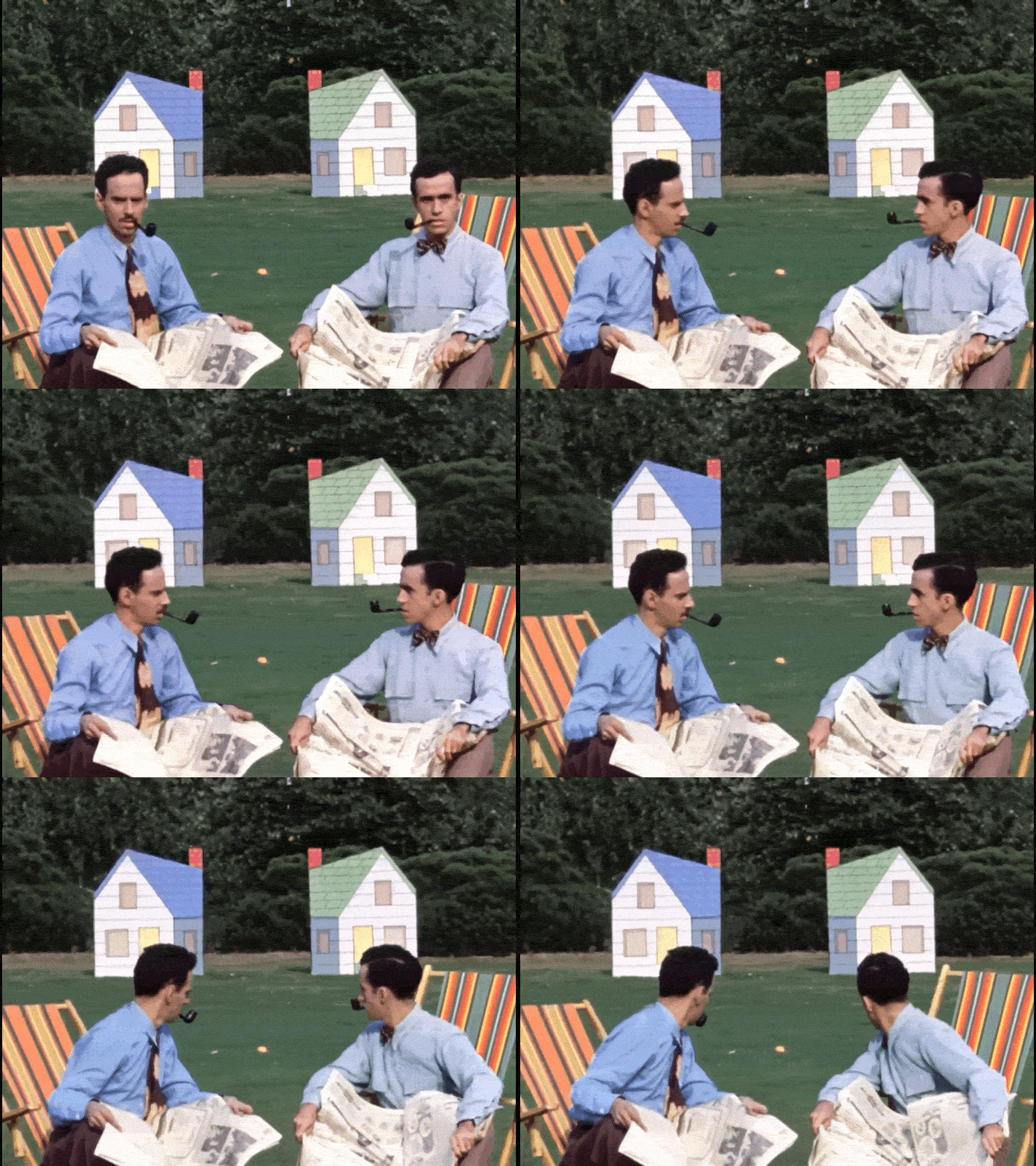
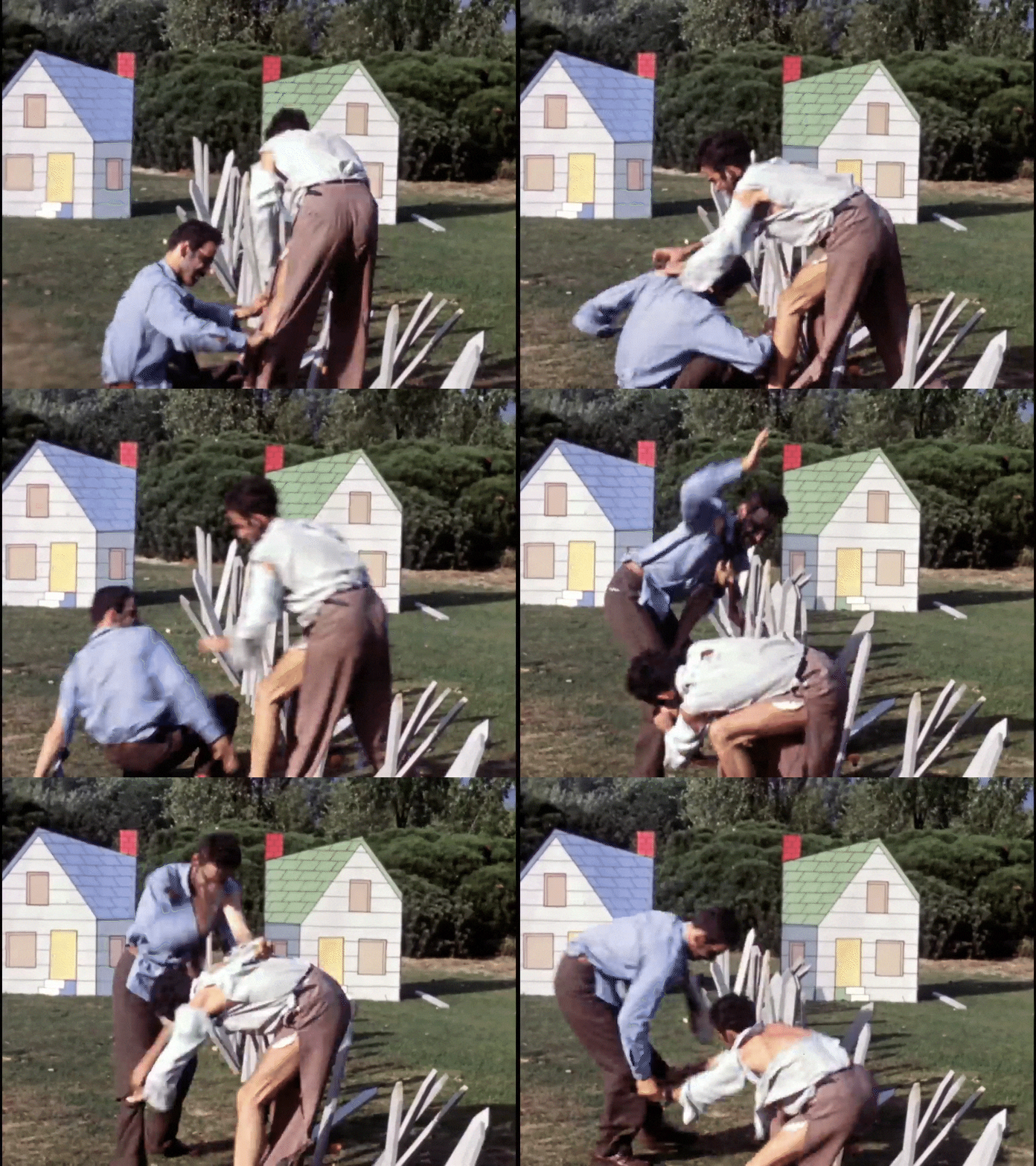
Neighbors, Norman McLaren, 1952
Although one might assume that «Neighbors» is a film—that isn’t entirely accurate. While live actors are used, much like in feature film production, the majority of the runtime is dominated by pixilation techniques—live people are used as «animated props» and photographed frame-by-frame.
Fantasy, Norman McLaren, 1952