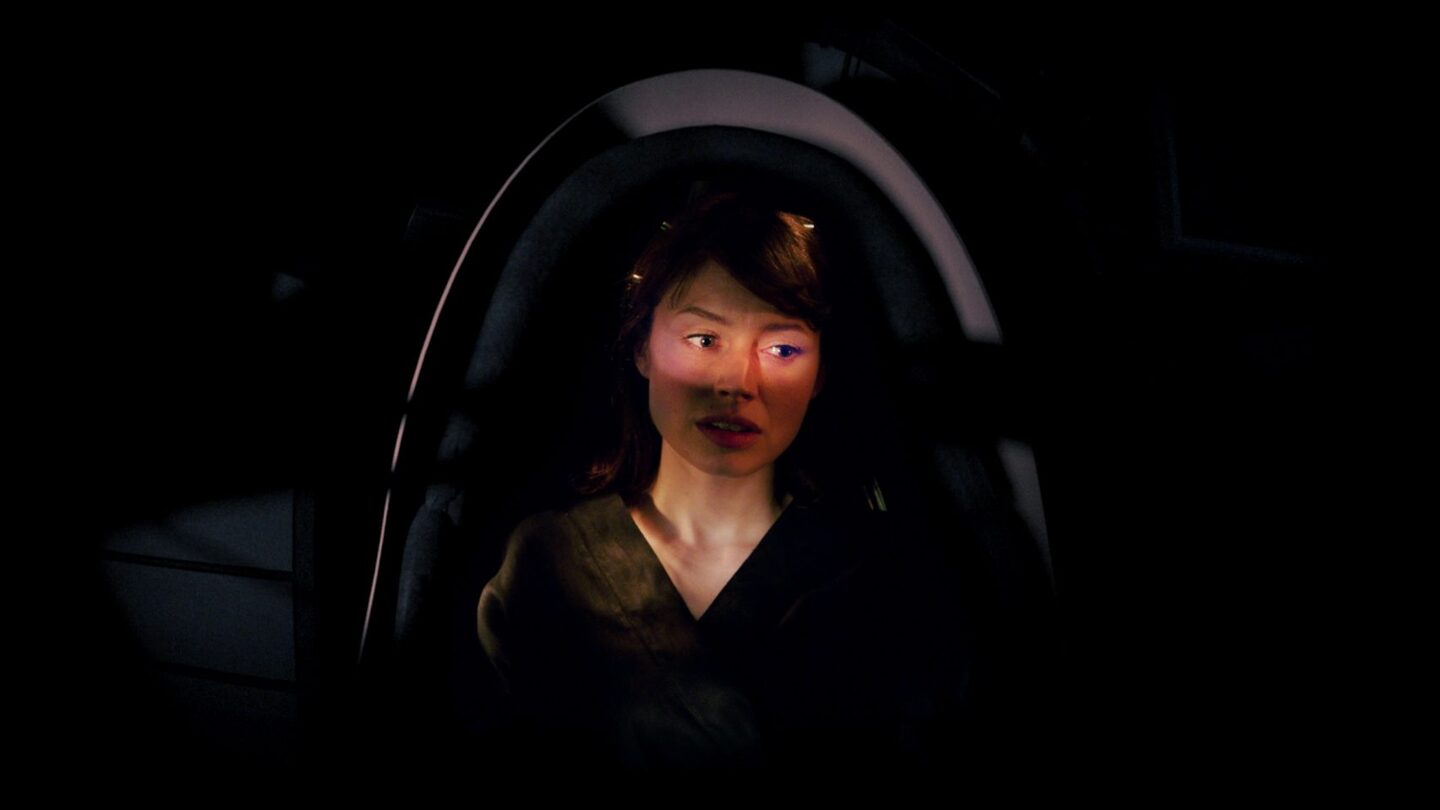
Видеоарт. Пульс современности
Лекция для ярмарки АРТ МОСКВА
The first in the series of new media or, as they are called, technical-based artes was a photograph. For the first time, technology allowed the artist to back off and let the machine work in his place. One step at a time, though, because it’s the person who picks the story and presses the descent button at a crucial moment. The look through the lens made it possible to see the usual stories in a new way. The synthetic view of the artist was replaced by a sketching view of the photographer.
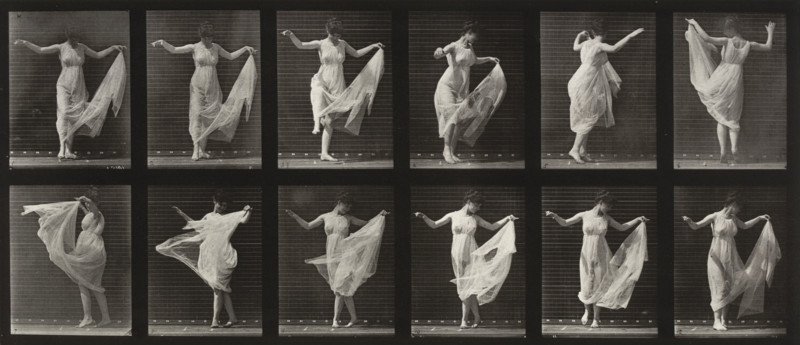
Edward Maybridge. Chronophoto of the dance. 1880th
Only half a century after the invention of the photograph, a new technology is created that allows images to move and allows both the documentation of reality and the story to be told by editing. The screen art is fast increasing the pace of storytelling: the directors started with a single frame for a few minutes, and today we’re used to the fact that the frame changes every few seconds. The rate of visual perception is increasing, the pulse is increasing.
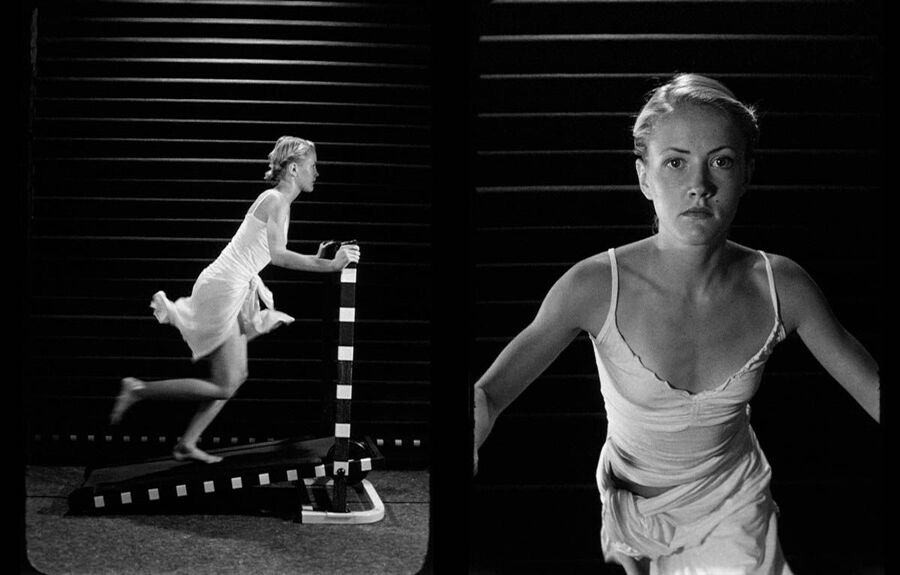
Reynold Reynolds. A secret car. 2009
The kinds of art created by technological advances are becoming a kind of laboratory where we can look more closely at how these technologies work and see the changes that are taking place with our perception of reality, missed through a filter of different media. The video, as an experimental area of screen art, often turns to questions about the temperorism and the sense of time that the moving image gives us.
Expedited installation in blockbusters, short clippings of news stories, different formats of short videos on social media — are competing for the attention of the audience, and he, for his part, is willing to turn on the player at x1.5 or x2 to get the content he needs even faster. Maybe the human brain has changed dramatically over the past decade, and we’ve discovered the ability to absorb more information per unit of time. Or is the adrenaline giving us fomo?
Keichi Matsuda. Merger. 2018
FOMO is the fear of missing something important, some opportunity or interesting experience that others seem to have. That’s what keeps us on the screen. It’s always on the line.
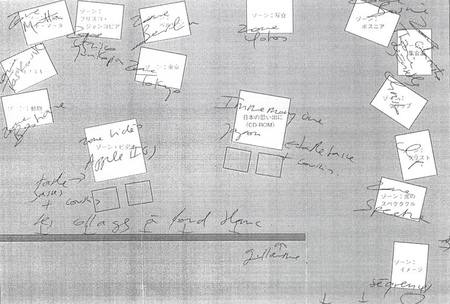
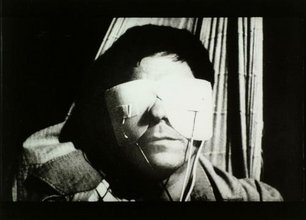
Chris Marker. Zapping Zone: Proposals for imaginary television. 1990
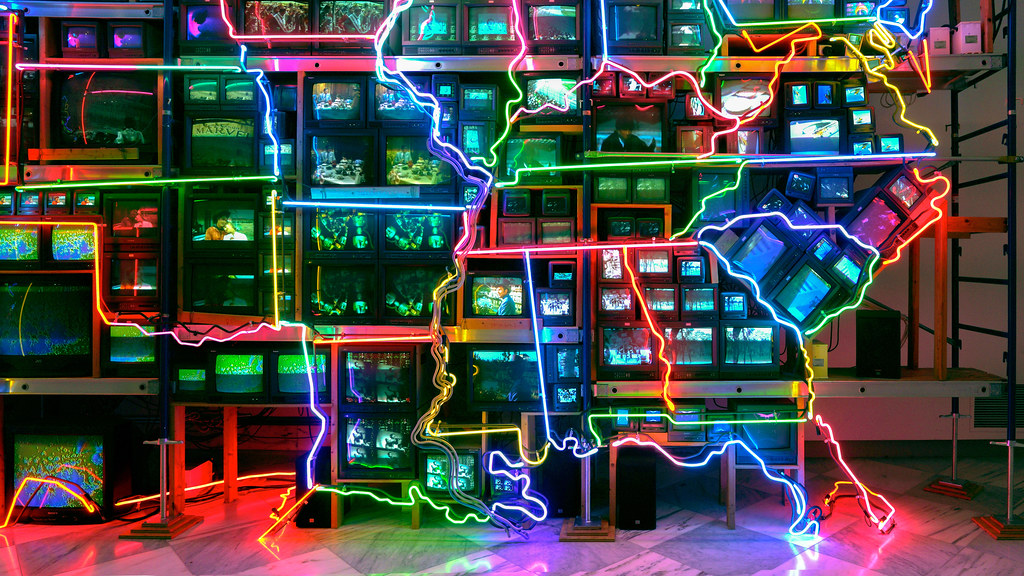
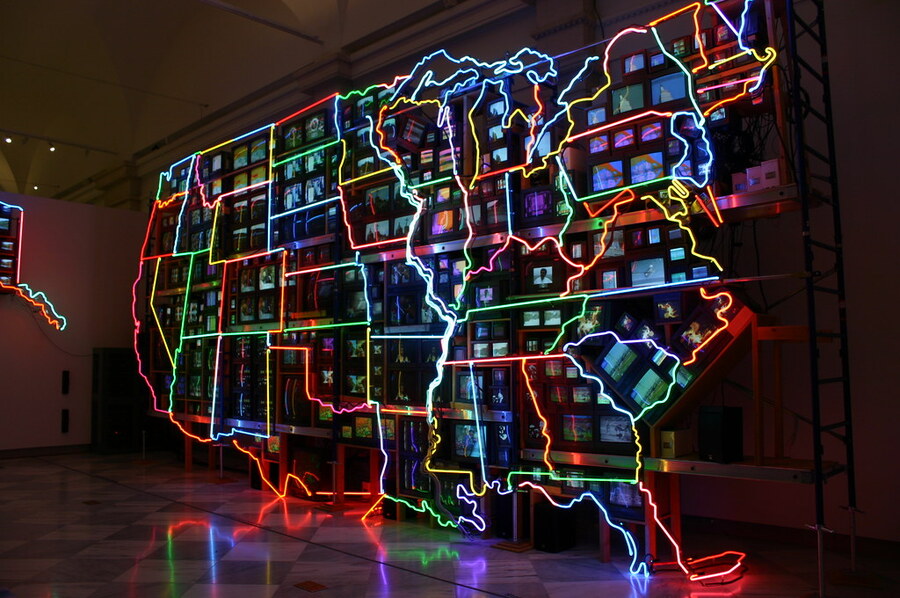
We need June Pike. Electronic superhighway. 1996
Peter Greenway once said that the film was dead when the remotes were being used on TV. Because now the viewers are impatiently turning the channels at the slightest feeling that the scene in the film or the TV show was running late. It was the speed limit for reading the data from the screen. But then there was a high-speed Internet, where images change each other into an endless braid blanket. And very soon, this puzzle of images is going to be «upward-looking» in the form of an AR, supplemented by reality.
Keichi Matsuda. Hyperreality. 2010
Keichi Matsuda. Augmented City. 2010
Commercial films, advertising, and social media videos are involved in the survival race, where the main prize is the attention of the audience. And the video artist is making this idea absurd to make the paradox of this race obvious to us, in which it is impossible to win. Anyway, the audience is definitely not gonna win. With this density of information flow, «stand still» requires not just «run», but run in several directions.
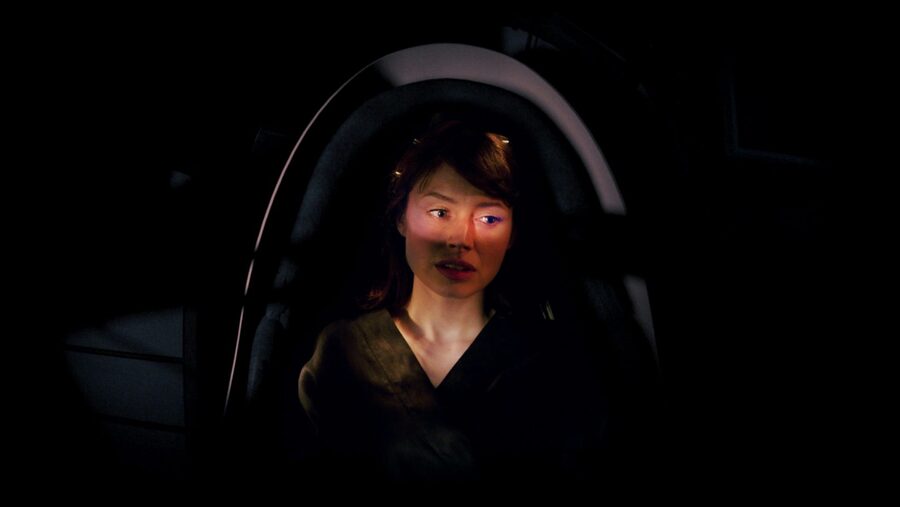
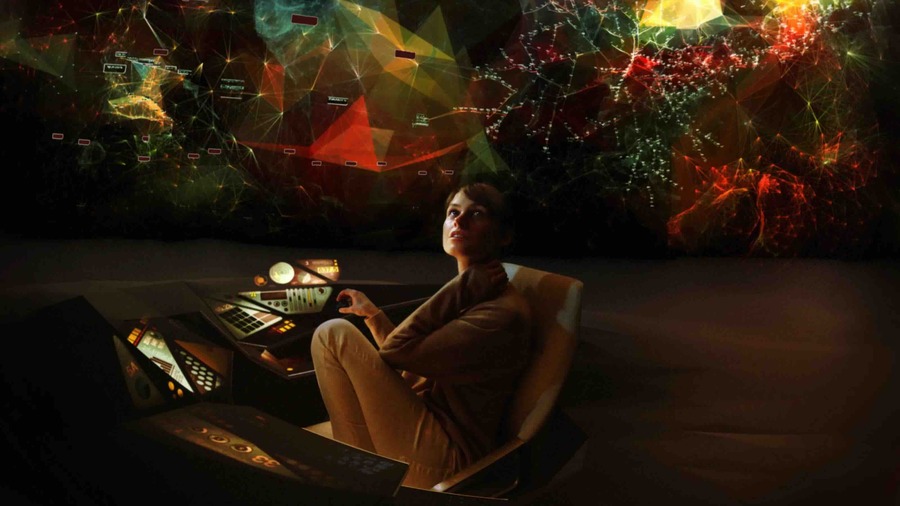
What else could a video art do? Can an artist create a space in which an information pulse slows down and a scattered viewer’s eyes focus? In doing so, it makes sense to turn not only to the eyes but also to the body: to protect the area in which the time will flow in a different way.
Pipylotty Riste. 4th floor to softness. 2016
«Linetime is a Western invention; it’s not really linear, it’s a wonderful bond where you can always choose a point of view and create a solution that has no beginning and no end.» The artist can also distribute images into several screens and use them to build a enchanted maze in which the viewer is ready to lose himself.
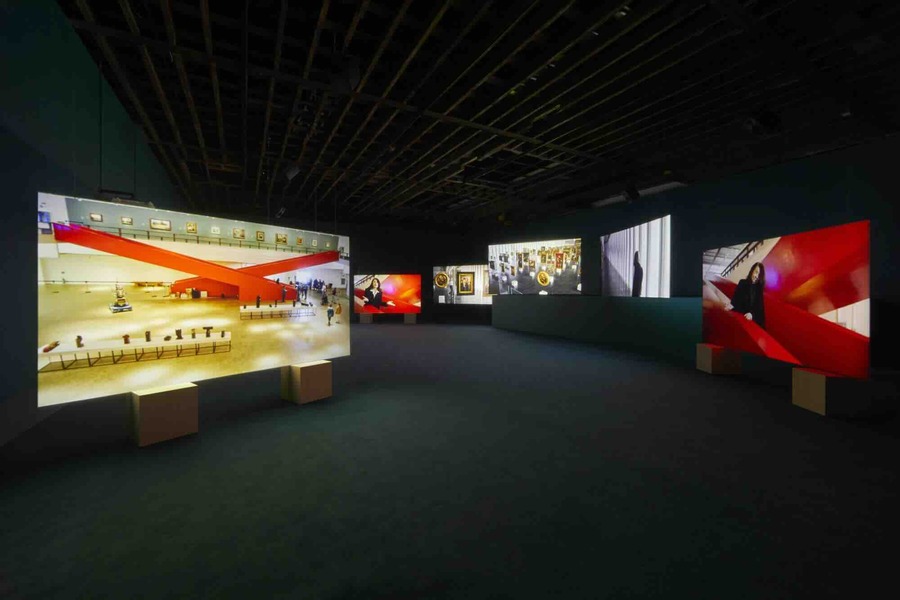
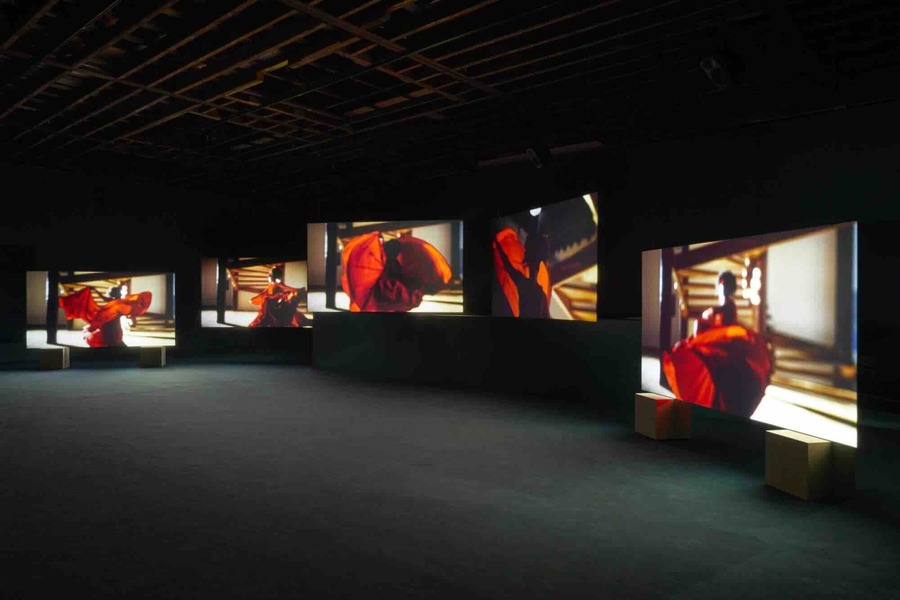
Isaac Julien. It’s a lovely binder. 2019
Janaine Chape. Blood, sea. 2004
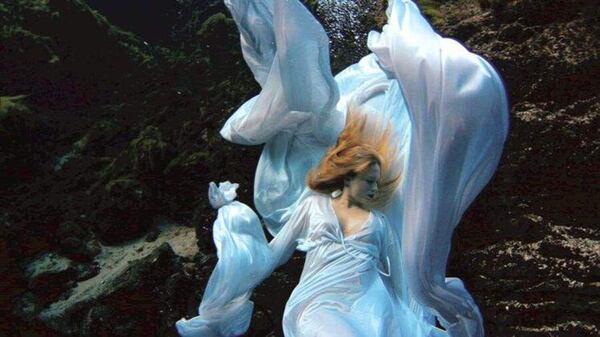
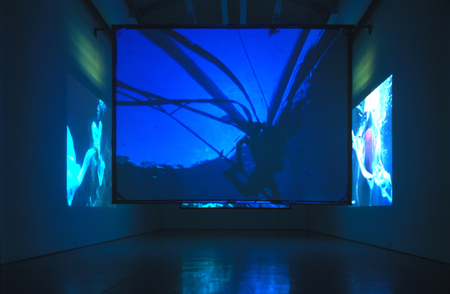
…the movement slows down, the look calms down, the thoughts quiet…
Apichatpong Virasekun. Synchronicity. 2019
A screen image doesn’t have to be a story about anything. His magic is that he doesn’t need a word. And by sinking into the wordless, we can touch the memory of a time when we did not yet know that time exists. It’s a time of childhood and a time of creativity.