Navigation
1. Concept 2. History of Jazz Dance 3. Jack Cole 4. Katherine Dunham 5. Bob Fosse 6. Fred Astaire 7. Gene Kelly 8. The Nicholas Brothers 9. Josephine Baker 10. Michael Jackson 11. Image Sources 12. Bibliography
Concept
Where there is music, there is dance. In jazz culture, this event is no exception. It is important not only to listen to jazz but also to watch the performances themselves, when the artists' body language tells us far more than just their voice. Dance helps us better understand the music, and by merging with it, an incredible harmony is created that transforms jazz culture into a cohesive and compelling narrative.
In this report, we will examine the greatest jazz artists of the movement and delve deeper into the dance element of jazz culture to understand the inextricable link between body and music.
The History of Jazz Dance
Jazz dance emerged in African American culture at the end of the 19th and beginning of the 20th century. Initially, it was often associated with tap dancing, as that was one of the most popular dances performed to jazz music. Over time, jazz dance became the foundation for numerous social and stage genres.
In the early 20th century, new dance styles emerged due to the migration of African Americans to major US cities. Among the most well-known early forms were Black Bottom, Texas Tommy, the Charleston, and Breakaway. These styles became the foundation for the development of swing dancing.
During the 1930s and 1940s, the Lindy Hop gained immense popularity—a complex, improvisational dance considered one of the core forms of jazz culture. Concurrently, Balboa, the Blues, and various forms of Swing were developing. After the 1940s, new styles emerged: Boogie-Woogie, East Coast Swing, West Coast Swing, Jive, and Rock and Roll. While they maintained the fundamental principles of jazz dance, they adapted to the changing music and culture.
Following the 1950s, jazz dance gradually evolved into a theatrical art form. Katherine Dunham and Bob Fosse made significant contributions to this development, establishing the jazz-modern style that is widely utilized today in musicals, music videos, and contemporary choreography.
Contemporary jazz modern combines elements of ballet, acrobatics, modern dance, and hip-hop. Its foundation remains strong technique, body control, rhythm, and the freedom of self-expression.
Jack Cole
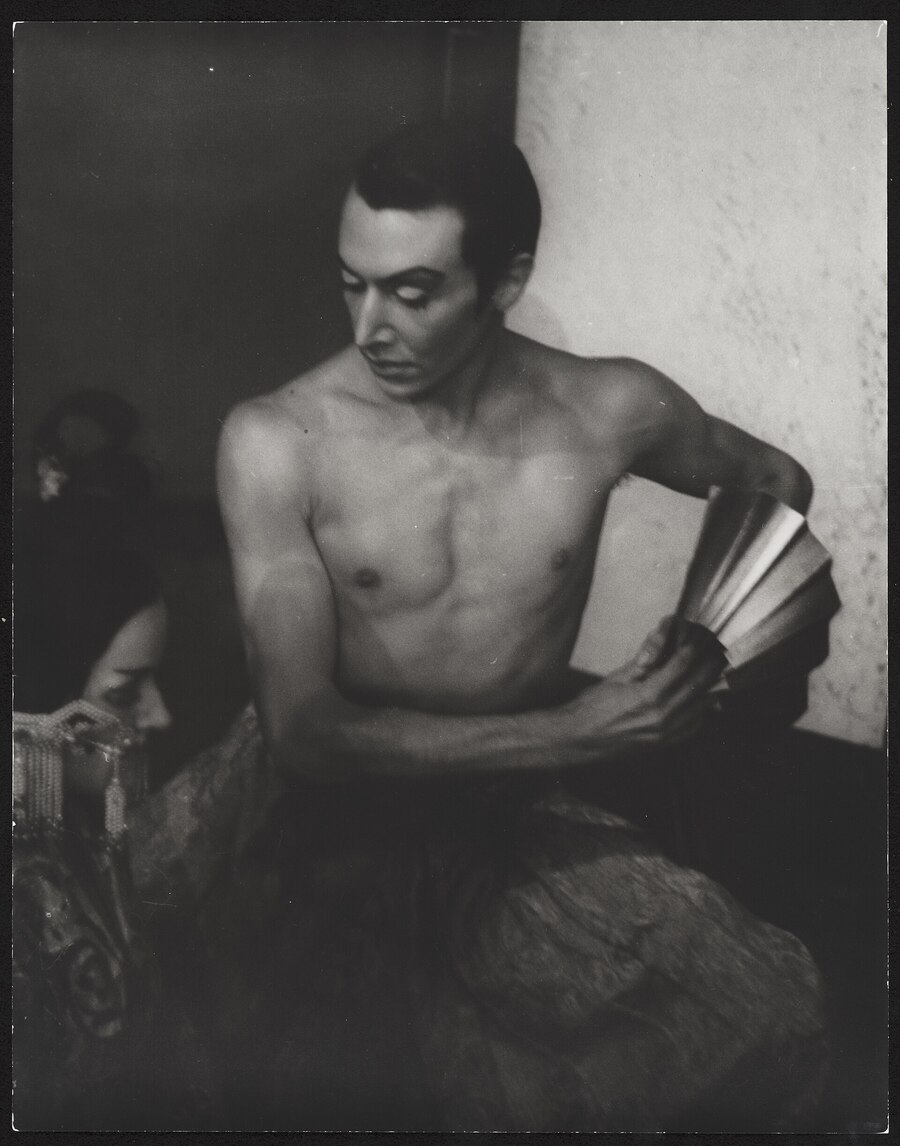
Jack Cole (born John Ewing Richter) is an American dancer and choreographer credited with pioneering theatrical jazz dance. He received his professional training at Denishawn School, where he studied modern and Eastern dance techniques that significantly influenced his future style.
Jack Cole and Rita Hayworth in the film «Tonight and Every Night» (1945)
Cole began his career as an artist for nightclubs and Broadway productions, moving to Hollywood in the early 1940s. Starting in 1945, he was employed as a staff choreographer at Columbia Pictures, creating dance sequences for nearly thirty films, including «Gentlemen Prefer Blondes» and «Some Like It Hot.» Simultaneously, he choreographed over ten Broadway musicals.
Coal’s greatest achievement was the creation of a new theatrical direction—theatric jazz dance—which combined elements of jazz, ethnic dance, and classical ballet. This style has profoundly influenced the development of contemporary musicals, cinema, and music videos.
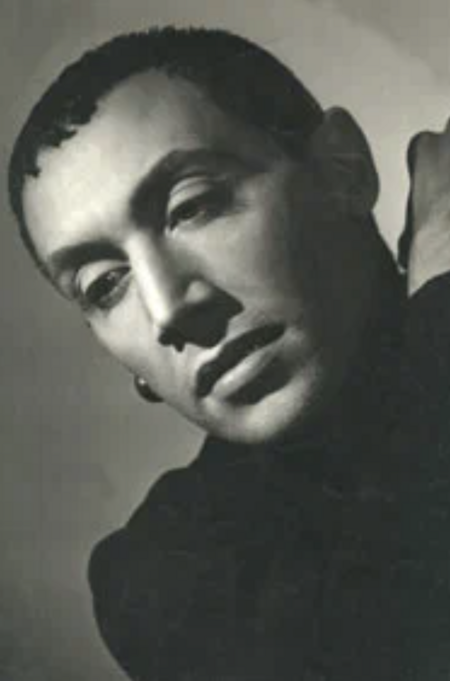
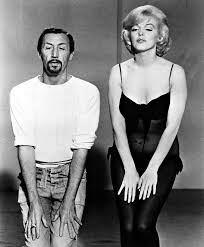
Jack Cole; Jack Cole and Marilyn Monroe
Jack Cole also gained renown as an outstanding educator. Among his students and followers were Gwen Verdon, Alvin Ailey, Jerome Robbins, and Bob Fosse, who later developed many of his mentor’s ideas and became one of the key figures in the history of jazz dance.
Catherine Dunham
Katherine Dunham was an American dancer, choreographer, anthropologist, and educator who played a pivotal role in establishing jazz dance as a stage art. While studying anthropology at the University of Chicago, she simultaneously pursued dance, which allowed her to merge a scientific approach with choreography.
Catherine Dunne
In the mid-1930s, Danem conducted research on Afro-Caribbean culture in Haiti, the materials of which formed the foundation of her academic work and creative productions. By incorporating elements of traditional African and Caribbean dances, she developed a unique stage style that profoundly influenced the evolution of jazz dance.
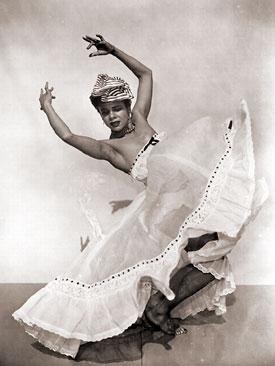
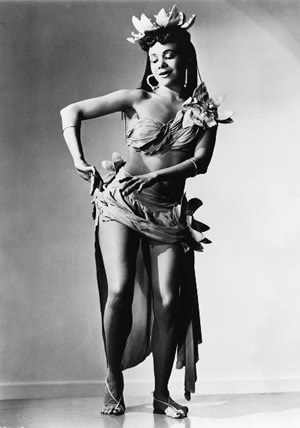
Katherine Dunham
Her wide recognition came from the 1940 musical «Tropicana and Hot Jazz,» which showcased the evolution of jazz dance from Haiti to Harlem. This performance helped popularize jazz dance on Broadway and cemented Danem’s status as one of its founders.
In 1945, she opened her own school in New York where she developed a unique teaching methodology, now known as the Dunham Technique. Among her students were many renowned artists, including Marlon Brando and Erte Kitt. In addition to her artistic career, Katherine Dunham was actively engaged in social work and the defense of civil rights. Her contribution to the development of global choreography made her one of the most influential figures in the history of jazz dance.