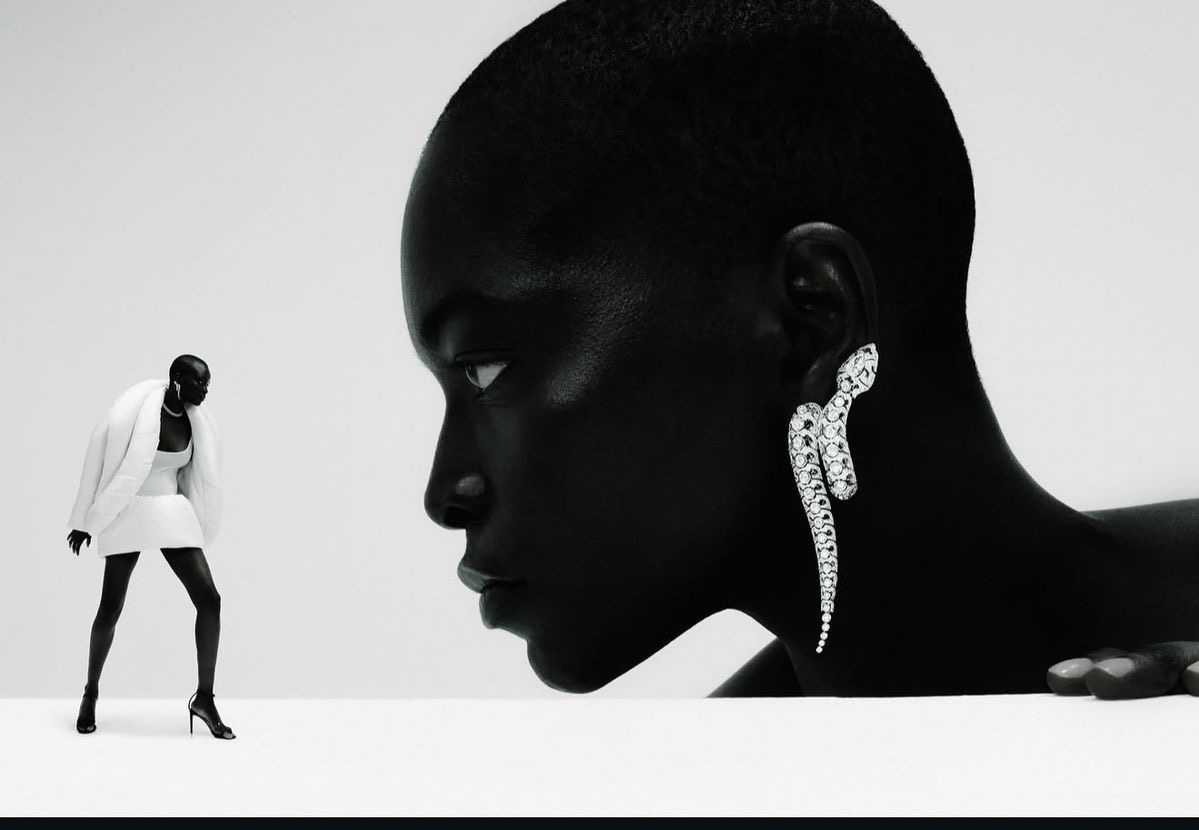
The Last Trend — an independent Telegram media outlet covering the life cycle of fashion trends: from emergence and popularity to mass saturation, audience fatigue, and eventual disappearance.
This channel explores not just what becomes fashionable, but the reasons behind the process. Why does a certain item first seem original, then become ubiquitous, and eventually start to annoy? Who shapes our tastes? Can we predict the next trend, and are we truly making our own clothing choices?
Media views fashion as a part of visual culture, economy, and daily life.
Half-Yearmatic Plan
The six-month program is structured as an investigation into the entire lifecycle of a trend. First, students learn to recognize fashion fatigue, then they understand the causes of this phenomenon, study the history and mechanisms of trend diffusion, and finally, they gain the tools for independent analysis.
MONTH 1
Why Are We Tired of Fashion?
Introduction to the concept of the channel and the phenomenon of trend saturation
Why does yesterday’s fashion look feel boring today?
Poll: Which trend has annoyed you the most?
How to recognize a trend that has peaked?
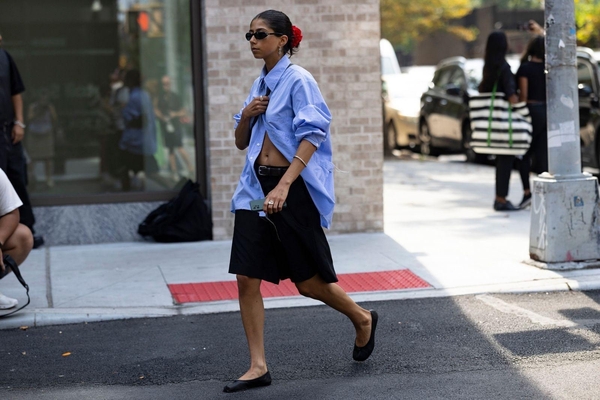
Visual selection: one look, hundreds of identical interpretations.
Why do we want to buy something everyone else is already wearing?
Analysis: how a trend turns into a mass-market product.
Quiz: Do you choose your clothes or follow an algorithm?
Monthly Recap: Which trends does the audience consider overrated?
MONTH 2
How Trends Are Born. Investigating the Sources of Fashion and Its Diffusion Mechanisms
From the Runway to Mass Market: The Journey of a Single Idea
Why Do Brands Return to the Same Silhouettes?The Role of Celebrities in Shaping Fashion
Archive: How Subcultural Clothing Becomes CommercialTikTok and the Acceleration of the Fashion Cycle
Why Do Microtrends Have Such a Short Shelf Life?Who Benefits from the Constant Shift in Trends?
Visual Model of Fashion Idea Dissemination
MONTH 3
Previously Covered: History of Returns. Exploring the Cyclical Nature of Fashion and the Reinterpretation of the Past
Why the 1990s fashion keeps coming back?
Archive shots: what has changed in modern versions?
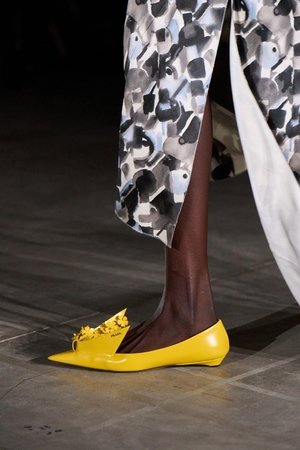
The return of ballet flats: how the meaning of one item evolves
Comparing the original trend with its contemporary version
Vintage or nostalgia for an era we never lived in?
How fashion house archives become a source for new collections
Why the aesthetics of the past seem more appealing than the present?
Visual roundup: the cyclical nature of fashion silhouettes
MONTH 4
When a trend becomes too ubiquitous. Researching visual fatigue and the loss of individuality
Why do identical images start to irritate? Experiment: how a single piece of clothing changes meaning across different contexts
Quiet Luxury: Individuality or a New Uniform Style? An analysis of the aesthetic of expensive simplicity
Why does a viral item quickly become a cliché? A comparison of the advertising image versus everyday wear
Can one exist outside of trends? Survey: Which fashion aesthetic causes fatigue in the audience?
MONTH 5
What comes next? Investigating new aesthetics and alternatives to mass fashion
What happens after a trend peaks?
Three potential scenarios for the evolution of an aesthetic
Why imperfection can become an alternative to the perfect image?
A visual study on the deconstruction of clothing
The return of complex silhouettes: a reaction to minimalism?
How experimental fashion influences everyday wear
AI forecast: what the next mass silhouette could look like?
Audience vote on the most interesting direction
MONTH 6
After the trend: personal taste. The final stage is dedicated to the independent perception of fashion and the results of the research.
How to develop a personal style without constant shopping? Practice: finding three personal visual references
Why does the same item look different on different people? How context changes the perception of clothing
Timeless pieces: do they exist? Analyzing clothing that retains relevance outside of microtrends
Key takeaways from the six-month study A comprehensive look: what we learned from trends that ended
Ten Content Samples
Here are ten examples of posts for Telegram. I created them with varied formats to demonstrate that the channel can do more than just publish analytical texts—it can also engage the audience, work with images, and experiment with AI.
1. Analytical Post
Trend Autopsy
At first, a trend seems like a discovery. We notice an unusual silhouette, interesting footwear, or a new color combination. The item stands out against familiar looks, prompting the desire to try it ourselves. Then, influencers pick up the trend. Brands release similar models, stores fill up with identical pieces, and social media displays an increasing number of similar looks.
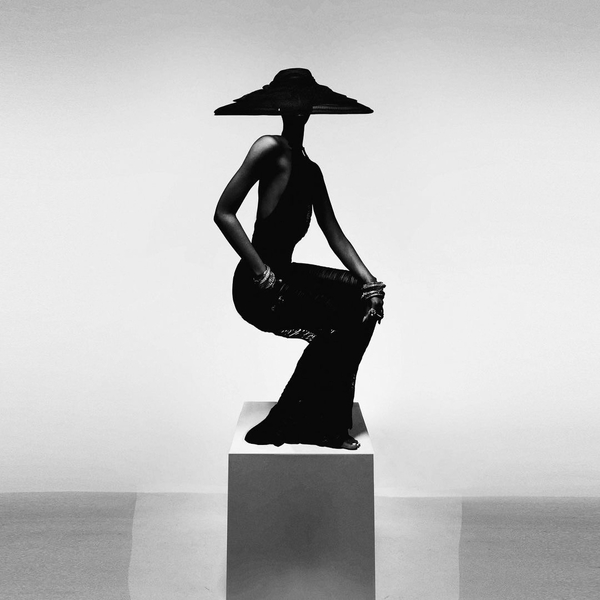
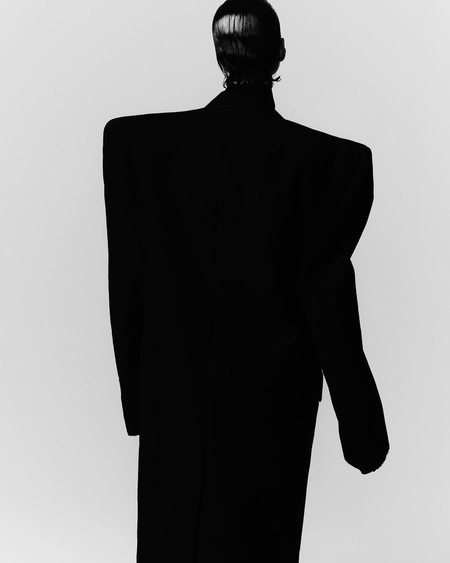
At some point, a paradox occurs: the object doesn’t become worse, but it stops seeming interesting. What changes? First, the novelty effect disappears. We no longer feel surprise at what we see every day. Second, a trend ceases to be a way to stand out. If a certain look is worn by everyone, it no longer effectively conveys individuality. Third, the very perception of the object changes. We begin to see not a single beautiful image, but its endless copies.
This doesn’t mean that a trend automatically becomes bad. Rather, it loses some of its original significance. Perhaps the next phase of fashion begins precisely when repetition becomes tedious.
THE LAST TREND: What was once an ideal thing for you, but now only brings fatigue?
2. Historical Visual Analysis
BEFORE IT WAS EVERYWHERE
Fashion Archives Section
Ballet Flats: Why Are We Returning to the Same Footwear?