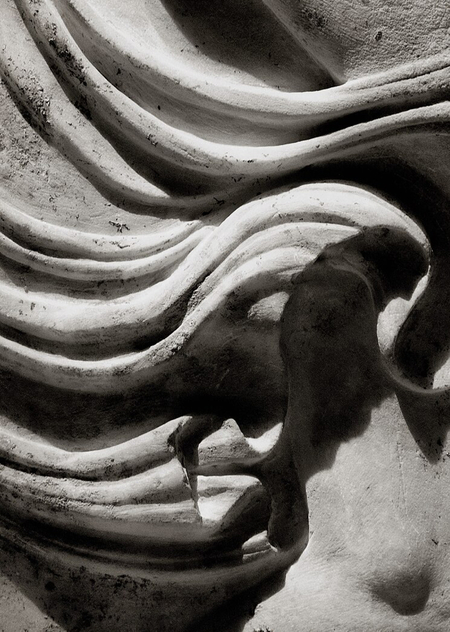
What is obsession to you? A pose? A gaze? Or a state of mind? Over a long period, the «obsessed» archetype has undergone numerous shifts in perceptual optics. It might seem that identical attributes—such as a tilted head, a curved back, disheveled hair—can lead to vastly different interpretations of this image: ranging from divine ecstasy to illness or high art.
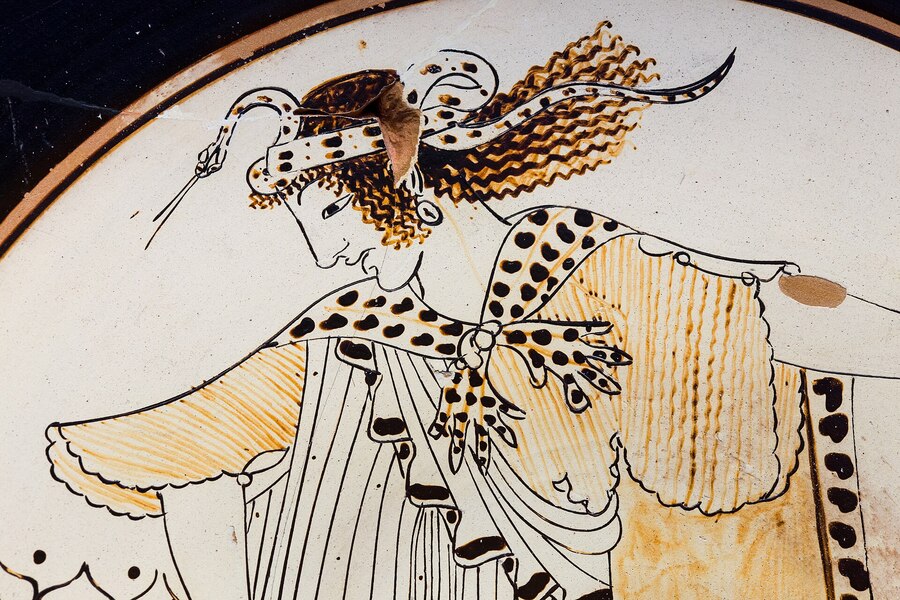
Master Brigge, Killic with Dionysus, Satyrs, and Maenads, c. 480 BCE (Munich)
And the most surprising thing is that, in fact, this optics almost entirely depends on who and how exactly the pose was named during different periods.
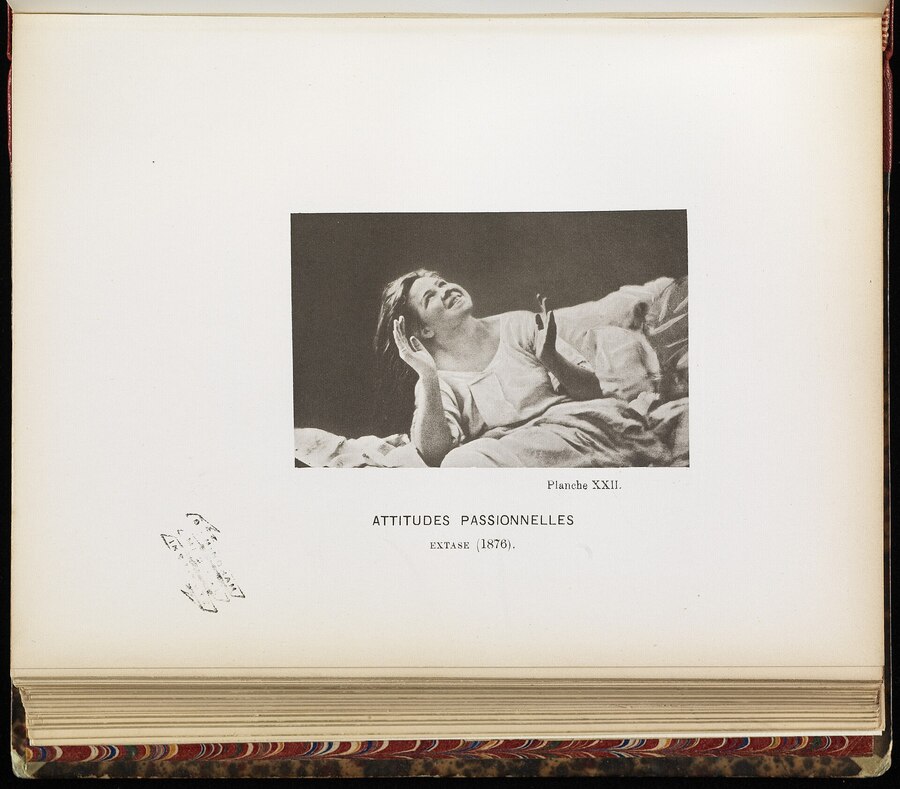
«Passionate Poses. Ecstasy, ” Plate XXII from Iconographie photographique de la Salpêtrière, photo by Paul Reynier
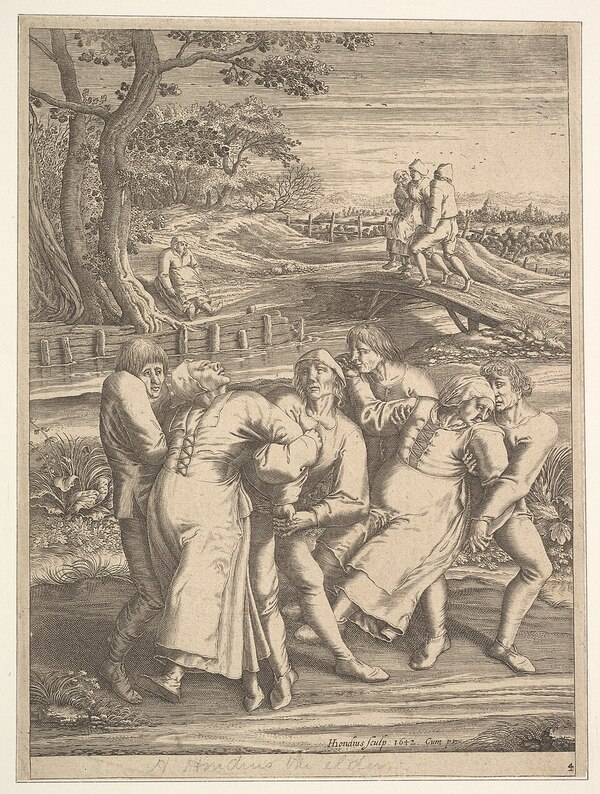
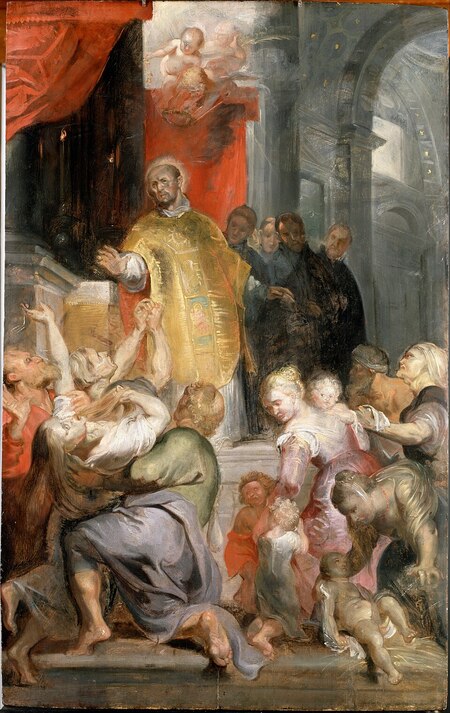
Left: Hendrick Hondius after Brueghel, «The Epileptics Go to the Left, ” 1642 (Met); Right: Peter Paul Rubens, „Miracles of St. Ignatius of Loyola“ (Kunsthistorisches Museum, Vienna)
Jesus healing the possessed, mosaic (V century), sketch from the book Scharck and Rishe, «Demons in Art» (1887)
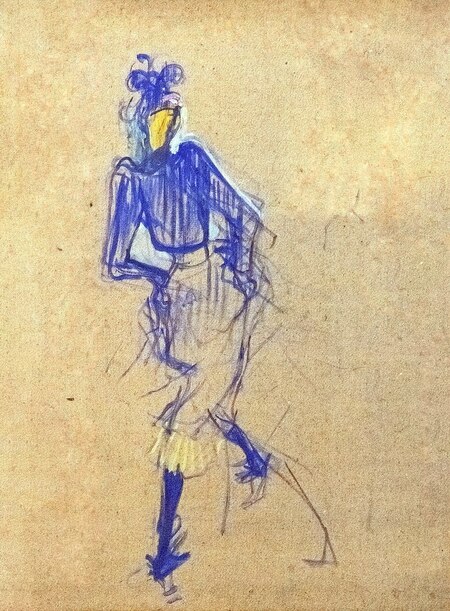
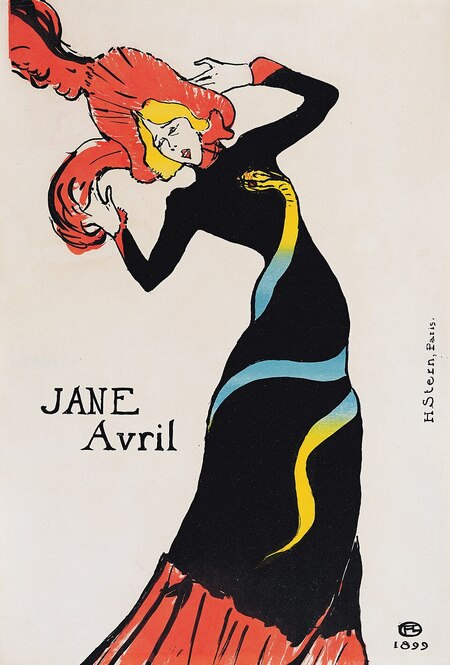
Left: Toulouse-Lautrec, poster «Joan of Avril» (1899); right: Toulouse-Lautrec, «Joan of Avril Dancing»
Skopas. Menade. Mid-4th century BCE. Small marble Roman copy of a lost original. Dresden. Albertinum
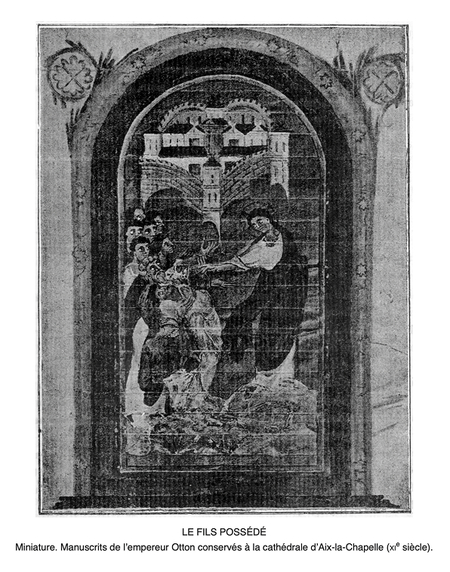
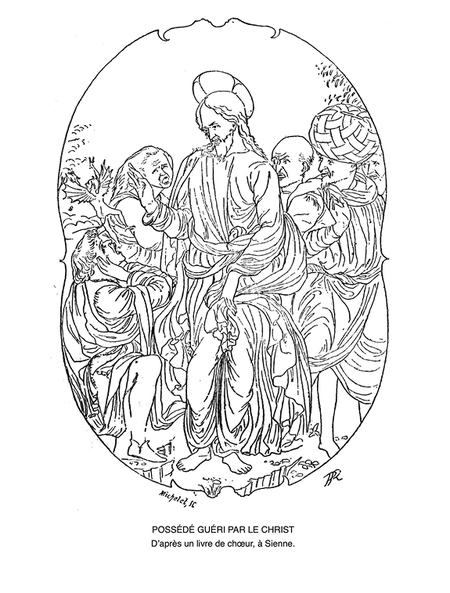
Illustrations from «Demonic in Art» (1887). Left: «The Frenzied Man,» a miniature from a Syriac manuscript (6th century); right: «Christ Healing the Possessed,» a miniature from a choir book (15th century).