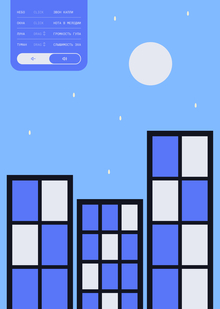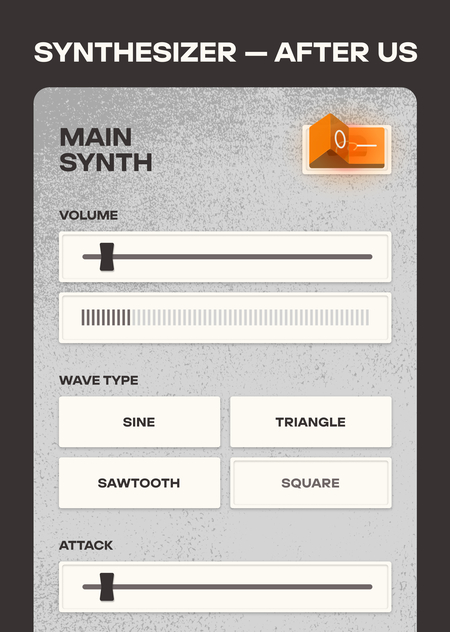
After Us — a sonic imagination of a post-apocalyptic world where humanity has vanished following a catastrophe. Nature continues to thrive: birds sing, and it rains. Yet, among these sounds remains the weight of empty concrete structures. Low, minor chords and sustained synthetic tones create a feeling of anxiety, loneliness, and the presence of a world left behind by people.
Interface
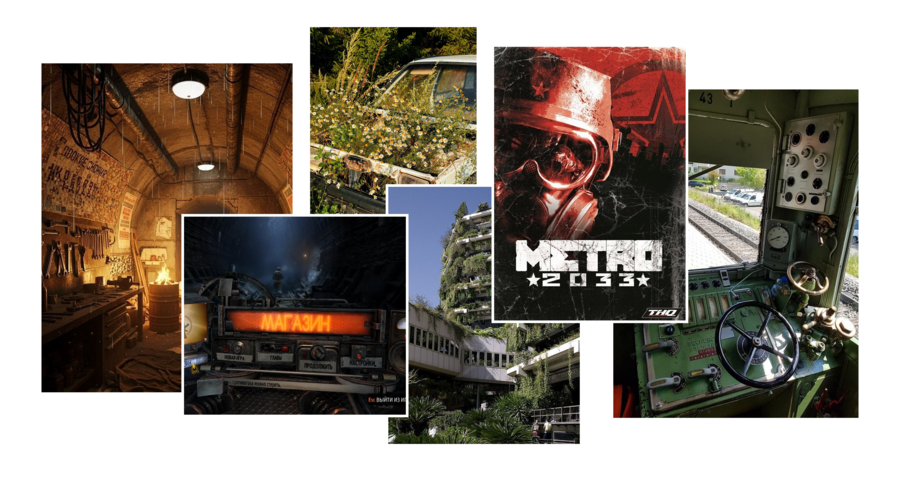
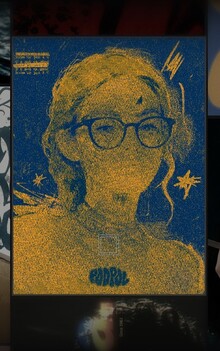
moodboard
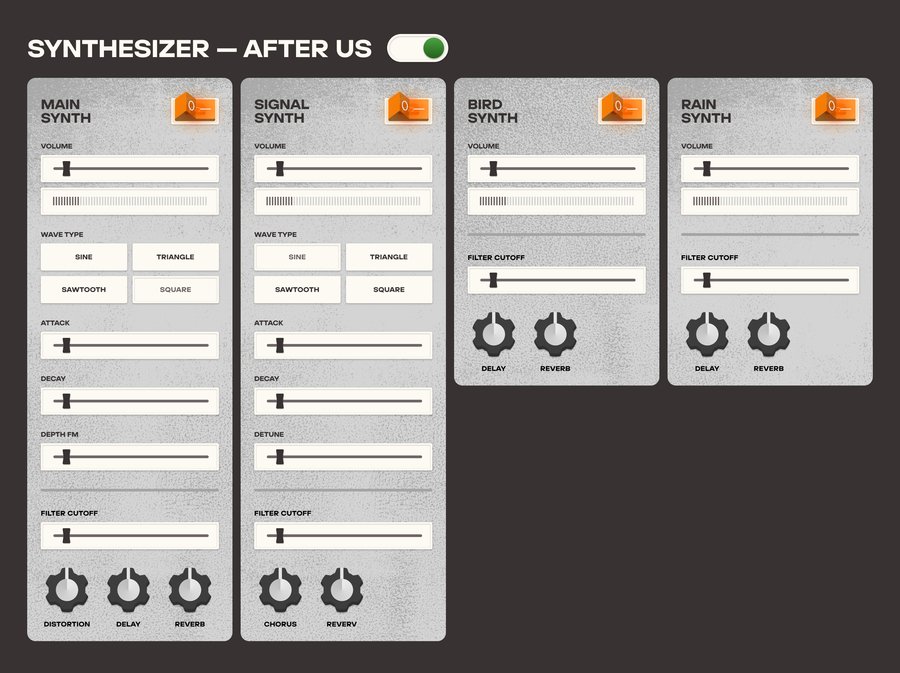
The interface evokes old analog equipment: volumetric buttons, mechanical switches, and rotary elements create the feeling of a physical instrument.
The synthesizer looks like an instrument preserved in a world after humankind.
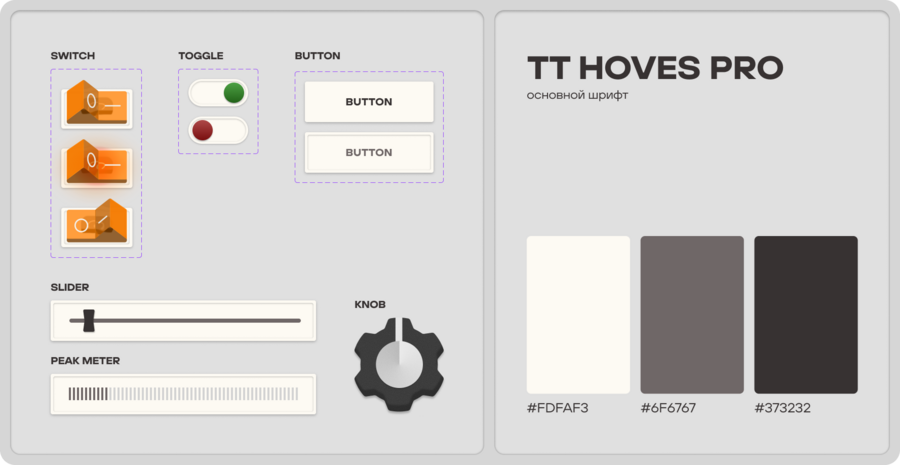
Prototype
Synthesizer Device Description
main synth
Source: FM synthesizer. One oscillator forms the primary sound, and a second modifies its vibrations, creating metallic and unusual timbres. This is a synthetic sound originally conceived as isolated piano notes.How the sequence is generated: The algorithm selects notes from a limited minor set in the low register. The intervals between events, duration, volume, subtle pitch deviations, and the depth of the FM modulation change randomly. Occasionally, stronger and sharper accents appear. Therefore, the sequence evolves slightly differently each time while retaining its overall atmosphere.Processing Chain: FM synthesizer → low-pass filter → distortion → vibrato → stereo echo → reverberation → separate channel.The filter removes high frequencies, the distortion adds grit, and the vibrato subtly modulates the pitch. The echo distributes repetitions across the left and right channels, while the long reverberation leaves a spatial trail.
signal synth
Source: a polyphonic synthesizer capable of reproducing multiple notes simultaneously. Each note is composed of three slightly detuned oscillators. Their interaction creates a dense and fluid sound.
How the patch is formed: the code defines a sequence of eight three-note chords. Each chord is sustained for two measures, and the entire sequence repeats every sixteen measures. It utilizes minor tonalities and tense harmonic combinations.
There is no random selection of notes here. The movement within the sound is created by oscillator detuning, a smooth envelope, and chorus.
Signal chain: polyphonic synthesizer → low-pass filter → chorus → reverb → separate channel
The chorus adds slightly varied copies of the signal, creating a gentle waver and a sense of width. The long reverb merges the chords into a spatial backdrop.
bird synth
Source: A long field recording of bird singing — audio sample.How it plays back: The recording loops with a smooth overlap between the end and beginning. Two players alternately pick up the sound to make the transition between loops less noticeable.Processing chain: Bird recording → low-pass filter → stereo echo → reverb → separate channel
rain synth
Source: Rainfall recording — audio sample.Playback method: Uses the same smooth overlap of repeats as Bird Synth.Processing chain: Rainfall recording → low-pass filter → stereo echo → reverb → separate channel
Prompt Design
I used AI (ChatGPT) to implement the code for the synthesizer prototype. Initially, I provided the project requirements, learning materials, and tool repositories. These served as the foundation for choosing the structure and methods for sound manipulation.
Next, I described the desired atmosphere through associations: a post-apocalyptic world, low, anxious tones, a sustained synthetic background, and natural sounds.
The work proceeded in iterations: I would run the prototype in the browser, listen to the sound, check the controls, and formulate refinements.
**Workflow: ** Context and references $\rightarrow$ Prompt $\rightarrow$ Working Prototype $\rightarrow$ Listening and Testing $\rightarrow$ Refinement Prompt
Module Completion Plan
Approve revisions regarding the visual and technical aspects (if applicable)Implement the design in codeTest the usability of controls during development and refine the interface based on the testing resultsPrepare the execution: plan the fundamental placements of the synthesizer elements